The Water Horse
"The best friend you'll ever have to hide."
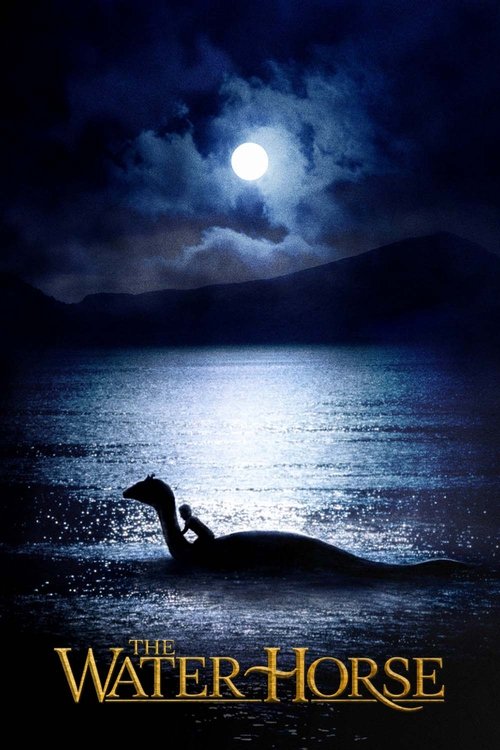
There was a specific five-year window in the mid-2000s where every studio in Hollywood was desperately hunting for the next Harry Potter or The Chronicles of Narnia. This era gave us a lot of high-budget fantasy that felt like it was trying too hard to be "Epic" with a capital E. But tucked away in the 2007 Christmas season was a quieter, more soulful creature feature that I think deserves a serious revisit. I rewatched it recently on a Tuesday evening while eating a bowl of cereal that had gone slightly soggy because I got distracted by the opening narration, and it struck me just how much this film captures a mood that modern blockbusters usually ignore.
The Water Horse (often subtitled Legend of the Deep) is essentially E.T. relocated to the Scottish Highlands during World War II. It’s got all the hallmarks of a Walden Media production: it’s handsome, earnest, and carries a surprisingly heavy emotional weight for something marketed to kids.
A Boy, a Kelpie, and a Weta-Made Miracle
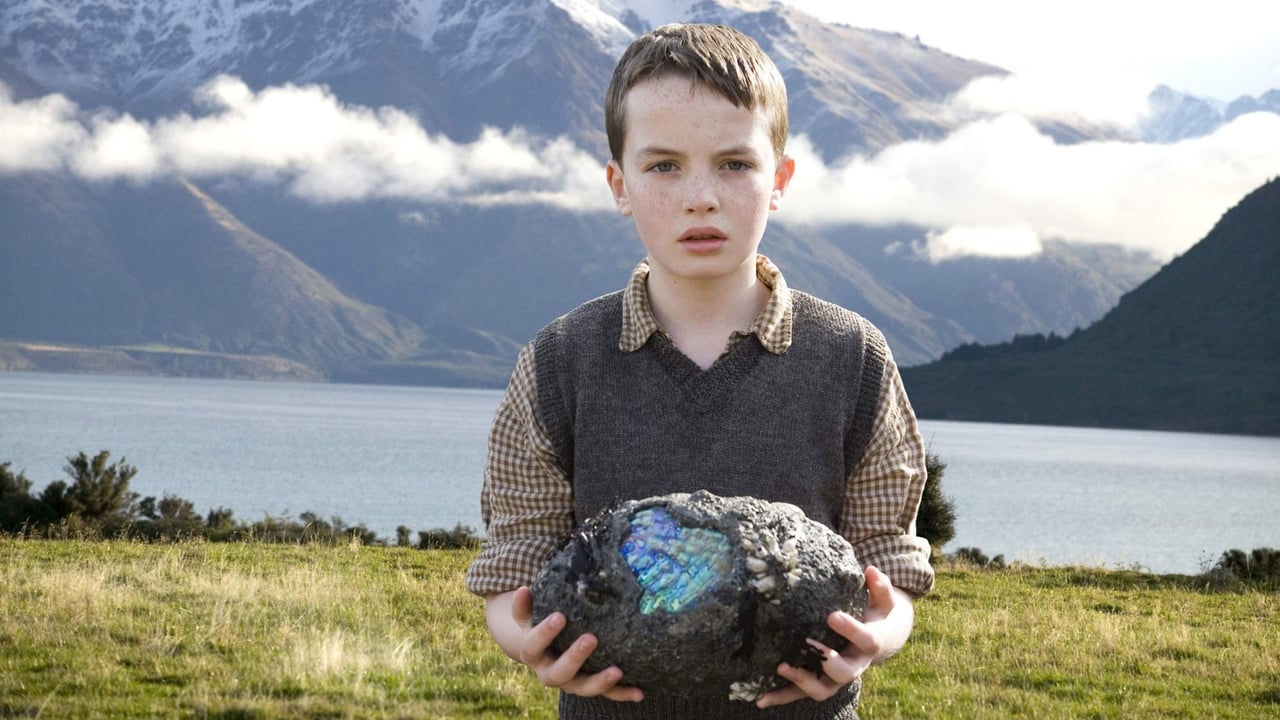
At the heart of the film is Angus MacMorrow, played by Alex Etel (who some might remember from Danny Boyle’s charming Millions). Angus is a lonely kid living in a massive manor house on the shores of Loch Ness, waiting for a father who is never coming home from the war. When he finds a strange, barnacle-encrusted egg on the beach, he hatches a "Water Horse"—a mythical Scottish Kelpie he names Crusoe.
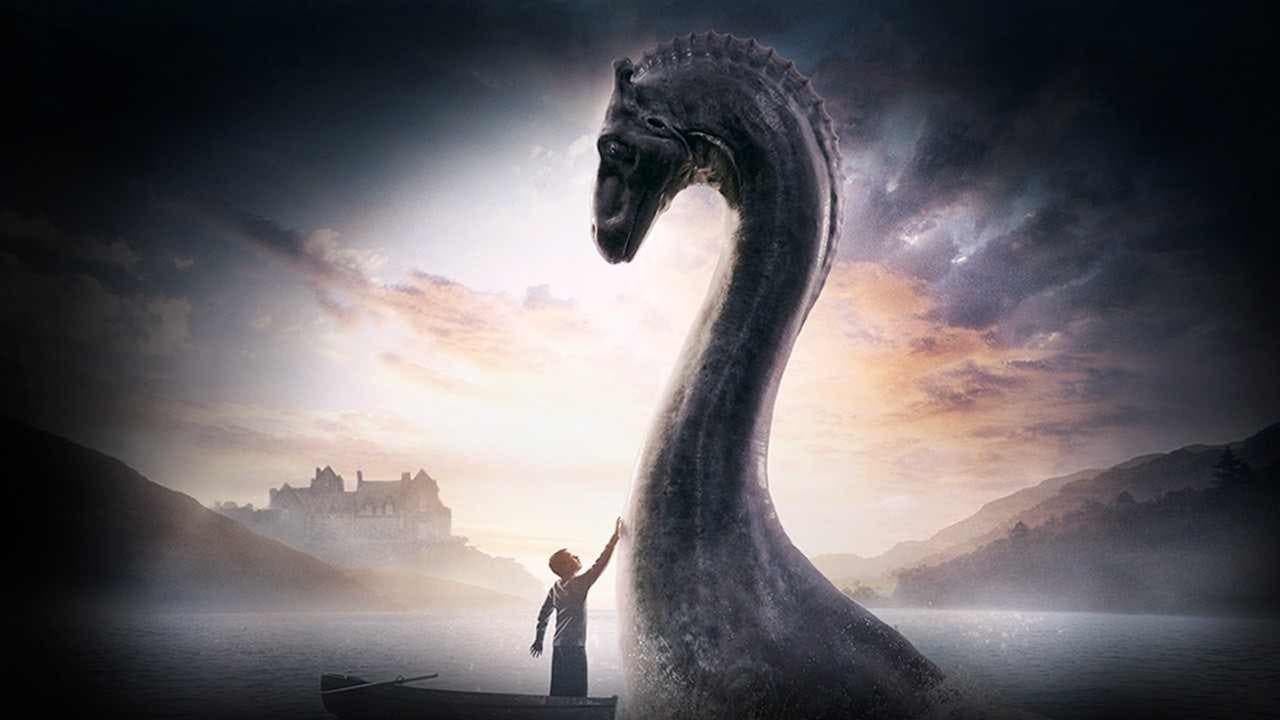
Looking back at 2007, the CGI revolution was in full swing, but it was still a bit of a "Wild West" for creature design. What makes this film work where others failed is the involvement of Weta Digital. Fresh off The Lord of the Rings and King Kong, the Weta team brought a level of tactile reality to Crusoe that still holds up shockingly well. As the creature grows from a neurotic, bathtub-dwelling "water dog" into a massive, prehistoric-looking leviathan, the interaction between the digital asset and the physical environment—the splashing water, the way its skin reacts to Alex Etel’s touch—is top-tier. If you compare this to the rubbery CGI monsters we see in modern streaming movies, Crusoe looks like a practical effect from the future.
The Melancholy of the Highlands
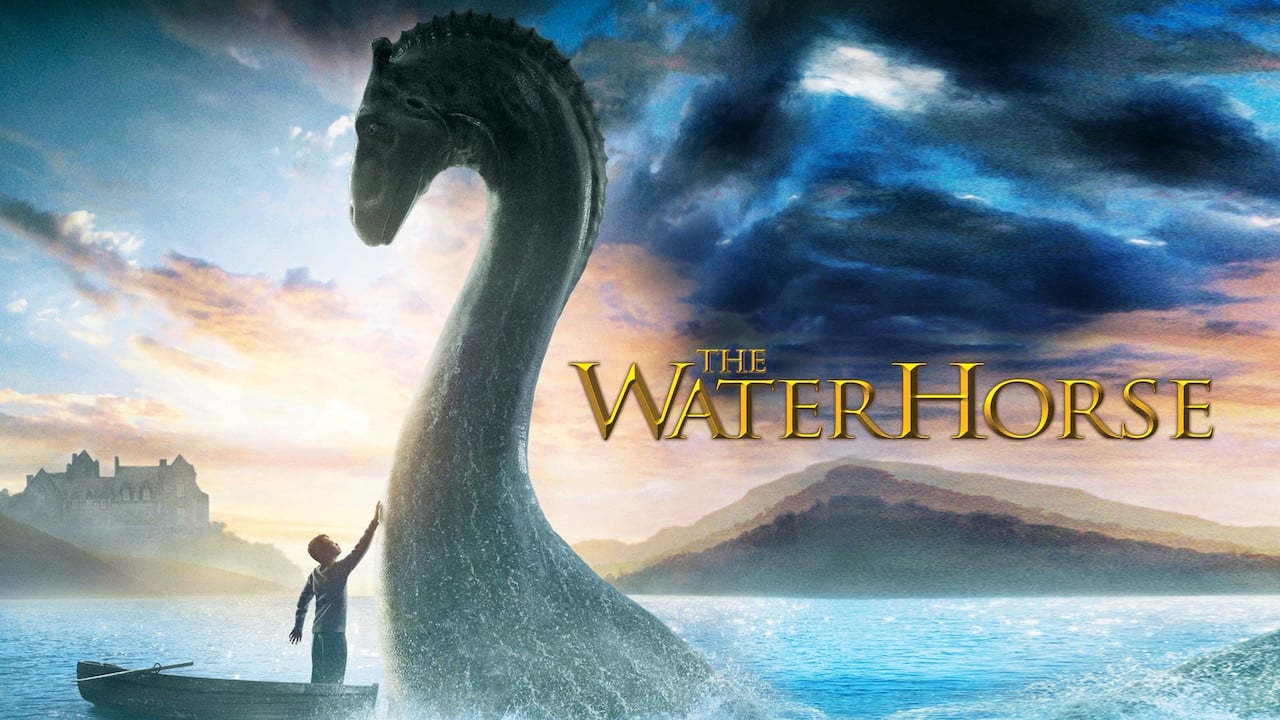
One of the most interesting things about the production is that while it’s a story rooted in the deep folklore of Scotland, most of it was actually filmed in New Zealand. Director Jay Russell (who directed the tear-jerker My Dog Skip) used the landscapes around Lake Wakatipu to stand in for the Highlands. It’s a bit of a cinematic cheat, but it works because the film leans into a misty, cold, and slightly forbidding atmosphere. This isn't a bright, "Disney-fied" adventure; it feels damp and gray, which perfectly mirrors Angus’s grief.
The human cast provides a grounded anchor that keeps the "magic pet" trope from becoming too saccharine. Emily Watson is fantastic as Anne, the mother trying to keep her family’s world from collapsing under the weight of the war, while Ben Chaplin plays Lewis, the mysterious handyman who becomes the boy's confidant. On the other side of the spectrum, you have David Morrissey as Captain Hamilton, a man who is so obsessed with spotting German U-boats in the Loch that he becomes the film's unintentional antagonist. Watching a group of grown men in kilts and wool sweaters try to depth-charge a mythical sea-slug is exactly the kind of high-stakes absurdity I pay to see.
Why It Vanished Into the Deep
So, why don't people talk about this movie more? It was based on a book by Dick King-Smith (the same guy who wrote Babe), it had a massive budget for the time, and it made over $100 million. Yet, it seems to have slipped into that "vaguely remembered on DVD" category. Part of it might be the timing—2007 was a year of giants like Transformers and Spider-Man 3. Another part is that The Water Horse is a "middle-of-the-road" film in the best way possible. It’s not a frenetic action movie, and it’s not a dark, gritty subversion of the genre. It’s just a well-told, slightly sad story about a boy and his dog... if the dog was forty feet long and lived in a lake.
Interestingly, the film includes a brief cameo from Craig Hall as the father, and the way the movie handles the "missing parent" trope is actually quite mature. It doesn't give you the magical happy ending where the war ends early and everyone is reunited. It asks the audience to accept loss, using the legend of the Water Horse as a bridge between the world Angus lost and the one he has to live in.
The Water Horse is a reminder of a time when we still felt a sense of wonder at what a computer could render, but filmmakers still cared about the texture of the real world. It’s a cozy, rainy-day movie that treats its audience like adults while letting them feel like children. If you’ve missed it, or haven't seen it since the days of 4:3 television screens, it’s worth a look for the Weta craftsmanship alone. It may not be a "modern classic" in the traditional sense, but it’s a beautifully made adventure that understands that the best secrets are the ones that are too big to keep.


Keep Exploring...
-
Nim's Island
2008
-
Tinker Bell
2008
-

Aliens in the Attic
2009
-

The Ant Bully
2006
-

Shrek the Halls
2007
-
City of Ember
2008
-

Race to Witch Mountain
2009
-
Tinker Bell and the Lost Treasure
2009
-

Where the Wild Things Are
2009
-

Wizards of Waverly Place: The Movie
2009
-
Tinker Bell and the Great Fairy Rescue
2010
-
A Monster in Paris
2011
-

Secret of the Wings
2012
-

DuckTales: The Movie - Treasure of the Lost Lamp
1990
-
The Rescuers Down Under
1990
-

The Swan Princess
1994
-
James and the Giant Peach
1996
-
The NeverEnding Story II: The Next Chapter
1990
-
Mighty Joe Young
1998
-

The SpongeBob SquarePants Movie
2004