There Will Be Blood
"I have a competition in me."
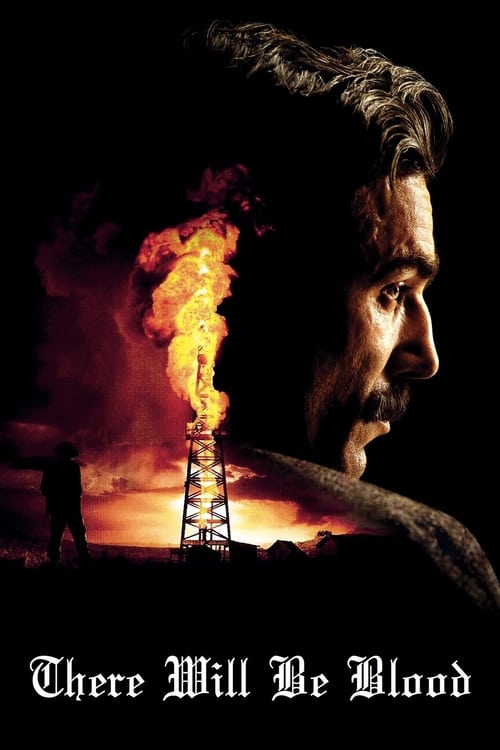
The first fifteen minutes of There Will Be Blood contain no spoken dialogue, yet they tell you everything you need to know about the next two and a half hours. We watch a man alone in a hole, hacking at the earth for silver. He falls, breaks his leg, and crawls across a desert to claim his stake. He doesn't scream; he just grunts and keeps moving. This is Daniel Plainview, and he is a man who would likely eat his own heart if he thought there was a mineral deposit underneath it.
When this film landed in 2007, it felt like a seismic shift. We were in the thick of the "prestige" era of the 2000s—that sweet spot where studios like Paramount Vantage and Miramax were still pouring millions into adult dramas that didn't involve capes or multiverses. It was a legendary year for cinema, seeing No Country for Old Men and The Assassination of Jesse James by the Coward Robert Ford released almost back-to-back. Looking back, Paul Thomas Anderson wasn't just making a period piece about oil; he was capturing the absolute frenzy of the American identity at a time when the world felt particularly unstable.
The Prophet and the Profit
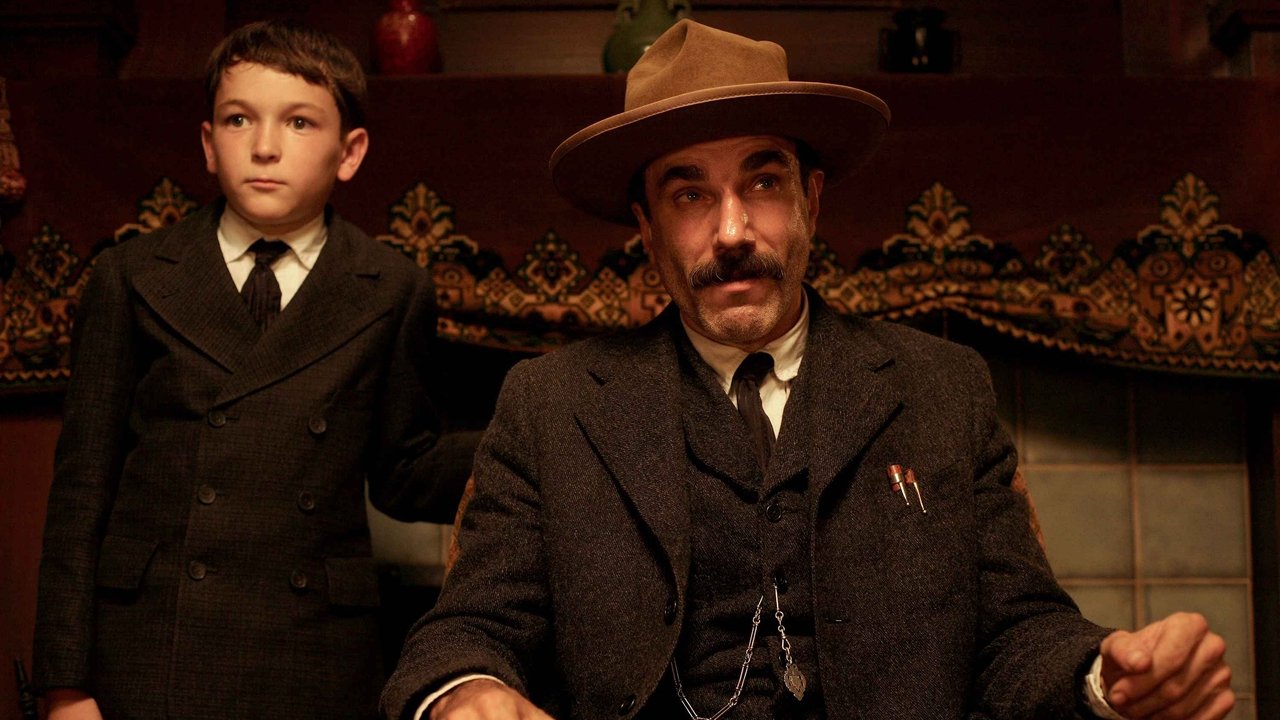
The engine of this film is, of course, Daniel Day-Lewis. His performance as Plainview is so massive it practically has its own zip code. He adopted a voice inspired by John Huston, a low, gravelly drawl that sounds like a shovel scraping against a rock. It’s a performance that could have easily slid into caricature, but Day-Lewis keeps it grounded in a very specific, terrifying kind of misanthropy. I’ve always felt that Eli Sunday is the most punchable character in 21st-century cinema, and that’s a credit to Paul Dano.
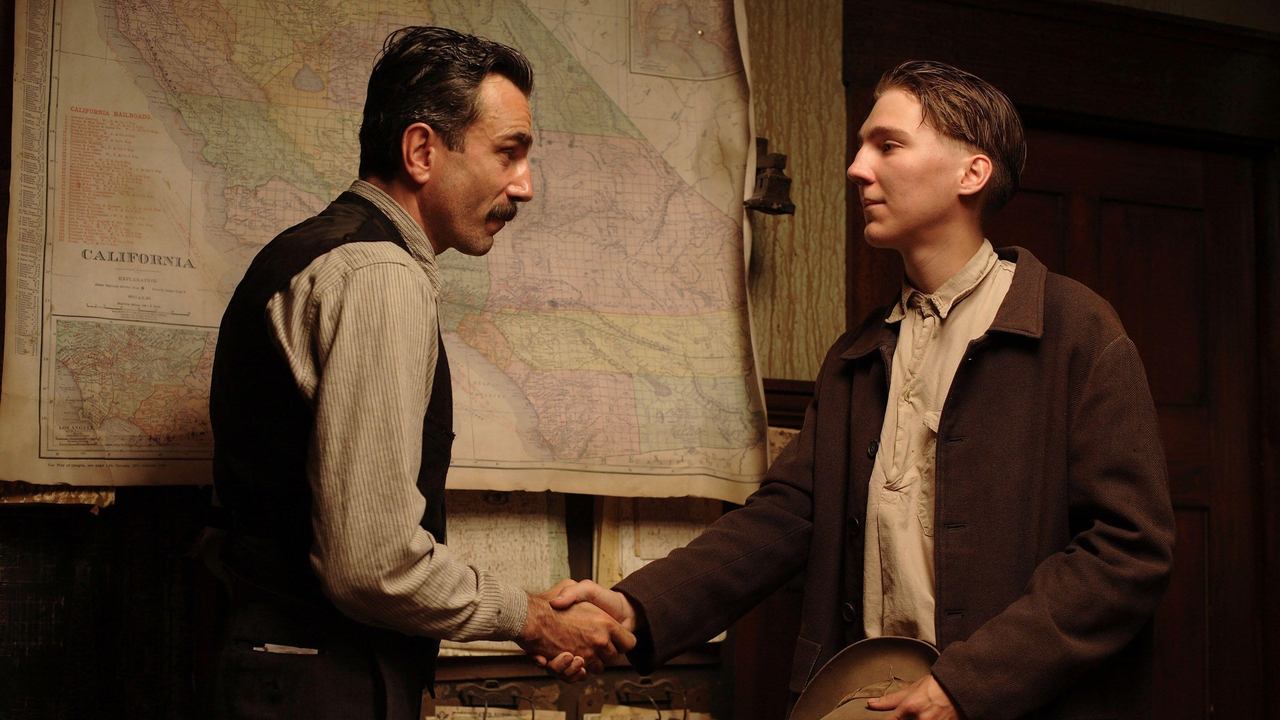
Paul Dano had the impossible task of standing up to a titan, playing the dual roles of Paul and Eli Sunday. As Eli, the local preacher who senses a fellow predator in Plainview, Dano is all high-pitched fervency and desperation. The "cerebral" part of the film isn't found in a textbook; it’s in the friction between these two men. Plainview represents a raw, secular greed, while Eli represents a spiritual one. They are two sides of the same counterfeit coin, both looking to bleed the land and the people dry for their own glory.
One of my favorite bits of trivia involves the "Method" intensity on set. Apparently, Kel O'Neill, the actor originally cast as Eli, left the production early on because he found the experience of working opposite Day-Lewis’s intense characterization too daunting. Paul Dano was brought in to replace him and had about four days to prepare for a role that would define his career. It’s that kind of high-stakes pressure that bleeds through the screen.
An Analog Masterpiece in a Digital Dawn
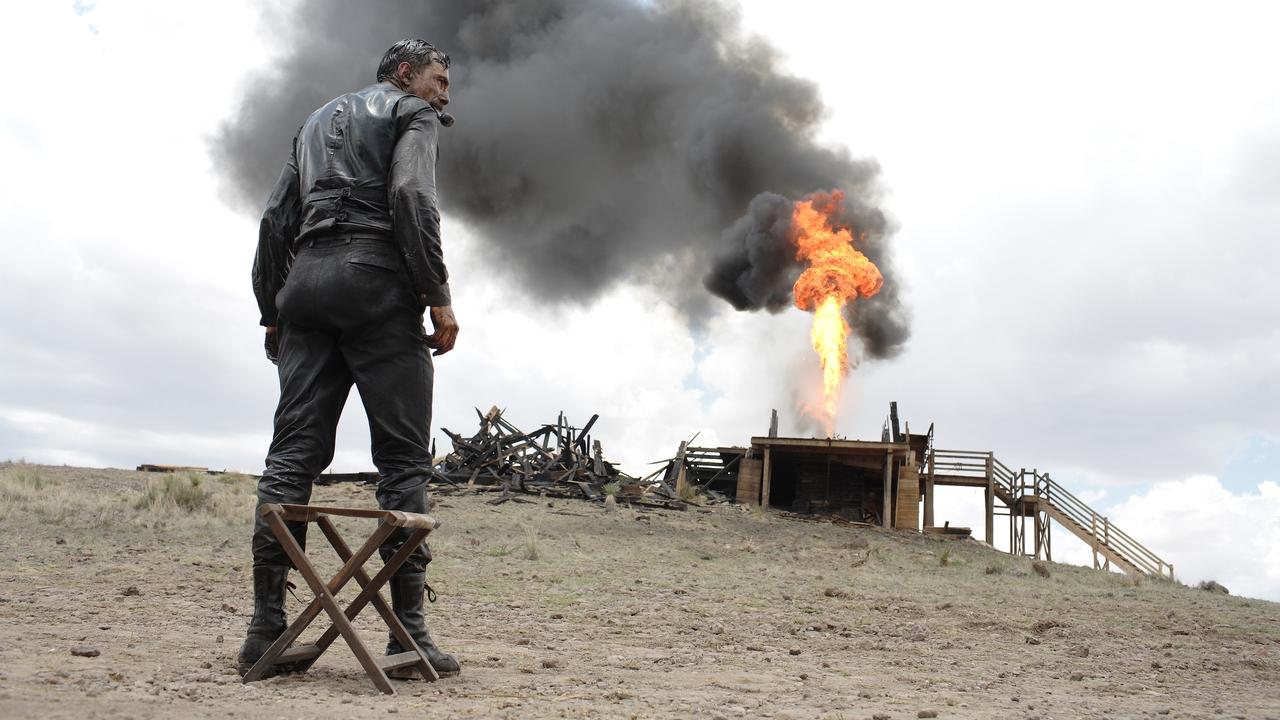
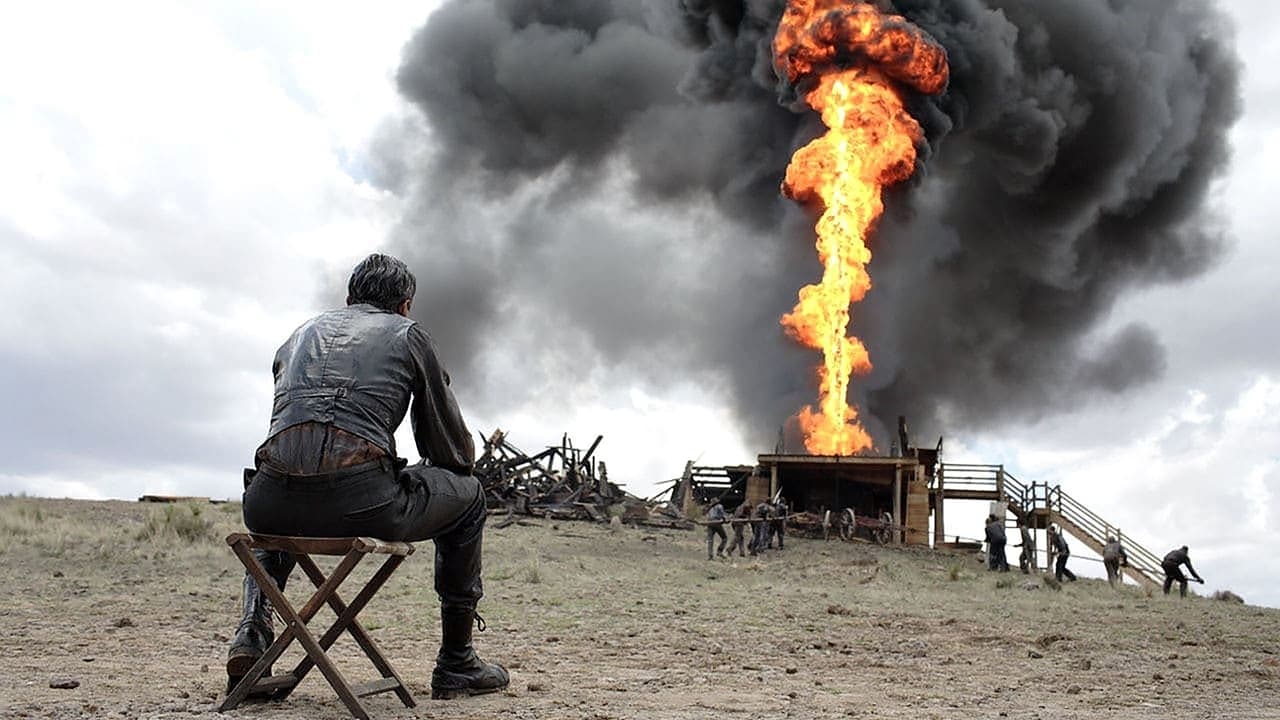
Visually, this movie is a miracle. This was right at the edge of the industry’s pivot to digital, but Paul Thomas Anderson and cinematographer Robert Elswit stayed true to 35mm film. There’s a texture to the image—the dust, the thick black sludge of the oil, the way the fire light dances on the actors' faces—that you just can’t replicate with a sensor. The sequence where the oil derrick explodes is a masterstroke of practical effects. They actually built that thing and set it on fire.
The score by Jonny Greenwood (of Radiohead fame) was equally revolutionary. At the time, we were used to sweeping, orchestral scores for "epic" dramas. Instead, Greenwood gave us dissonant strings and jagged rhythms that sound like a panic attack. It makes the California landscape feel alien and hostile. I remember watching this for the first time on a tiny CRT TV in a cramped college dorm while my roommate was loudly eating a bag of Flamin' Hot Cheetos, and even then, those opening violins made me feel like the floor was falling out from under me.
The Milkshake in the Room
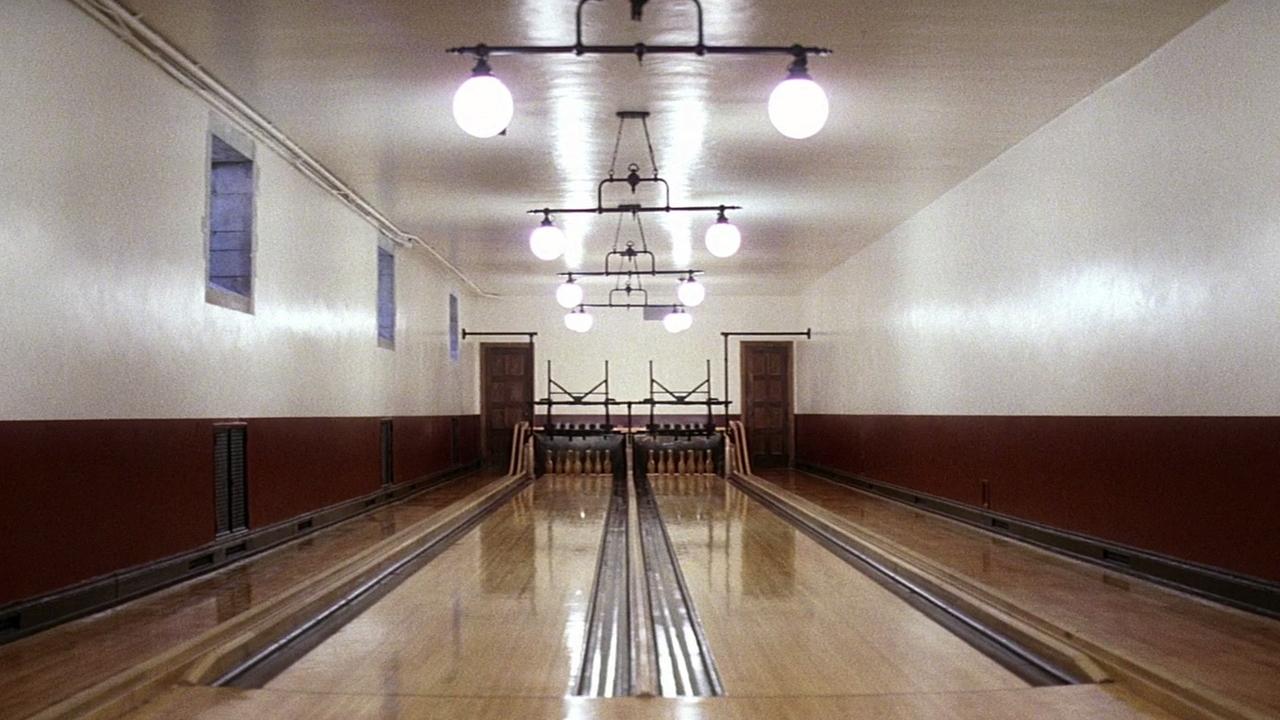
We have to talk about the ending. "I drink your milkshake!" has become a meme, a punchline, a piece of pop-culture shorthand. But in the context of the film, it’s a grotesque, Shakespearean climax. It’s the moment where Plainview’s mask finally disintegrates. He has won. He has all the money, the house, and the "milkshake," but he is utterly alone in a bowling alley, covered in blood and madness.
The film asks a pretty heavy question: What does it cost to "win" in a system that rewards the most ruthless person in the room? Plainview doesn't just want to succeed; he wants everyone else to fail. Looking back from the 2020s, that sentiment feels less like historical fiction and more like a nightly news broadcast. The film hasn't aged a day because the human impulses it depicts—greed, envy, and the desperate need for validation—are evergreen.
There Will Be Blood is one of those rare films that justifies every second of its runtime. It’s a heavy, demanding, and often darkly funny look at the foundations of the modern world. Whether you’re there for the technical brilliance of Robert Elswit's camera work or just to see Daniel Day-Lewis chew the scenery until there’s nothing left, it’s a cinematic meal that stays with you long after the credits roll. If you haven't seen it since 2007, it's time to revisit the oil fields. Just bring your own straw.
Keep Exploring...
-
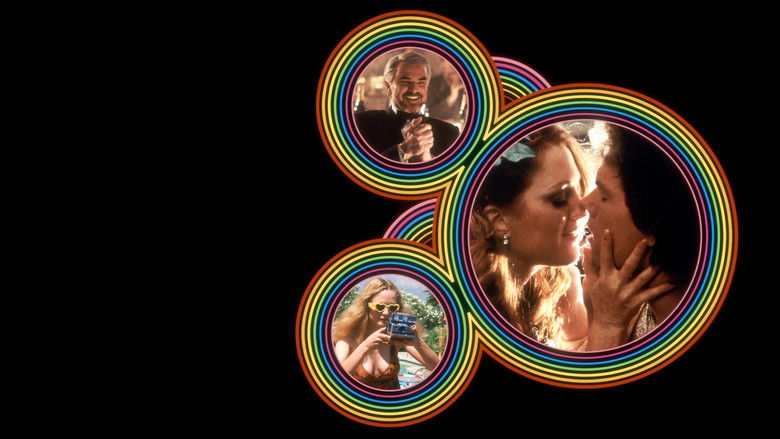
Boogie Nights
1997
-
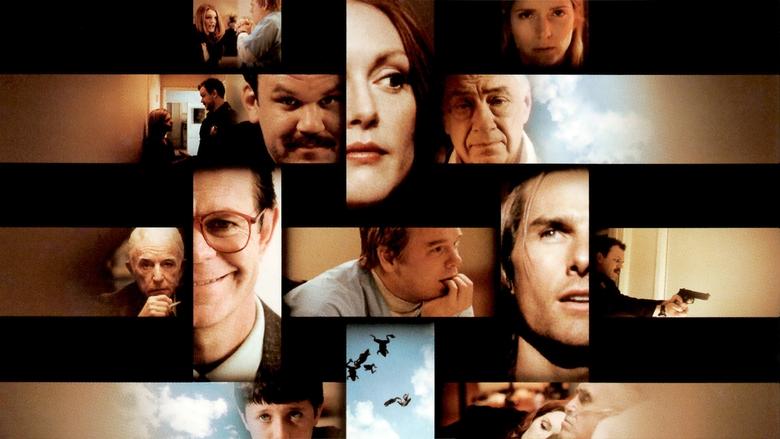
Magnolia
1999
-
The Master
2012
-
Punch-Drunk Love
2002
-
Into the Wild
2007
-

Flipped
2010
-
The Help
2011
-

Warrior
2011
-

Pride & Prejudice
2005
-

Hachi: A Dog's Tale
2009
-

Mr. Nobody
2009
-

Phantom Thread
2017
-

Little Miss Sunshine
2006
-
Scent of a Woman
1992
-
Dallas Buyers Club
2013
-
Inherent Vice
2014
-

In the Name of the Father
1993
-

Before Sunset
2004
-
The Hunt
2012
-
Dances with Wolves
1990