Timecrimes
"One hour back. A lifetime of mistakes."
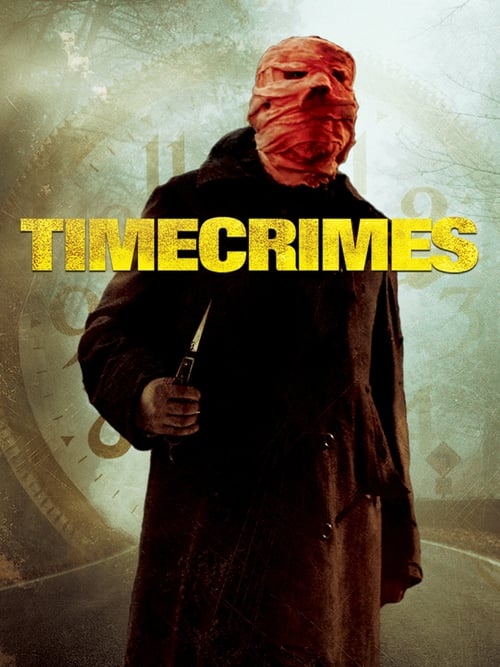
There is a specific, itchy kind of dread that comes from watching a man make the same mistake twice, knowing full well he’s about to do it. It’s even worse when that man is you. When I first sat down to watch Nacho Vigalondo’s Timecrimes (or Los Cronocrímenes), I was sitting in a cramped dorm room with a bag of slightly stale Nacho Cheese Doritos. Every time I crunched, I felt like I was missing a subtle audio cue, forcing me to rewind—a meta-experience that felt entirely too appropriate for a film that treats time like a tangled ball of yarn.
Timecrimes doesn't start with a sleek laboratory or a DeLorean. It starts with a middle-aged guy named Héctor (Karra Elejalde) sitting in a lawn chair with a pair of binoculars. He’s just moved into a new house in the country with his wife, Clara (Candela Fernández). He’s the ultimate "everyman"—a bit soft around the middle, unremarkable, and unfortunately curious. When he spots a beautiful woman (Bárbara Goenaga) undressing in the woods, his voyeuristic impulse kicks off a chain reaction of absolute misery.
The Horror of the Closed Loop
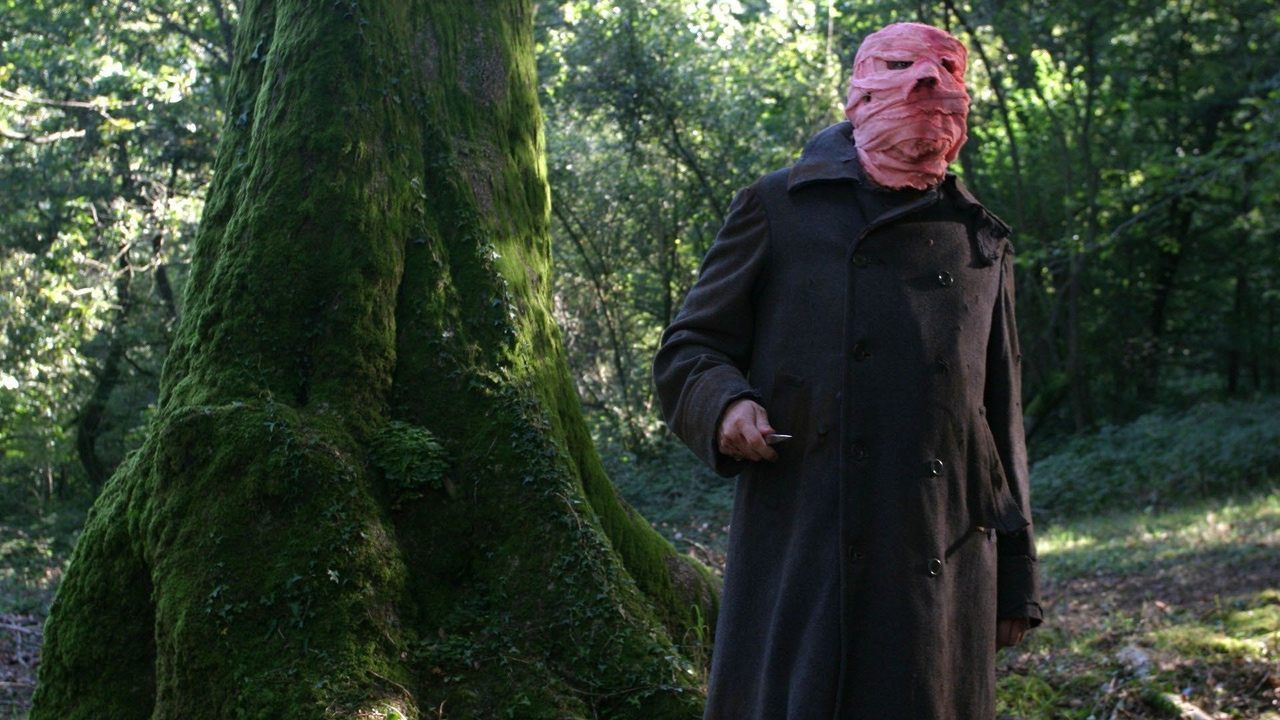
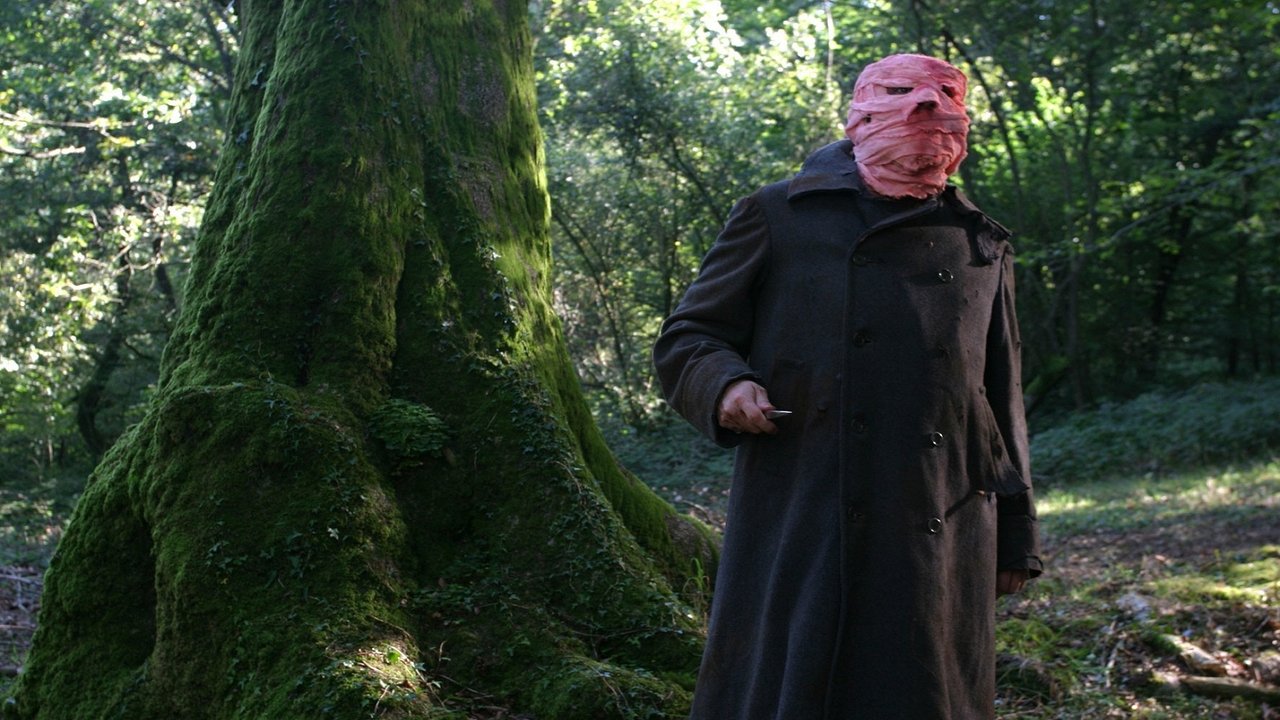
Most time-travel movies are about the thrill of "what if." What if we killed Hitler? What if I married my high school sweetheart? Timecrimes is about the suffocating reality of "what is." After being attacked by a mysterious man with his head wrapped in pink bandages, Héctor stumbles into a research facility and hides in a strange, fluid-filled vat. He emerges an hour in the past.
What follows is a masterclass in narrative economy. Nacho Vigalondo—who also wrote the script and plays the scientist, "The Young Man"—doesn't have the budget for sprawling paradoxes. Instead, he focuses on the internal logic of a closed loop. In this world, you can’t change the past; you can only fulfill it. Héctor is the most spectacularly incompetent time traveler in cinematic history, and watching him try to "fix" things only to realize he’s the architect of his own nightmare is deeply unsettling.
The film captures that specific 2007 indie energy: it’s shot on what feels like a shoestring, but the limitations force a kind of ruthless creativity. There are only about four characters and two main locations, yet it feels more expansive and intellectually taxing than any $200 million blockbuster of that era. It’s a puzzle box that actually fits together, provided you're willing to watch a man lose his soul one hour at a time.
DIY Brilliance and Pink Bandages
Looking back at the mid-2000s, we were in a golden age of "DVD word-of-mouth." This was the era of Primer and Memento, where film nerds would trade titles like secret handshakes. Timecrimes was a staple of that culture. It’s a film that demands a second viewing the moment the credits roll, mostly so you can track the geography of the characters.
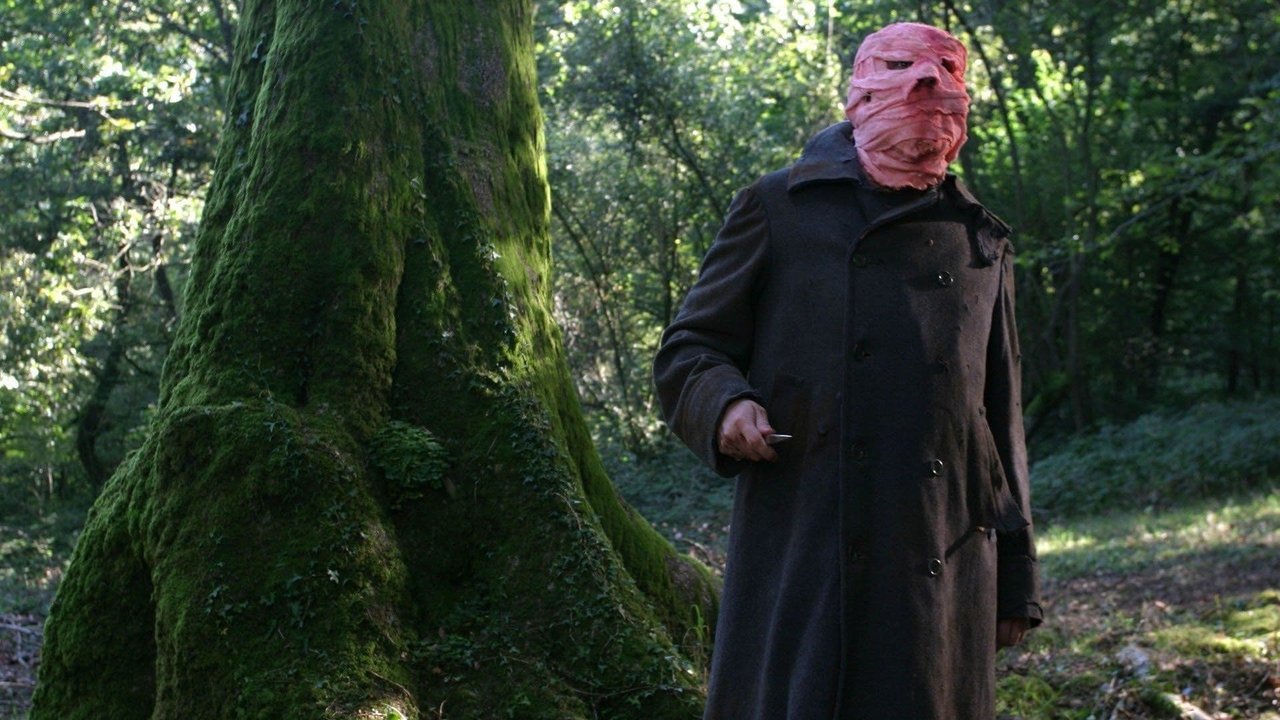
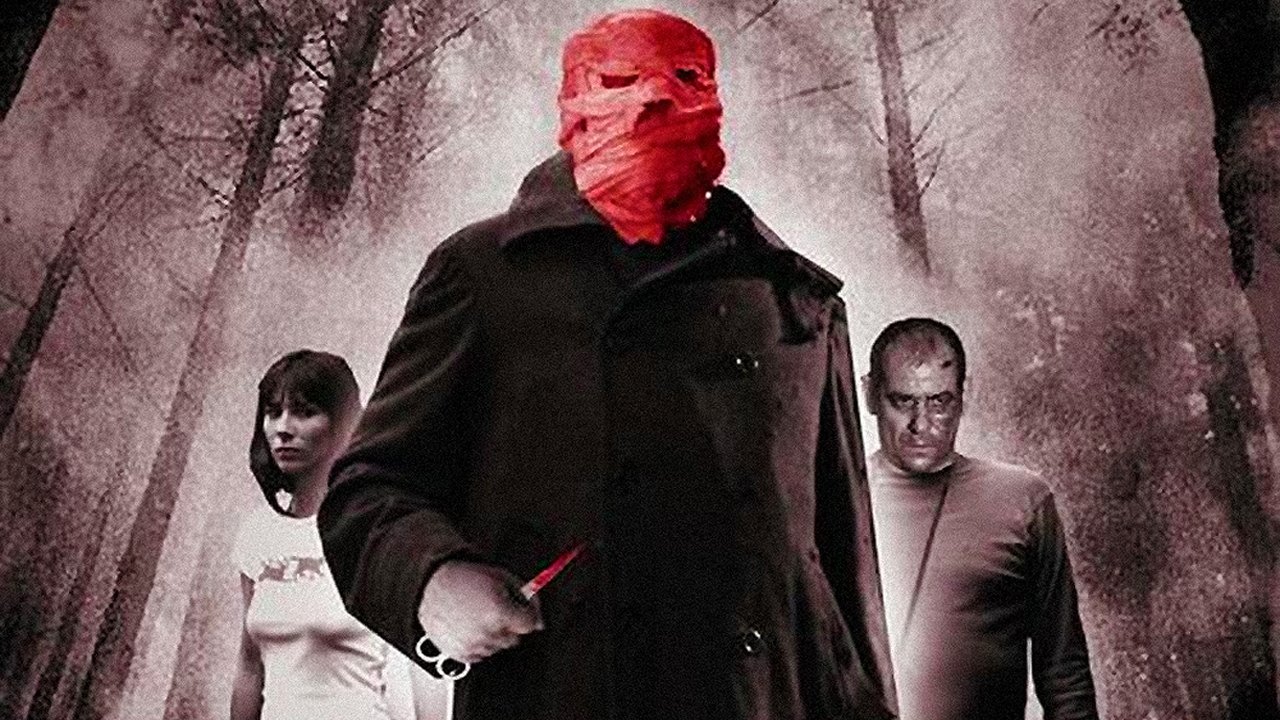
The production design is a testament to indie hustle. The iconic "villain" look—the pink head bandages and the dirty trench coat—wasn't the result of a high-end costume department. It was a practical solution that ended up being terrifyingly effective. Karra Elejalde carries the film with a performance that is almost entirely physical. He spends half the movie breathing heavily, bleeding, or looking at himself with a mixture of pity and loathing. He isn't a hero; he's a guy trying to survive a situation that his own ego created.
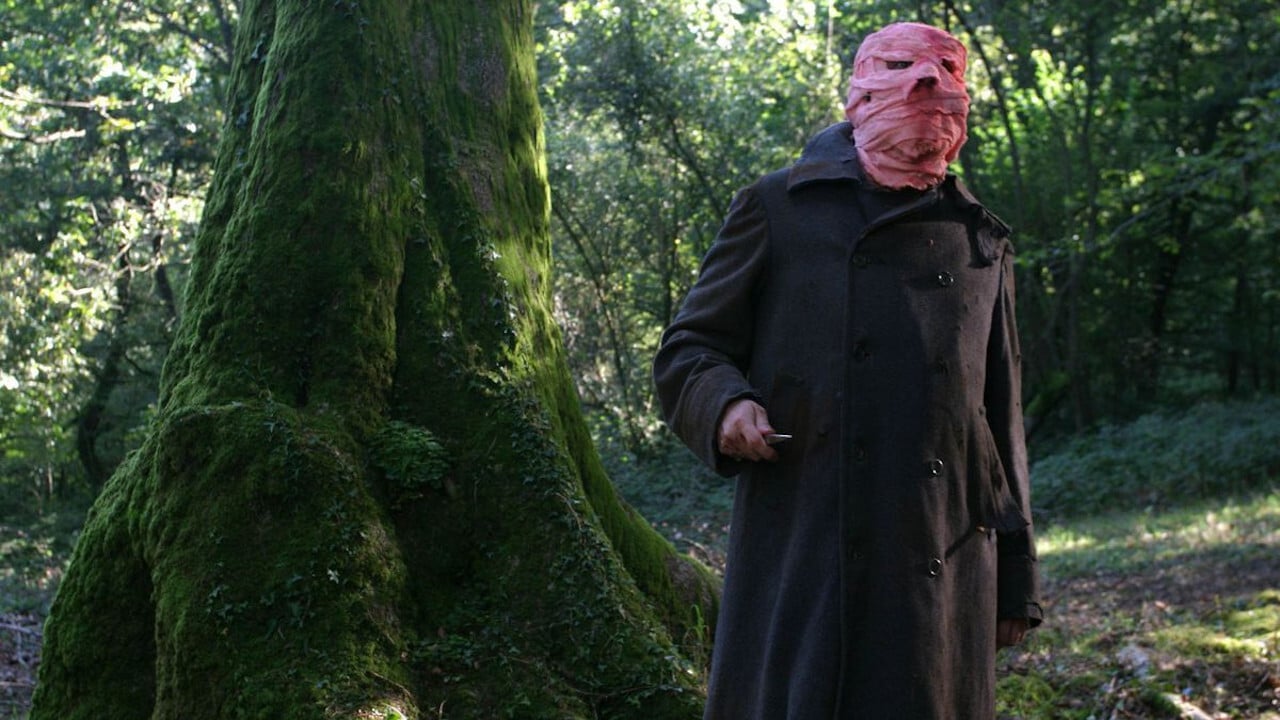
The cinematography by Flavio Martínez Labiano avoids the flashy "digital" look that plagued many early-2000s indies. Instead, it’s muted and earthy, making the sudden appearance of a man with a neon-pink face feel like a glitch in reality. It’s gritty in a way that feels intentional, mirroring Héctor’s descending moral compass. Vigalondo’s direction is so precise that the movie feels like a trap closing shut.
A Modern Relic of High-Concept Indie
As we drift further into the era of bloated streaming "content," Timecrimes stands as a reminder of what a singular vision can do with $2.6 million and a clever idea. It captures that post-9/11 anxiety where the world feels unpredictable and your own actions have terrifying, unforeseen consequences. It doesn't offer the comfort of a "fixed" timeline. By the time we reach the final, hauntingly quiet shot, the science fiction has stripped away, leaving only a devastating domestic tragedy.
I appreciate that Vigalondo didn't try to over-explain the tech. There’s no "flux capacitor" speech. The machine is just a tool, and like any tool in the hands of someone who doesn't know how to use it, it causes damage. It’s a dark, intense ride that manages to be both a brain-teaser and a visceral thriller. If you haven't seen it, find the quietest room you can, put away the snacks, and pay attention. The loop is waiting.
Timecrimes remains one of the tightest, meanest sci-fi scripts ever put to film. It bypasses the usual genre tropes to focus on the terrifying inevitability of human error. It’s a grim reminder that sometimes, the person standing in the way of your happiness is just a past version of yourself with a pair of scissors and a bad plan. This is essential viewing for anyone who thinks they’re smart enough to outrun their own mistakes.
Keep Exploring...
-
Open Your Eyes
1997
-
Coherence
2014
-

Paprika
2006
-
The Orphanage
2007
-
The Secret in Their Eyes
2009
-
Primer
2004
-
Monsters
2010
-

28 Days Later
2002
-
Equilibrium
2002
-
Minority Report
2002
-

The Matrix Reloaded
2003
-
The Butterfly Effect
2004
-

Serenity
2005
-
Children of Men
2006
-

V for Vendetta
2006
-
I Am Legend
2007
-
Limitless
2011
-

Rise of the Planet of the Apes
2011
-
Source Code
2011
-

The Hunger Games
2012