Vacancy
"Smile for the camera. You’re the next victim."
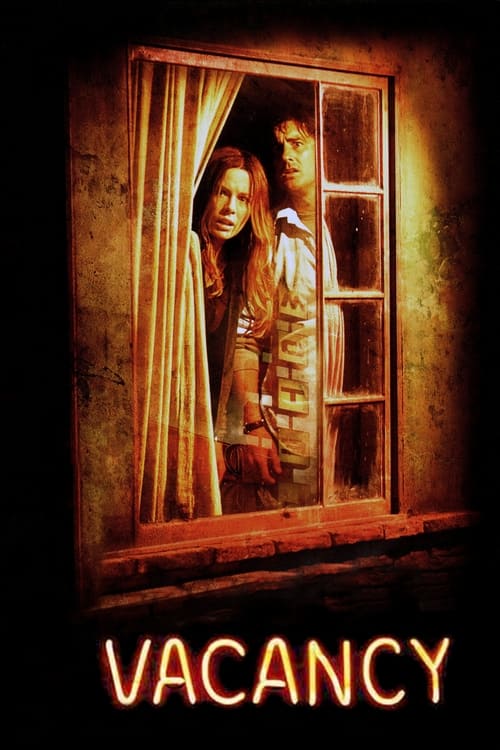
The mid-2000s were a strange, sweaty time for horror. We were deep in the "torture porn" trenches, a subgenre defined by industrial basements, rusty surgical tools, and a seemingly endless supply of green-tinted cinematography. But tucked between the heavy-hitters like Saw and Hostel was a lean, 85-minute exercise in pure, high-concept dread that didn't need a Rube Goldberg machine to make your skin crawl.
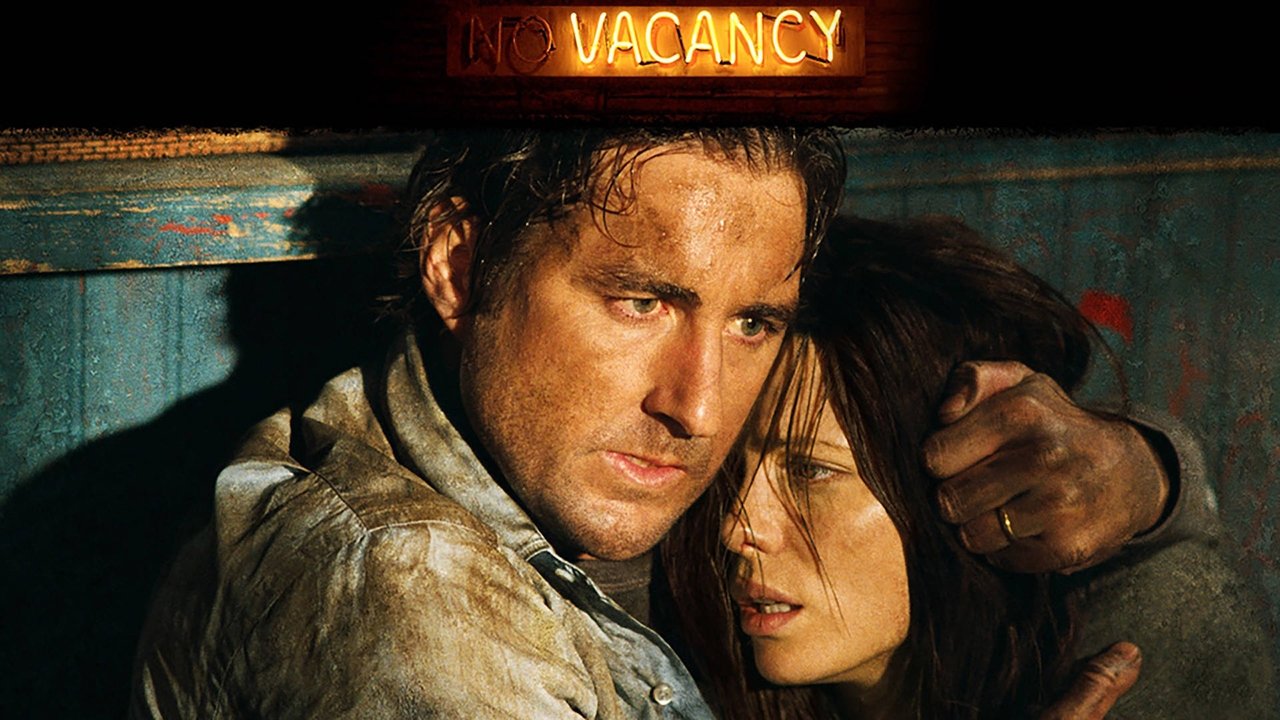
I recently revisited Vacancy on a Tuesday night while eating a bag of stale, generic-brand Cheetos that turned my fingers a neon orange—a viewing experience that felt oddly appropriate for a film set in a motel that probably hasn't seen a health inspector since the Reagan administration. It’s a movie that understands a fundamental truth of the genre: there is nothing scarier than being stuck in a room where you aren't the one in control of the locks.
A Hitchcockian Heart in a Slasher Body
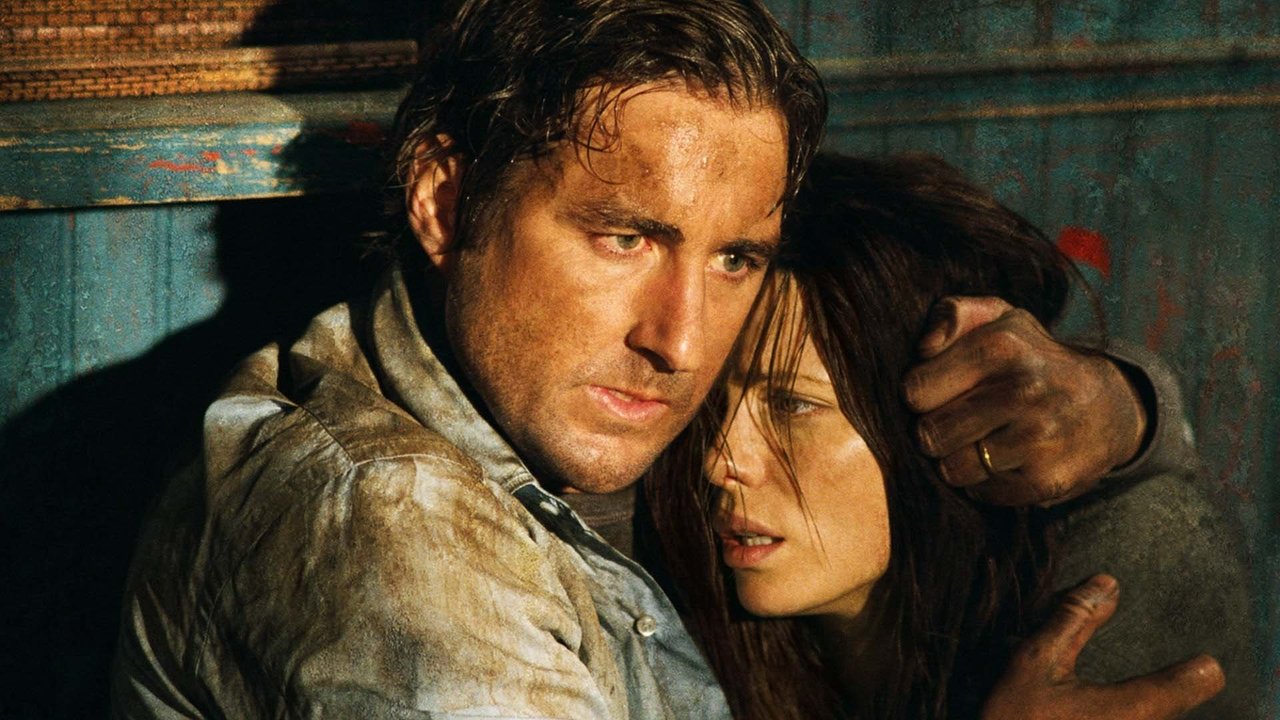
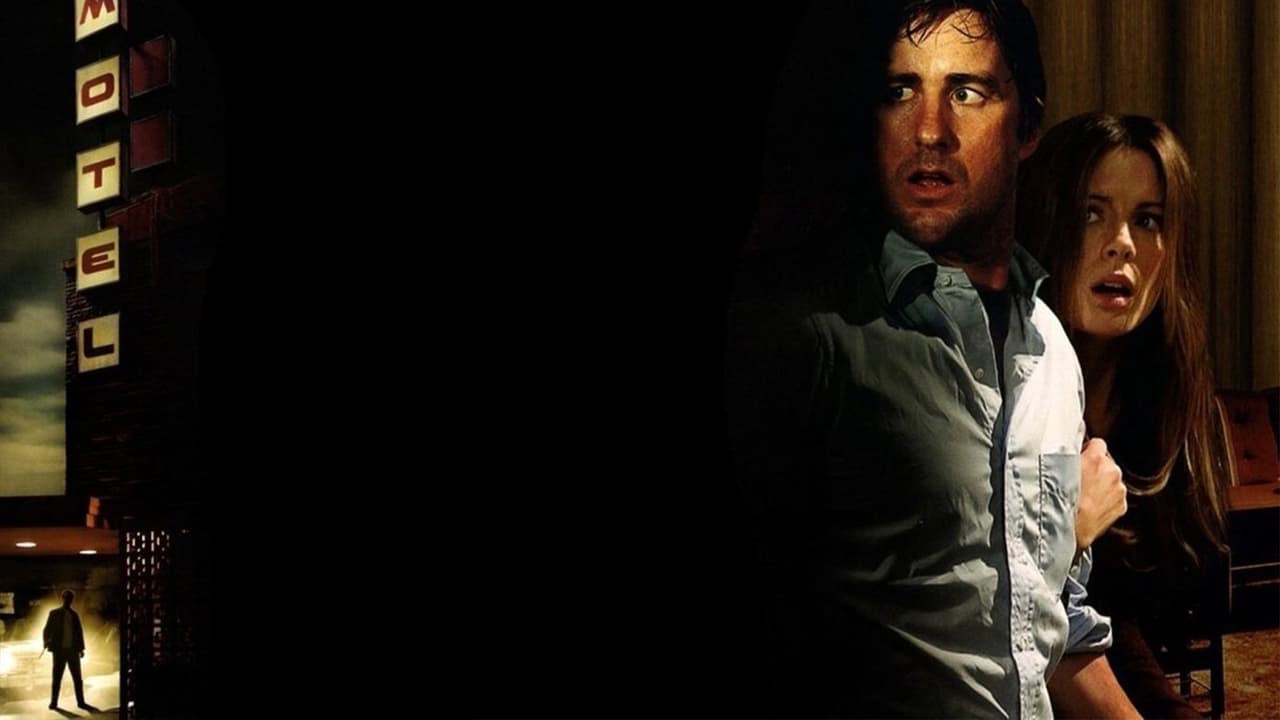
The setup is classic "wrong turn" territory. David (Luke Wilson) and Amy Fox (Kate Beckinsale) are a married couple on the verge of divorce, driving through the middle of nowhere after a family tragedy. Their car breaks down—thanks to a helpful local "mechanic" played by Ethan Embry—and they find themselves checking into the Pinewood Motel.
What makes Vacancy feel like a relic of a transitional era is how it treats its technology. This was 2007; GPS was still a luxury, and "snuff films" were the ultimate urban legend of the analog age. When David pops a VHS tape into the player in their room, he doesn't see a movie—he sees the very room they are sitting in, and the people who stayed there before them being slaughtered. It’s a brilliant realization of the "Modern Cinema" transition. It uses the grainy, tactile nastiness of 90s-era video to haunt a couple caught in the digital dawn. Director Nimród Antal builds the tension not through gore, but through the realization that the entire room is essentially a stage for a snuff-film director with a very aggressive distribution plan.
Casting Against Type
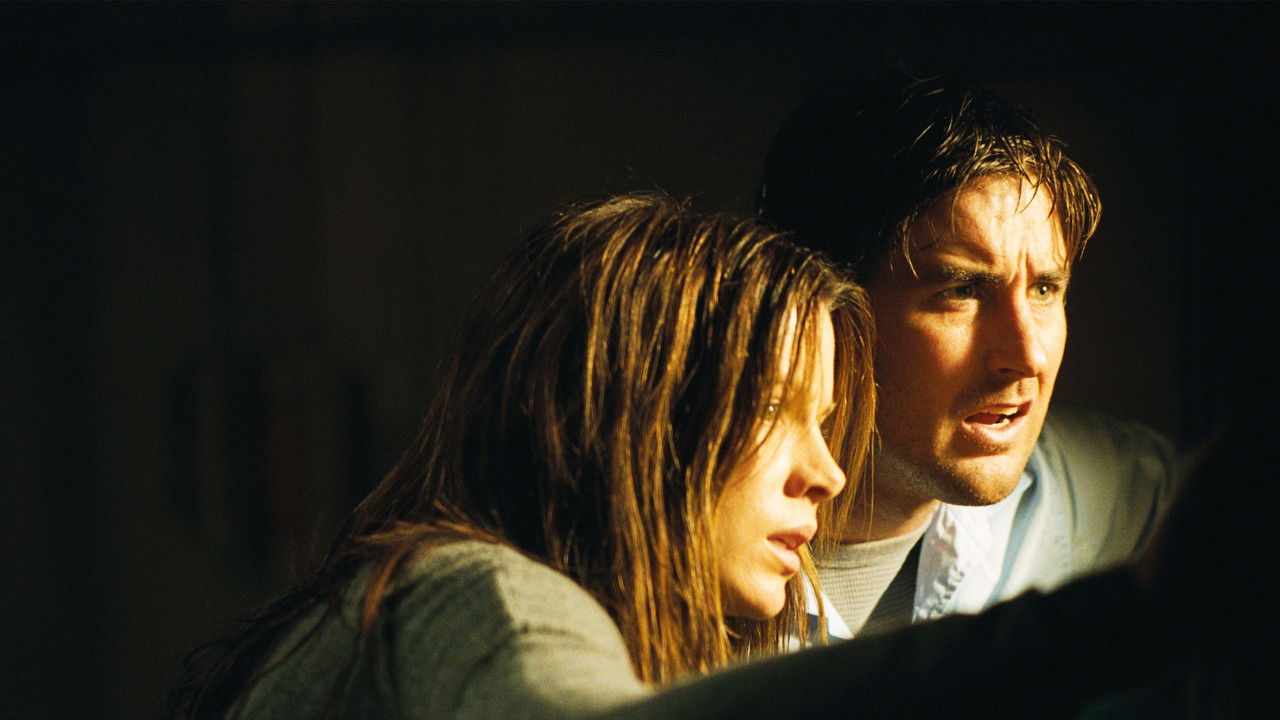
At the time, the casting felt like a gamble. Luke Wilson was the quintessential "mellow guy" from Wes Anderson movies, and Kate Beckinsale was mostly known for her tight leather suits in the Underworld franchise. Seeing them play a bickering, grieving, and deeply exhausted couple adds a layer of grounded reality that most horror movies of this era lacked. They don't feel like "final girls" or "jock protagonists"; they feel like people who are really, really annoyed with each other until they are forced to be terrified together.
The real standout, however, is Frank Whaley as Mason, the motel manager. He plays the role with a twitchy, sycophantic politeness that is instantly repellent. He’s the kind of guy who calls you "sir" while clearly imagining how your head would look on a television screen. The film relies heavily on his performance to sell the banality of evil—the idea that the person murdering you isn't a supernatural entity, but a guy who just wants to make a "good" product for his creepy clientele.
The Art of the Bang
In terms of horror mechanics, Vacancy is a masterclass in spatial storytelling. The motel room is small, and Nimród Antal makes it feel like it’s shrinking. The sound design is particularly cruel. There is a recurring motif of the killers banging on the thin walls of the motel from the outside—a rhythmic, deafening thud that reminded me of my old apartment neighbors, but with significantly higher stakes. It’s a simple trick, but it maintains a level of adrenaline that doesn't let up for the entire second act.
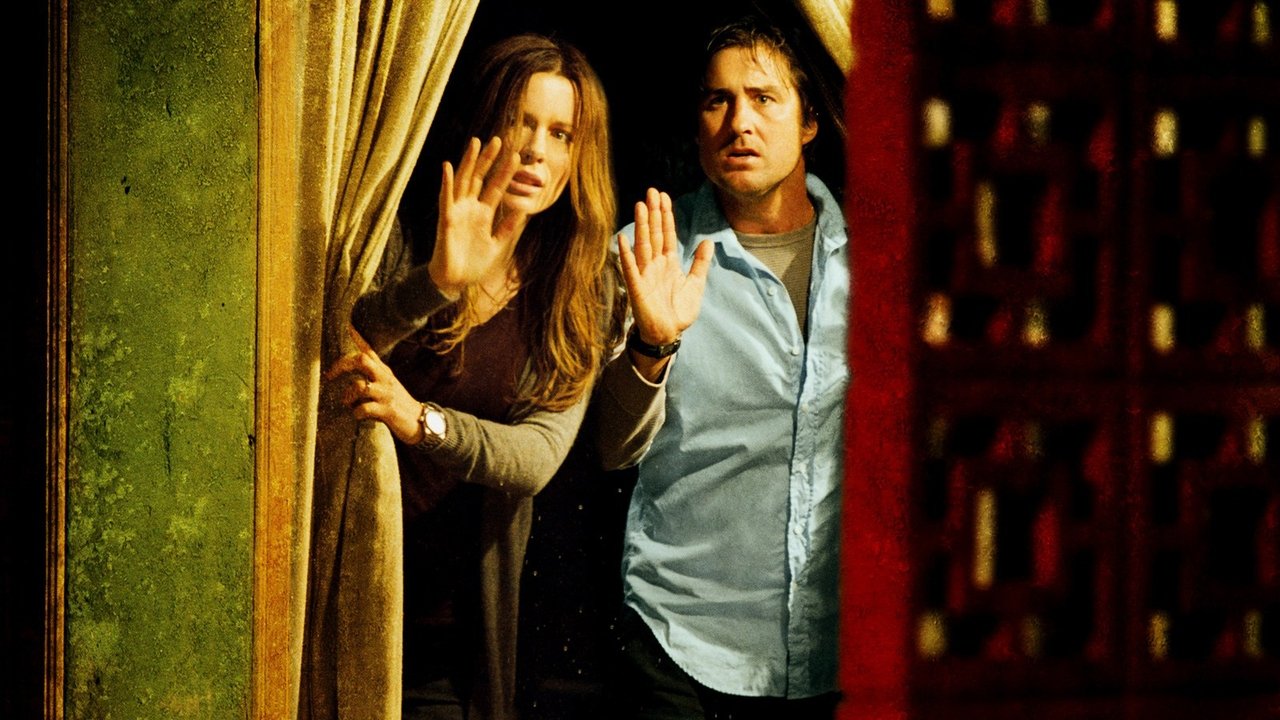
The film does occasionally stumble into the tropes it tries to subvert. There are moments where the killers behave with the kind of omniscient timing that only exists in screenplays, and the ending feels a bit rushed compared to the agonizingly slow build of the first half-hour. But in an era where horror was obsessed with "how much can we show?", Vacancy was more interested in "how long can we make them wait?" It’s a lean, mean, 85-minute sprint that understands that a ringing telephone in an empty hallway is scarier than a thousand chainsaws.
Looking back, it’s a shame Vacancy didn't leave a larger footprint. It was overshadowed by the more extreme films of its day, yet it holds up remarkably well because it prioritizes suspense over shock. It’s a reminder of a time when the biggest fear wasn't a data breach or an AI takeover, but simply checking into the wrong room with the wrong person behind the front desk.
Vacancy is the perfect "midnight movie" for people who miss the era of high-concept, mid-budget thrillers. It manages to take a familiar premise and execute it with such precision and claustrophobic intensity that you’ll find yourself double-checking the locks on your own doors. It’s an overlooked gem that proves you don't need a massive budget to create a lasting sense of unease—just a couple of cameras and a very bad feeling about the neighbors.
Keep Exploring...
-
Stonehearst Asylum
2014
-
Eight Legged Freaks
2002
-
Inland Empire
2006
-
The Hitcher
2007
-
Quarantine
2008
-
Untraceable
2008
-
The Descent: Part 2
2009
-
The Haunting in Connecticut
2009
-
The Last House on the Left
2009
-
The Stepfather
2009
-

Predators
2010
-
The Ward
2010
-
Take Shelter
2011
-
House at the End of the Street
2012
-
Maniac
2012
-
Land of the Dead
2005
-
The Grudge 2
2006
-

The Invasion
2007
-
Wrong Turn 2: Dead End
2007
-
Carriers
2009