We Own the Night
"Blood runs thicker than the law."

I watched this movie on a Tuesday night while trying to ignore a particularly aggressive fly that had chosen my left ear as its new permanent residence, and honestly, the fly’s persistence felt strangely appropriate. There is a stubborn, buzzing intensity to James Gray’s We Own the Night that refuses to let you go, even when you think you’ve seen this "good brother/bad brother" routine a thousand times before.
Released in 2007, a year that gave us heavyweights like No Country for Old Men and There Will Be Blood, this film somehow got buried under the debris of "prestige cinema." It’s an oddity: a movie made in the late 2000s that looks and feels like it was unearthed from a time capsule buried in 1974. It’s a crime drama that isn't interested in being "cool" or "edgy" in the way The Departed was. Instead, it’s a sweaty, operatic, and deeply sincere tragedy about the families we choose versus the ones we're born into.
The Phoenix and the Stoic
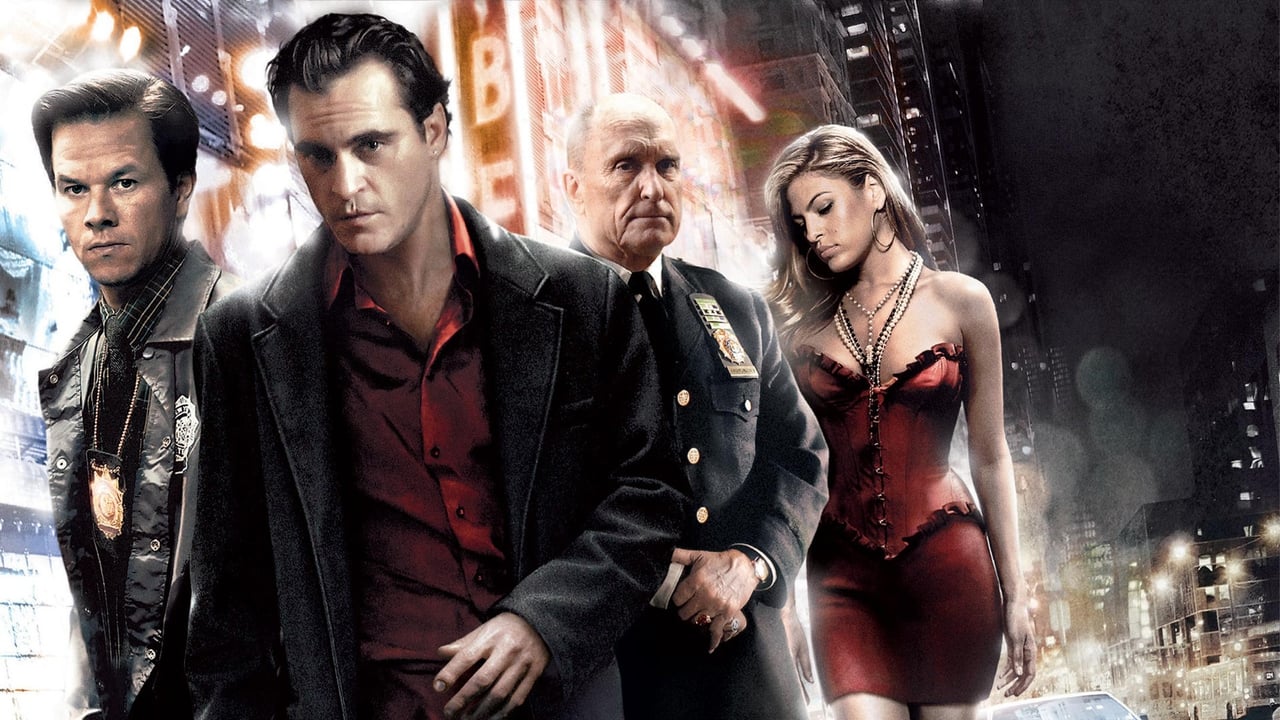
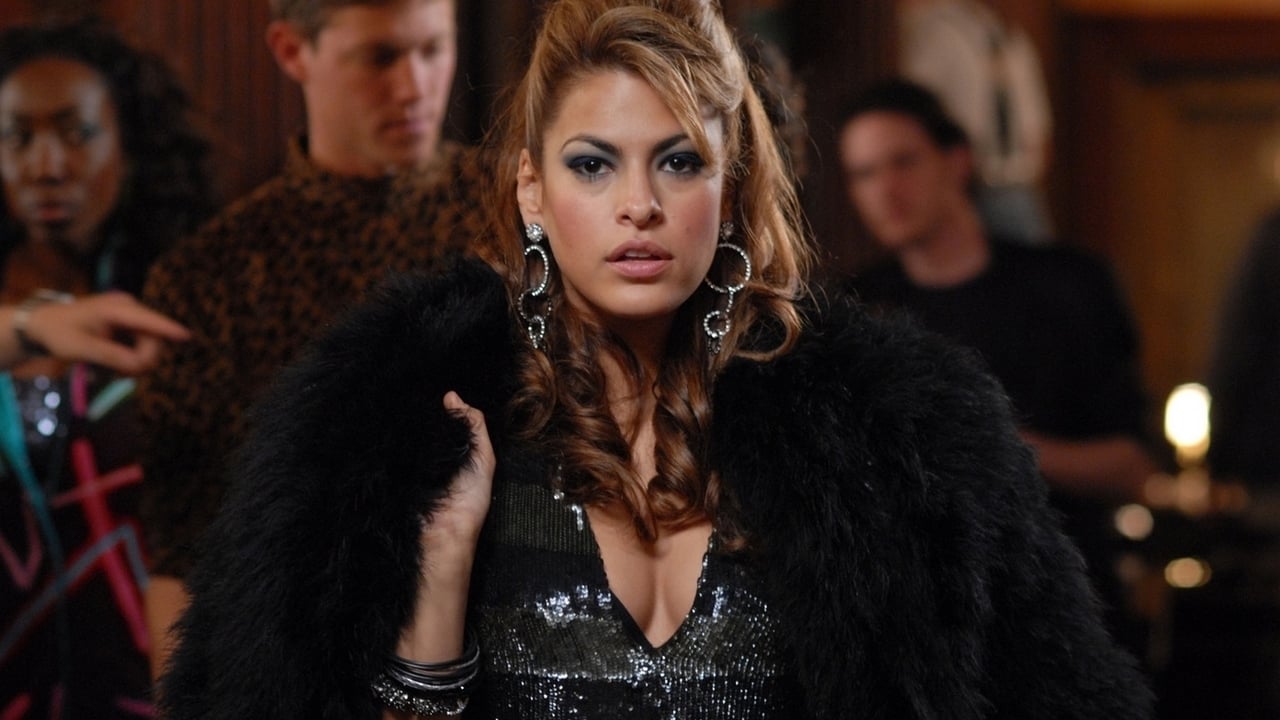
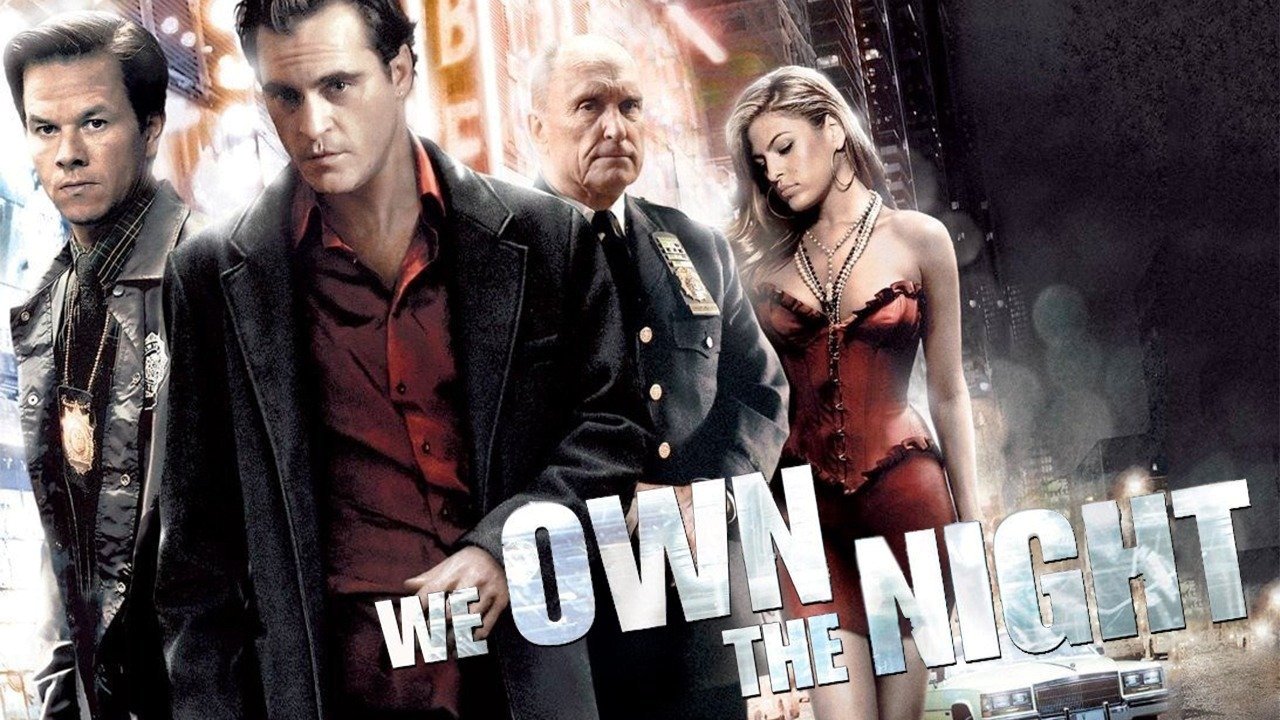
The movie lives or dies on the shoulders of Joaquin Phoenix, and back in 2007, we were just beginning to realize the sheer, unhinged commitment he brings to every frame. He plays Bobby Green, a man who has literally scrubbed his father’s name off his identity to run El Caribe, a neon-soaked Brooklyn nightclub. He’s all gold chains, velvet jackets, and a persistent layer of flop-sweat. He is a man who loves his life, loves his girlfriend (Eva Mendes), and wants absolutely nothing to do with the "police business" of his father and brother.
Opposite him is Mark Wahlberg as Joseph, the "golden boy" brother who has climbed the ranks of the NYPD. Wahlberg plays this with a rigid, almost military stiffness that works perfectly against Phoenix’s loose-cannon energy. While Joseph is the hero on paper, he’s almost a secondary character to the internal war happening inside Bobby. When the Russian mob—represented by a terrifying Alex Veadov—decides to turn their sights on the Grusinsky family, Bobby’s "neutral" life in the club scene evaporates.
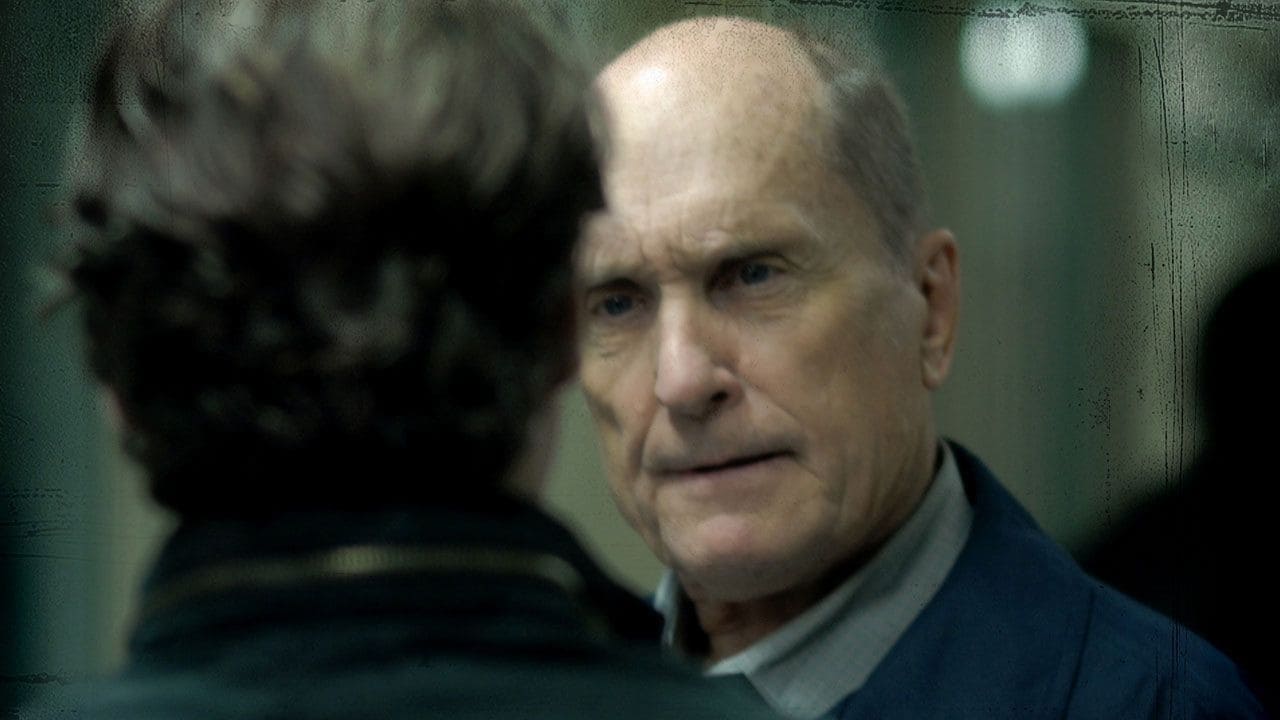
The legendary Robert Duvall anchors the film as the patriarch, Burt. Duvall does that thing where he barely raises his voice but makes you feel like you’re six years old and in big trouble. The chemistry here is real; you believe these three men share a dinner table and a decades-old resentment.
A Masterclass in Restraint
In an era where CGI was starting to turn every action sequence into a video game, James Gray opted for something radical: gravity. There is a car chase in the middle of this film, set during a torrential downpour, that is unquestionably better than any fifteen-minute sequence in the modern Fast & Furious franchise.
There’s no thumping soundtrack, no impossible jumps, and no "hero shots." It’s filmed mostly from inside the car, the windshield wipers struggling to clear the blur of grey rain and muzzle flashes. It feels terrifyingly claustrophobic. You aren't watching a stunt; you're feeling a heart attack in real-time. This is where Gray’s direction shines. He lets the camera linger on faces rather than explosions. He understands that a close-up of Eva Mendes’ terrified eyes tells a better story than a car flipping through the air.
The film's look, captured by cinematographer Joaquín Baca-Asay, is all deep shadows and amber light. It captures that specific 1988 New York grit—the kind where you can almost smell the cigarette smoke and damp pavement through the screen. Looking back, it’s a beautiful bridge between the analog texture of the 20th century and the digital precision that was about to take over Hollywood.
Why Did This Slip Away?
It’s fascinating to look at why We Own the Night didn't become a "Modern Classic" immediately. When it premiered at Cannes, it was actually booed. Critics at the time found the plot a bit "by the numbers." On the surface, they aren't wrong—the beats of the story are Shakespearean in their predictability. You know blood will be spilled, you know loyalties will be tested, and you know there will be a funeral.
But watching it now, that predictability feels like a feature, not a bug. It’s a Greek tragedy set in Brighton Beach. The "unfashionable" sincerity is exactly what makes it hold up so well. It doesn't have the ironic distance of a Tarantino flick or the frantic editing of a Bourne movie. It’s just a solid, heavy story about the cost of wearing a badge.
The behind-the-scenes reality was also a bit of a "clubhouse" affair. Mark Wahlberg produced it, and he and Joaquin Phoenix are famously close friends, which explains why their brotherly friction feels so authentic. They even allegedly stayed in character on set, avoiding each other to keep the tension high. It's the kind of mid-budget, adult-oriented drama that studios basically stopped making five years after this came out.
Ultimately, We Own the Night is a film about the gravity of the past. You can change your name and move to the other side of the bridge, but eventually, the bill comes due. It’s a movie that respects its audience enough to be sad, quiet, and occasionally brutal. If you missed this one during the mid-2000s shuffle, it’s time to head back to El Caribe. Just leave the velvet jacket at home—it’s going to get messy.
Keep Exploring...
-
Two Lovers
2008
-

Out of Time
2003
-
The Immigrant
2013
-
Confessions of a Dangerous Mind
2002
-
Alpha Dog
2006
-
Undisputed II: Last Man Standing
2006
-
United 93
2006
-
Before the Devil Knows You're Dead
2007
-
In the Valley of Elah
2007
-
Michael Clayton
2007
-

Lakeview Terrace
2008
-
Street Kings
2008
-
The Last House on the Left
2009
-
Brooklyn's Finest
2010
-
Takers
2010
-

The American
2010
-
Trust
2010
-

Get the Gringo
2012
-
Killer Joe
2012
-

The Iceman
2012