Zodiac
"Obsession is a slow-acting poison."
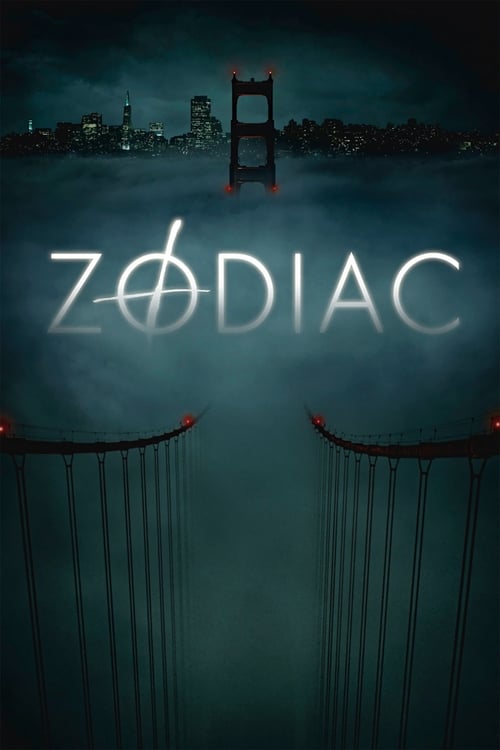
David Fincher didn’t just recreate 1960s San Francisco for Zodiac; he essentially built a digital time machine that smells like stale cigarette smoke and frantic ink-smearing. I watched this again recently on a flight while the guy next to me was struggling with a Sunday crossword puzzle, and I felt a weird, twitchy kinship with the characters on screen. There is something fundamentally human—and deeply unsettling—about the need to fill in the blanks, even when the ink has been dry for forty years.
When it arrived in 2007, Zodiac felt like a bit of an outlier. We were in the thick of the "gritty reboot" era, and audiences perhaps expected another Se7en—a movie full of rain-slicked alleys and stylized depravity. Instead, Fincher gave us a 157-minute procedural about filing cabinets and phone calls. It’s a film where the most dangerous weapon isn’t a knife, but a library card.
The Perfectionist’s Paper Trail
Looking back, Zodiac stands as a pivotal moment in the transition from analog to digital filmmaking. While it looks like a grainy, textured relic of the seventies, it was actually one of the first major features shot on the Viper FilmStream high-definition camera. Fincher used digital tools not to create alien worlds, but to scrub every modern detail from the Bay Area. Every street sign, every storefront, and every period-accurate police report was meticulously placed.
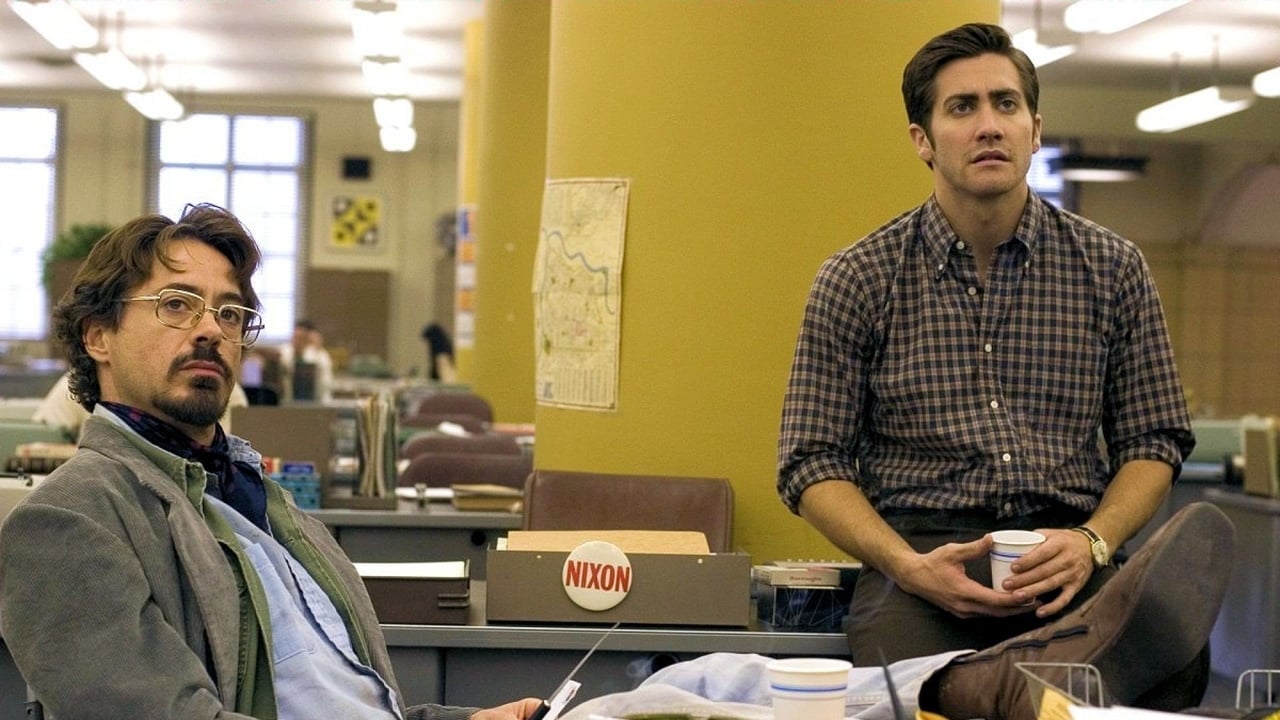
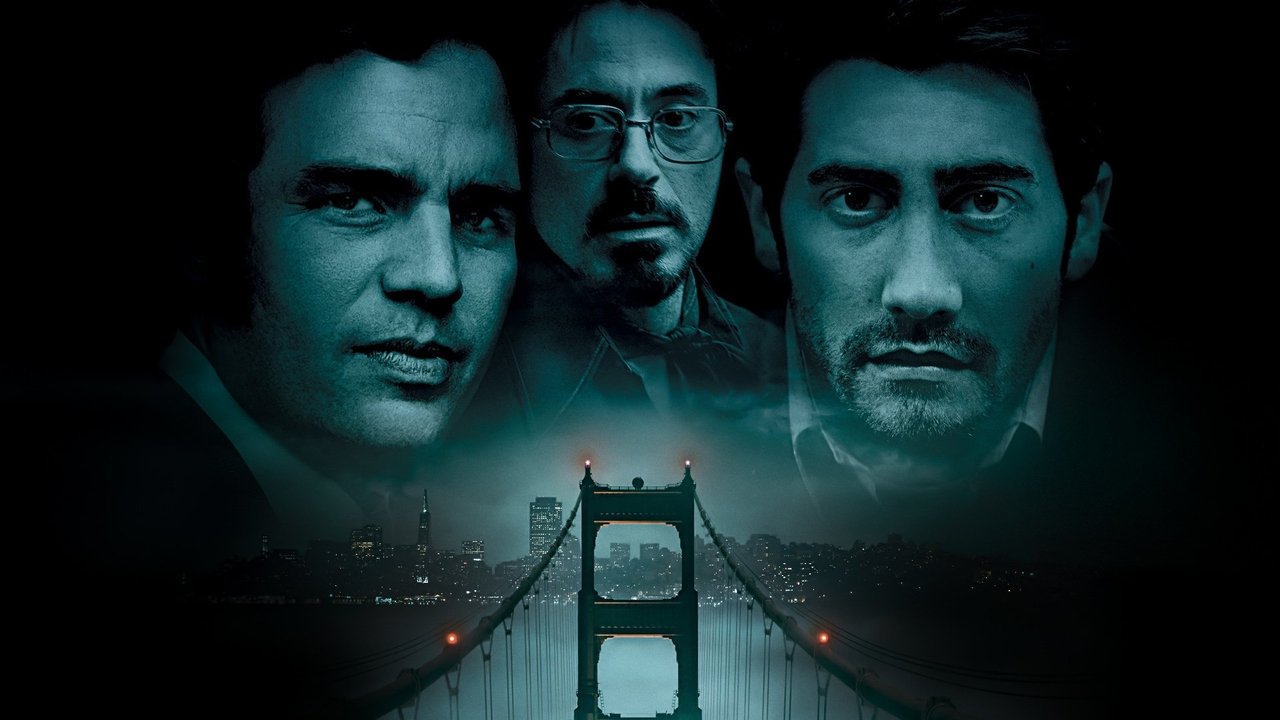
This technical precision mirrors the film’s narrative. We follow Jake Gyllenhaal as Robert Graysmith, a cartoonist who slowly evolves from a curious bystander into a man whose life is being consumed by a ghost. Gyllenhaal is excellent here, playing Robert with a wide-eyed sincerity that makes his eventual descent into the basement of a possible suspect feel all the more terrifying. It’s the kind of performance that reminds me how much he excels at playing characters who are just one bad day away from a total breakdown.
Beside him, we get Robert Downey Jr. as Paul Avery, the hotshot reporter who thinks he’s smarter than the killer until the pressure starts to dissolve him. This was right before Iron Man launched him into the stratosphere, and you can see that electric, self-destructive energy in full bloom. Then there’s Mark Ruffalo as Inspector Dave Toschi, the man who inspired Steve McQueen’s Bullitt but here looks like he just wants a decent sandwich and a night of sleep. Ruffalo brings a weary, slumped-shoulder humanity to the role that anchors the movie’s more cerebral stretches.
Horror in Broad Daylight
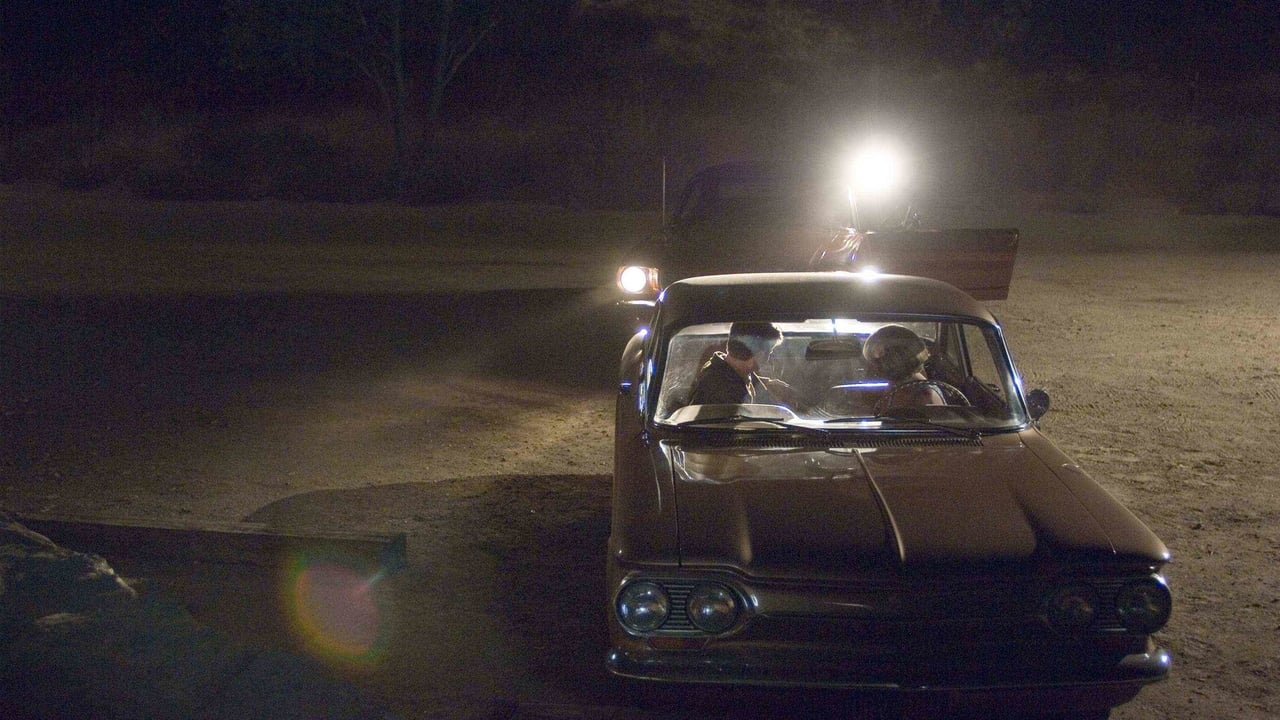
What makes Zodiac a cult classic—and arguably Fincher’s high-water mark—is how it handles violence. There are only a handful of "kill" scenes, but they are staged with a flat, sun-drenched realism that is far more disturbing than any slasher flick. The Lake Berryessa sequence, where the killer wears an executioner’s hood in the middle of a beautiful afternoon, is a masterpiece of sustained dread. There are no jump scares, just the agonizingly slow realization that help isn’t coming.
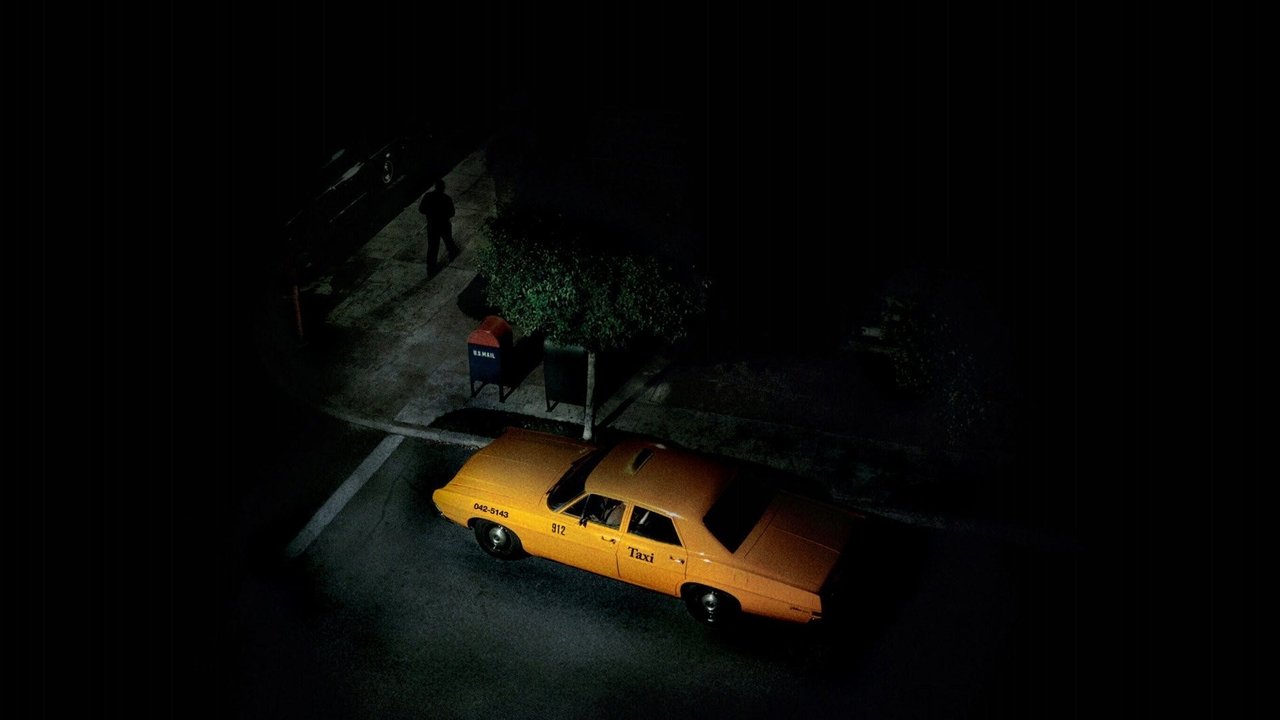
Turns out, that commitment to reality extended behind the scenes, too. Fincher and screenwriter James Vanderbilt (who also wrote The Amazing Spider-Man) spent 18 months conducting their own investigation into the case before the script was even finished. They didn't just read books; they interviewed witnesses and cross-referenced police reports that had been gathering dust for decades. Apparently, the blood in the taxi murder scene was added via CGI because Fincher didn't like the way practical blood looked on camera and hated the time it took to reset the scene between takes. It’s that level of obsessive-compulsive directing that makes every frame feel deliberate.
The DVD Era and the Long Tail
In the mid-2000s, the "Director’s Cut" was the ultimate prize for film nerds, and the Zodiac two-disc special edition DVD was a holy grail. It included a documentary that was almost as long as the movie itself, detailing the actual crimes. This was the era where we didn't just watch a movie; we lived with the supplemental features until we knew the production history as well as the plot.
Zodiac didn't set the box office on fire upon its initial release—it was a bit too long and a bit too unresolved for the mainstream crowds of 2007. But it found its life on home video and through word-of-mouth, eventually becoming the definitive "slow-burn" movie for a generation of cinephiles. It captures that post-9/11 anxiety where the "bad guy" isn't a singular monster you can punch, but a shadow that might be living in the house next door.
The film refuses to give you the catharsis of a DNA-matched arrest or a final showdown. Instead, it leaves you with a chilling sense of "almost." It’s a movie about the cost of searching for the truth in a world that specializes in losing it.
Ultimately, Zodiac is a film that rewards your attention with a cold, hard stare. It’s a brilliant, exhausting, and deeply rewarding look at the way some mysteries don't just stay unsolved—they stay alive, gnawing at the edges of everyone involved. Whether you’re a true crime junkie or just someone who appreciates seeing Mark Ruffalo eat an animal cracker with profound sadness, this is a essential viewing. Just maybe don't watch it right before you go down into your basement.
Keep Exploring...
-
The Girl with the Dragon Tattoo
2011
-
Se7en
1995
-

The Game
1997
-
Kiss Kiss Bang Bang
2005
-
Lucky Number Slevin
2006
-
Eastern Promises
2007
-
End of Watch
2012
-

Gone Girl
2014
-
State of Play
2009
-
Nightcrawler
2014
-
Mystic River
2003
-
Road to Perdition
2002
-

Changeling
2008
-

Law Abiding Citizen
2009
-
Shutter Island
2010
-

Sherlock Holmes: A Game of Shadows
2011
-
Panic Room
2002
-
Infernal Affairs
2002
-
Dogville
2003
-
I'm Not Scared
2003