10,000 BC
"Pyramids, mammoths, and the historical accuracy of a fever dream."
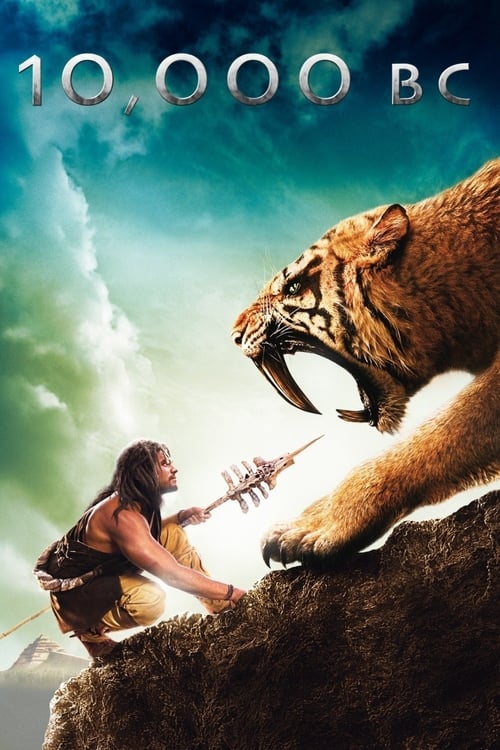
If you walk into a Roland Emmerich movie expecting a peer-reviewed dissertation on the Pleistocene epoch, I have a bridge in Brooklyn to sell you. This is the man who blew up the White House in Independence Day (1996) and froze New York in The Day After Tomorrow (2004). He doesn't do "subtle," and he certainly doesn’t do "historically plausible." When 10,000 BC thundered into theaters in 2008, it arrived at a strange crossroads in cinema. We were just seeing the birth of the MCU and the gritty realism of The Dark Knight, yet here was Emmerich delivering a sweeping, earnest, and honkingly weird prehistoric epic that felt like it was born from a 1950s B-movie and a 2000s tech-demo.
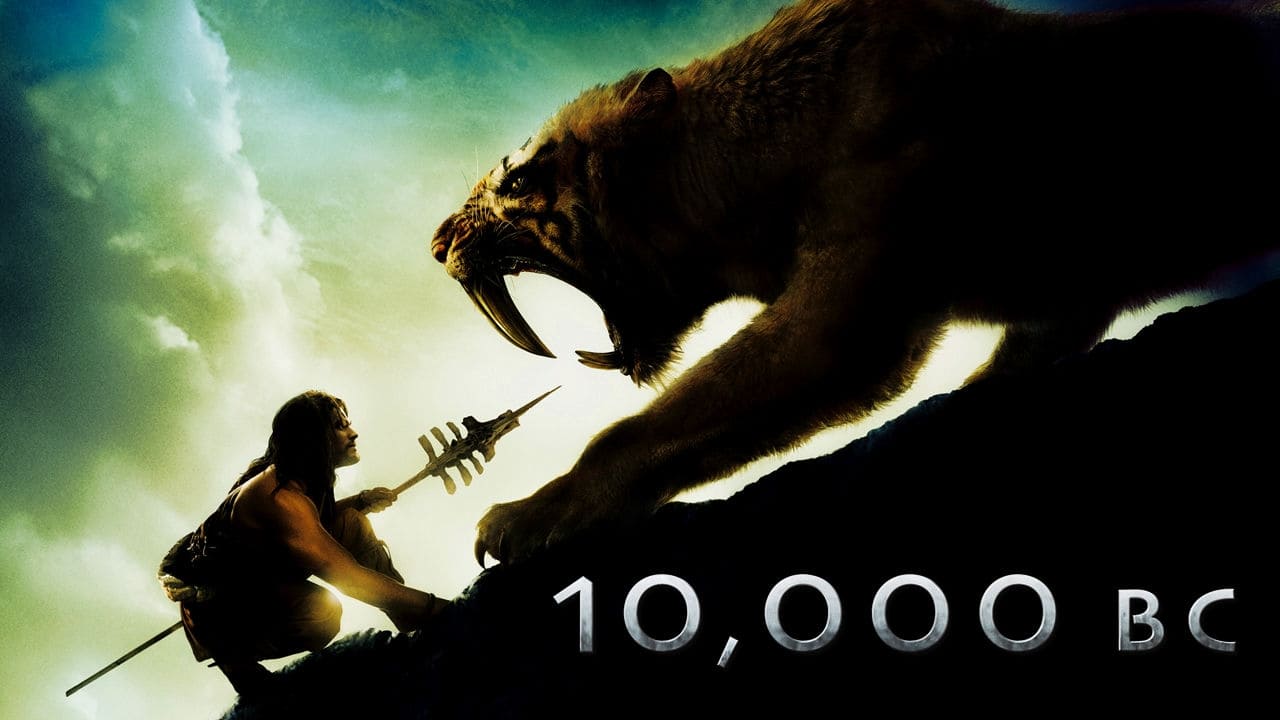
I watched this recently on a Tuesday night while trying to fix a leaky faucet, and I ended up ignoring the plumbing for two hours because I couldn't believe they were actually trying to leash a woolly mammoth. My kitchen floor stayed wet, but my curiosity was thoroughly saturated.
The CGI Menagerie and the Emmerich Spectacle
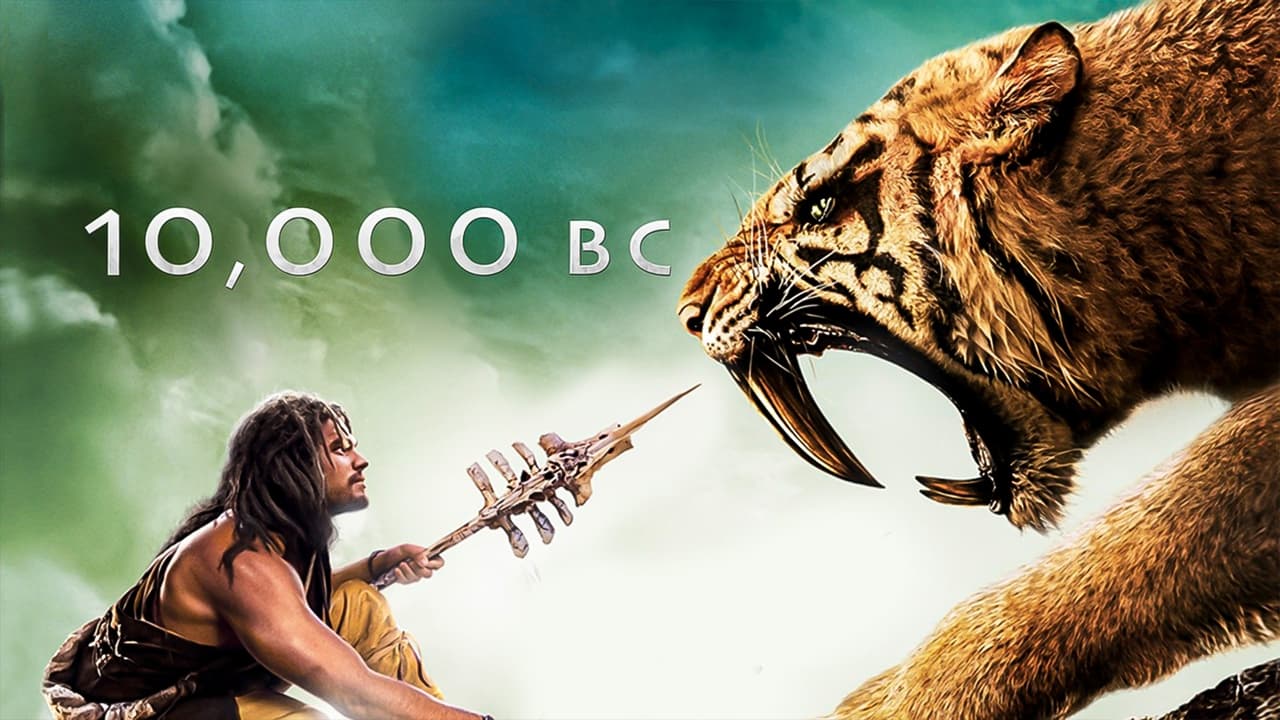
At its heart, 10,000 BC is a hero’s journey stripped down to its most basic, muscular components. Steven Strait plays D’Leh (that’s "Held" backward, which is the kind of screenwriting "Easter egg" that makes me chuckle), a young hunter from a tribe of mammoth-slayers. When "four-legged demons" (raiders on horseback) kidnap his blue-eyed love interest, Evolet (Camilla Belle), D’Leh has to trek across snowy mountains, tropical jungles, and blistering deserts to find a "God" who is building pyramids with the help of enslaved pachyderms.
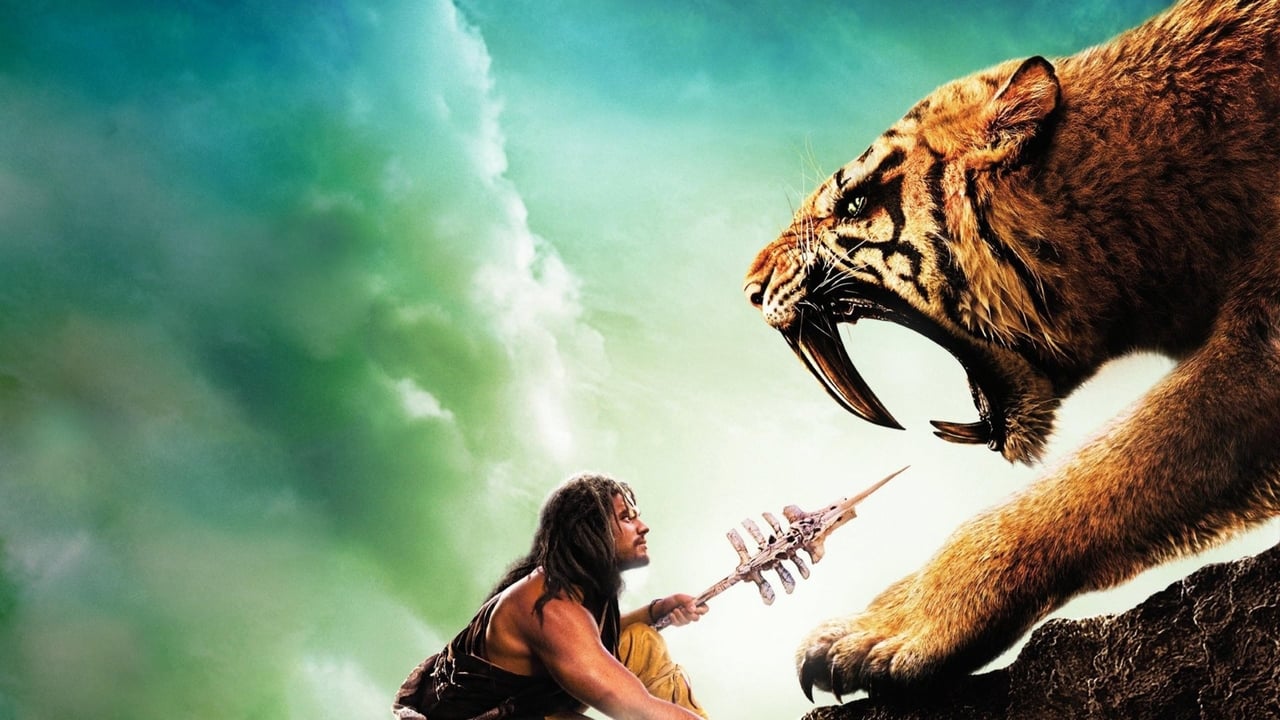
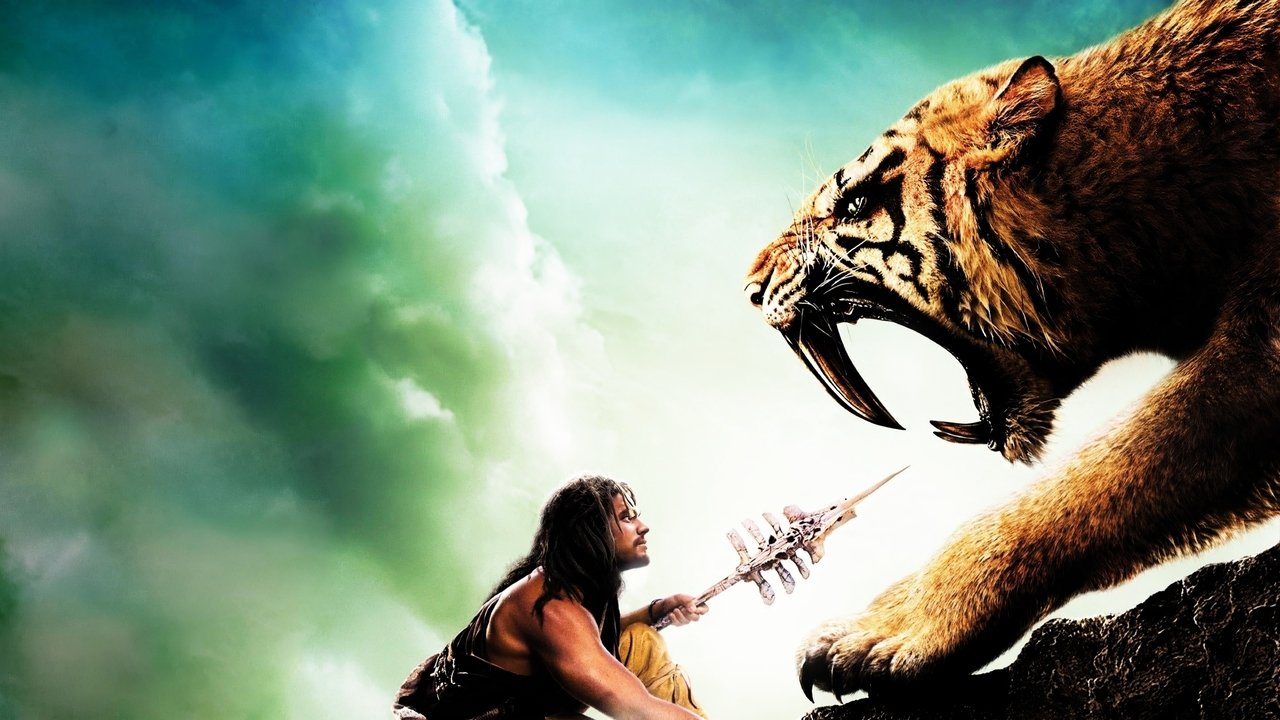
Let's talk about the mammoths. In 2008, the CGI revolution was in full swing, and the work done by the effects house MPC was actually quite ambitious. The fur simulation on the "Mannaks" was a massive undertaking at the time, and while it doesn't have the tactile weight of the creatures in modern films, there’s a sense of scale here that still hits. The sequence where D’Leh gets caught in a mammoth-hunting net is genuinely well-staged action choreography. It’s got that Roland Emmerich DNA—wide shots, soaring cameras, and a total disregard for the laws of physics. However, the Saber-tooth tiger (or "Spear-tooth") looks a bit like a wet housecat that’s been inflated with an air pump. It’s a relic of that mid-2000s era where digital effects were trying to outrun their own rendering speeds.
A Geographic and Chronological Smoothie
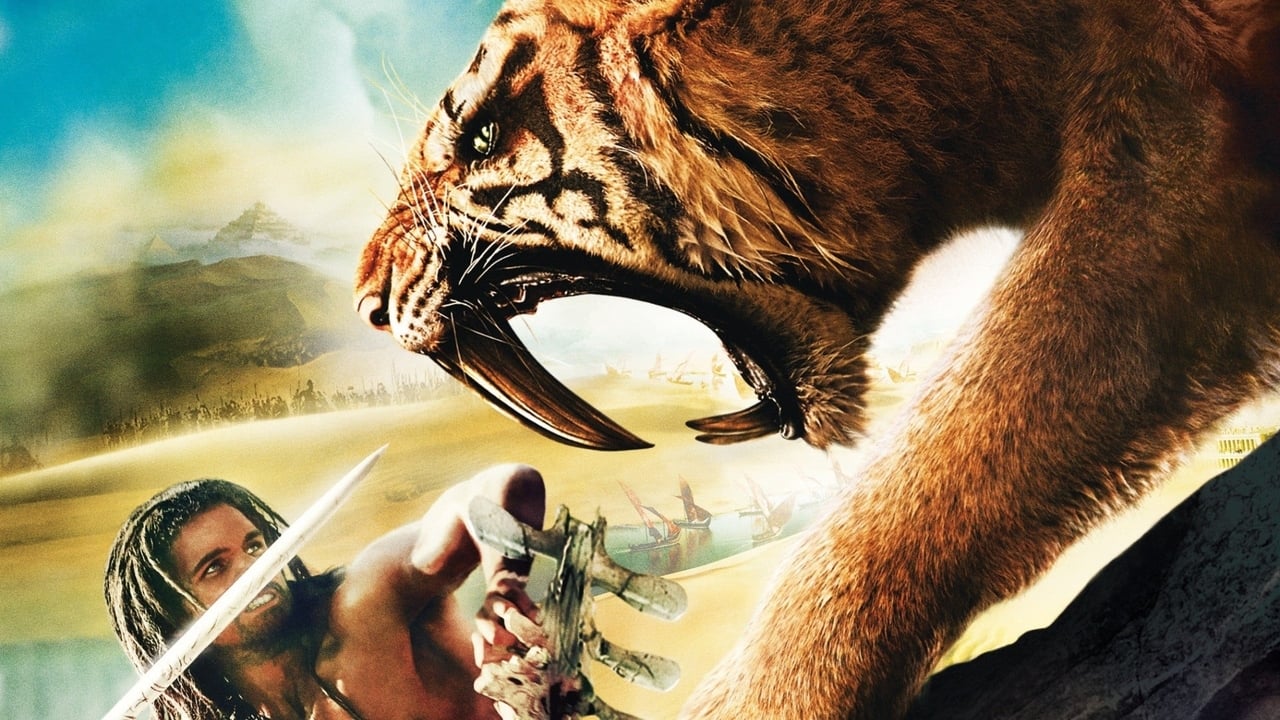
If you have even a passing interest in archaeology, this movie will give you a migraine. We start in the snowy mountains (Ural Mountains vibes), wander into a humid rainforest filled with "Terror Birds" (the Phorusrhacidae, which actually existed but were long extinct by 10,000 BC), and then somehow walk into the Sahara desert to see the Giza pyramids being built. It’s a geographic smoothie that makes the map from 'Game of Thrones' look like a GPS-verified atlas.
But there’s a charm to this absurdity. Cliff Curtis, who is essentially the "I’m too old for this" mentor Tic-Tic, brings a gravitas to the role that the movie probably doesn't deserve. He treats the dialogue about "The Prophecy" and "The White Tiger" with the same intensity he’d bring to a Shakespearean monologue. It’s this earnestness that has helped the film transition into a "cult curiosity." Unlike modern blockbusters that constantly wink at the camera to tell you they know they’re being silly, 10,000 BC plays it straight. It’s a mythic tall tale told by a narrator (Omar Sharif, in a lovely uncredited vocal performance) who wants you to believe in the legend.
The Making of a Prehistoric Misfire
The production was a globe-trotting headache. To get the diverse landscapes, the crew shot in South Africa, Namibia, New Zealand, and Thailand. They even had to deal with sub-zero temperatures that made the animatronic mammoth parts freeze up. Apparently, the "blue eyes" of Camilla Belle were a massive point of contention; they used tinted contact lenses to give her that "otherworldly" look, but in post-production, Emmerich decided they weren't striking enough and had them digitally enhanced in almost every shot. It’s those little "Why?" decisions that define the era’s obsession with digital touch-ups.
One of the more fascinating bits of trivia is that the film was originally envisioned as having no English dialogue at all—similar to Mel Gibson’s Apocalypto (2006). Emmerich eventually balked, fearing it would alienate the summer blockbuster crowd, resulting in the cast speaking a sort of formal, slightly stilted English that sounds like a translation of a poem. It adds to the film’s status as a historical disasterpiece—it’s too big to be a B-movie, but too goofy to be a classic. Yet, looking back from our era of hyper-connected cinematic universes, there’s something refreshing about a $105 million movie that is just about a guy, a girl, and a very confused elephant.
Ultimately, 10,000 BC is the cinematic equivalent of a velvet painting of a wizard—it’s technically "art," it’s definitely loud, and it looks spectacular if you’ve had just enough to drink. It’s a fascinating relic of a time when studios would hand a massive budget to a director just to see how many CGI mammoths he could fit on a pyramid ramp. It isn't "good" in any traditional sense, but as a piece of pure, unadulterated spectacle, it’s a weirdly enjoyable hike through a world that never was. Grab some popcorn, turn off your brain's "Logic" switch, and just enjoy the furry chaos.
Keep Exploring...
-
Jack the Giant Slayer
2013
-
2012
2009
-
The Scorpion King
2002
-
Prince of Persia: The Sands of Time
2010
-

Lara Croft: Tomb Raider - The Cradle of Life
2003
-

Alexander
2004
-
King Arthur
2004
-

Poseidon
2006
-
The Mummy: Tomb of the Dragon Emperor
2008
-
Night at the Museum: Battle of the Smithsonian
2009
-
The Sorcerer's Apprentice
2010
-
Snow White and the Huntsman
2012
-

Wrath of the Titans
2012
-

47 Ronin
2013
-

White House Down
2013
-
DragonHeart
1996
-
Godzilla
1998
-
The Brothers Grimm
2005
-
Season of the Witch
2011
-
Moonfall
2022