21
"Winning big is easy. Getting out is the hard part."
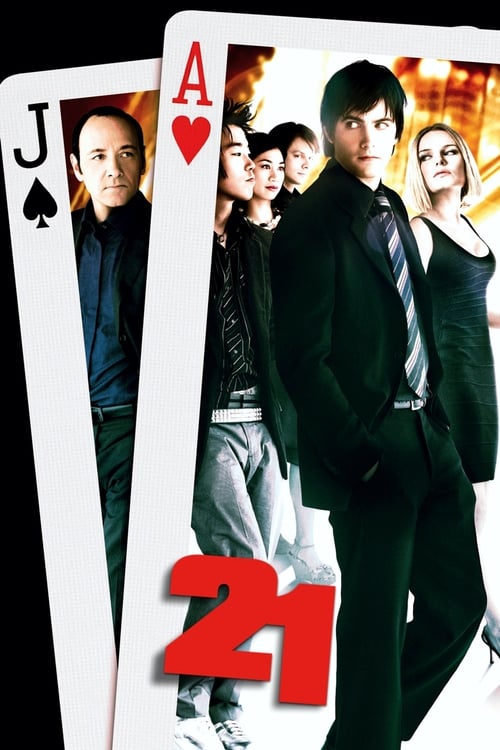
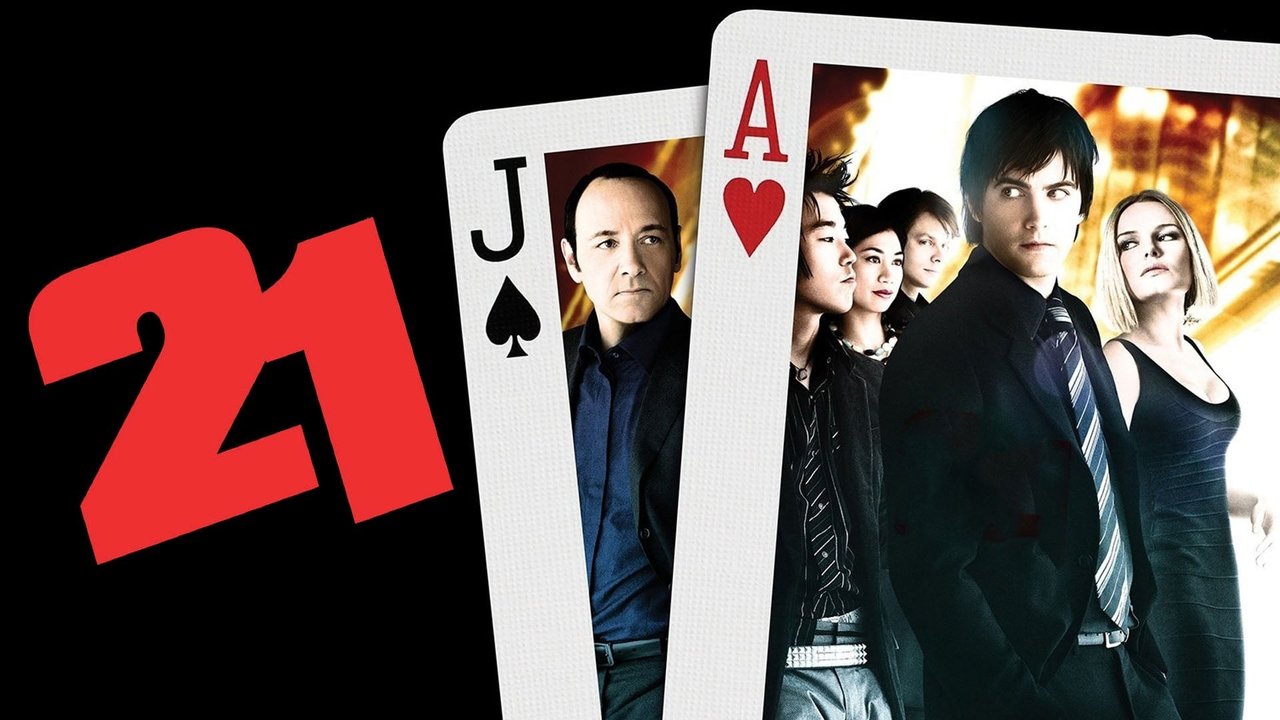
In the spring of 2008, I was convinced that if I just studied the "Monty Hall" problem long enough, I could somehow manifest a trip to the Palms Casino Resort and turn a twenty-dollar bill into a down payment on a house. That was the intoxicating power of 21. It’s a movie that took the absolute driest subject imaginable—statistical probability and card counting—and dressed it up in a slim-fit suit, handed it a chilled martini, and told us all that being a nerd was actually a superpower.
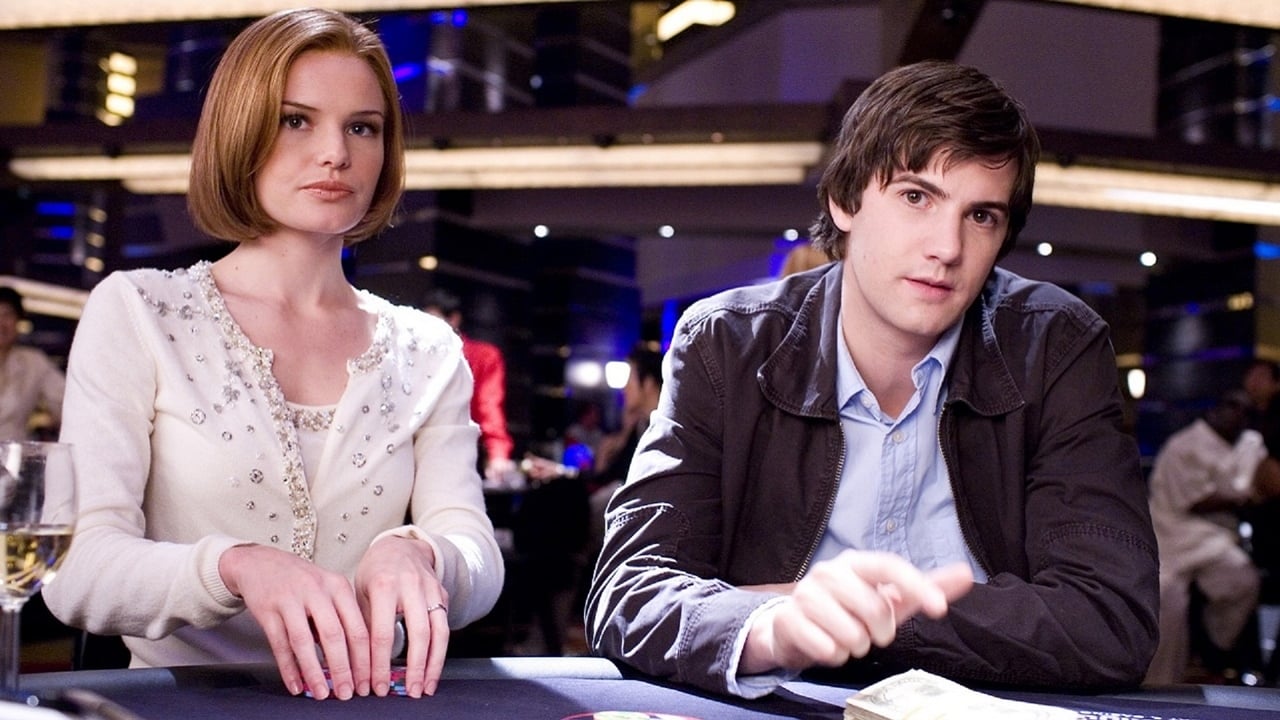
Looking back, the film arrived at a very specific crossroads in pop culture. We were right on the edge of the global financial crisis, a moment where the "get rich quick" fantasy still felt like a cheeky underdog story rather than a prelude to economic doom. Directed by Robert Luketic, who previously brought us the bubbly efficiency of Legally Blonde, 21 trades pink law books for green felt, but it keeps that same high-gloss, aspirational sheen that defined mid-2000s studio filmmaking.
The Ivy League Hustle
The story follows Ben Campbell, played by Jim Sturgess with a wide-eyed sincerity that makes you forget he’s basically committing high-level fraud. Ben is a brilliant MIT student who needs $300,000 for Harvard Medical School. Since "working hard" at his retail job pays eight dollars an hour, he’s recruited by his unorthodox professor, Micky Rosa. Kevin Spacey plays Rosa with that specific brand of icy, intellectual arrogance he perfected in films like The Usual Suspects. He’s the Mephistopheles of the mathematics department, inviting Ben into a secret circle of students who spend their weekends in Vegas taking the casinos for everything they’re worth.
The team includes Kate Bosworth as the love interest, Jill, and a supporting cast featuring Aaron Yoo, Liza Lapira, and Jacob Pitts. Watching them now, the group dynamic feels like a precursor to the "found family" tropes we see in modern heist flicks, though the film treats basic subtraction like it’s some kind of arcane sorcery practiced only by the Chosen Few. I remember re-watching this on an old laptop with a literal disc drive—remember those?—and the whirring of the fan sounded like it was trying to calculate the odds of me finishing the movie without getting a craving for a buffet.
Vegas as a Fever Dream
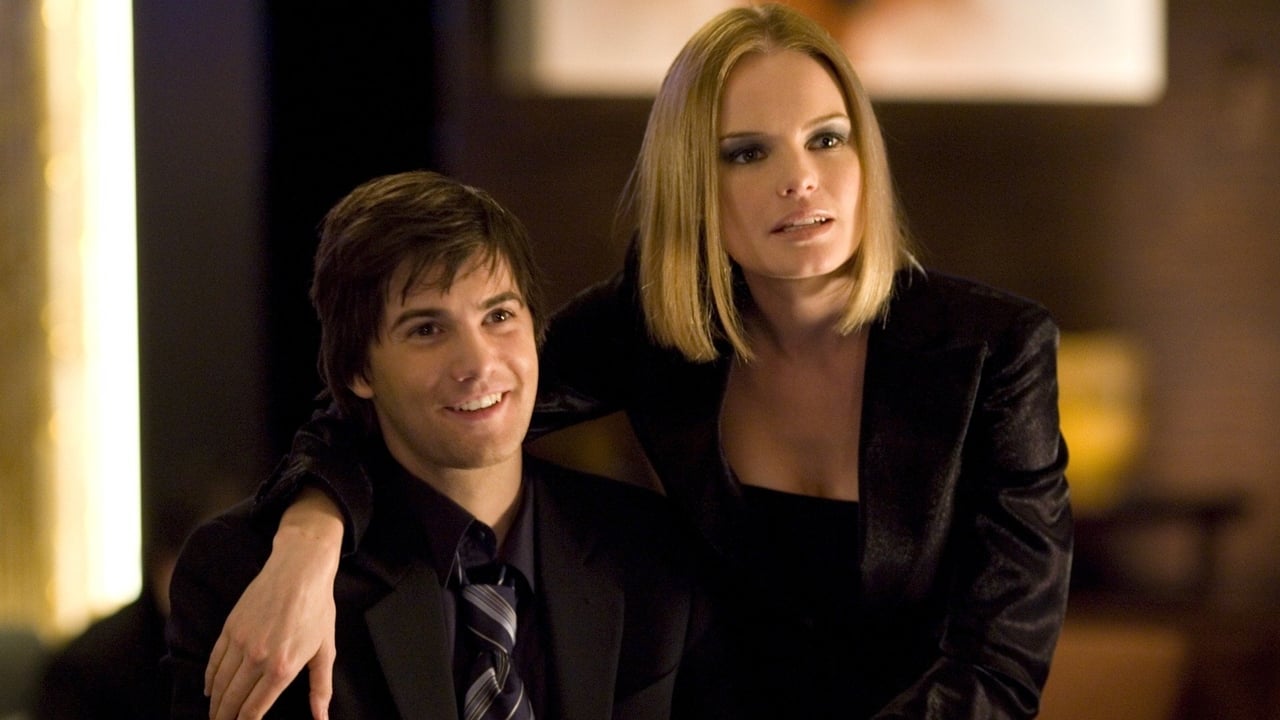
What holds up surprisingly well is the way Robert Luketic captures the sensory overload of Las Vegas. This was the era of the "slick" edit—lots of fast-motion transitions, flashing lights, and a soundtrack heavy on Peter Bjorn and John. It’s a time capsule of 2008’s aesthetic. The cinematography by Russell Carpenter (who won an Oscar for Titanic) makes the casinos look like temples of neon, while the MIT campus is filmed in cold, sterile blues. It’s a classic "Double Life" narrative, and the contrast works.
However, viewing this through a modern lens, you can't ignore the "whitewashing" controversy that has followed the film since its release. 21 is based on the non-fiction book Bringing Down the House by Ben Mezrich, which detailed the real-life exploits of the MIT Blackjack Team. In reality, the team was predominantly Asian-American, including the real-life "Ben," Jeff Ma. The decision to cast Jim Sturgess and a mostly white lead cast was a major point of contention then and remains a glaring example of the era's casting biases. Interestingly, Jeff Ma actually has a cameo in the film as a blackjack dealer named Jeffrey at the Planet Hollywood casino—a bit of "meta" trivia that feels both like a nice nod and a strange consolation prize.
The House Always Wins (Eventually)
The film’s financial footprint was massive for a drama-thriller. Produced on a budget of about $35 million, it raked in nearly $160 million worldwide. It was a genuine blockbuster that didn't need capes or sequels to find an audience. People were clearly hungry for the fantasy of beating the system. The production was a massive undertaking, with the crew filming in actual Boston and Vegas locations, often late at night to avoid the crowds. Apparently, the "Monty Hall" scene in the classroom was so mathematically accurate that it’s still used by some teachers to explain probability, which is a nice legacy for a movie that also features a scene of a guy getting beaten up in a casino basement.
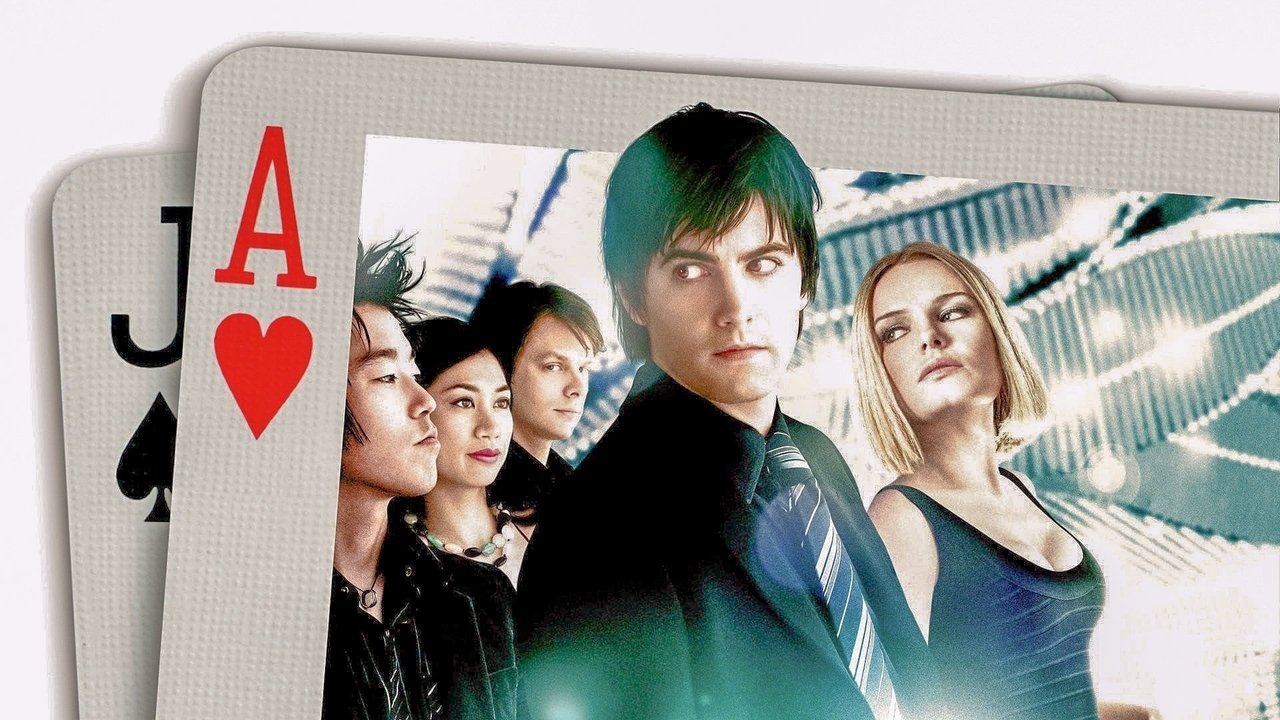
The drama earns its keep when the stakes move from the table to the locker room. The rift that forms between Ben and Micky Rosa is the real heart of the film. Kevin Spacey’s performance is built on a "cool mentor" vibe that slowly curdles into something genuinely predatory. It’s the kind of role he could do in his sleep, but his chemistry with Jim Sturgess provides the necessary friction to keep the two-hour runtime from dragging. The film does fall into some predictable "greed is bad" tropes toward the end, and the final twist is a bit of a reach, but the journey there is undeniably fun.
Ultimately, 21 is a glossy, entertaining artifact of the late 2000s. It’s not a deep psychological study, but it’s a very effective piece of commercial cinema that knows exactly how to make a card game feel like a high-stakes heist. It captures that pre-smartphone era of Vegas where you could still get lost in the lights without being constantly tracked by an app. If you’re looking for a breezy watch that makes you feel like you could have been a genius if you’d just paid more attention in algebra, this is your movie. Just don't expect to actually win any money at the casino afterward—take it from someone who tried.

Keep Exploring...
-
Fast & Furious
2009
-
The Exorcism of Emily Rose
2005
-

Inside Man
2006
-
Step Up
2006
-
Vantage Point
2008
-
The Town
2010
-

American Hustle
2013
-
A Time to Kill
1996
-
The Girl with the Dragon Tattoo
2009
-
Wall Street: Money Never Sleeps
2010
-
Jack Reacher
2012
-
Paranoia
2013
-

Monster-in-Law
2005
-

The Ugly Truth
2009
-

Cape Fear
1991
-
Patriot Games
1992
-
Sneakers
1992
-
In the Line of Fire
1993
-
The Pelican Brief
1993
-
The Net
1995