27 Dresses
"Tulle, trauma, and the wrong lyrics to Elton John."

Jane Nichols has a closet in her Manhattan apartment that is essentially a graveyard for pastel-colored polyester. As someone who currently lives in a space where I have to choose between owning a vacuum cleaner or a second pair of boots, the sheer square footage Jane dedicates to her twenty-seven bridesmaid dresses is the most fantastical element of this entire movie. I watched this most recently while attempting to fold a fitted sheet—a task I eventually abandoned to drink wine out of a mug—and I realized that this film represents the absolute peak of the "Competent Woman vs. Her Own Boundaries" subgenre of the late 2000s.
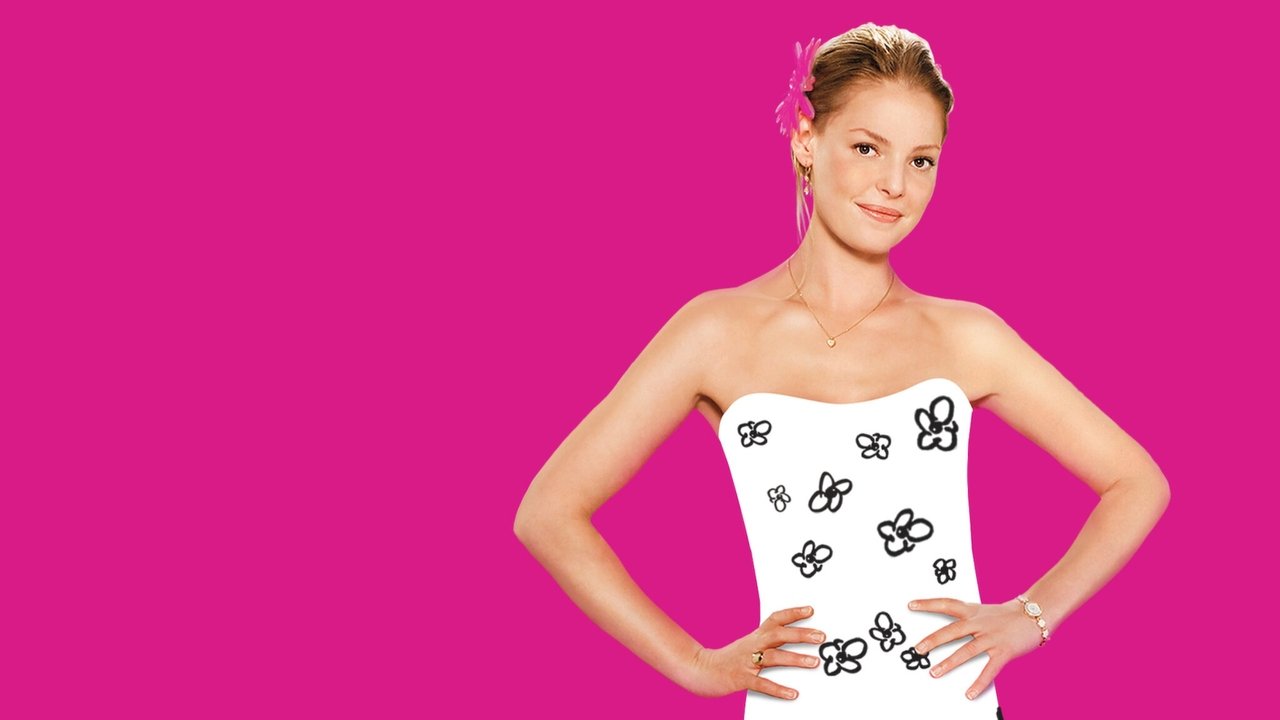
The Patron Saint of "Yes"
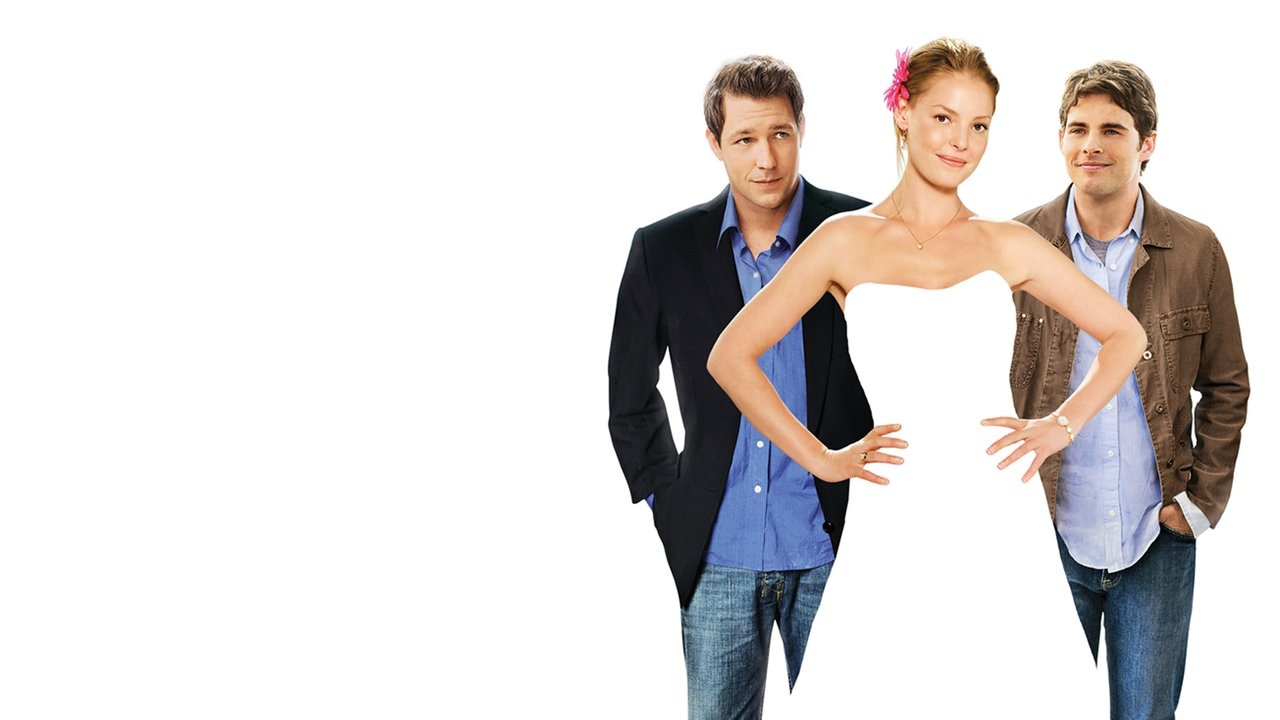
Katherine Heigl, fresh off the success of Knocked Up (2007) and still the reigning queen of Grey's Anatomy, plays Jane with a frantic, twitchy energy that I find deeply relatable. She isn’t just a bridesmaid; she’s a logistical combat veteran. The opening sequence, where she jumps between two weddings in one night using a taxi as a changing room, is directed by Anne Fletcher with the rhythmic precision of a heist movie. Anne Fletcher (who also gave us the delightful The Proposal) was a choreographer first, and you can see that in how Jane moves—always leaning forward, always anticipating the next crisis.
The conflict arrives when Jane’s younger sister, Tess (Malin Åkerman), swags into town and "Manic Pixie Dream Girls" her way into the heart of Jane’s boss, George (Edward Burns). Jane has been pining for George for years, mostly by being his hyper-efficient office spouse. Seeing Tess pretend to be a vegan outdoorsy type to snag him is painful, but it's the kind of "cinematic pain" we pay to see. Tess is essentially a walking red flag in a backless dress, and Åkerman plays her with just enough oblivious charm that you don't entirely want to see her get hit by a bus—maybe just a very slow-moving bicycle.
The Marsden Factor and the Bar Scene
Then we have James Marsden as Kevin, a cynical writer for the "Commitments" section of the New York Journal. In 2008, we were still pretending that newspapers had massive budgets for human-interest fluff pieces, and Kevin is the quintessential rom-com foil. He hates weddings; Jane lives for them. It’s a classic "enemies-to-lovers" setup, but Marsden brings a specific, crinkly-eyed charisma that makes it work. James Marsden spent the 2000s being the "other guy" who loses the girl in movies like X-Men and The Notebook, so seeing him finally get the lead feels like a cosmic correction.
The centerpiece of the film—and the reason people still talk about it today—is the "Bennie and the Jets" scene. Jane and Kevin get stranded at a bar during a rainstorm, get drunk, and scream-sing the wrong lyrics to Elton John. It’s a moment of genuine chemistry that doesn't feel manufactured. Apparently, the actors were encouraged to keep the "wrong" lyrics they naturally came up with, which is why the "electric boob" line feels so authentic. It reminds me of the DVD era's obsession with "making-of" featurettes; I recall watching a clip where they discussed how much of that bar scene was just the cast actually having a blast.
A Time Capsule of the Mid-Budget Beast
Looking back, 27 Dresses is a fascinating artifact of a lost Hollywood ecosystem. Produced by Gary Barber and Spyglass Entertainment, it cost $30 million—a budget that basically doesn't exist for comedies anymore. Today, this would be a "Netflix Original" with flat lighting and a CGI-enhanced skyline. In 2008, it was a theatrical juggernaut, raking in over $160 million. People actually went to the theater to see a movie about a woman with too much chiffon.
The screenplay by Aline Brosh McKenna (who also wrote The Devil Wears Prada) is sharper than the fluffy premise suggests. It understands the specific toxicity of "people-pleasing" and how it eventually turns into a form of martyrdom. Judy Greer, the patron saint of the "Best Friend" role, provides the necessary acid to cut through the sugar. Every time Jane gets too sentimental, Judy Greer is there to remind her that her sister is a sociopath and the dresses are hideous.
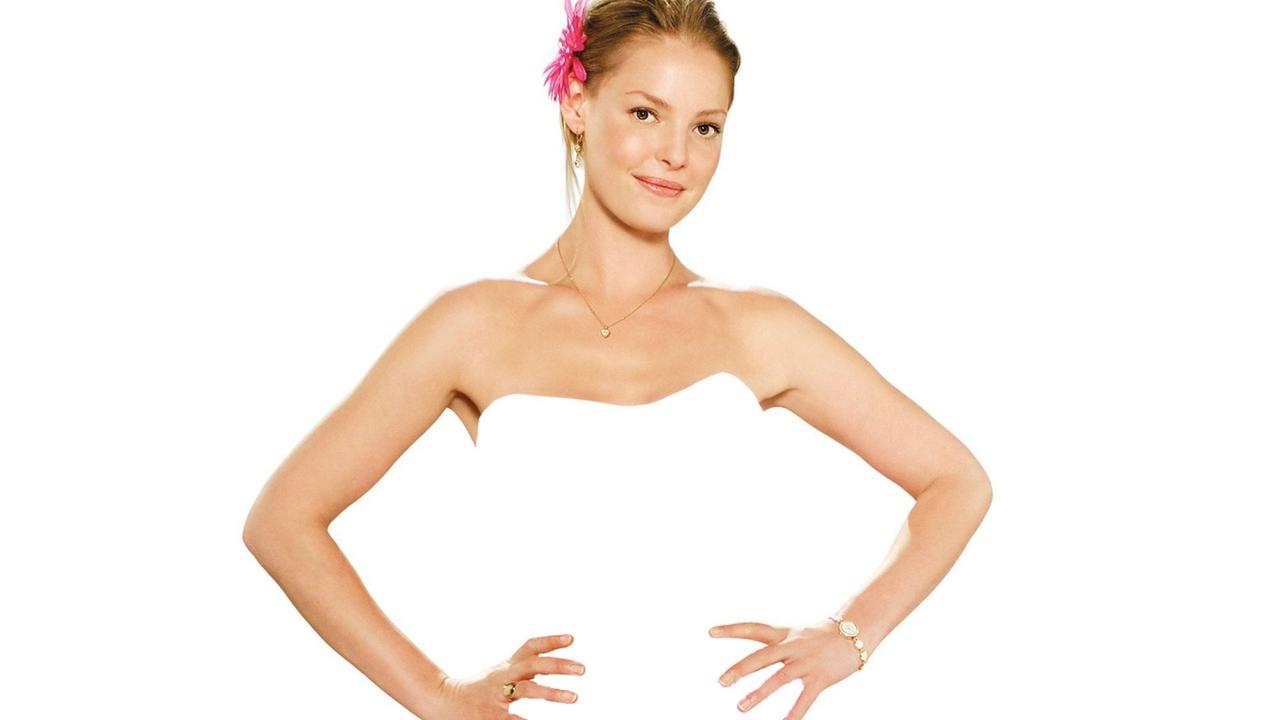
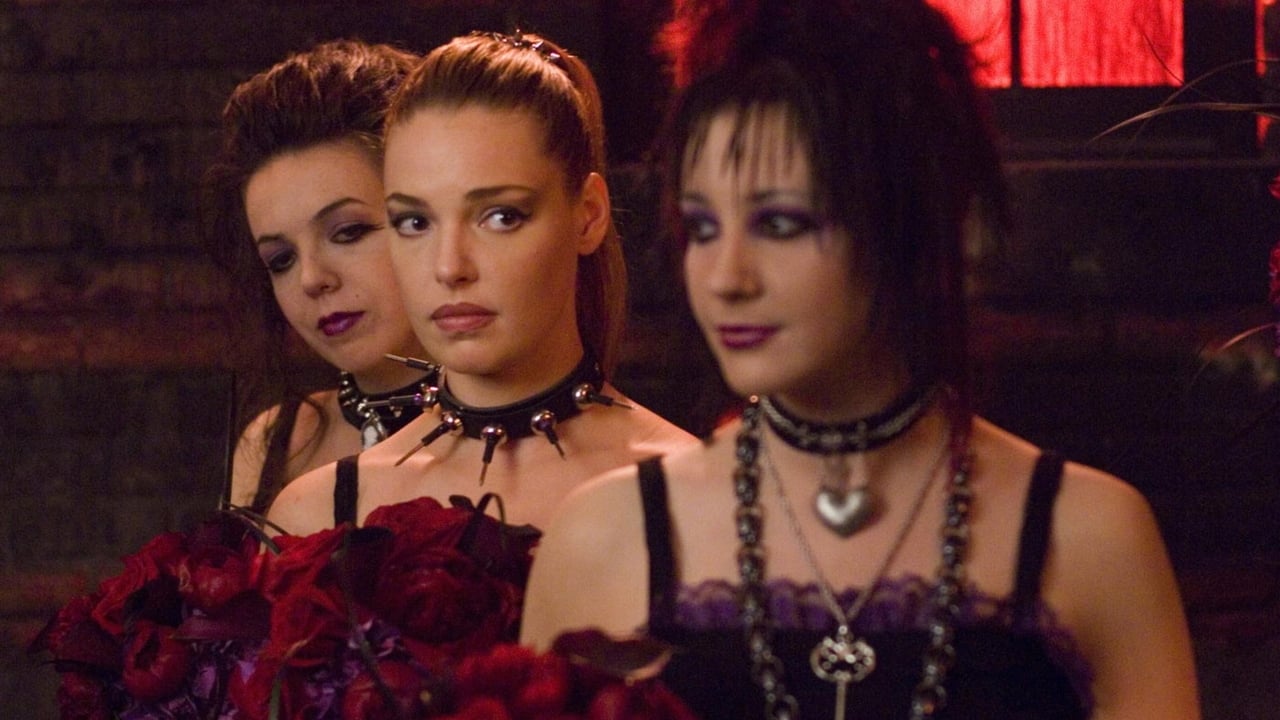
Speaking of the dresses, the costume designer, Catherine Marie Thomas, actually had to create fifty unique "ugly" dresses before the director picked the final twenty-seven. They had to be bad, but "believably bad"—the kind of things a bride would genuinely think are "versatile." The "Short & Sassy" dress with the yellow tulle is an affront to God and several international treaties.
Ultimately, 27 Dresses is comfort food with a surprisingly sturdy backbone. It captures that 2000s transition where we still believed in the "Big Newspaper Story" as a plot device but were starting to see the cracks in the "Perfect Wedding" industrial complex. It’s a movie that knows exactly what it is, and it delivers every trope with a wink and a very high-quality score by Randy Edelman.
If you're looking for a reminder of why Katherine Heigl was once the biggest star in the world, or if you just want to see James Marsden be charmingly grumpy in a bar, this is the perfect 111-minute distraction. It’s bright, it’s breezy, and it makes me feel significantly better about the state of my own closet. Even if you've seen it a dozen times on cable, it’s worth a revisit just for the snappy dialogue and the sheer, unadulterated 2008-ness of it all.
Keep Exploring...
-
The Proposal
2009
-

The Ugly Truth
2009
-
Step Up
2006
-

Hannah Montana: The Movie
2009
-
Love & Other Drugs
2010
-
Life As We Know It
2010
-

Enchanted
2007
-
Freaky Friday
2003
-
Just Married
2003
-
Along Came Polly
2004
-
Sideways
2004
-
The Princess Diaries 2: Royal Engagement
2004
-

Monster-in-Law
2005
-
The 40 Year Old Virgin
2005
-
Wedding Crashers
2005
-
Juno
2007
-
Knocked Up
2007
-
Music and Lyrics
2007
-

Forgetting Sarah Marshall
2008
-

High School Musical 3: Senior Year
2008