Appaloosa
"Friendship is the only law that holds."
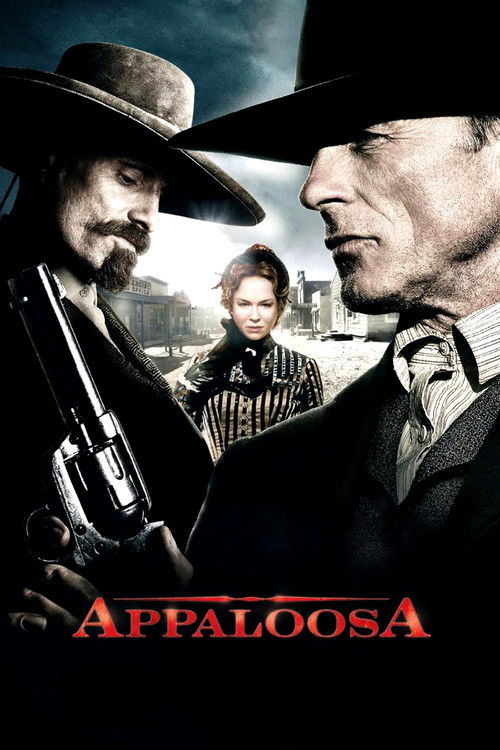
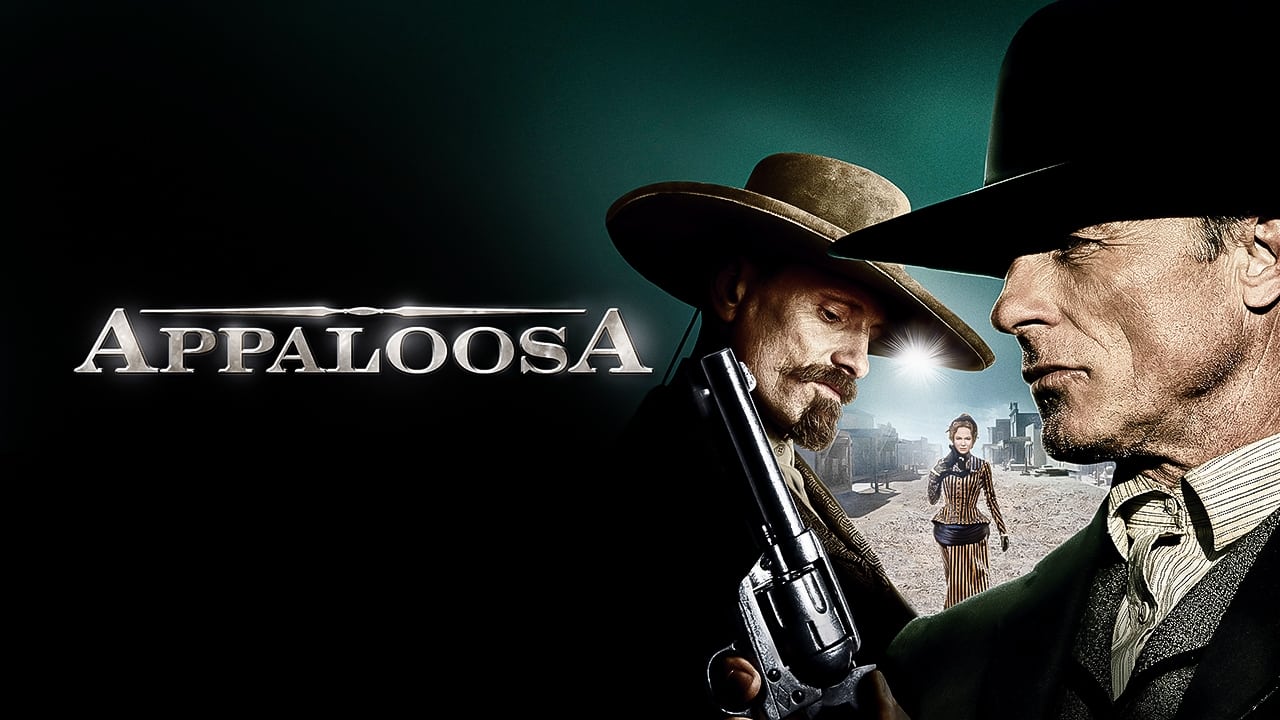
There is a specific, thudding sound that an 8-gauge shotgun makes when it’s fired in a canyon, and Ed Harris makes sure you feel it in your marrow. Most Westerns are about the myth of the lone gunman, but Appaloosa is a procedural about the business of being a hired gun. It’s a movie where the main characters spend as much time discussing the correct vocabulary for a legal contract as they do cleaning their pistols. When I revisited this a few nights ago—while nursing a lukewarm ginger ale that had lost its fizz twenty minutes earlier—I realized how much I miss this era of mid-budget, adult-oriented filmmaking that didn't feel the need to wink at the audience.
The Grammar of Gunsmoke
Released in 2008, Appaloosa arrived at a strange crossroads for the genre. We were a year removed from the operatic violence of 3:10 to Yuma and the existential dread of The Assassination of Jesse James by the Coward Robert Ford. Ed Harris, pulling triple duty as director, co-writer, and star, decided to take a different path: he made a movie about two guys who are exceptionally good at their jobs and exceptionally bad at everything else.
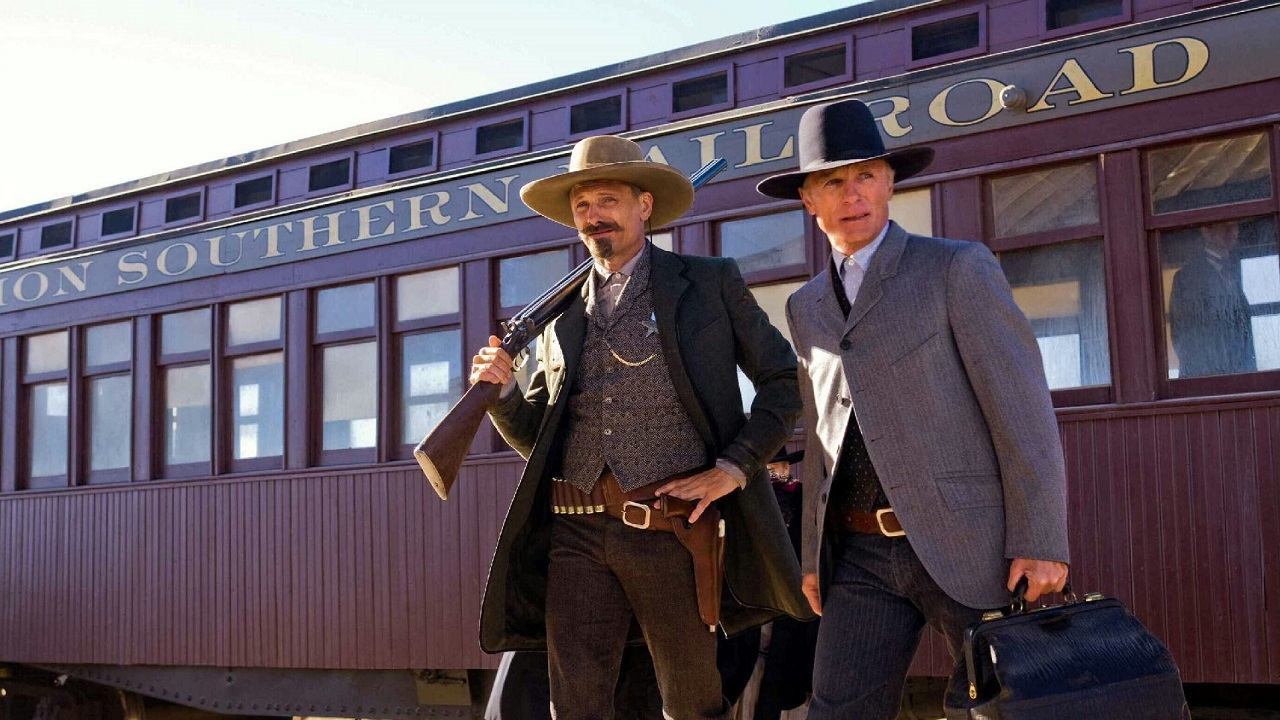
The chemistry between Ed Harris (as Virgil Cole) and Viggo Mortensen (as Everett Hitch) is the engine of the film. It’s a partnership built on silence and shared history. Hitch is the educated one, often supplying the "big words" Cole struggles to remember, while Cole is the unstoppable force of will. Watching them navigate the dusty streets of a town held hostage by Jeremy Irons’ Randall Bragg is a masterclass in understated acting. Jeremy Irons, bringing a hint of his Die Hard with a Vengeance menace but tempered with a rancher’s entitlement, doesn't play a mustache-twirling villain; he plays a man who simply believes the law doesn't apply to him because he owns the dirt everyone is standing on.
Viggo Mortensen’s facial hair here is so architectural it practically deserves its own SAG card. He plays Hitch with a watchful, leaning posture that suggests he’s always calculating the windage for a shot he hasn't taken yet. It’s a performance of pure support, which is fitting for a film that explores what it means to be the "second" in a legendary duo.
The Allie French Problem
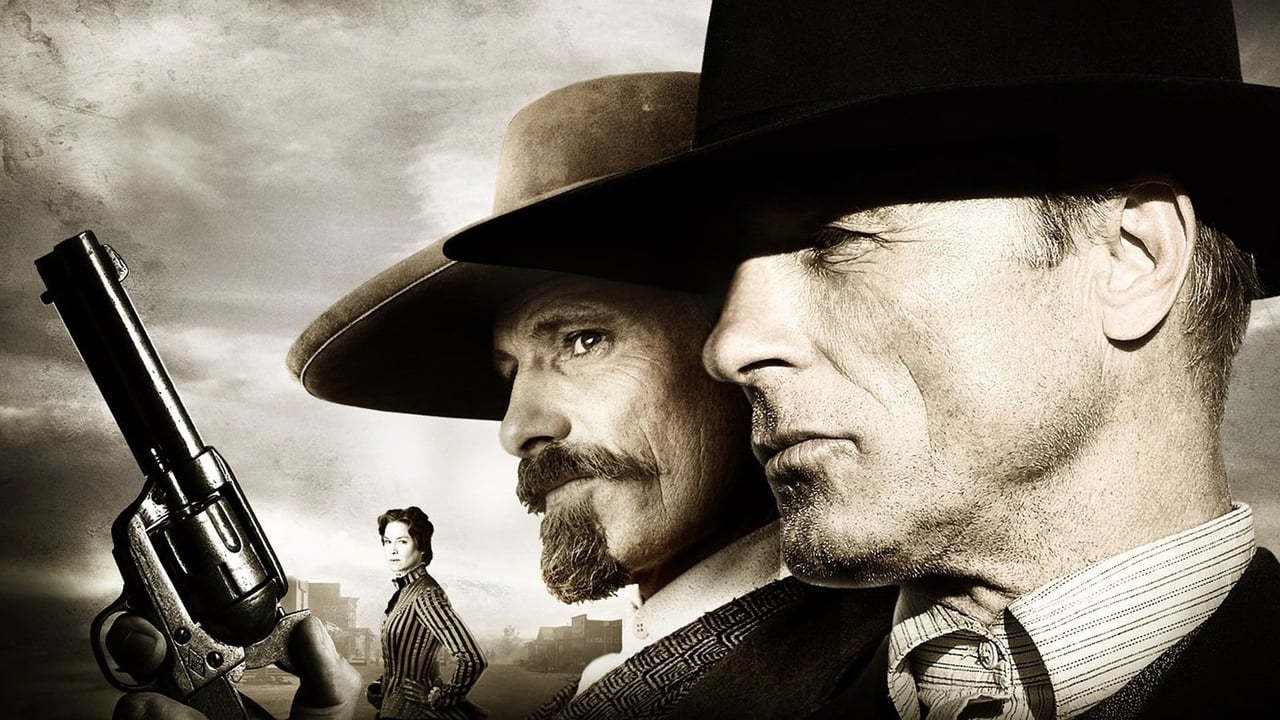
Then there’s Renée Zellweger. In the world of Western fandom, her character, Allie French, is often a point of contention. She arrives in town with a piano and a desperate need for security, quickly attaching herself to the man with the most power. Renée Zellweger plays her with a fluttery, nervous energy that stands in stark contrast to the stony stillness of the men.
Here is my hot take: Allie French is the only realistic person in the movie, which is exactly why she makes some viewers so uncomfortable. In a genre populated by "whores with hearts of gold" or "stoic schoolmarms," Allie is a survivalist. She isn't looking for romance; she’s looking for the biggest shield in the room. If the shield breaks, she finds a new one. It’s a messy, human motivation that complicates the "hero" narrative Cole and Hitch are trying to maintain. Ed Harris (who previously directed the excellent Pollock) resists the urge to make her a simple damsel or a black-widow trope. She’s just a woman trying not to drown in a world of violent men.
A Relic of the DVD Renaissance
Looking back from the era of streaming "content," Appaloosa feels like a high-water mark for the 2000s DVD culture. This was a film made for people who actually sat through the "Making Of" featurettes to see how the production designers aged the wood on the storefronts. Shot by Dean Semler—who won an Oscar for Dances with Wolves—the film avoids the desaturated, grainy look that became a cliché in the post-9/11 era. Instead, it’s crisp, colorful, and grounded.
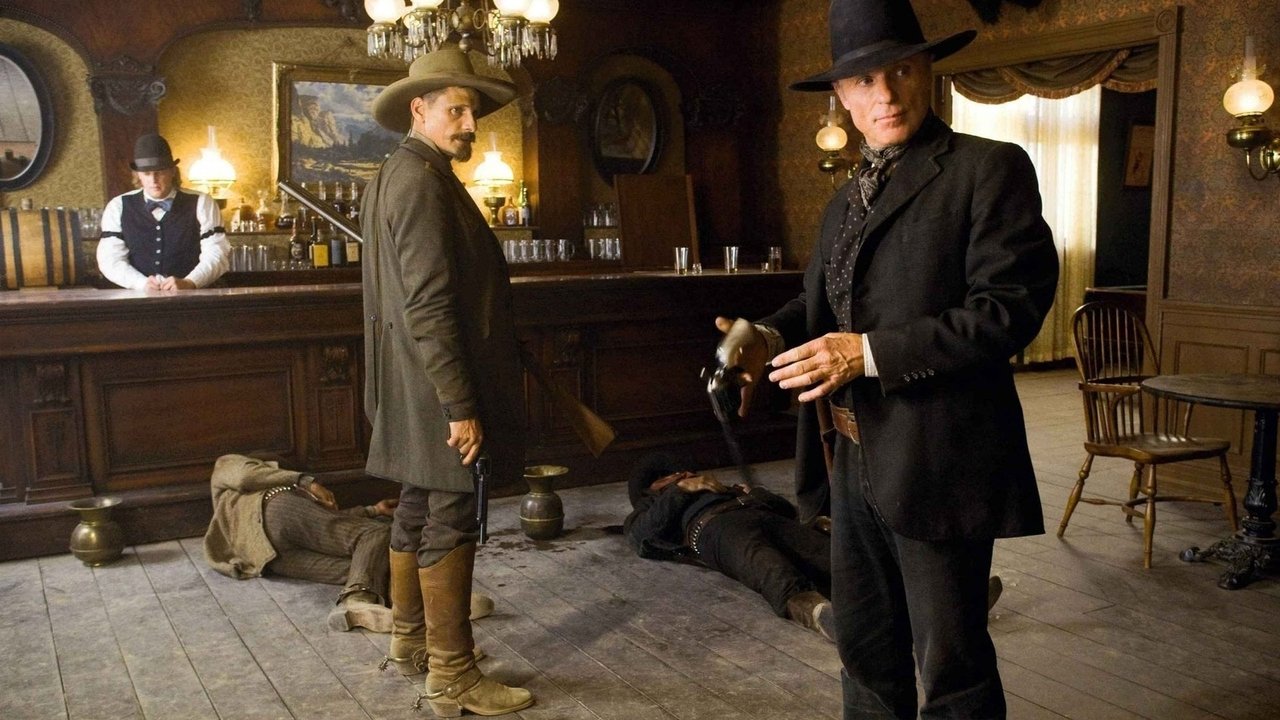
The production was a labor of love for Ed Harris, who adapted the novel by Robert B. Parker. Apparently, Harris was so committed to the 8-gauge shotgun’s authenticity that they had to custom-build the prop because a real one is essentially a small cannon that would have knocked the actors over. This kind of tactile detail is what makes the movie stick. It’s a "professional" western; it cares about how you tie a horse, how you serve a warrant, and how you maintain a friendship when a woman enters the equation and threatens the equilibrium. It’s a western for people who find John Wayne too loud and Clint Eastwood too grumpy.
The film didn't set the box office on fire—it barely made back its $20 million budget—and it’s largely slipped into that "oh yeah, I remember seeing that on a shelf" category of the late 2000s. But it’s aged remarkably well because it doesn't rely on the digital bells and whistles that make other films from 2008 look dated today. There’s no shaky-cam, no over-cranked CGI gore. It’s just great actors in a well-built town, talking about the things that matter: loyalty, lunch, and the diameter of a shotgun shell.
If you’ve got two hours and an appreciation for watching professionals work, Appaloosa is a ride worth taking. It reminds me of a time when Hollywood still believed a movie could be "small" and "grand" at the same time. It’s a quiet gem that rewards your attention with every cock of the hammer.
Keep Exploring...
-
Bad Lieutenant: Port of Call - New Orleans
2009
-
Lawless
2012
-

A History of Violence
2005
-
A Man Apart
2003
-
Cradle 2 the Grave
2003
-
Open Range
2003
-
Get Rich or Die Tryin'
2005
-
The Devil's Rejects
2005
-
Alpha Dog
2006
-
Gridiron Gang
2006
-
Undisputed II: Last Man Standing
2006
-
United 93
2006
-
Before the Devil Knows You're Dead
2007
-
In the Valley of Elah
2007
-
Michael Clayton
2007
-
We Own the Night
2007
-

Lakeview Terrace
2008
-
Street Kings
2008
-
The Informant!
2009
-
The Last House on the Left
2009