Australia
"Outback passion, sweeping vistas, and too much of everything."
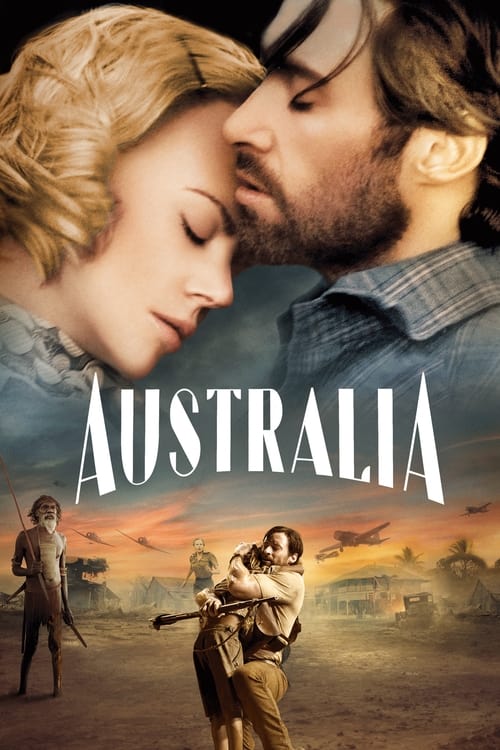
I remember exactly where I was when I first watched Baz Luhrmann’s Australia. I was hunched over a lukewarm meat pie in a dusty terminal in Adelaide, waiting for a delayed flight, and the sheer, overwhelming scale of the cinematography on my small laptop screen felt like a direct insult to my cramped surroundings. It’s a film that demands the biggest screen possible, yet even then, it feels like it’s trying to burst out of the frame.
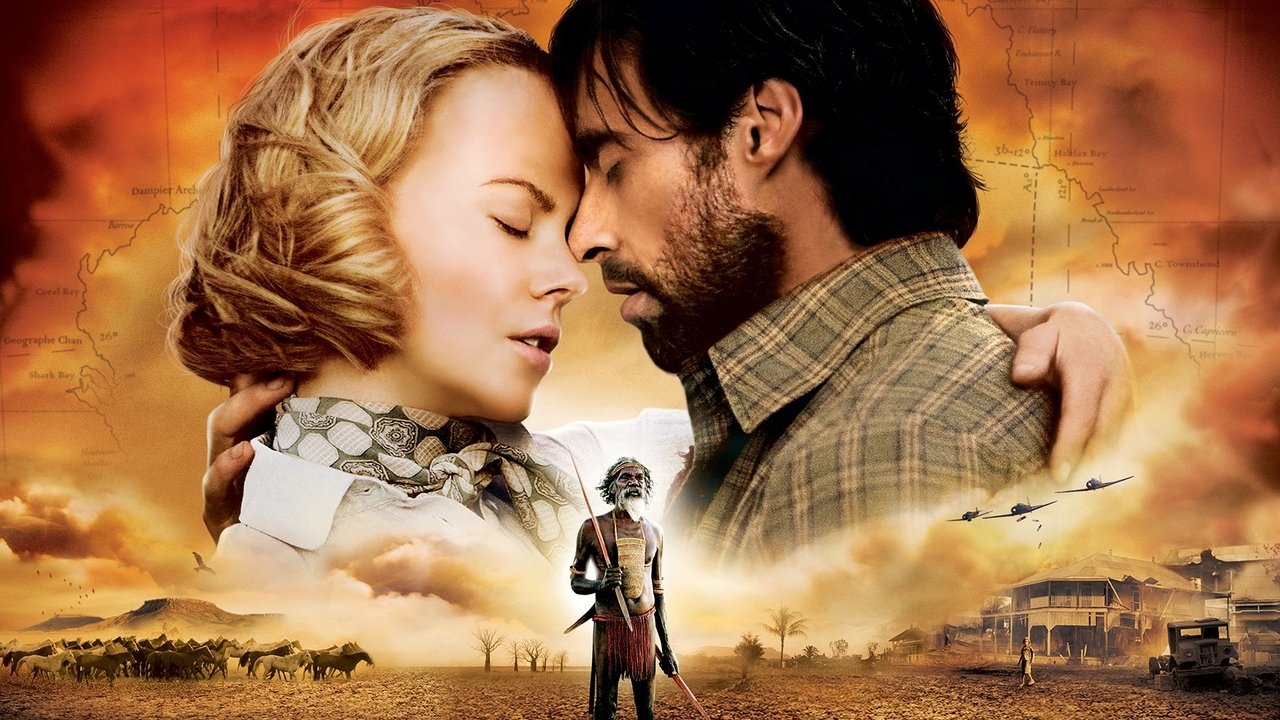
Released in 2008, Australia arrived at a strange crossroads in cinema history. We were deep into the era of the "Digital Epic," where filmmakers like Peter Jackson had proven you could render entire worlds with code, yet Luhrmann—ever the maximalist—wanted to blend that technology with the sweaty, tactile romance of 1940s Hollywood. Looking back, the film is a fascinating, messy, and deeply earnest attempt to create a national myth. It’s a movie that wears its heart, its politics, and its massive budget on its sleeve, even if that sleeve is occasionally soaked in way too much CGI sunset.
Three Movies for the Price of One
The first thing you notice about Australia is that it doesn’t know when to quit. I don’t mean that as a slight; I mean it literally. The film starts as a screwball comedy, transitions into a classic Western cattle-drive adventure, and finally settles into a harrowing war drama.
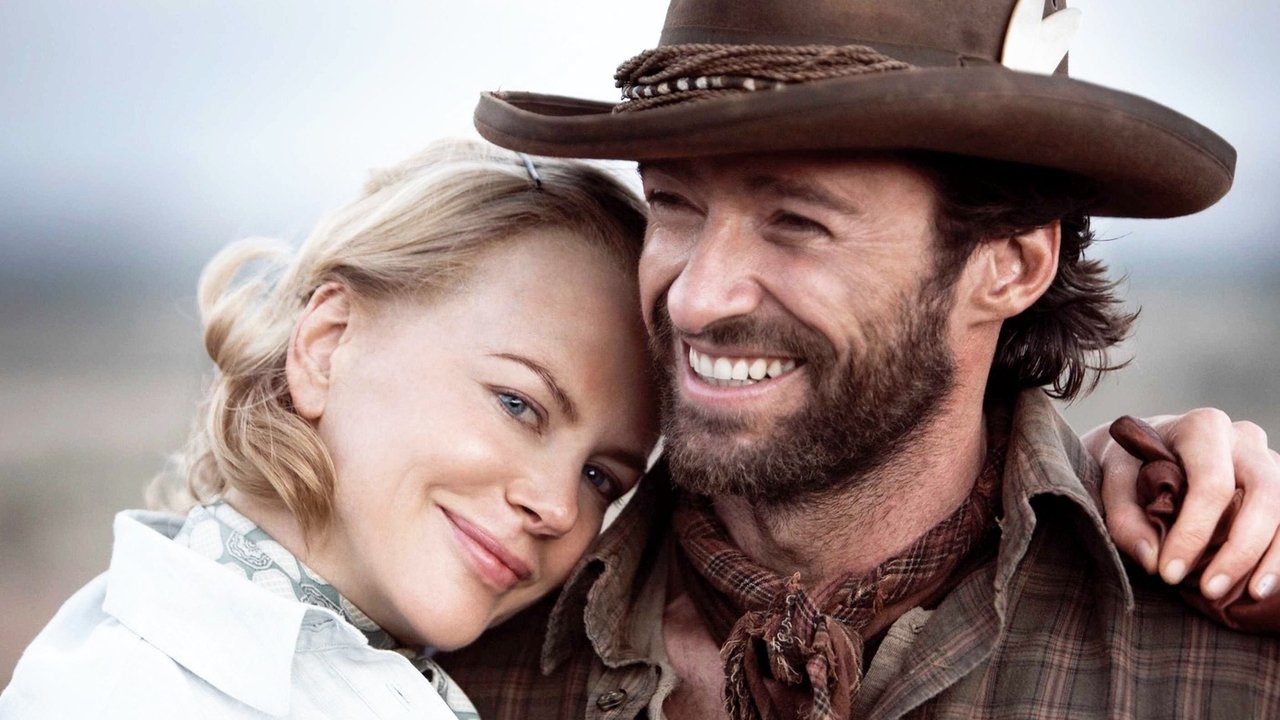
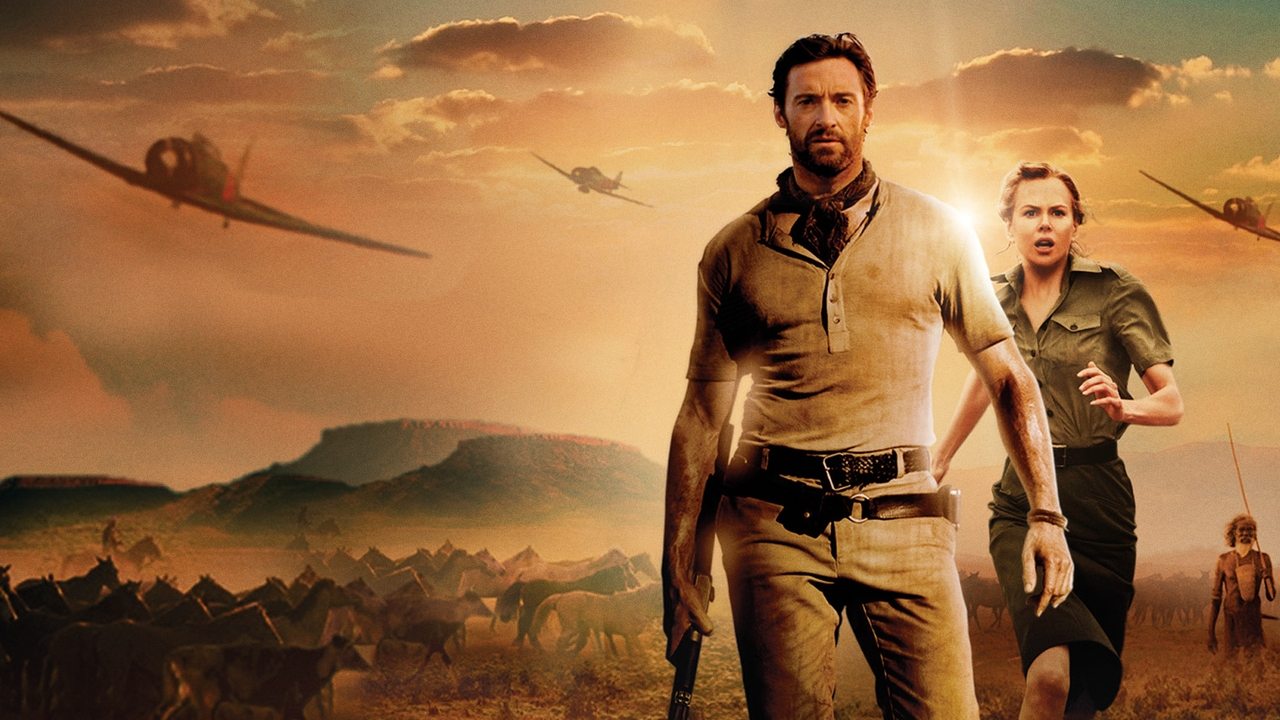
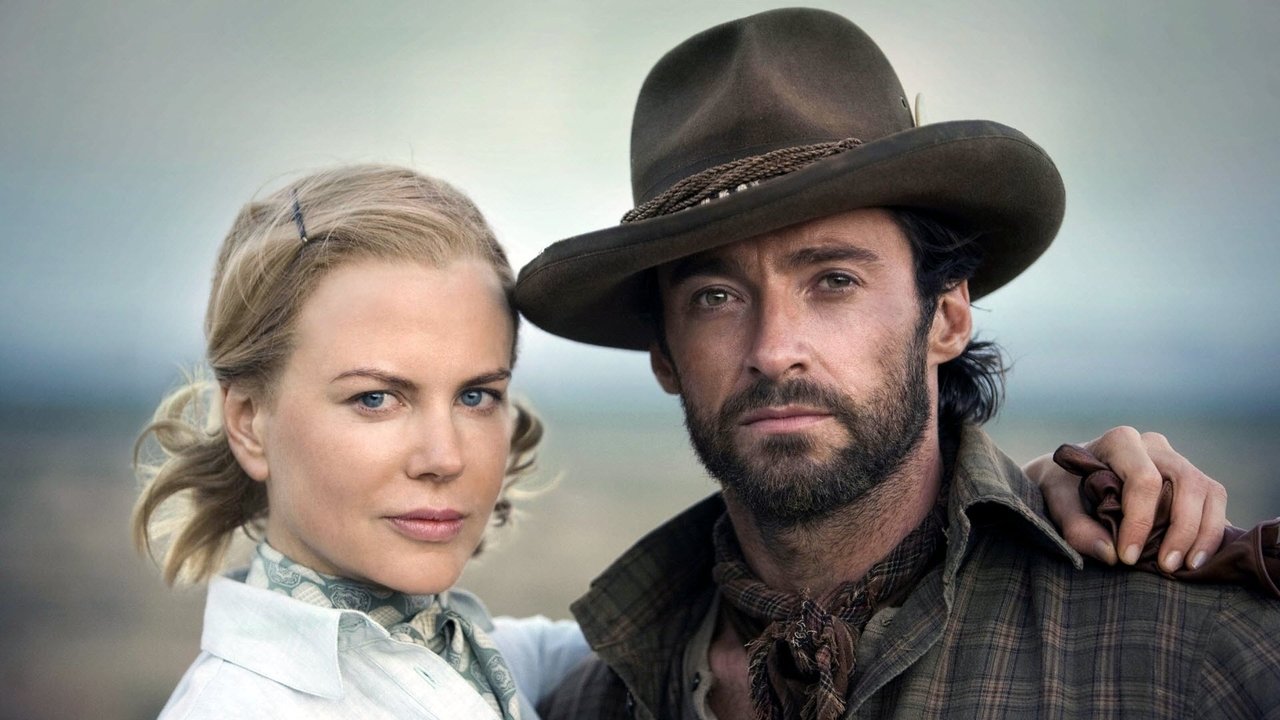
We begin with Lady Sarah Ashley (Nicole Kidman), a stiff-upper-lip English aristocrat who arrives in the Northern Territory to force her philandering husband to sell his cattle station, Faraway Downs. Kidman plays the "fish out of water" trope with a high-pitched franticness that eventually softens into something much more grounded. Then there’s Hugh Jackman as The Drover. This was peak, post-X-Men Jackman, and Luhrmann frames him like a literal god of the outback. There’s a scene where he washes himself with a bucket of water in slow motion that felt less like character development and more like a three-minute thirst trap sponsored by the Australian Tourism Board.
The chemistry between the two is undeniable, even when the dialogue leans into the "Old Hollywood" cheese. They are supported by a cast of stalwarts, including Bryan Brown as the ruthless King Carney and David Wenham as the sniveling Neil Fletcher. But the real soul of the film isn't the romance; it's Nullah, played by newcomer Brandon Walters. Through his eyes, the movie tackles the "Stolen Generations"—the horrific historical practice of removing Indigenous children from their families. It’s a heavy theme for a sweeping romance, and while Luhrmann’s stylized approach sometimes risks trivializing the trauma, Walters’ performance is so luminous it anchors the entire three-hour runtime.
The Digital Outback and Stylistic Overload
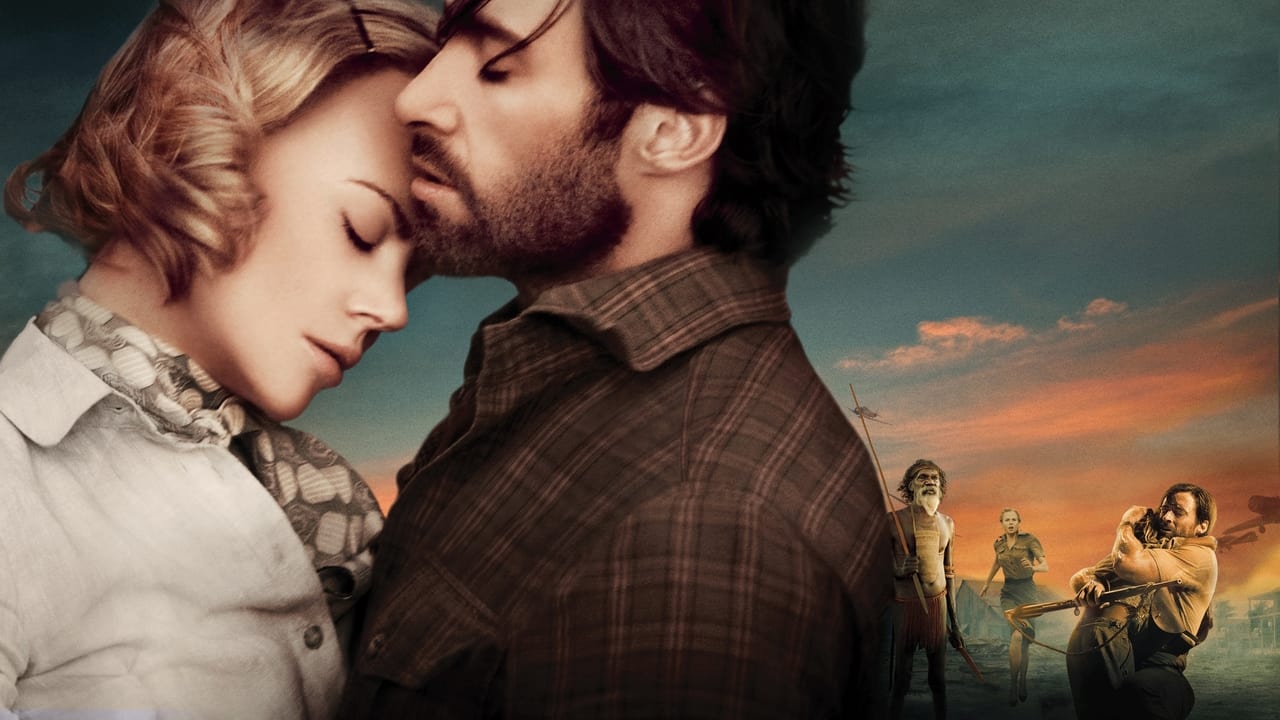
In the retrospective light of the 1990-2014 era, Australia is a perfect example of the "more is more" philosophy of late-2000s filmmaking. Luhrmann used CGI not for realism, but to heighten the colors and the drama. The red dirt is redder; the sky is more purple; the stampedes are more frantic. Looking back, some of the digital compositing hasn't aged perfectly—there are moments where the actors look like they are floating in front of a very expensive screensaver—but the ambition is staggering.
I’ve always felt that Luhrmann is the only director who could make a cattle drive look like a Broadway musical without anyone actually breaking into song. The editing is breathless, almost caffeinated, which can be exhausting over 165 minutes. However, the production design is where the film truly shines. The recreation of pre-war Darwin is meticulous, and the costumes are a masterclass in period-appropriate glamour. It captures that transition point in cinema where we were losing the grit of the 70s and 80s and moving into the polished, hyper-real textures of the modern franchise era.
The Legend of the "Flop" That Wasn't
For years, the narrative around Australia was that it was a catastrophic bomb. In reality, it made over $211 million against a $130 million budget. It wasn't a Titanic-level phenomenon, but it has lived a long second life as a cult favorite for people who miss the "Big Movie" era.
The production was famously troubled. Apparently, Hugh Jackman wasn't even the first choice; Russell Crowe was originally attached but dropped out after a salary dispute. During filming, the production was plagued by freak weather—ironic for a movie about a drought—and Nicole Kidman reportedly fainted on set from the oppressive 100-degree heat while on horseback. Perhaps most interestingly, the ending was famously debated. Test audiences initially found the original cut too depressing, leading Luhrmann to pivot toward a more traditionally "epic" resolution, though he eventually restored his original vision in the 2023 reimagined miniseries version, Faraway Downs.
There are also the little touches that fans obsess over, like the recurring use of "Over the Rainbow" from The Wizard of Oz. It’s a polarizing choice—some find it a beautiful thematic bridge, while others find it about as subtle as a kangaroo in a tuxedo. But that's the thing about this movie: it refuses to be subtle. It’s a film that invites you to either surrender to its madness or roll your eyes and walk away.
Australia is a glorious, overstuffed lamington of a movie. It tries to be a romantic epic, a historical correction, and an action blockbuster all at once. While it doesn't always stick the landing—and the middle hour drags like a slow-moving herd—it has a sincerity that I find increasingly rare in today's cynical landscape. It’s a testament to a time when studios would still hand a visionary director a hundred million dollars to make a sweeping, original drama about cattle and colonialism. I don't love every minute of it, but I'm certainly glad it exists.
Keep Exploring...
-
The Great Gatsby
2013
-

Romeo + Juliet
1996
-

Alexander
2004
-
Seeking a Friend for the End of the World
2012
-
A Knight's Tale
2001
-
Moulin Rouge!
2001
-
The Lion King II: Simba's Pride
1998
-

The Twilight Saga: New Moon
2009
-

The Twilight Saga: Eclipse
2010
-

The Twilight Saga: Breaking Dawn - Part 2
2012
-
Casanova
2005
-
The Fountain
2006
-
Blue Lagoon: The Awakening
2012
-
King Arthur
2004
-
The Life Aquatic with Steve Zissou
2004
-

Cinderella Man
2005
-
Herbie Fully Loaded
2005
-
Just Like Heaven
2005
-

King Kong
2005
-
Poseidon
2006