Babylon A.D.
"The future belongs to the survivors."

I remember sitting in my cramped college apartment in 2008, watching the radiator hiss like a dying cyborg, while the opening credits of Babylon A.D. rolled across my screen. At the time, Mathieu Kassovitz was still the wunderkind who gave us the scorching social commentary of La Haine (1995), and Vin Diesel was the king of the "fast and furious" box office. On paper, this was a match made in cyberpunk heaven. In reality, it became one of the most public, messy divorces between a director and a studio in modern cinema history.
The War of the Cut
If you want to understand why Babylon A.D. feels like a narrative equivalent of a jigsaw puzzle put together by a toddler with a hammer, you have to look at what happened behind the lens. Kassovitz famously disowned the film before it even hit theaters, calling it "pure violence and stupidity" and blaming 20th Century Fox for hacking his 160-minute philosophical epic down to a lean, confusing 101 minutes.
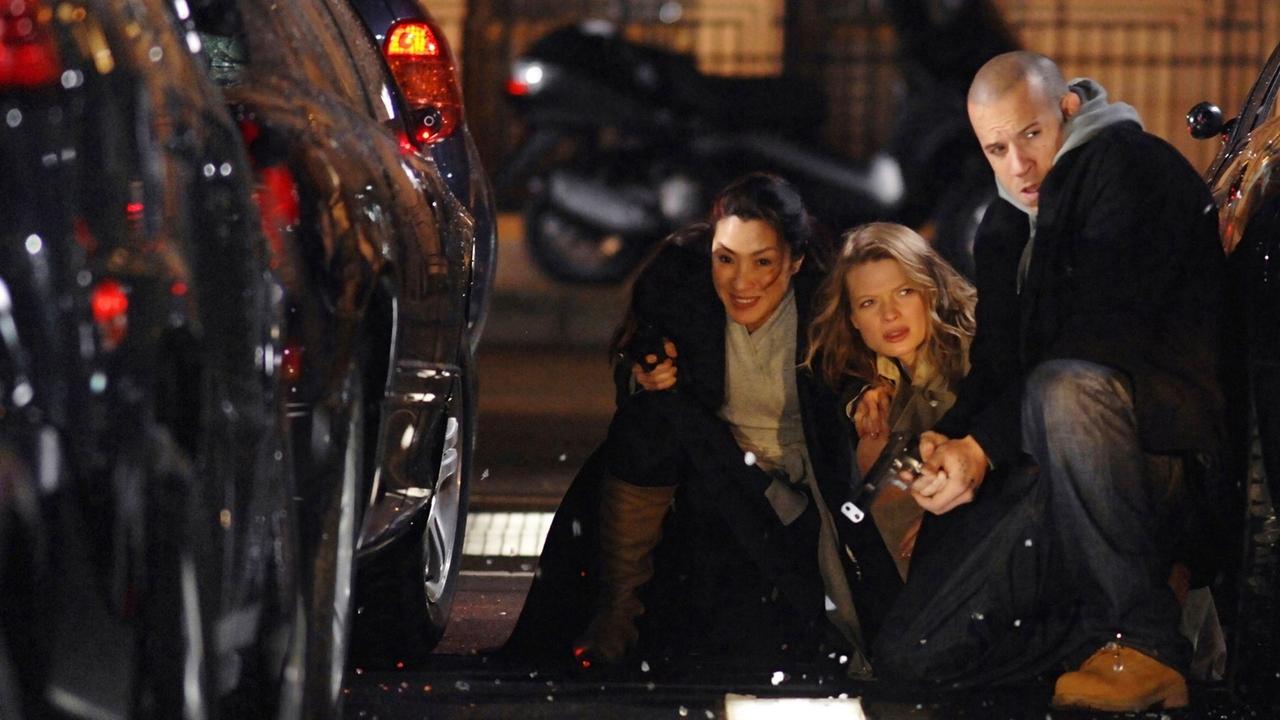
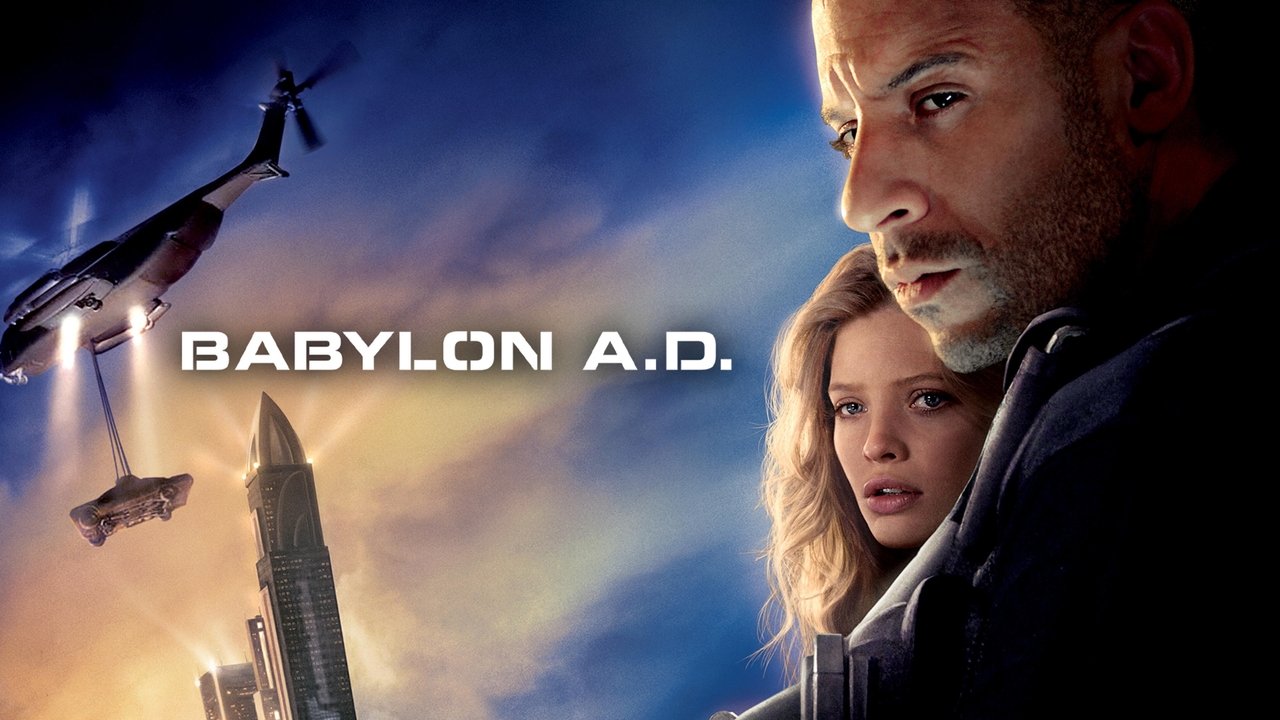
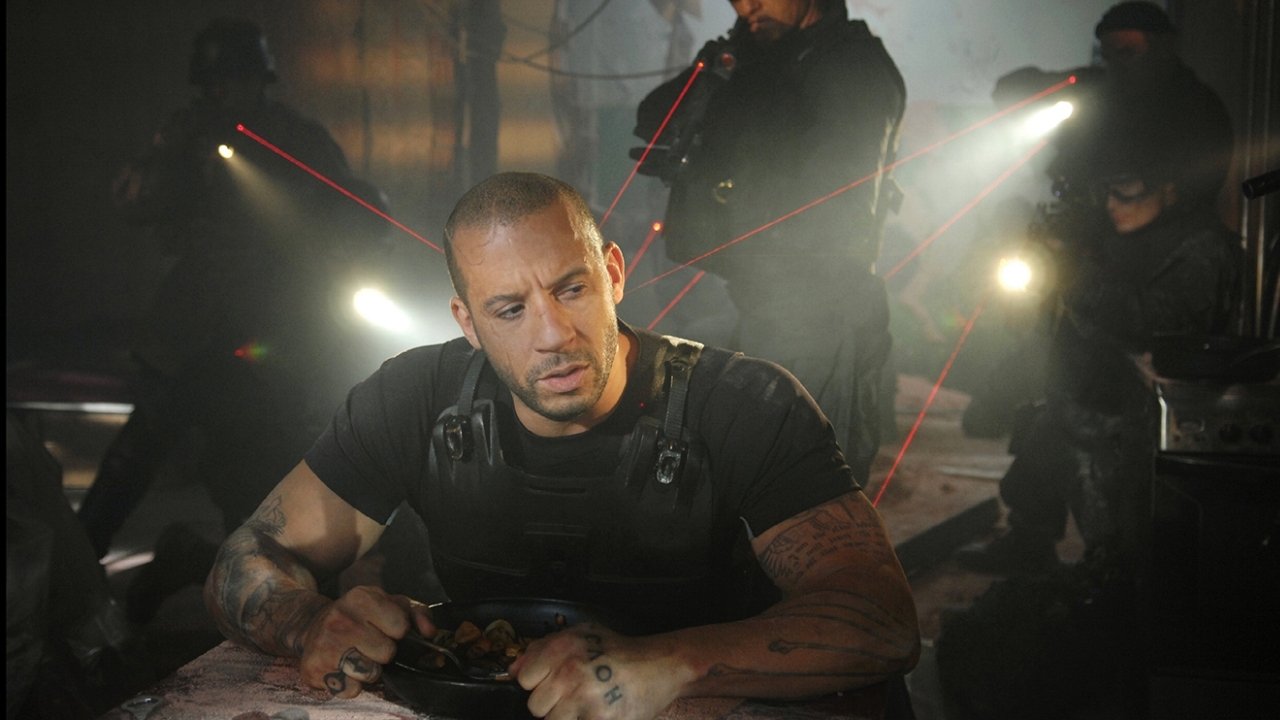
Looking back from the era of "Snyder Cuts" and fan-mandated restorations, Babylon A.D. is a fascinating relic of that mid-2000s studio mentality where "shorter is better" for action beats, even if the plot loses its pulse. The film follows Toorop (Vin Diesel), a mercenary tasked with transporting a mysterious young woman named Aurora (Mélanie Thierry) and her guardian, Sister Rebeka (Michelle Yeoh), from a war-torn Eastern Europe to a gleaming, neon-soaked New York City.
The first half is actually quite impressive. It captures that post-9/11 anxiety where the world feels like it’s permanently stuck in a grey, slushy winter. The production design in the Eastern European sequences—full of rusted tanks, crumbling Soviet architecture, and desperate refugees—has a weight that CGI simply couldn't replicate at the time. I was particularly struck by a sequence involving a submarine surfacing through the ice; it felt massive, dangerous, and expensive in a way that modern green-screen sets often lack.
Kung Fu Nuns and Cyber-Grizzlies
The real reason I keep this film in my "guilty pleasure" rotation is the sheer, unadulterated coolness of the supporting cast. Michelle Yeoh, fresh off a decade of proving she's the toughest person on any given set (see: Crouching Tiger, Hidden Dragon), plays a nun who can clearly snap your neck in four different languages. Her chemistry with Diesel is surprisingly grounded; they play two weary veterans who recognize the same scars in each other.
Then there’s Gérard Depardieu as Gorsky, a mob boss who lives inside a literal tank and looks like he spent his entire wardrobe budget on gold chains and leather. It’s the kind of over-the-top character work that defined the transition from the gritty 90s to the more polished, franchise-heavy 2010s. The action choreography, handled by Robert Hladik, leans into the parkour craze of the era (think Casino Royale or District 13), giving the fight scenes a frantic, kinetic energy that keeps you awake even when the logic starts to fail.
However, once the trio reaches New York, the film starts to unravel faster than a cheap sweater. The sudden shift from a gritty road movie to a messianic sci-fi thriller feels jarring. We get Charlotte Rampling appearing as a high priestess of the Noelite Church, and while she is always a commanding presence, she’s clearly acting in a movie that the studio forgot to finish filming. The climax is notoriously abrupt, ending on a note that feels more like a commercial break than a finale.
The Cult of the "What If?"
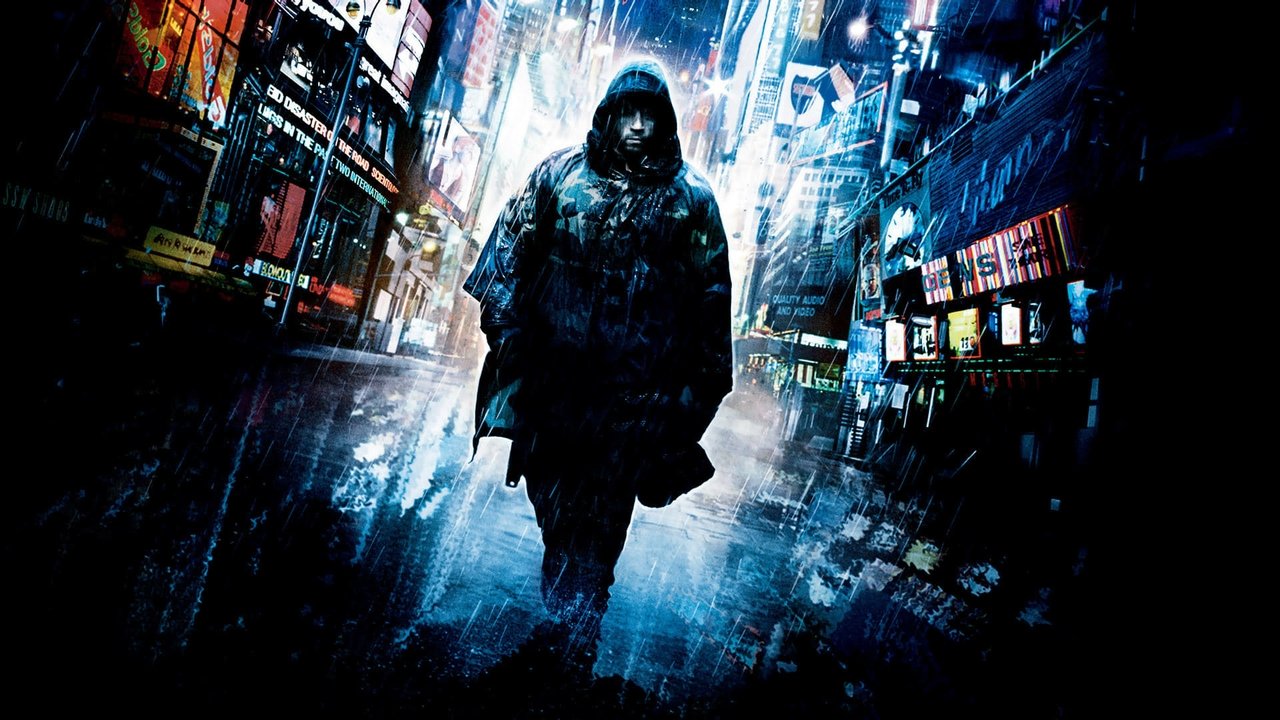
Why does Babylon A.D. still spark conversation in my circle of film nerds? Because it represents a "lost" film. There’s a version of this story—the one based on Maurice G. Dantec's novel Babylon Babies—that explores genetic engineering, religious extremism, and the death of the internet with profound depth. Instead, we got a movie where Vin Diesel fights a bunch of guys in a cage while a muffled hip-hop soundtrack plays.
It’s an era-specific tragedy. In 2008, we were seeing the birth of the MCU with Iron Man, a shift toward streamlined, bright, and interconnected storytelling. Babylon A.D. was the opposite: dark, cynical, standalone, and visually murky. It was a victim of the "Fox Meat Grinder" of the 2000s, joining the ranks of Alien Resurrection (1997) or Daredevil (2003) as films where the director’s vision was sacrificed for a PG-13 rating and a faster turnover.
Despite the chaos, I find a lot to love in the mess. The score by Atli Örvarsson is surprisingly haunting, blending choral arrangements with industrial synths that perfectly match the "end of the world" vibe. I once watched this back-to-back with Children of Men while eating cold leftover pizza, and honestly, the grease on the crust felt oddly thematic for the film's grime. It’s not a masterpiece, but it’s a high-budget anomaly that feels more "human" in its failures than many of today’s polished-to-death blockbusters.
If you’re a fan of Vin Diesel’s brand of stoic toughness or you want to see Michelle Yeoh being an absolute boss in a habit, there is fun to be had here. It’s a film defined by its "could have been" status, but what remains is a stylistically rich, albeit lobotomized, piece of cyberpunk history. Treat it like a beautiful, broken engine: it won't take you where you're going, but it sure is interesting to look at under the hood.
Keep Exploring...
-

X-Men: The Last Stand
2006
-

G.I. Joe: The Rise of Cobra
2009
-
I Am Number Four
2011
-

Battleship
2012
-

G.I. Joe: Retaliation
2013
-
Push
2009
-
RoboCop 2
1990
-

Paycheck
2003
-
Sky Captain and the World of Tomorrow
2004
-

Race to Witch Mountain
2009
-

John Carter
2012
-

Riddick
2013
-
The Matrix Revolutions
2003
-
The Island
2005
-
Hulk
2003
-
Terminator 3: Rise of the Machines
2003
-

AVP: Alien vs. Predator
2004
-

Æon Flux
2005
-

16 Blocks
2006
-

Poseidon
2006