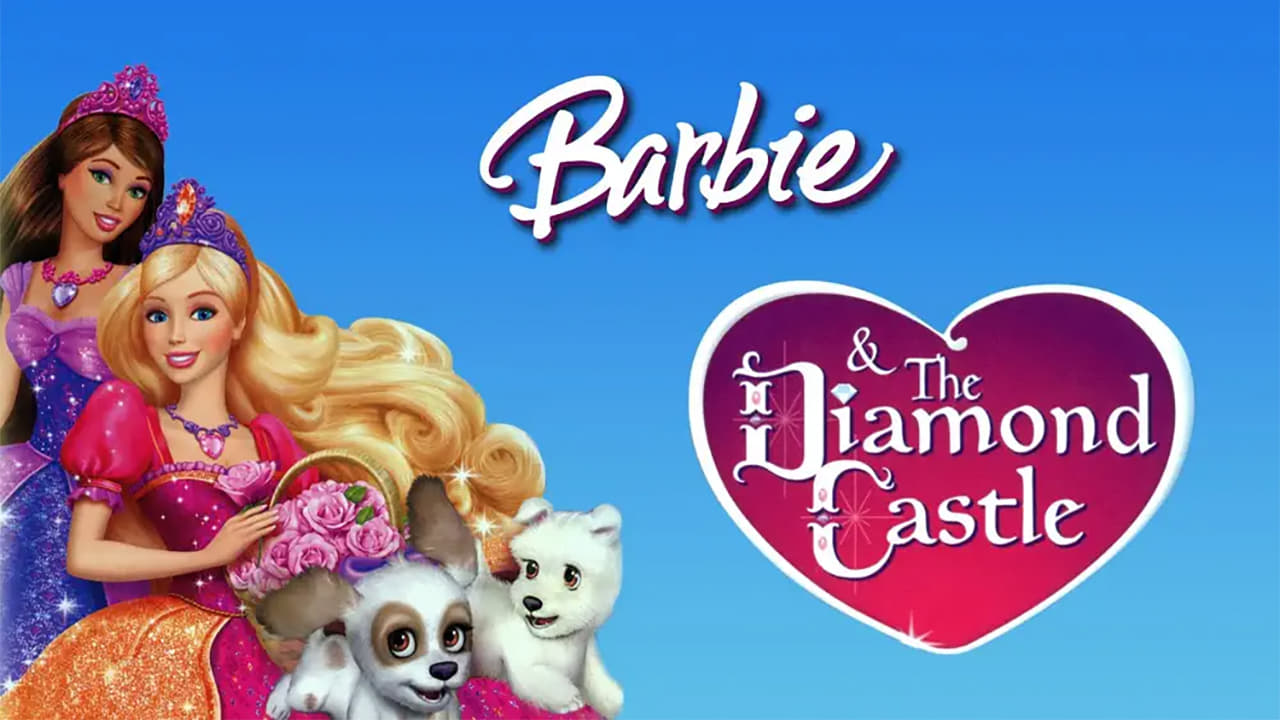
Barbie and the Diamond Castle
"Glitter, gems, and the power of two-part harmony."
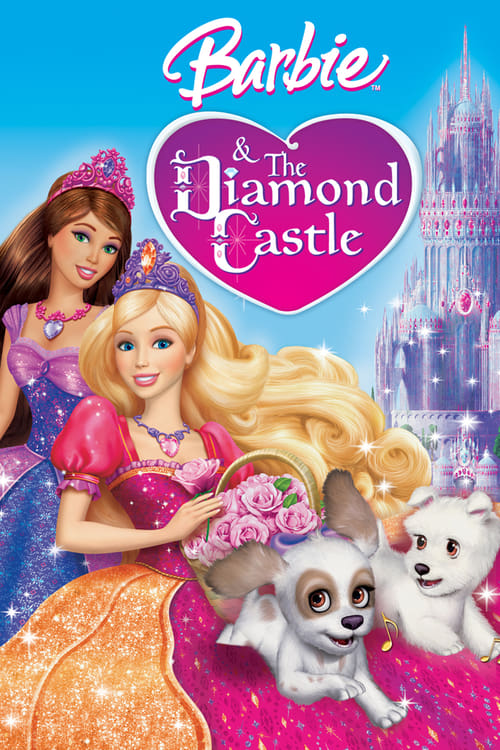
Before the Marvel Cinematic Universe perfected the art of the multi-film crossover, Mattel was busy building its own shimmering, pink empire in the direct-to-DVD market. By 2008, the Barbie film franchise was in its peak "Fairytale" era, a time when every release promised a new set of wings, a fresh ballroom gown, and a tie-in doll that probably occupied a permanent spot on your younger sister’s Christmas list. Barbie and the Diamond Castle arrived as the thirteenth entry in this CG-animated marathon, and looking back, it stands as a fascinating relic of a specific digital transition point—a moment when the technology was just barely catching up to the ambition of the world-building.
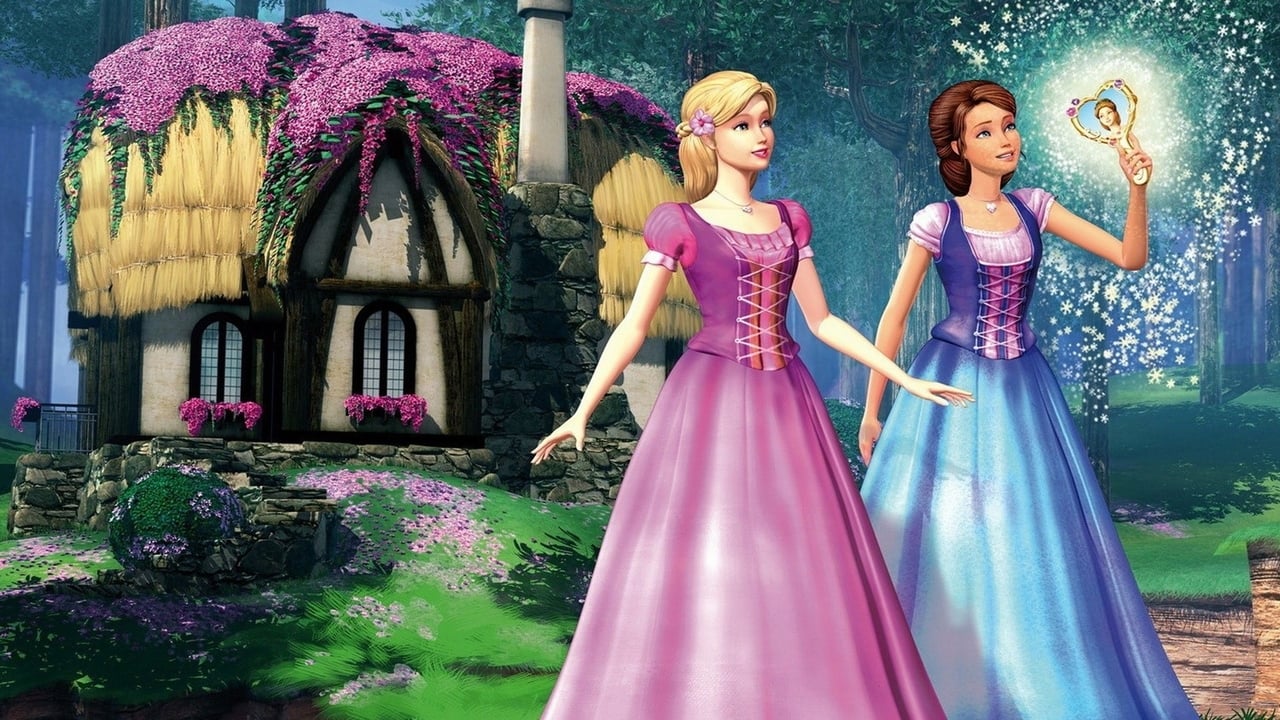
I recently revisited this one on a rainy Tuesday afternoon while snacking on a bowl of overly salted popcorn that left my fingers too greasy to use the remote, and I was struck by how much these films functioned as the "gateway drug" for musical theater kids. It’s not just a commercial for plastic toys; it’s a surprisingly earnest exploration of friendship that hits the beats of a classic folk legend, albeit one viewed through a heavy rose-colored filter.
The Uncanny Valley of the 2000s
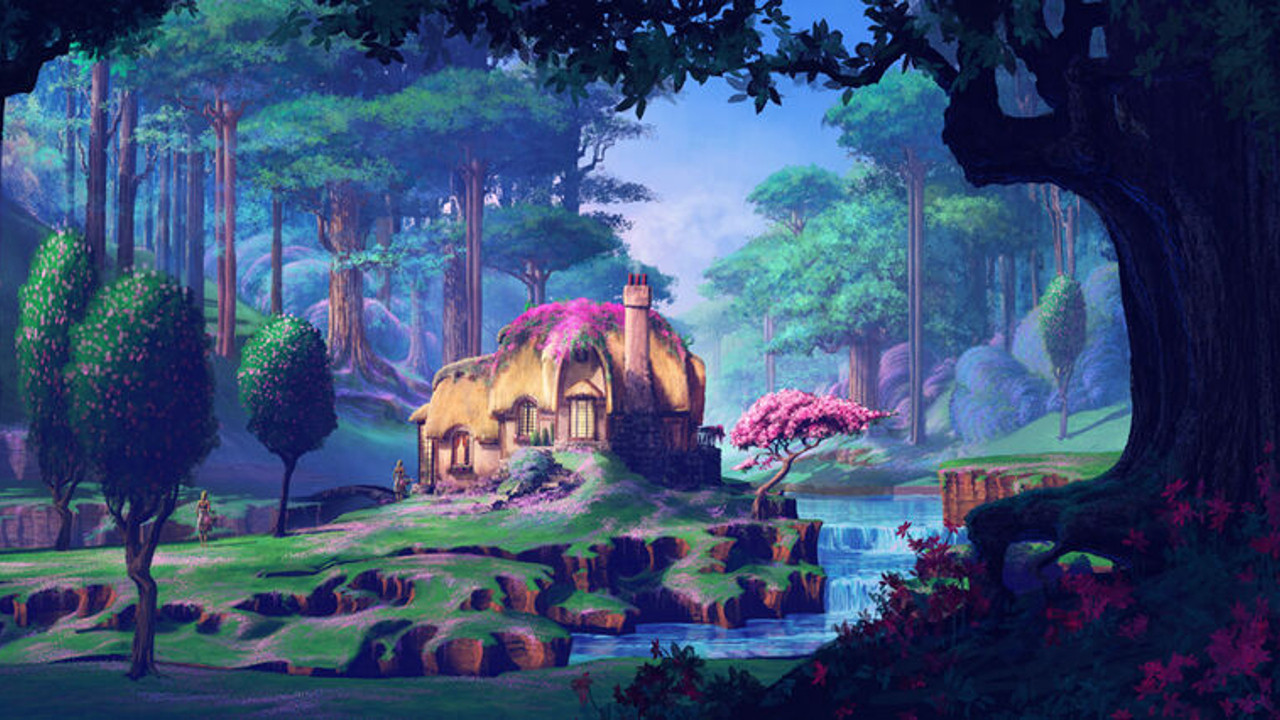
Watching Diamond Castle today is a lesson in the rapid evolution of CGI. Directed by Gino Nichele, who was a veteran of the Barbie-verse with films like Barbie as the Island Princess, the movie exists in that strange 2000s middle ground. The backgrounds are often lush and painterly, but the character models have that distinct, stiff "doll-jointed" movement that feels both nostalgic and slightly eerie. The hair, in particular, looks like it was sculpted out of solid blocks of marzipan, lacking the fluid physics we take for granted in modern Disney or DreamWorks features.
Yet, there is a charm in this technical limitation. This was the era of the DVD "Special Features" boom, and I recall how these discs used to come packed with "making-of" segments that treated the digital rendering process like high magic. In 2008, seeing the way light hit the "Diamond Castle" itself felt like a breakthrough for a home release. The film doesn't try to be photo-realistic; it leans into its artifice. It knows it’s a story within a story—framed by Kelly Sheridan as Barbie telling a tale to her sister Stacie (Chantal Strand) to settle a squabble—and that layer of artifice allows the viewer to forgive the fact that the characters occasionally glide across the grass rather than walking on it.
A Two-Part Harmony of Drama
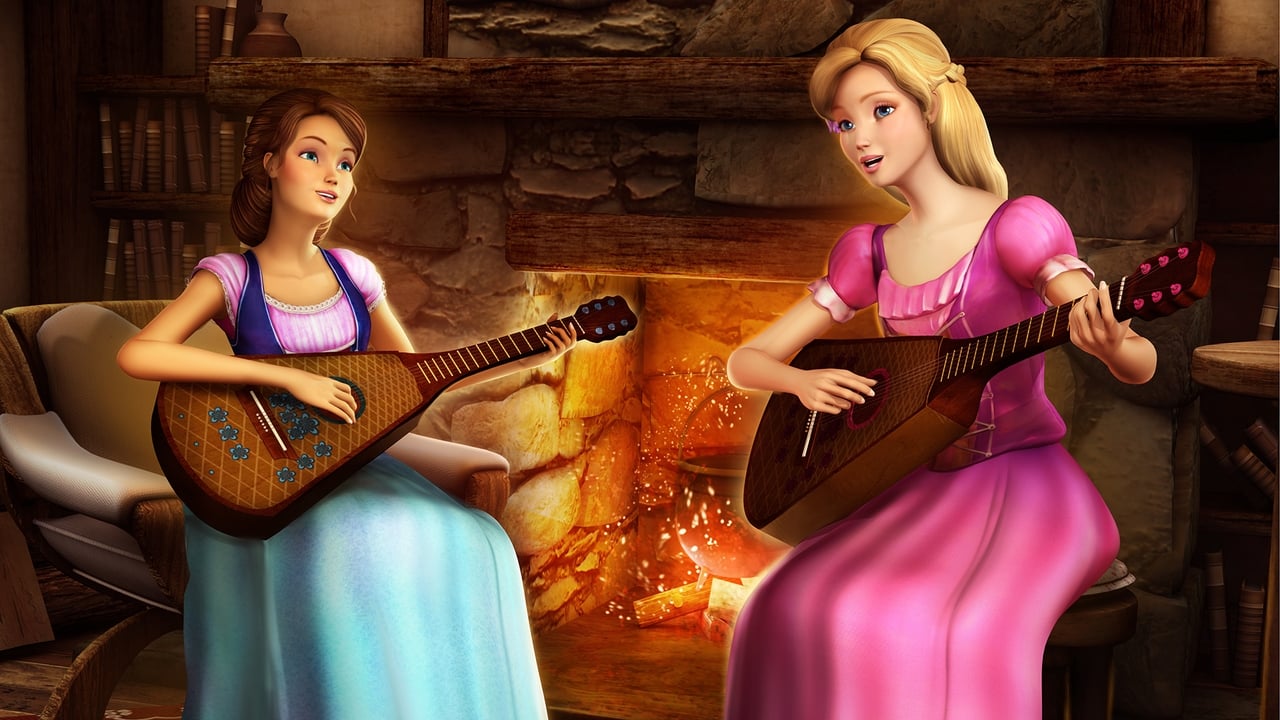
While the "Drama" label might seem a stretch for a film featuring a flying glitter-dragon, the core conflict between Liana and Alexa is handled with a level of sincerity that earns its emotional weight. This isn't a story about a princess finding a prince; it’s a story about two women navigating the breakdown of their platonic bond. Kelly Sheridan, the definitive voice of Barbie for a generation, brings a grounded warmth to Liana, while Cassidy Ladden provides the perfect foil as Alexa.
The drama peaks when the villainous Lydia (played with delicious, campy menace by Kathleen Barr) uses her magic flute to exploit the girls' insecurities. When Alexa chooses the allure of wealth and security over her friendship with Liana, it’s a genuinely stinging beat. For a film aimed at children, the betrayal feels like a Shakespearean tragedy played out in a garden of neon flowers. It’s the kind of performance nuance that made these films stand out from the lower-tier Saturday morning cartoons of the time. The singing, provided by Melissa Lyons for Liana, is impressively sharp, particularly in "Two Voices, One Song," a track that remains an absolute earworm for anyone who grew up in the late 2000s.
The Lost World of the Direct-to-DVD Era
There’s a reason Barbie and the Diamond Castle has slipped into a sort of semi-obscure cult status. As the industry shifted toward streaming, these specialized, mid-budget animated features lost their shelf space. We’ve moved into an era where Barbie is a billion-dollar meta-commentary directed by Greta Gerwig, leaving these earnest, sincere musical adventures feeling like artifacts from a simpler time.
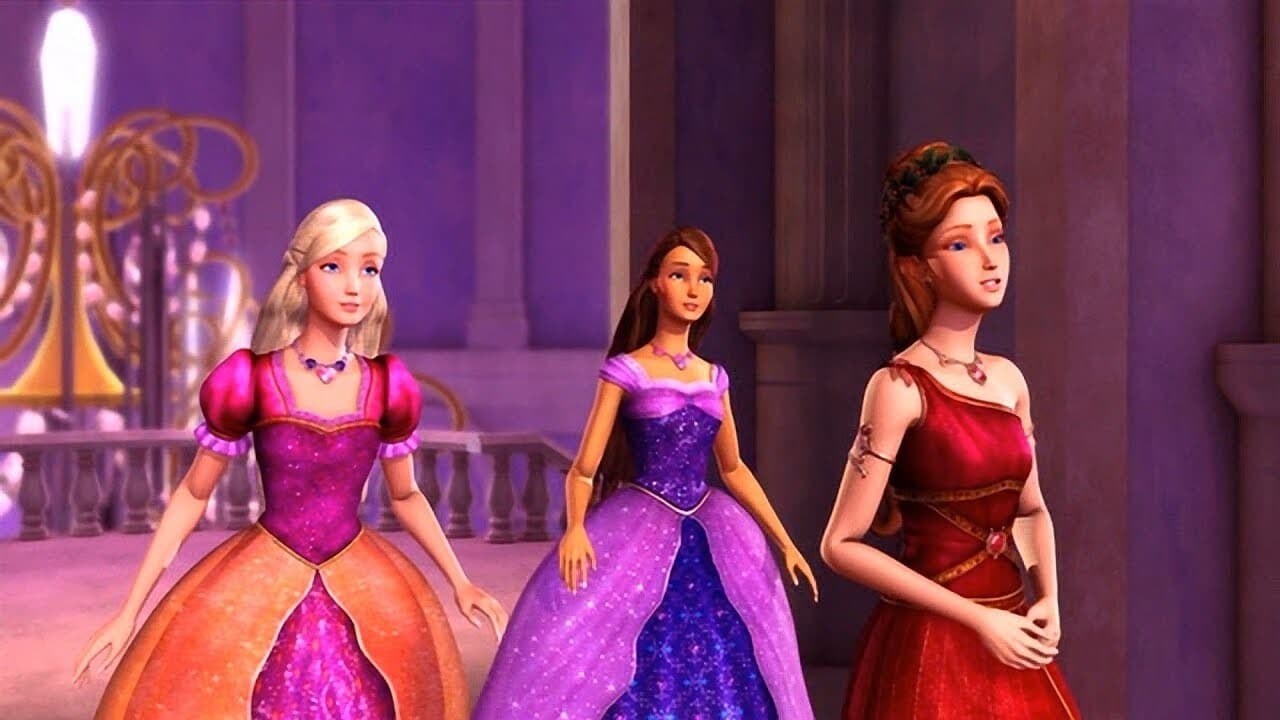
Behind the scenes, this was a massive undertaking for Rainmaker Entertainment. They were tasked with delivering high-end (for the time) musical numbers on a fraction of a theatrical budget. You can see the effort in the art direction—the "Muses" and their Greek-inspired aesthetic provide a nice break from the standard Central European cottage-core that dominated the earlier Barbie films. It’s also worth noting that this film was one of the last to feature the "old" Barbie face model before the 2010 redesign, making it a "Holy Grail" for collectors who prefer the classic, softer look of the early 2000s digital dolls.
Ultimately, Barbie and the Diamond Castle is a time capsule of 2008’s digital optimism. It’s a film that knows exactly what it is and serves its audience with catchy songs, a surprisingly decent script about the fragility of friendship, and enough sparkles to power a small city. It might not have the technical polish of Toy Story, but it has a heart of solid gold—or at least, high-quality plastic. If you’re looking for a hit of pure, unadulterated "Modern-Classic" nostalgia, you could do far worse than joining these two best friends on their musical quest.
Keep Exploring...
-
Barbie as The Princess & the Pauper
2004
-

Barbie in the 12 Dancing Princesses
2006
-

Barbie of Swan Lake
2003
-
Barbie in the Nutcracker
2001
-

Barbie as Rapunzel
2002
-
Barbie: Princess Charm School
2011
-
Mickey, Donald, Goofy: The Three Musketeers
2004
-
Jack-Jack Attack
2005
-
Lilo & Stitch 2: Stitch Has a Glitch
2005
-
Bambi II
2006
-
Brother Bear 2
2006
-
Cinderella III: A Twist in Time
2007
-
The Little Mermaid: Ariel's Beginning
2008
-
Tinker Bell
2008
-
Partly Cloudy
2009
-
Tinker Bell and the Lost Treasure
2009
-
Tinker Bell and the Great Fairy Rescue
2010
-
A Monster in Paris
2011
-
Winnie the Pooh
2011
-

Secret of the Wings
2012