Blindness
"In the land of the blind, the seeing suffer most."
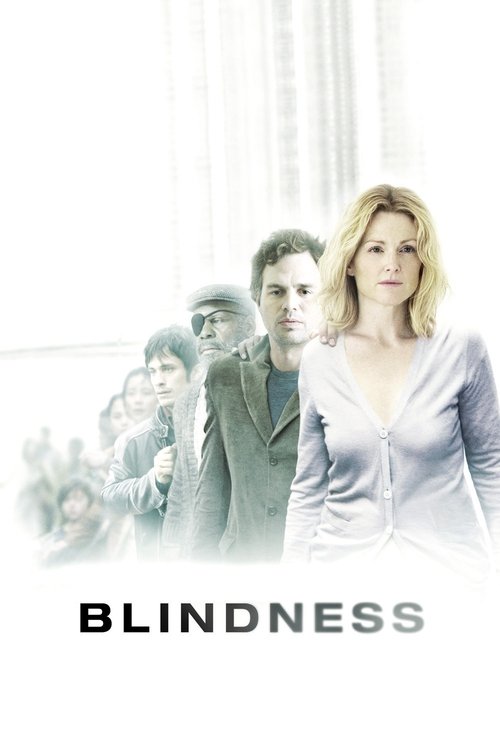
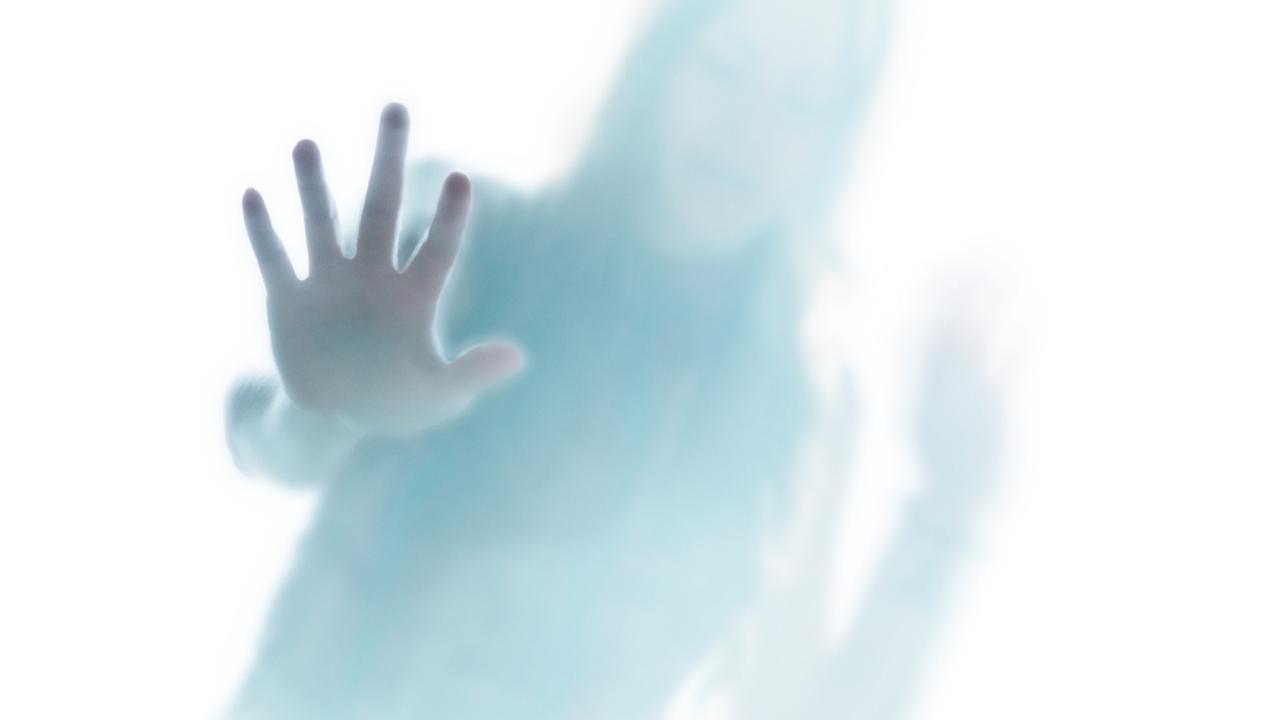
The world usually ends in fire, ice, or zombies, but in Fernando Meirelles’ 2008 film Blindness, it ends in a blinding, milky wash of white. There is no darkness here. Instead, a sudden, contagious "white sickness" strikes a nameless city, leaving its citizens staring into a permanent glare. It’s a terrifying premise, yet despite a pedigree that includes a Nobel Prize-winning source novel and a cast that would make any modern producer weep with joy, this movie has largely vanished into the memory-hole of the late 2000s.
I watched this recently while nursing a lukewarm cup of peppermint tea that had a single, stubborn leaf floating on top, and that small, focused irritant felt strangely appropriate for a film that demands you look at things you’d rather ignore.
The Overexposed Apocalypse
Coming off the massive success of City of God (2002) and The Constant Gardener (2005), Fernando Meirelles was the perfect choice to adapt José Saramago’s notoriously "unfilmable" book. He brought along his frequent collaborator, cinematographer César Charlone, to create a visual language that replicates the affliction. They didn't just film a story about blindness; they tried to make the audience feel it. The screen is often overexposed, bleeding out the details until the world looks like a faded photograph left in the sun too long.
This was 2008—the year of The Dark Knight and Iron Man—a time when cinema was pivoting hard toward high-contrast, digital crispness and the birth of the massive franchise era. Blindness, by contrast, felt like a gritty, analog throwback that didn't care if you were having a good time. It’s a sensory assault. The sound design is cluttered and claustrophobic, and the visuals are intentionally frustrating. The movie is a relentless exercise in making the viewer feel as helpless as the characters.
A Study in Human Decay
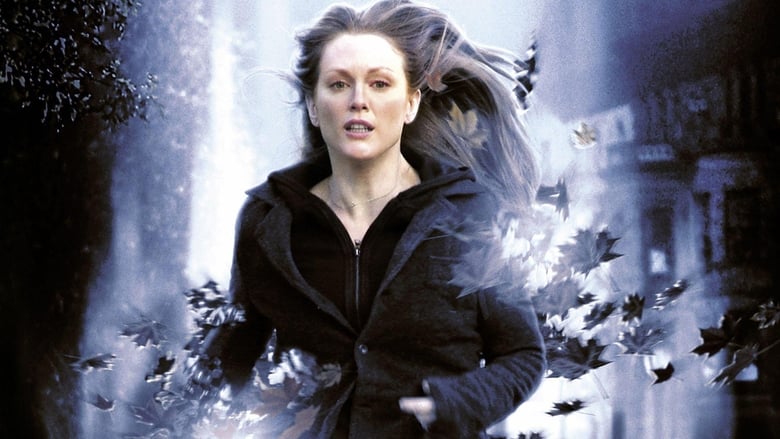
At the center of the storm is Julianne Moore, playing the Doctor's Wife. She is the only person who retains her sight, though she feigns blindness to stay with her husband (Mark Ruffalo) in a squalid government quarantine. Moore is one of our greatest "internal" actors, and here she has to carry the weight of being the world's only witness to its own collapse. Her performance isn't about grand speeches; it’s about the look of absolute exhaustion as she watches people lose their dignity in real-time.
The quarantine scenes are where the film earns its "Thriller" tag, though "Horror" might be more accurate. As the interned blind struggle to organize, a faction led by the "King of Ward Three"—a terrifyingly petty Gael García Bernal (best known then for The Motorcycle Diaries)—takes control of the food supply. He demands jewelry, and eventually women, in exchange for survival.
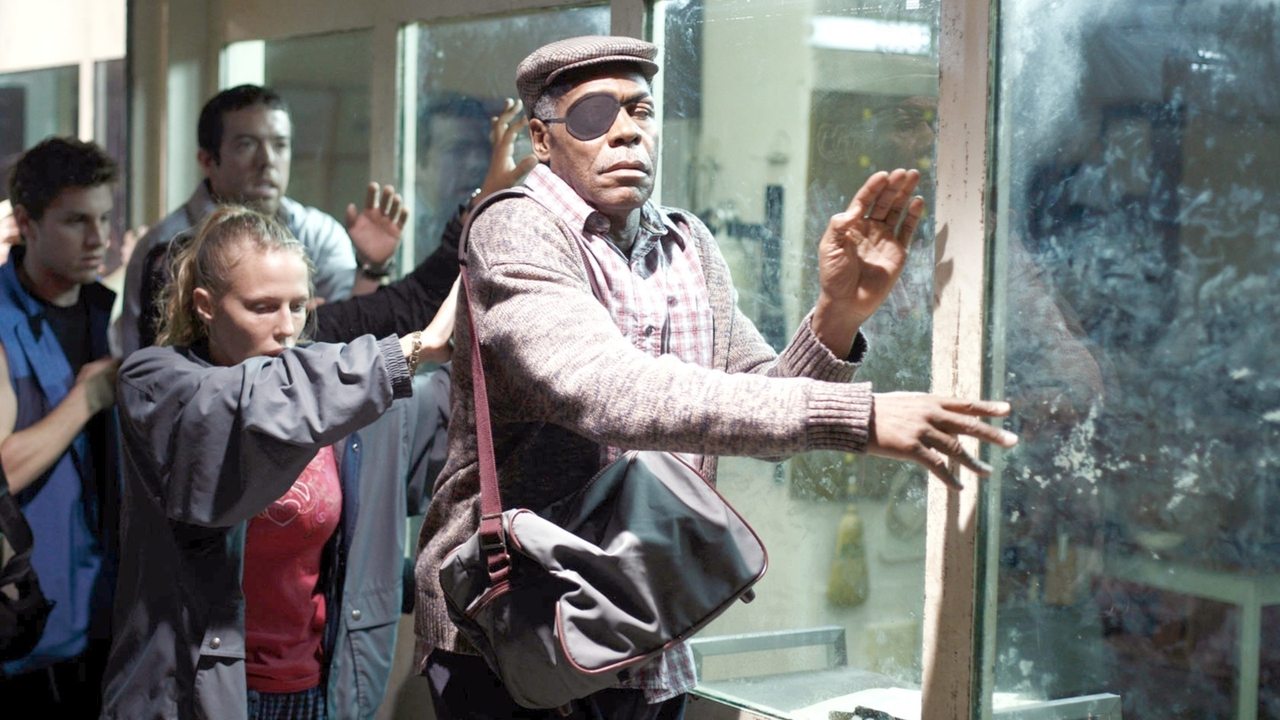
Gael García Bernal creates a villain who is pathetic yet monstrous, a reminder that the end of the world doesn't empower the brave; it empowers the cruel. Seeing Danny Glover as an old man with a black eye patch and Alice Braga as a woman in dark glasses adds to the ensemble’s texture, but the film belongs to Moore. She is the moral compass in a world that has lost its north.
Why It Vanished into the White

So, why don't we talk about this movie anymore? For one, it’s aggressively bleak. It was released during the height of "pre-apocalypse" anxiety—think Children of Men (2006) or The Road (2009). While those films found a cult following, Blindness was met with a shrug and some controversy. Advocacy groups for the blind protested the film’s depiction of the afflicted as "animalistic," and critics found the middle act’s descent into sexual violence and filth to be too much to stomach.
It’s also a film caught between eras. It lacks the slickness of the digital revolution that was just taking hold, opting for a messy, tactile feel that felt "old" even in 2008. It’s a movie that demands a DVD-style deep dive—I remember the special features on the disc explaining how they used "vision-distorting" lenses—but in our current streaming landscape, such nuances are often lost.
The production itself was a globalized puzzle, filmed in São Paulo, Guelph, and Montevideo, trying to create a "universal" city that belonged nowhere. Maybe that’s why it feels so untethered. It doesn't have a home in our cultural memory because it refused to give us the "triumphant" ending the marketing promised. The tagline says your vision will change forever, but the movie suggests that even if you can see, you’re probably choosing to look the other way.
Blindness is a difficult, often repulsive film that deserves points for its sheer stylistic ambition. Julianne Moore delivers a powerhouse performance, and the first forty minutes are a masterclass in building tension through sensory deprivation. However, it eventually bogs down in its own misery, losing the metaphorical weight of the book in favor of a "Lord of the Flies" scenario that feels a bit too familiar. It’s a fascinating relic of late-2000s "serious" cinema—worth seeing once, if only to appreciate the sight of a clear blue sky when the credits finally roll.


Keep Exploring...
-
The Forgotten
2004
-
The Constant Gardener
2005
-
The Jacket
2005
-
Passengers
2008
-

Dreamcatcher
2003
-

Revolver
2005
-
Inland Empire
2006
-
In the Valley of Elah
2007
-
Premonition
2007
-

Pride and Glory
2008
-

The X Files: I Want to Believe
2008
-
Untraceable
2008
-

The Fourth Kind
2009
-
Chloe
2010
-
Dream House
2011
-
Spider
2002
-
Basic
2003
-
I'm Not Scared
2003
-

Paycheck
2003
-
Sky Captain and the World of Tomorrow
2004