Burn After Reading
"Intelligence is the ultimate casualty."
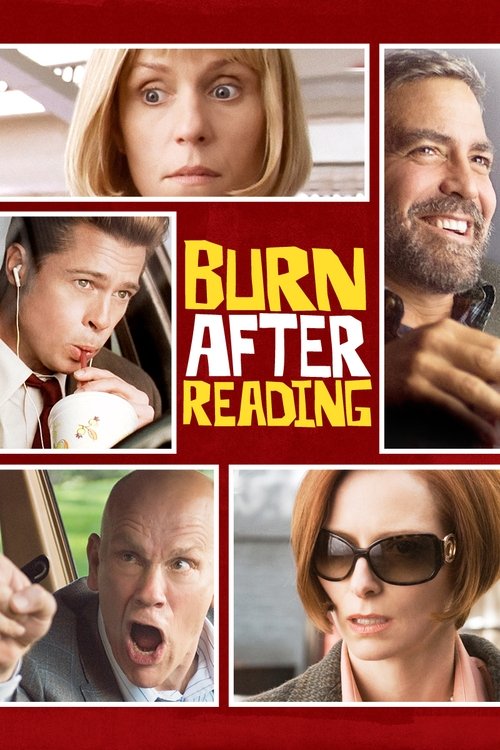
There is a specific, itchy kind of anxiety that comes with watching a movie where every single character is convinced they are the smartest person in the room, while the audience knows they wouldn’t be able to find their own feet in a brightly lit closet. Released in 2008, Burn After Reading arrived as a jagged, cynical palate cleanser following the Coen Brothers’ somber, Oscar-sweeping No Country for Old Men. If their previous film was a meditation on the inevitability of evil, this one is a loud, colorful scream about the inevitability of human stupidity. It’s a spy thriller where there are no spies, only gym employees and middle-aged bureaucrats having extremely expensive temper tantrums.
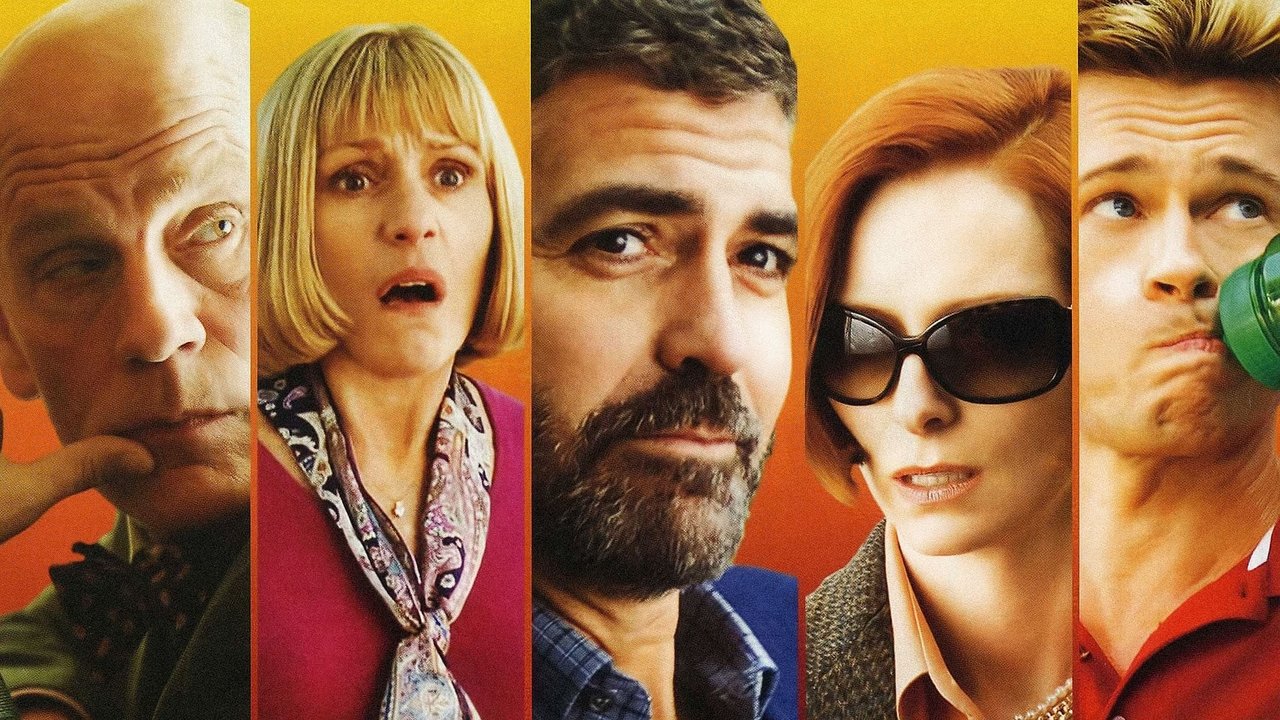
I watched this on a Tuesday afternoon while my neighbor was power-washing his driveway for four straight hours, and the mind-numbing, repetitive drone of the water felt like the perfect acoustic accompaniment to the sheer, concentrated idiocy unfolding on my screen.
The High Cost of Looking Good
At its heart, the film is a drama about desperation, though it’s disguised as a caper. Frances McDormand plays Linda Litzke, a gym manager who is singularly obsessed with obtaining four specific cosmetic surgeries. She doesn't want to rule the world; she just wants a flat stomach and a neck lift. It’s a deeply human, if shallow, motivation that drives the entire plot into a ditch. When she and her co-worker, the relentlessly upbeat and tragically dim-witted Chad Feldheimer—played by Brad Pitt in what I firmly believe is the funniest performance of his career—find a lost disc containing the "memoirs" of a disgruntled CIA analyst, they don't see a threat to national security. They see a payday for Linda’s elective procedures.
The drama comes from the disconnect between the characters' perceived stakes and the reality of their situation. The Coens use a cold, clinical visual style—aided by the legendary cinematographer Emmanuel Lubezki—to treat these morons with the same gravity you’d afford a nuclear crisis. Brad Pitt’s hair in this movie is the most important special effect of the 2000s, a frosted-tipped monument to a man who thinks he’s in a Jason Bourne movie but is actually just a guy who likes Gatorade and spandex.
Performance as a Contact Sport

The ensemble is a "who's who" of actors leaning into their most unlikable impulses. John Malkovich is a volcanic delight as Osborne Cox, the CIA analyst whose life is unraveling. His performance is a masterclass in articulate rage; watching him scream "You think that's a crucial file?" at a confused Brad Pitt is a highlight of 21st-century comedy. Then there’s George Clooney as Harry Pfarrer, a paranoid U.S. Marshal who spends his time building "the floor polisher" in his basement and jogging to escape his own mounting anxieties.
Clooney plays Harry as a man who is constantly looking over his shoulder, not because he’s a dangerous operative, but because he’s a profound coward. The chemistry—or lack thereof—between these characters creates a friction that is both hilarious and genuinely tense. Tilda Swinton rounds out the mess as the icy, adulterous Katie Cox, providing a sharp, humorless edge that makes the surrounding buffoonery feel even more dangerous. I found myself particularly drawn to Richard Jenkins as Ted, the gym owner who is clearly the only person with a soul in the entire movie, making his eventual involvement in the chaos feel like a genuine tragedy.
A Monument to Human Folly
Looking back, Burn After Reading captures a very specific post-9/11, pre-social-media-explosion zeitgeist. It’s a film about the "Intelligence Community" in an era where the word "intelligence" felt increasingly like a punchline. The movie was a massive commercial success, turning its $37 million budget into over $163 million at the box office. Audiences in 2008 were clearly hungry for this kind of cynical, star-studded deconstruction of the American security apparatus. It remains one of the Coens’ highest-grossing films, proving that playing a complete idiot is the most effective way for a movie star to earn our trust.

The production was famously breezy compared to the grueling shoot of No Country for Old Men. The Coens wrote the script while they were still working on the former, using it as a creative outlet for all the absurdity they couldn't fit into a Western. The "Trilogy of Idiots" (which includes O Brother, Where Art Thou? and Intolerable Cruelty) supposedly concludes here with George Clooney, and it’s a fitting end. The trivia that always sticks with me is that the CIA offices were meticulously designed to look as boring and "beige" as possible, emphasizing that the halls of power are often occupied by people who are just waiting for the clock to hit five.
In the end, Burn After Reading is a film about nothing, which is precisely why it’s so brilliant. It reflects a world where information is traded like currency, even when that information has no value. The final scene, featuring two CIA superiors trying to wrap their heads around the carnage that just occurred, serves as the perfect post-script for the entire era. They didn't learn anything, the characters didn't grow, and the world is no safer—but I’ll be damned if it wasn't a blast to watch it all burn.


Keep Exploring...
-
A Serious Man
2009
-
True Grit
2010
-
Intolerable Cruelty
2003
-
Barton Fink
1991
-
The Hudsucker Proxy
1994
-
O Brother, Where Art Thou?
2000
-
The Man Who Wasn't There
2001
-

The Descendants
2011
-
Inside Llewyn Davis
2013
-
Hail, Caesar!
2016
-
The Ladykillers
2004
-

Juno
2007
-

Miller's Crossing
1990
-

Up in the Air
2009
-

Something's Gotta Give
2003
-

Cheaper by the Dozen
2003
-

Mean Girls
2004
-

Sideways
2004
-

The Princess Diaries 2: Royal Engagement
2004
-

The Devil Wears Prada
2006