Changeling
"Justice is a lost child in a city of lies."
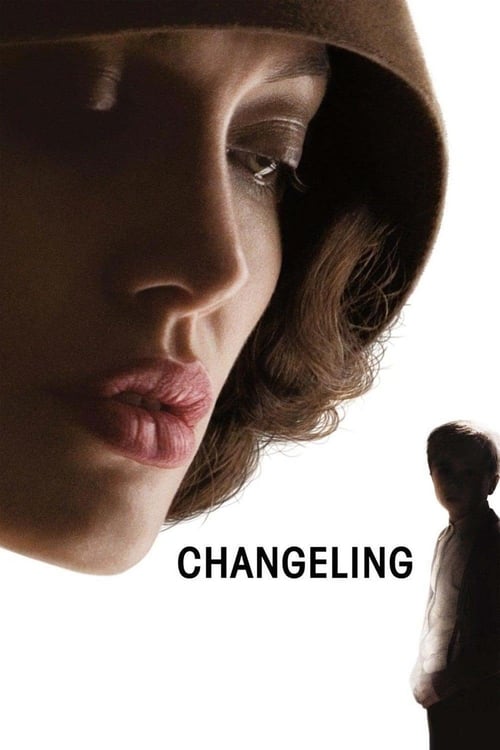
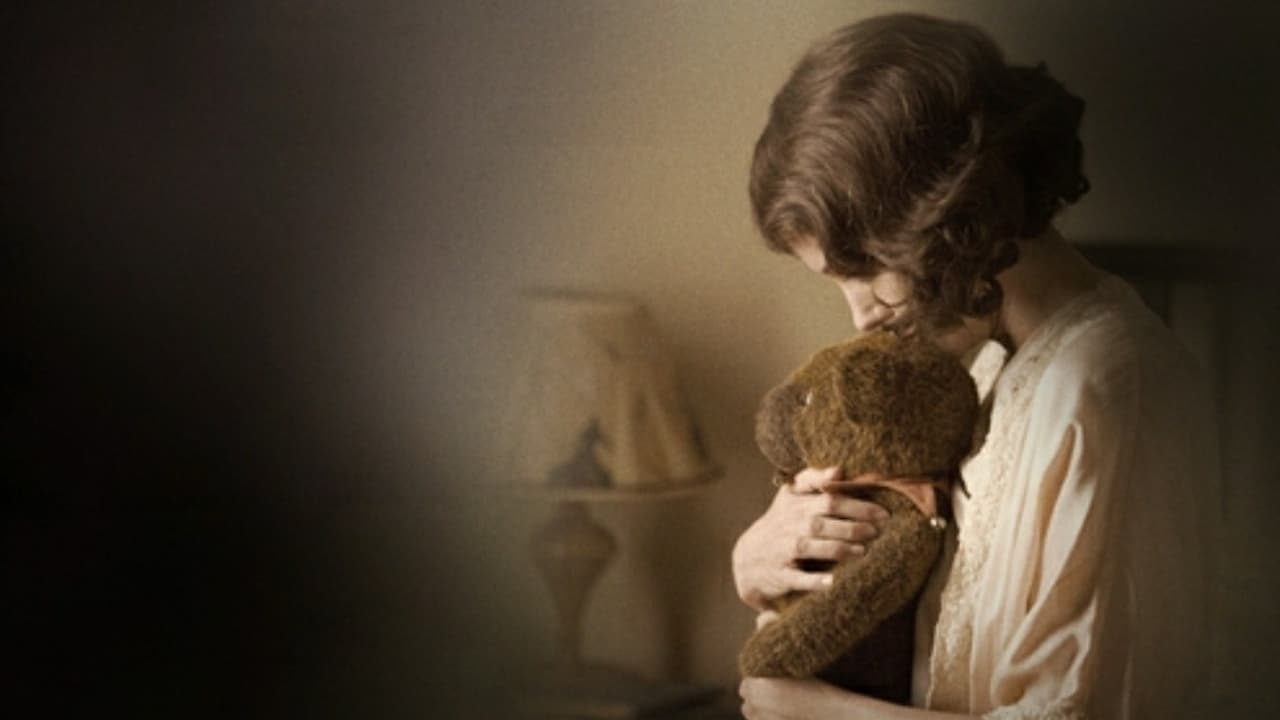
If you want to understand the sheer, unadulterated gall of the 1920s Los Angeles Police Department, look no further than the moment they tell a grieving mother that her son has shrunk three inches because of "the trauma." It is one of the most infuriating sequences in 21st-century cinema, and it sets the stage for Changeling, a film that wears the costume of a prestige period drama but carries the jagged soul of a psychological horror movie.
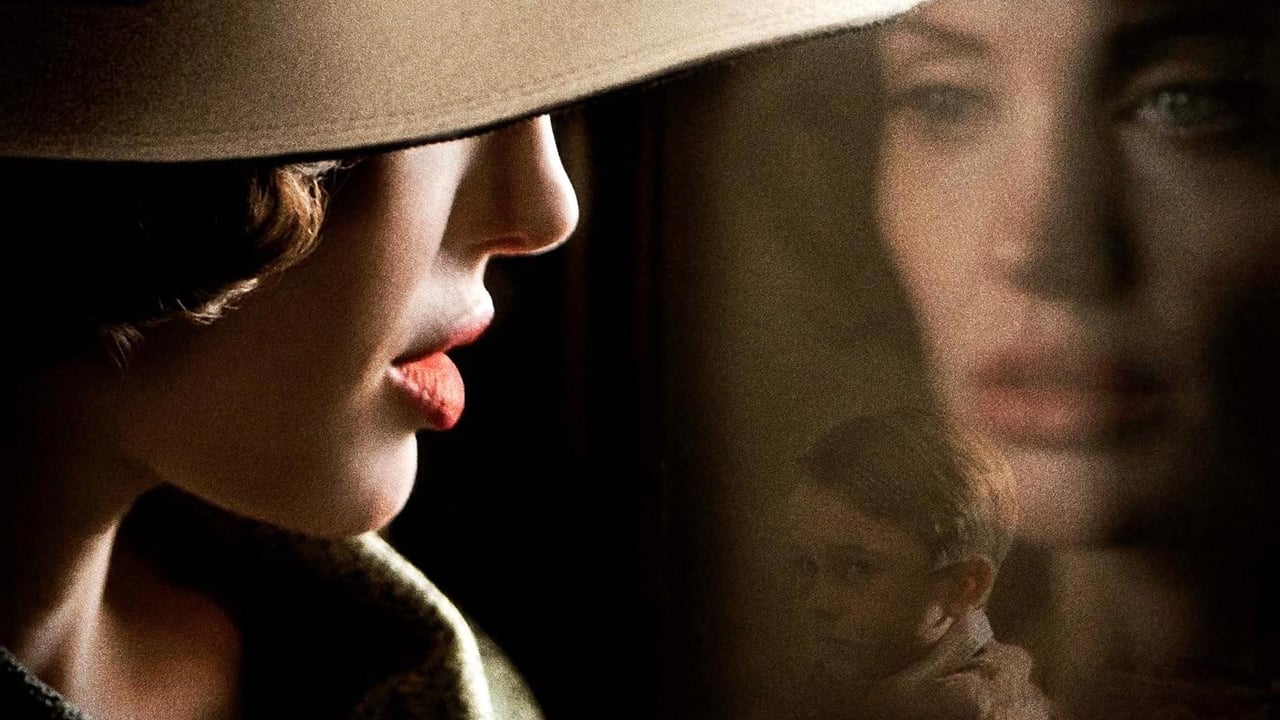
I recently rewatched this while working my way through a slightly stale blueberry muffin I’d forgotten in the bottom of my bag for three days. The dry, crumbly texture felt oddly appropriate for the parched, dusty aesthetic Clint Eastwood brings to 1928 Los Angeles. This isn't the glitzy Hollywood of the silent era; it’s a city of streetcars, heavy wool coats, and a police force that functioned more like a state-sponsored gang.
The Art of the Narrative Gut-Punch
The story, penned by J. Michael Straczynski (the mind behind Babylon 5, showing incredible range here), follows Christine Collins, played with a brittle, haunting intensity by Angelina Jolie. When her nine-year-old son Walter vanishes, the LAPD—reeling from a series of corruption scandals—needs a win. Five months later, they find a boy in Illinois who claims to be Walter. They fly him to LA, arrange a massive press junket at the train station, and practically force him into Christine's arms.
The problem? He isn't her son.
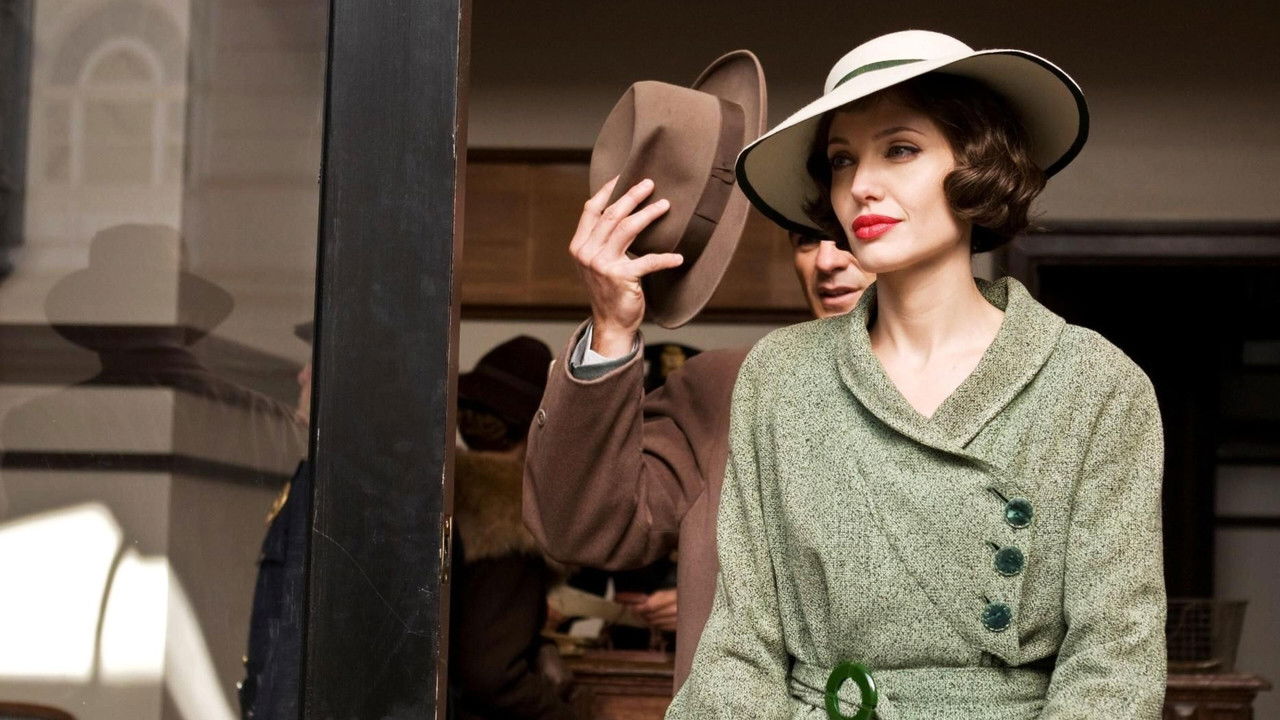
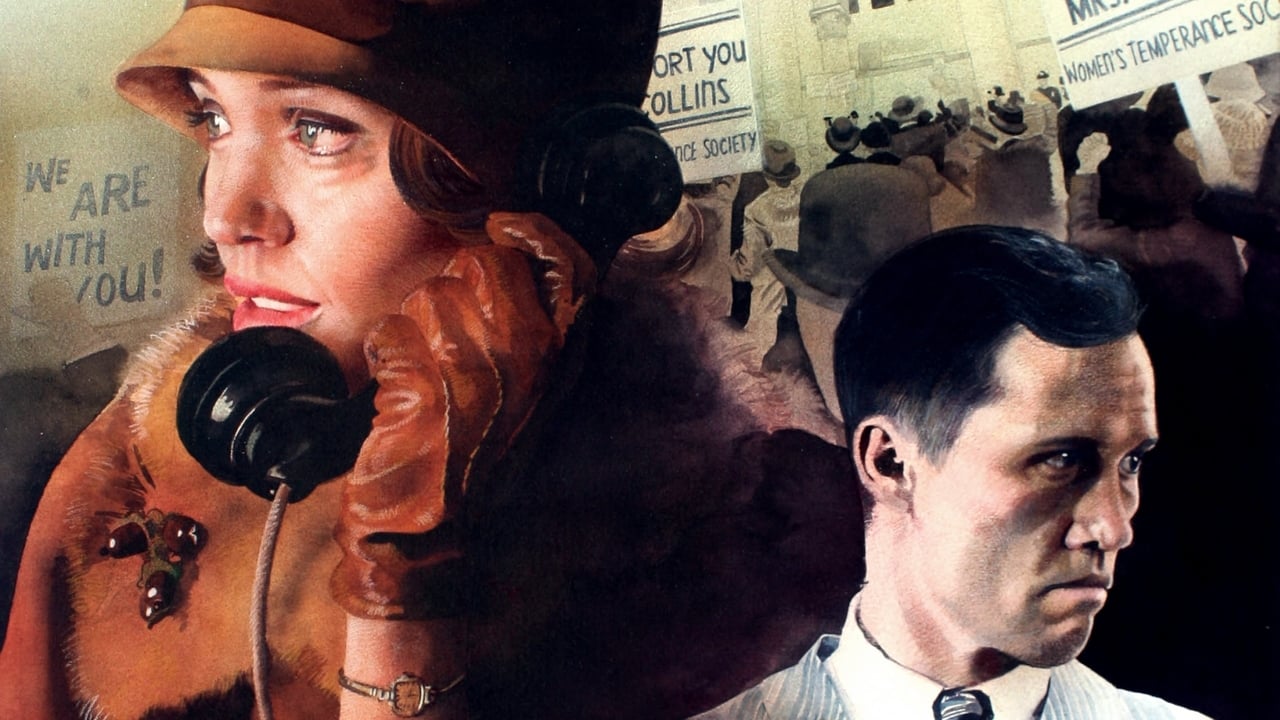
What follows is the ultimate gaslighting. Jeffrey Donovan, known to many as the suave spy in Burn Notice, is absolutely loathsome here as Captain J.J. Jones. He doesn't just dismiss Christine; he tries to convince her she’s suffering from "maternal hysteria." He treats her like a malfunctioning piece of equipment. When she refuses to accept the impostor, the state doesn't apologize—it retaliates. Watching the gears of a corrupt system grind a lone woman down is genuinely difficult to sit through, but Angelina Jolie anchors the film with a performance that reminds you why she was the biggest star on the planet in 2008. She’s physically frail—her red lipstick looks like a wound against her pale skin—but her resolve is made of rebar.
Eastwood’s Minimalism and the Era of "Real" Sets
Released during that mid-to-late 2000s window when Clint Eastwood was on a tear (Letters from Iwo Jima, Gran Torino), Changeling benefits from his "one-take Clint" reputation. There’s a lack of fussiness here. Tom Stern, his long-time cinematographer, uses a desaturated palette that makes the 1920s look like a faded photograph come to life.
What I appreciate looking back is how the film handles its period setting. In the late 2000s, we were starting to see the transition where every background was a green screen, but Changeling feels lived-in. They used the Universal backlot and digital matte paintings with restraint. The result is a Los Angeles that feels wide and lonely, rather than a CGI playground. The score, also composed by Clint Eastwood, is a simple, melancholic piano theme that avoids telling you how to feel, opting instead for a quiet, lingering sadness that stays in your ribs.
The Wineville Legacy and DVD Deep-Dives
While the film was a modest box-office success, it has developed a significant cult following among true-crime aficionados. This isn't just a "based on a true story" Hollywood exaggeration; the real-life Wineville Chicken Coop murders, which intersect with Christine’s search, are actually more disturbing than what made it into the final cut.
If you tracked down the original DVD release, the special features revealed that J. Michael Straczynski spent a year digging through City Hall archives after a contact told him they were burning old records. He found the transcripts for the sanity hearings and the Northcott trial in a literal pile of trash. That’s why the dialogue in the courtroom and the hospital feels so oddly formal and sharp—much of it was pulled directly from the historical record.
John Malkovich pops up as Reverend Briegleb, the activist preacher who takes on the LAPD, and while he’s restrained for John Malkovich, he provides the only warmth in a movie that is otherwise quite cold. He represents the dawn of the civil rights movement in LA, fighting a "Code 12" system that allowed the police to institutionalize anyone who made them look bad. I wanted to cheer when he finally started sticking it to the Chief of Police, played with oily perfection by Colm Feore.
Why This Story Still Stings
Changeling doesn't offer the easy, cathartic ending we usually demand from our mysteries. It is a film about the lack of closure and the endurance of hope in the face of absolute systemic cruelty. It’s also a fascinating look at the "Darker Side of Disney-era LA," showing the foundations of the city we see in films like L.A. Confidential or Chinatown.
The movie's most terrifying performance actually comes from Jason Butler Harner as Gordon Northcott. He manages to be both pathetic and monstrous, a difficult needle to thread. His scenes at the gallows are some of the most intense minutes of film from that entire decade.
Looking back from 2024, Changeling feels like a bridge between the classic Hollywood dramas of the 90s and the modern obsession with prestige true-crime. It’s a long sit at 141 minutes, but it earns every second of your time by refusing to look away from the ugliness of its history. It’s a movie that makes you want to hug your kids and file a formal complaint against your local government at the same time.
Ultimately, this is a film that rewards your attention with a story that feels almost too insane to be true. Angelina Jolie delivers a career-best turn, and Clint Eastwood’s steady hand keeps the narrative from spiraling into melodrama. It’s a dark, often punishing experience, but it’s an essential piece of 2000s cinema that proves the most frightening monsters aren't hiding in the woods—they’re wearing badges and sitting behind mahogany desks. You’ll leave it feeling a little drained, but you won’t be able to stop thinking about it.
Keep Exploring...
-
Mystic River
2003
-
Gone Baby Gone
2007
-
Lucky Number Slevin
2006
-
Letters from Iwo Jima
2006
-
A Perfect World
1993
-

Batman: Under the Red Hood
2010
-
J. Edgar
2011
-
Batman: The Dark Knight Returns, Part 1
2012
-

Batman: The Dark Knight Returns, Part 2
2013
-
The Life of David Gale
2003
-

Batman Begins
2005
-

American Gangster
2007
-

Zodiac
2007
-

Law Abiding Citizen
2009
-

Sherlock Holmes: A Game of Shadows
2011
-

The Girl with the Dragon Tattoo
2011
-
I'm Not Scared
2003
-
Tell No One
2006
-
Invictus
2009
-
Mother
2009