City of Ember
"The lights are finally going out."
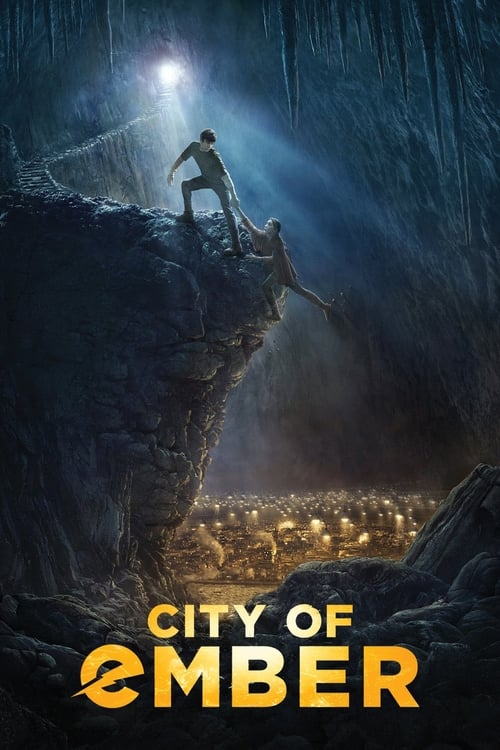
Imagine a world where the sun is a myth and the sky is a ceiling of cold, black rock. For two centuries, the residents of Ember have lived under the warm, buzzing glow of thousands of floodlights, powered by a massive, thrumming generator buried deep in the earth. But the "Builders" who designed the city only intended for it to last 200 years, and as the film opens, that timer has run out. The lights are flickering, the blackouts are lasting longer, and the pantry shelves are growing bare. It is a premise that hums with the kind of high-concept urgency that 1980s Amblin-era films thrived on, yet City of Ember arrived in 2008 and promptly disappeared into the very darkness it depicted.

I watched this recently on a laptop screen that had a single dead pixel in the center, which made it look like a tiny, permanent star was trapped in Ember’s subterranean sky—a fittingly lonely way to experience a film that history seems to have left behind.
A World Built of Gears and Grime
What strikes me most about City of Ember today is how tangible it feels. We were firmly in the "CGI revolution" by 2008, yet director Gil Kenan (who would later tackle Ghostbusters: Frozen Empire) made the inspired choice to build much of the city as a massive, functional set. Constructed inside the cavernous Paint Hall studio in Belfast—the same shipyard where the Titanic was built—the city feels lived-in, rusted, and delightfully analog. Every pipe looks like it has been repaired a thousand times; every light switch has a greasy patina of human touch.
In an era where every fantasy film was beginning to look like a glossy, over-saturated video game, Ember felt wonderfully tactile. It’s a "steampunk" world, but a grounded one. There are no brass goggles or unnecessary cogs here; the technology is functional and failing. Looking back, this was one of the last gasps of the big-budget practical fantasy before the industry fully pivoted to the "everything is green screen" mentality of the 2010s. The score by Andrew Lockington complements this perfectly, echoing the mechanical heartbeat of a city that is literally running out of time.
Small Heroes in a Big, Dark Box
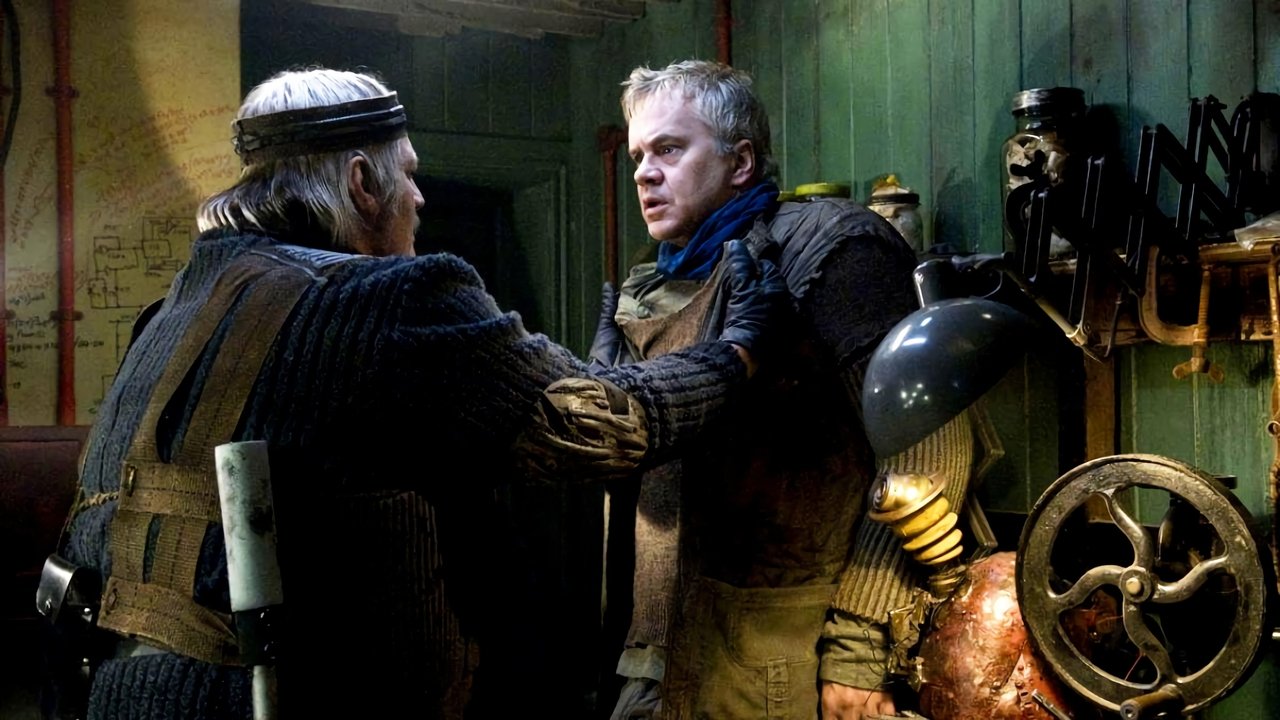
The film’s heart belongs to Saoirse Ronan as Lina Mayfleet and Harry Treadaway as Doon Harrow. Saoirse Ronan was fresh off her Oscar-nominated turn in Atonement, and even here, in a "family adventure," she possesses a gravity that most child actors can’t touch. She doesn’t play Lina as a "chosen one" in the modern superhero sense; she’s just a fast-talking messenger who is observant enough to realize that the adults in charge have stopped looking for solutions.
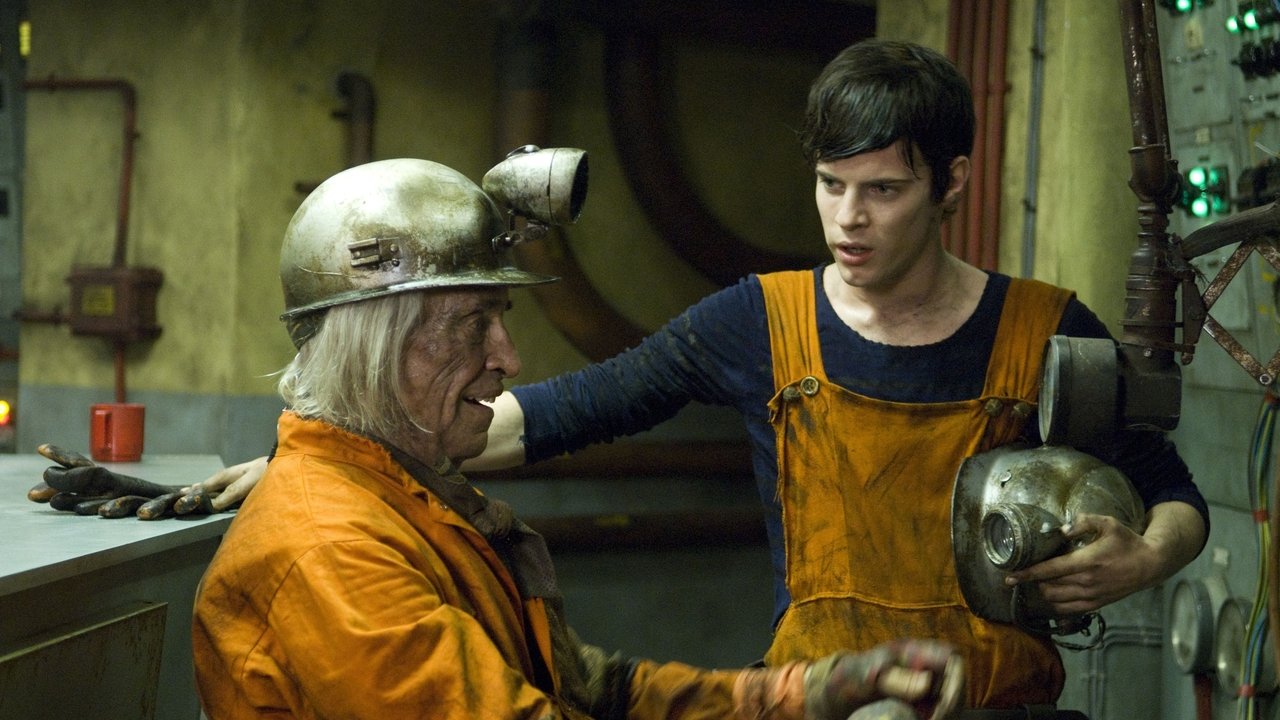
The adult cast is equally fascinating, though they seem to be acting in three different movies. Bill Murray plays Mayor Cole with a lethargic, buffet-clearing apathy that is genuinely unsettling. Bill Murray looks like he’s trying to win a secret award for "Most Bored Man in a Dying Civilization," and it works perfectly for a villain who has traded the city’s future for a hidden stash of canned peaches. Meanwhile, Tim Robbins brings a soulful, melancholic weight as Doon’s father, a man who has tried and failed to fix the world and is now just trying to keep his son safe.
The adventure itself is a classic "race against the clock" mystery. The discovery of a metal box containing cryptic, shredded instructions provides the MacGuffin, but the real joy is watching Lina and Doon navigate the verticality of their world. They aren't fighting monsters with swords; they are solving puzzles with logic and bravery.
The Tragedy of Wrong Timing
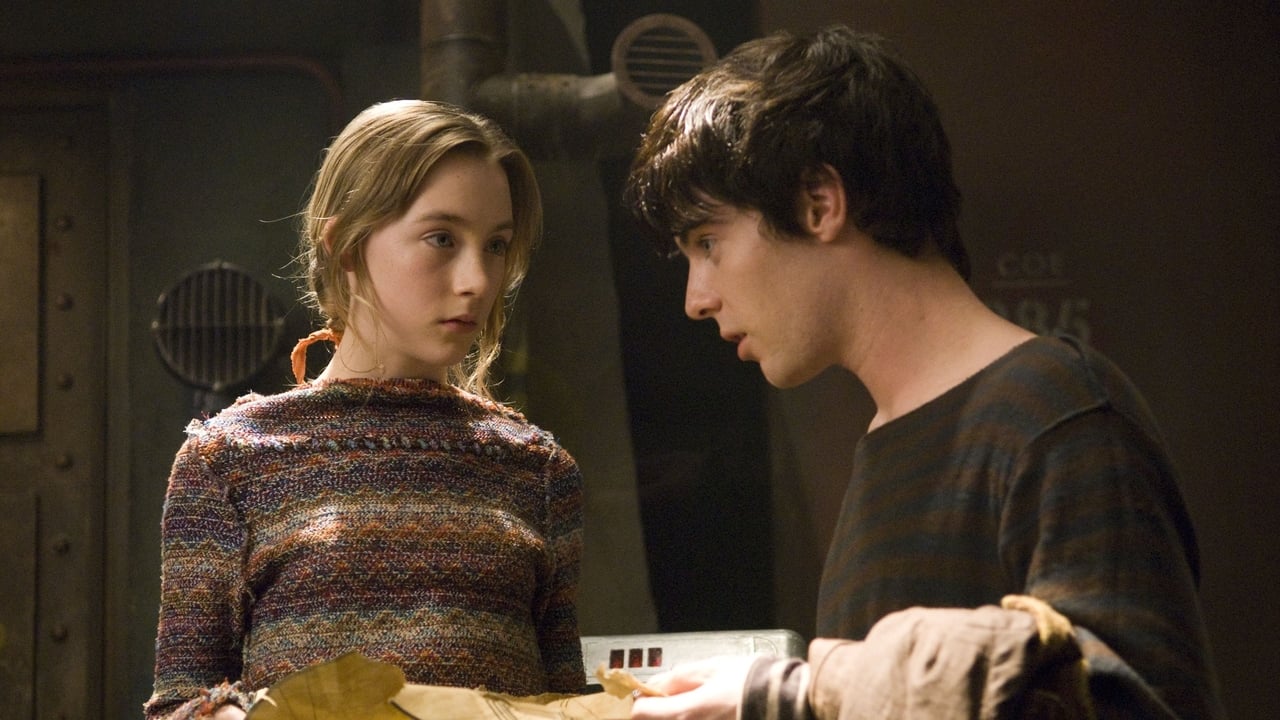
Why did a movie produced by Tom Hanks and written by Caroline Thompson (the genius behind Edward Scissorhands) crash so hard at the box office? It made less than $18 million against a $55 million budget. Looking back at the cultural landscape of 2008, the answer is "The Dark Knight" and "Twilight." Cinema was shifting. Audiences wanted either grittiness or paranormal romance. City of Ember was a sincere, somewhat dark, traditional adventure film that felt out of step with the burgeoning MCU-style snark.
It’s also a surprisingly cynical film for its "Family" rating. It deals with systemic corruption, resource scarcity, and the terrifying realization that the people meant to protect you are actually just waiting for the end. It’s a post-9/11 anxiety film disguised as a middle-grade book adaptation. The giant star-nosed mole that chases the protagonists in the third act is a CGI fever dream that feels like it belongs in a much weirder movie, and it’s perhaps the only moment where the film’s budget shows its seams.
Despite its flaws—including a rushed ending that leaves you desperate for a sequel we’ll never get—City of Ember deserves a spot in your "hidden gems" rotation. It’s a film that respects its audience’s intelligence and offers a vision of the future that feels uniquely hand-crafted. If you can find a copy, turn off the lights, ignore the dead pixels on your screen, and let yourself get lost in the pipeworks.
City of Ember is a rare example of a high-budget flop that actually has something to say and a beautiful way of saying it. While it may have been overshadowed by the blockbusters of its era, its production design and Saoirse Ronan’s performance have aged remarkably well. It’s a testament to the power of practical world-building and a reminder that sometimes the best adventures are the ones that happen just beneath our feet. I’d take this rusted, flickering basement over a polished digital universe any day of the week.
Keep Exploring...
-
Monster House
2006
-

The Ant Bully
2006
-

Shrek the Halls
2007
-
Race to Witch Mountain
2009
-

Where the Wild Things Are
2009
-
The Water Horse
2007
-
Nim's Island
2008
-
Tinker Bell
2008
-
Aliens in the Attic
2009
-
Tinker Bell and the Lost Treasure
2009
-

Wizards of Waverly Place: The Movie
2009
-
Tinker Bell and the Great Fairy Rescue
2010
-

Secret of the Wings
2012
-
Mighty Joe Young
1998
-
A Monster in Paris
2011
-

DuckTales: The Movie - Treasure of the Lost Lamp
1990
-
The Rescuers Down Under
1990
-

The Swan Princess
1994
-
James and the Giant Peach
1996
-

Sinbad: Legend of the Seven Seas
2003