Cloverfield
"A skyscraper-sized nightmare caught on a handheld lens."
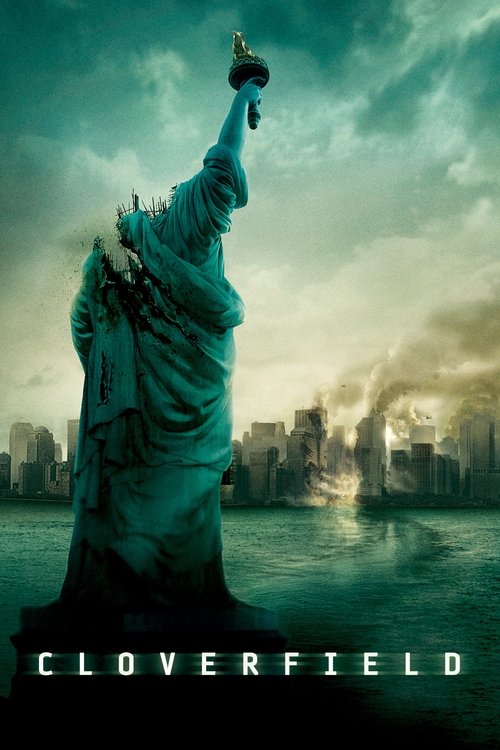
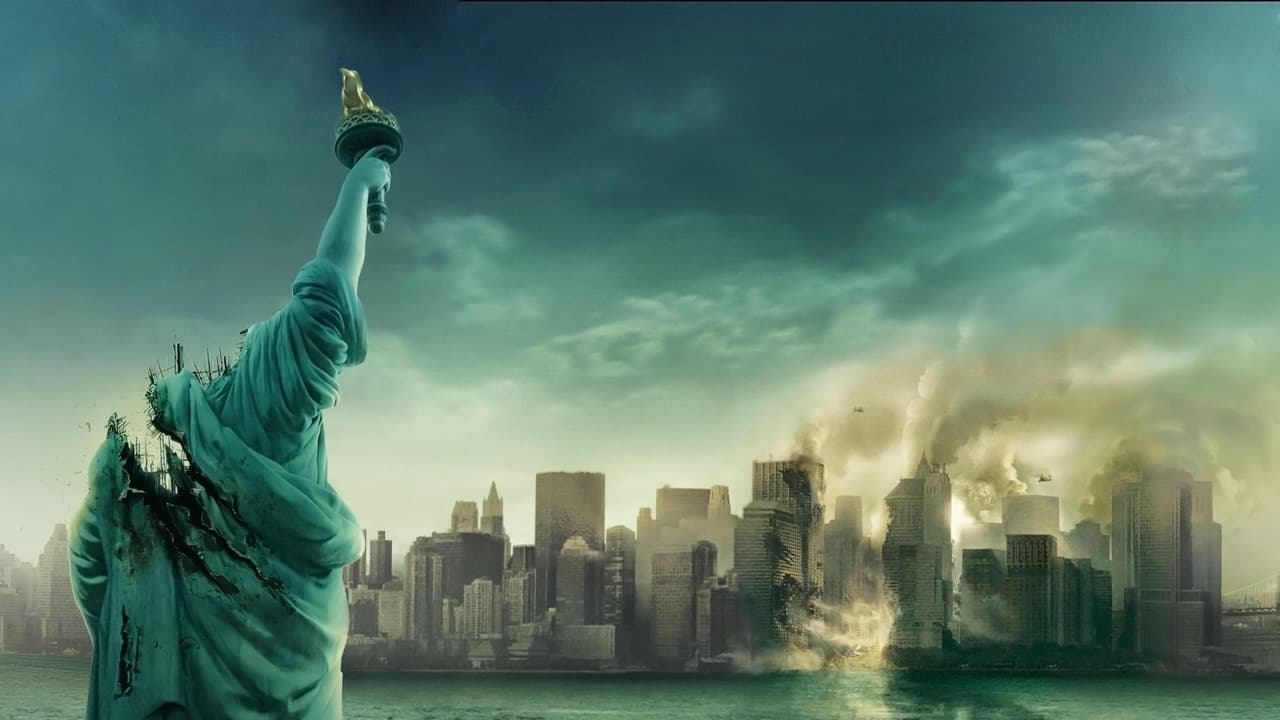
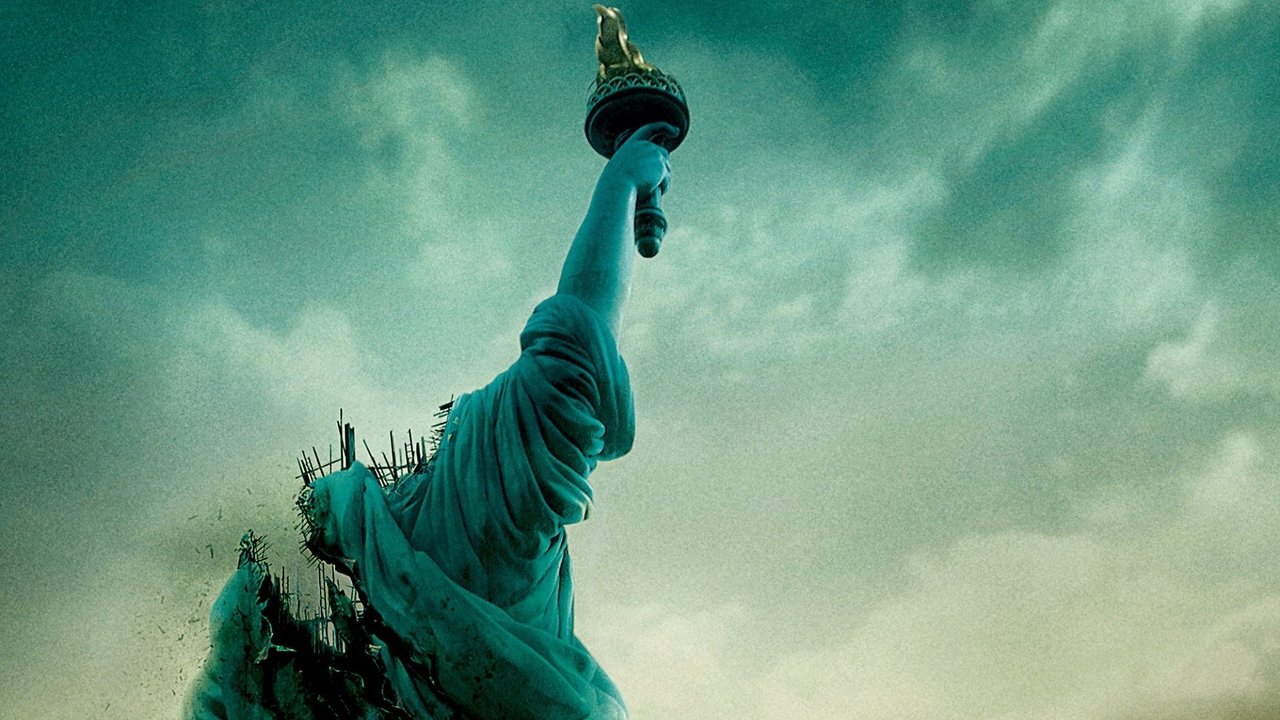
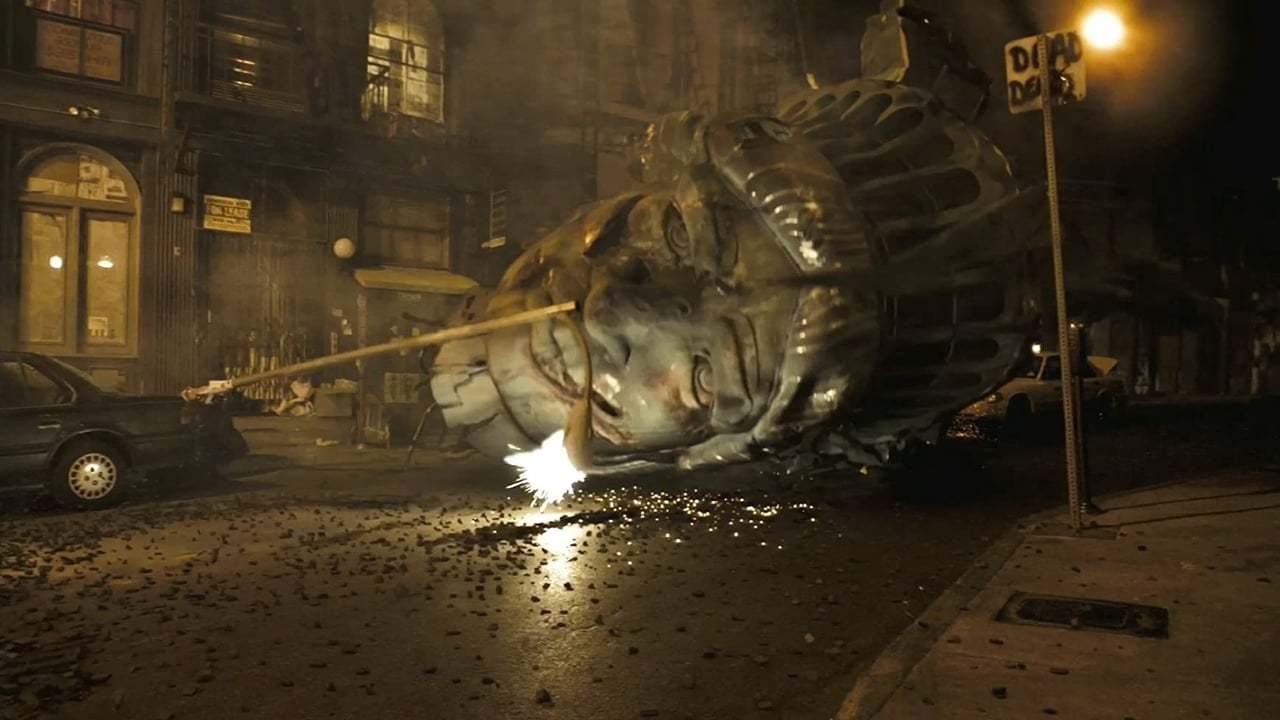
I’ll never forget the first time I saw that decapitated head of the Statue of Liberty bouncing down a Manhattan street like a discarded soda can. It was the summer of 2007, and I was sitting in a crowded theater for a different movie entirely when a teaser trailer played. No title. No plot. Just a date: 1-18-08. The shaky, handheld footage of a party interrupted by a localized earthquake and a distant, guttural roar sent a shockwave through the room. We spent the next six months obsessing over what it could be. Was it a new Godzilla? A Lost spin-off? J.J. Abrams was the master of the "Mystery Box," and for a few glorious months, we were all trapped inside it.
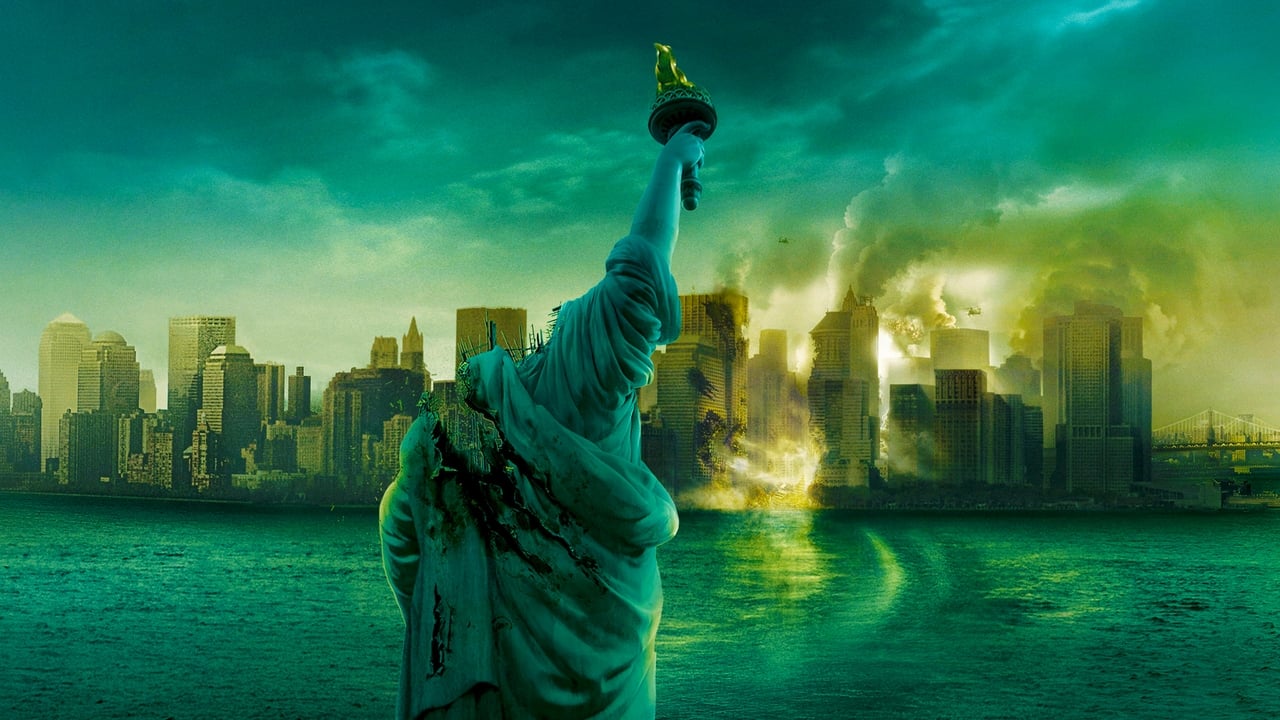
Watching Cloverfield today, removed from the frenzy of its viral marketing campaign—which included fake websites for Japanese slushy companies and deep-sea drilling firms—it’s remarkable how well it holds its own as a standalone piece of chaos. I revisited it recently while sitting on my floor sorting through a box of old tangled charger cables, and even on a smaller screen, the sense of escalating dread is remarkably potent.
The Raw Panic of the Shaky-Cam
The film arrived at the absolute peak of the "found footage" craze. While The Blair Witch Project (1999) planted the flag, Cloverfield gave the subgenre a massive, $25 million Hollywood budget. Matt Reeves (who would later give us the excellent Dawn of the Planet of the Apes and The Batman) directs with a frantic energy that intentionally mimics the way we were all starting to document our lives on early digital cameras.
The story is simple: Rob (Michael Stahl-David) is leaving for a job in Japan. His brother Jason (Mike Vogel) and friends Lily (Jessica Lucas) and Marlena (Lizzy Caplan) are throwing him a farewell bash. Hud (T.J. Miller), the designated cameraman, is tasked with recording testimonials. Then, the lights flicker, the ground shakes, and all hell breaks over the Hudson.
I’ll be honest: the people throwing the party are remarkably unlikable until they start dying. They represent a very specific brand of mid-2000s New York narcissism. But that’s actually the point. These aren't soldiers or scientists; they’re just kids who have no idea how to survive a kaiju attack. T.J. Miller's performance as Hud is often criticized for being annoying, but I find his nervous rambling to be one of the most realistic portrayals of "I’m-about-to-die" shock ever put to film. He’s the audience’s proxy, refusing to put the camera down because the lens is the only thing providing a layer of separation between him and the teeth.
Post-9/11 Anxiety on a Giant Scale
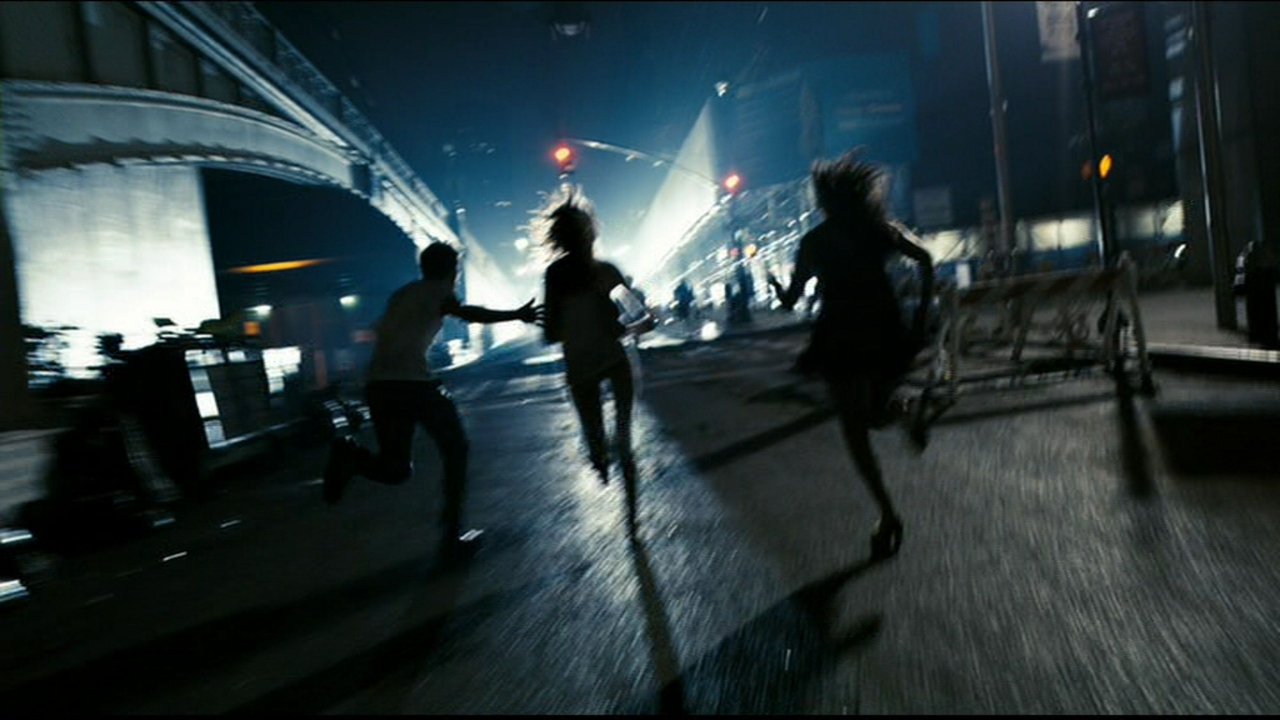
It is impossible to discuss Cloverfield without acknowledging the era it was born into. Released only seven years after 2001, the film is drenched in post-9/11 imagery. The sight of people covered in thick gray dust, the frantic running through narrow Manhattan corridors as buildings collapse behind them, and the confusion of "Is it an attack? Is it a terrorist?" were all very raw nerves for 2008 audiences.
The script by Drew Goddard (The Cabin in the Woods) understands that the monster is more terrifying when you don't see it clearly. We get glimpses—a tail here, a massive limb there—but for the most part, the "Clover" entity is a force of nature. The CGI, handled by the wizards at Tippett Studio and Double Negative, still looks incredible. Because the camera is always moving and the lighting is often obscured by smoke or darkness, the digital effects don't have that "rubbery" look that plagued many mid-2000s blockbusters.
The decision to add "parasites"—dog-sized, spider-like creatures that drop off the main monster—was a stroke of genius. It allowed for smaller, claustrophobic horror sequences in the subway tunnels that break up the massive scale of the city-wide destruction. The scene in the tunnel with the night vision turned on is a genuine heart-stopper that would make most modern horror directors green with envy.
The Legacy of the Mystery Box
Looking back, Cloverfield was a pioneer in how to sell a movie in the internet age. It turned the audience into detectives. If you stayed through the credits, you heard a distorted radio transmission that, when played backward, said "It's still alive." If you looked closely at the final shot—the old footage of Rob and Beth (Odette Annable) at Coney Island—you could see something small falling into the ocean in the distant background.
This film didn't just launch a franchise; it launched a way of engaging with cinema. Even though the sequels, 10 Cloverfield Lane and The Cloverfield Paradox, drifted away from the found-footage style, the DNA of this first film remains iconic. It’s a 85-minute sprint that doesn't overstay its welcome or pause for unnecessary exposition. It’s a document of a nightmare, and it still feels like one.
The beauty of Cloverfield is its economy of storytelling. It doesn't care why the monster is there or where it came from; it only cares about the next thirty seconds of survival. While the shaky camera might still be a one-way ticket to nausea for some, I find the physical experience of the movie to be its greatest strength. It’s a loud, messy, terrifying time capsule of 2008 anxieties that managed to make the giant monster movie feel personal again. If you can stomach the movement, it’s one of the most effective thrillers of its decade.
Keep Exploring...
-
Dawn of the Planet of the Apes
2014
-
Predators
2010
-
In Time
2011
-

The Matrix Reloaded
2003
-

Knowing
2009
-
Rise of the Planet of the Apes
2011
-
The Hunger Games
2012
-

World War Z
2013
-
Universal Soldier
1992
-
Star Trek: Generations
1994
-
Timecop
1994
-
Star Trek: First Contact
1996
-
The Maze Runner
2014
-
Outbreak
1995
-
Armageddon
1998
-

Jurassic Park III
2001
-
Minority Report
2002
-
Serenity
2005
-
Death Race
2008
-
Doomsday
2008