Defiance
"Vengeance is cold; survival is harder."
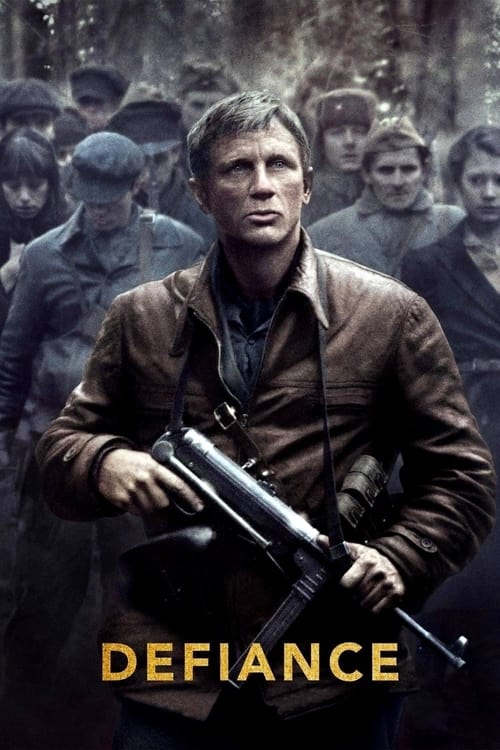
In late 2008, the world was preoccupied with Daniel Craig’s second outing as 007 in Quantum of Solace, a film so frantically edited it felt like watching a Bourne movie through a kaleidoscope. But while the box office hummed for Bond, director Edward Zwick dropped a far grittier, colder, and more morally tangled version of Craig into the Belarusian woods—and then almost everyone forgot it existed. I watched this recently on a Tuesday night while eating a bowl of slightly burnt popcorn, and it struck me how much we’ve lost this specific kind of "mid-budget" historical epic in the age of the billion-dollar franchise.
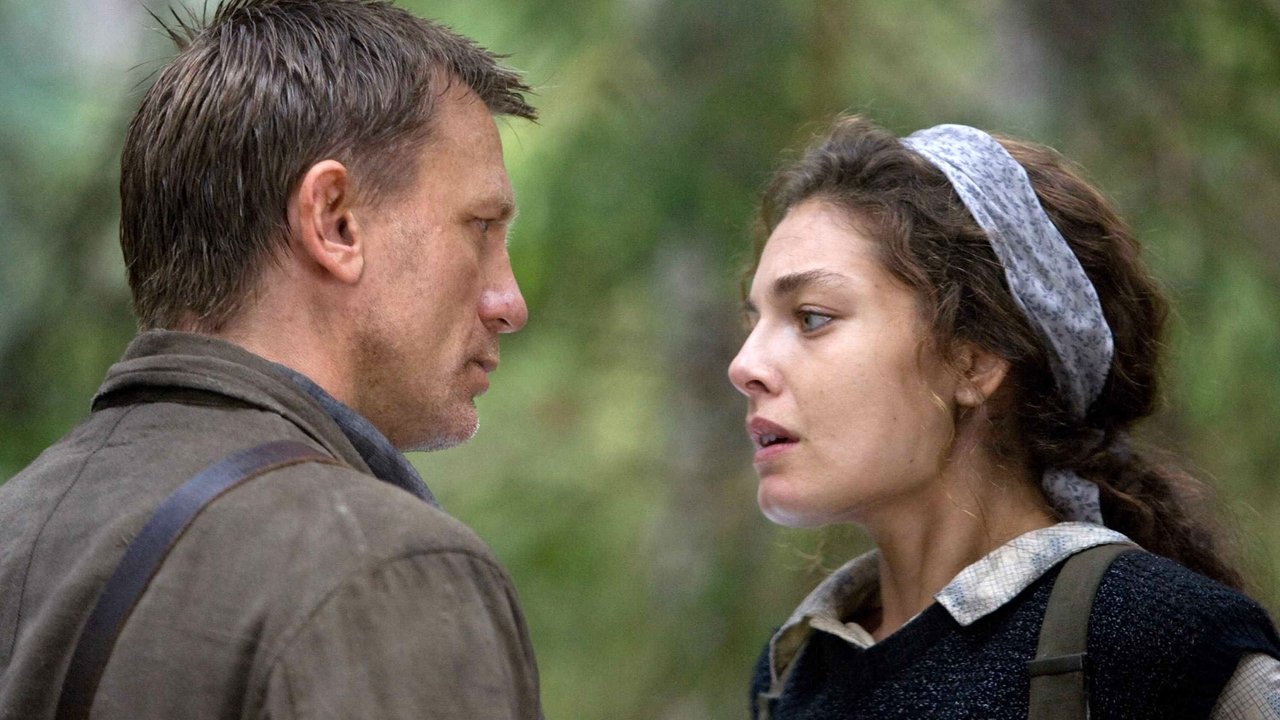
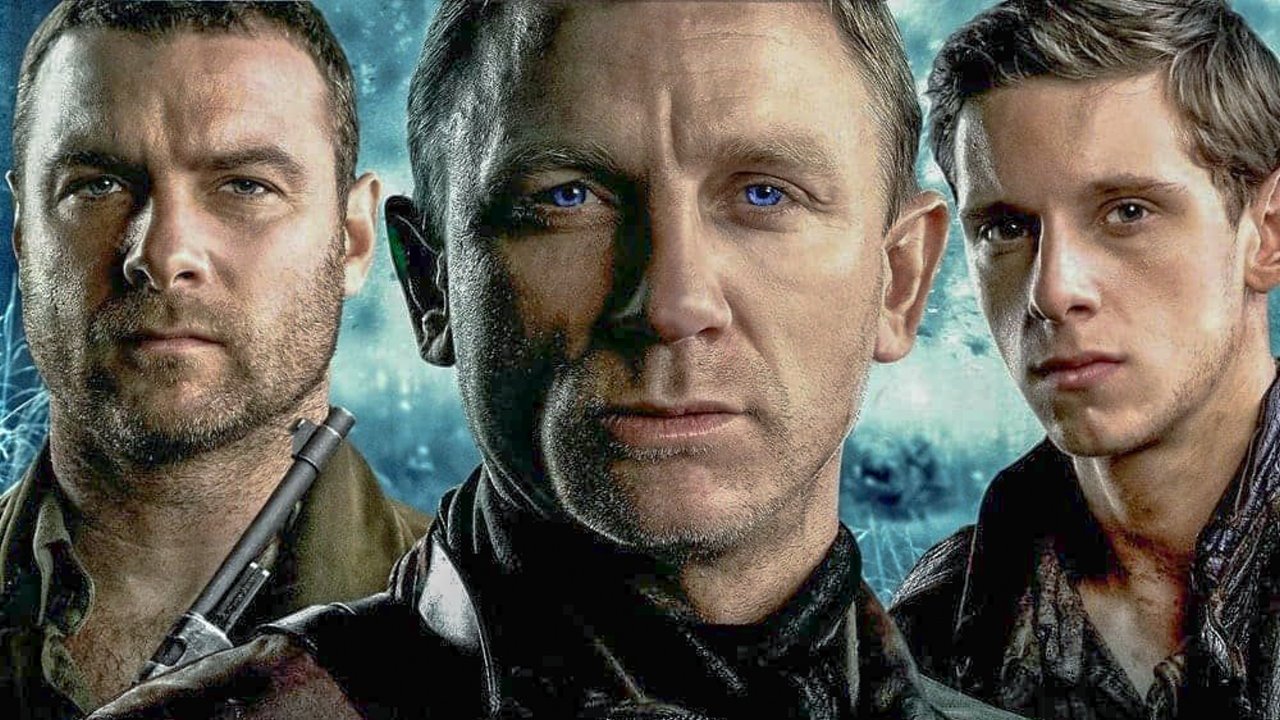
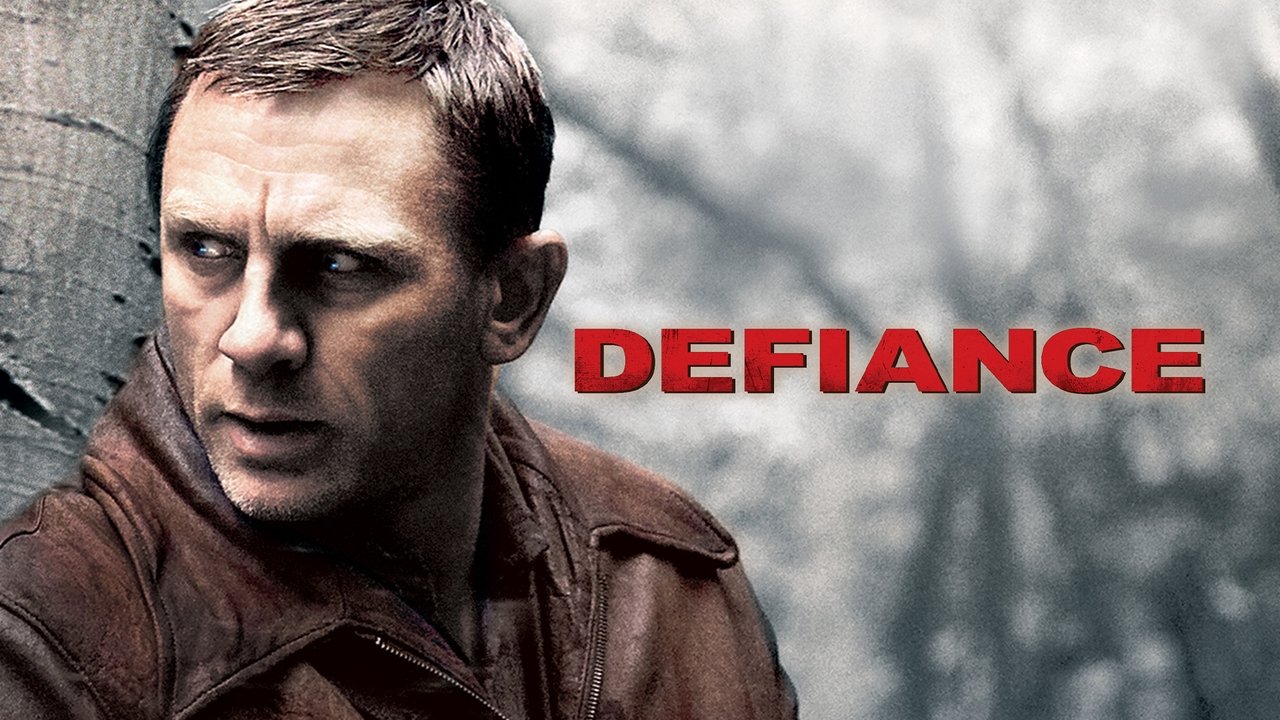
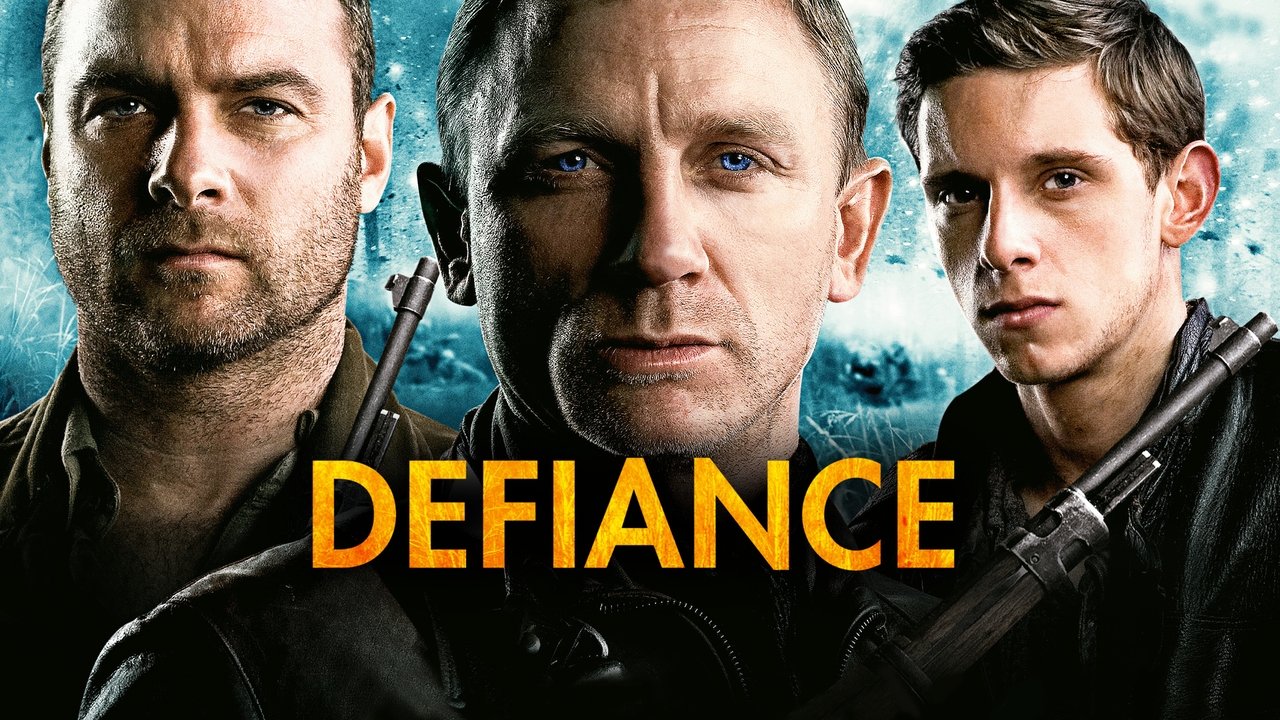
Defiance tells the true story of the Bielski brothers—Tuvia (Daniel Craig), Zus (Liev Schreiber), and Asael (Jamie Bell)—Polish Jews who fled into the Naliboki forest after the Nazi invasion. Instead of just hiding, they built a moving, breathing village of survivors, eventually protecting over 1,200 people. It’s a war movie, sure, but it’s less about the front lines and more about the logistics of not dying when the entire world wants you extinct.
The Bond vs. The Beast
The core of the film isn't the tactical maneuvers against the Germans; it’s the volcanic friction between Daniel Craig and Liev Schreiber. At the time, Craig was cementing his "stoic professional" persona, but here he’s forced to be a reluctant Moses. He’s tired, he’s coughing up blood, and he’s trying to lead a group of people who are often their own worst enemies.
Then there’s Liev Schreiber. Honestly, Schreiber looks like he could eat a Soviet tank for breakfast without needing a napkin. While Craig’s Tuvia wants to save souls, Schreiber’s Zus wants to collect German scalps. Their sibling rivalry is the engine of the movie, representing the classic debate of "survival vs. vengeance." This was back when movies still trusted two guys yelling in a tent to be as exciting as a car chase. I actually watched this in a room where the radiator was clanking and the window was drafty, and that unintentional 4D experience of the cold made the screen’s perpetual grey-blue palette feel even more oppressive.
Tactical Chaos and Tangible Dirt
From an action standpoint, Defiance belongs to that post-Saving Private Ryan era where every gunshot had to sound like a car crash and every explosion needed to kick up actual dirt. There’s a refreshing lack of "CGI soup" here. When a Stuka dive-bomber attacks the forest camp, you feel the weight of the trees splintering.
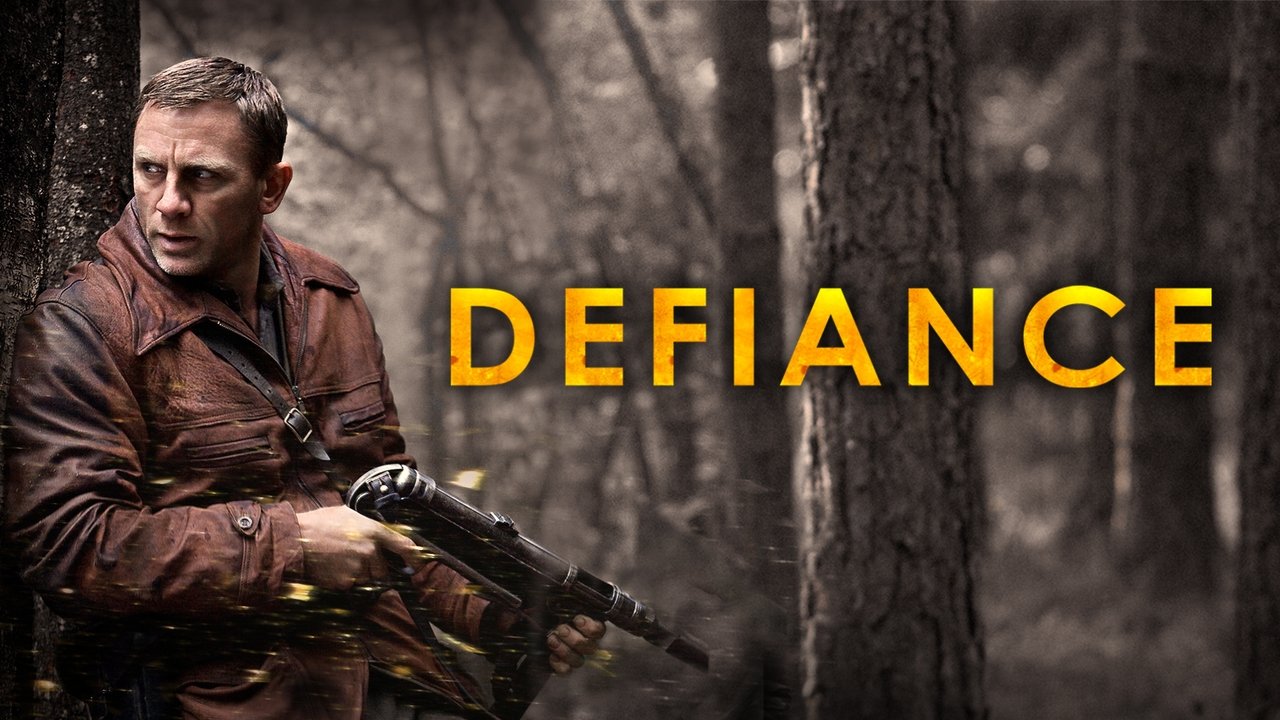
The action choreography by Edward Zwick is intentionally messy. These aren't elite commandos; they are farmers and intellectuals holding guns for the first time. The skirmishes are frantic, confusing, and often end in desperate, hand-to-hand scrambles in the mud. It’s the kind of action that makes you want to take a hot shower immediately afterward. It captures that 2000s obsession with "gritty realism" before everything became sanitized by green screens.
Interestingly, the production was actually filmed in Lithuania, just across the border from the real events. The crew reportedly dealt with actual freezing conditions, and it shows on the actors' faces. There’s a scene where they have to cross a swamp, and you can tell Jamie Bell isn't acting when he looks like he’s reconsidering his entire career choice while waist-deep in literal muck.
Why It Faded into the Foliage
So why did Defiance disappear? It suffered from "Holocaust Fatigue" in a year that was crowded with similar themes. It came out right alongside The Boy in the Striped Pyjamas and The Reader, and just months before Quentin Tarantino turned WWII into a spaghetti western with Inglourious Basterds. Compared to Tarantino’s high-octane revisionist history, Defiance felt a bit like a history lecture—albeit one where the teacher occasionally punches someone in the face.
Looking back, the film’s "modernity" is found in its refusal to make its heroes saints. These brothers do terrible things to survive. They execute collaborators; they steal food from starving peasants. It reflects that post-9/11 anxiety where we were all collectively questioning what "the good guys" are allowed to do in the name of security. It’s a complicated, heavy film that doesn't offer easy catharsis.
One of the coolest details I found out later is that many of the extras in the forest scenes were actually descendants of the real Bielski partisans. There’s a shot near the end where the group emerges from the woods, and knowing those faces have a literal blood-connection to the history adds a layer of weight that no CGI crowd-simulation could ever replicate.
Defiance is a sturdy, muscular piece of filmmaking that deserves a spot on your "weekend afternoon" watch list. It might not have the stylistic flair of a Christopher Nolan epic, but it has a physical soul and a pair of powerhouse performances at its center. If you want to see Daniel Craig actually earn his paycheck while covered in Belarusian sludge, this is the one.
This is a film that reminds me why the mid-2000s were such a specific sweet spot for cinema. We had the technology to make things look "big," but we hadn't yet handed over the keys to the visual effects department entirely. It’s a tactile, mud-caked reminder that sometimes the most heroic thing you can do is simply refuse to stop breathing. It’s not a "fun" watch, but it’s a rewarding one.
Keep Exploring...
-
The Last Samurai
2003
-
The Siege
1998
-

Legends of the Fall
1994
-
Courage Under Fire
1996
-
The Messenger: The Story of Joan of Arc
1999
-

Alexander
2004
-
King Arthur
2004
-
Kingdom of Heaven
2005
-
Flags of Our Fathers
2006
-
Glory
1989
-
United 93
2006
-
Red Cliff
2008
-
Joyeux Noel
2005
-
Blood Diamond
2006
-
The Round Up
2010
-
The Grandmaster
2013
-
The Patriot
2000
-
Love & Other Drugs
2010
-
The Monuments Men
2014
-
Behind Enemy Lines
2001