Departures
"Finding the rhythm of life in the rituals of death."
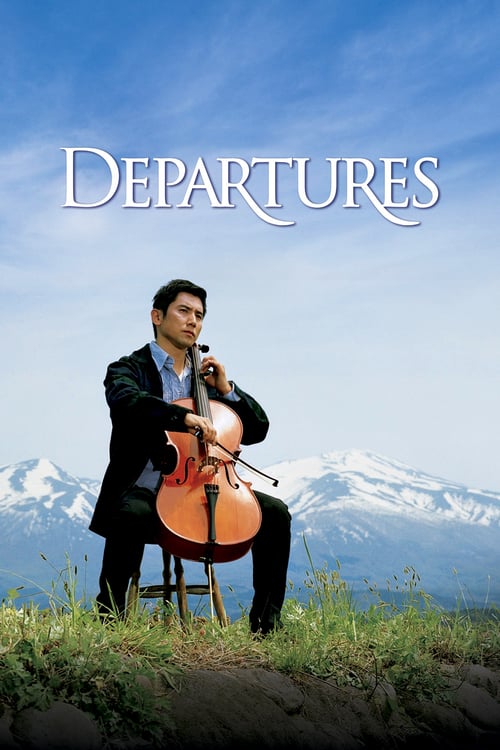
The first time I watched Departures, I was sitting in a cramped apartment eating a bowl of instant ramen that had gone slightly cold. It’s a mundane detail, I know, but it felt oddly appropriate. Here was a film about the most profound, unavoidable transition of human existence—death—and yet it was grounded in the sticky, awkward, beautiful business of living. It’s a movie that asks you to look at a corpse and see a person, but more importantly, it asks you to look at a job and see a calling.
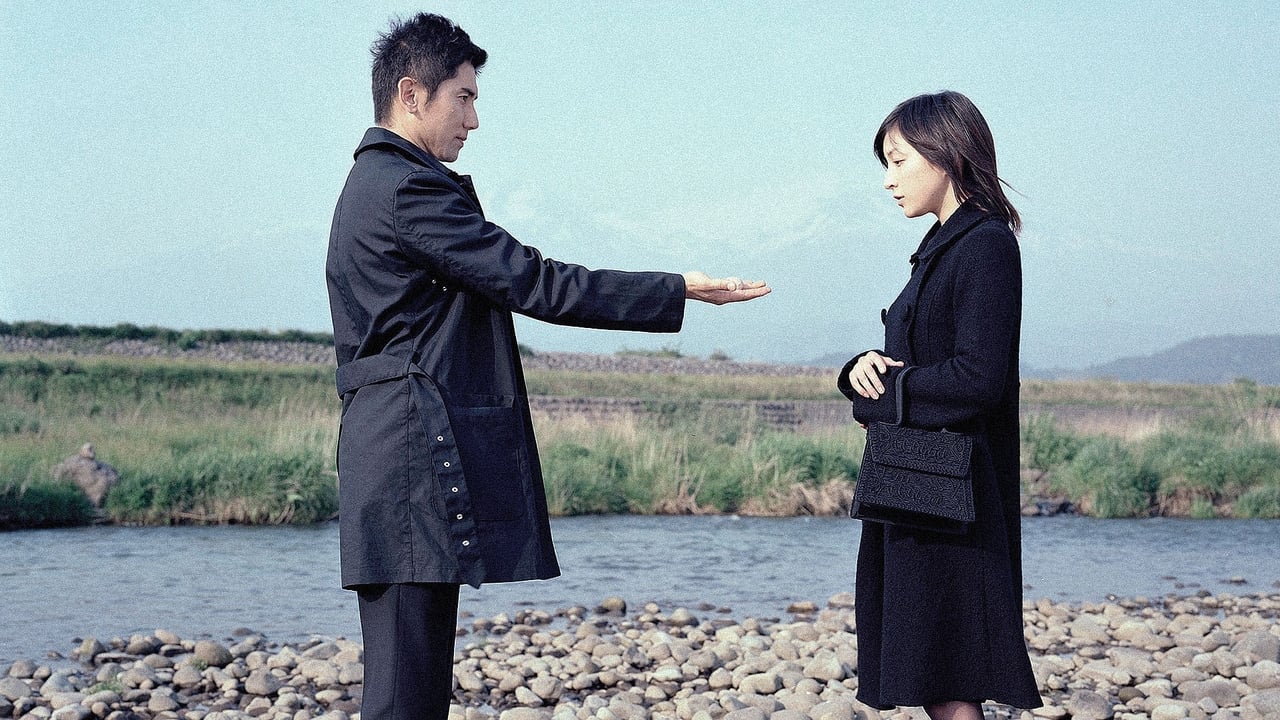
Released in 2008, Departures (or Okuribito) arrived at a strange crossroads for cinema. It was the tail end of the DVD era, a time when a quiet, subtitled Japanese drama could still capture the world’s imagination through word-of-mouth and a surprise Oscar win for Best Foreign Language Film. While 2008 was busy introducing us to the gritty realism of The Dark Knight and the birth of the MCU with Iron Man, director Yojiro Takita gave us something radically different: a meditation on the dignity of the body.
The Career Pivot from Hell
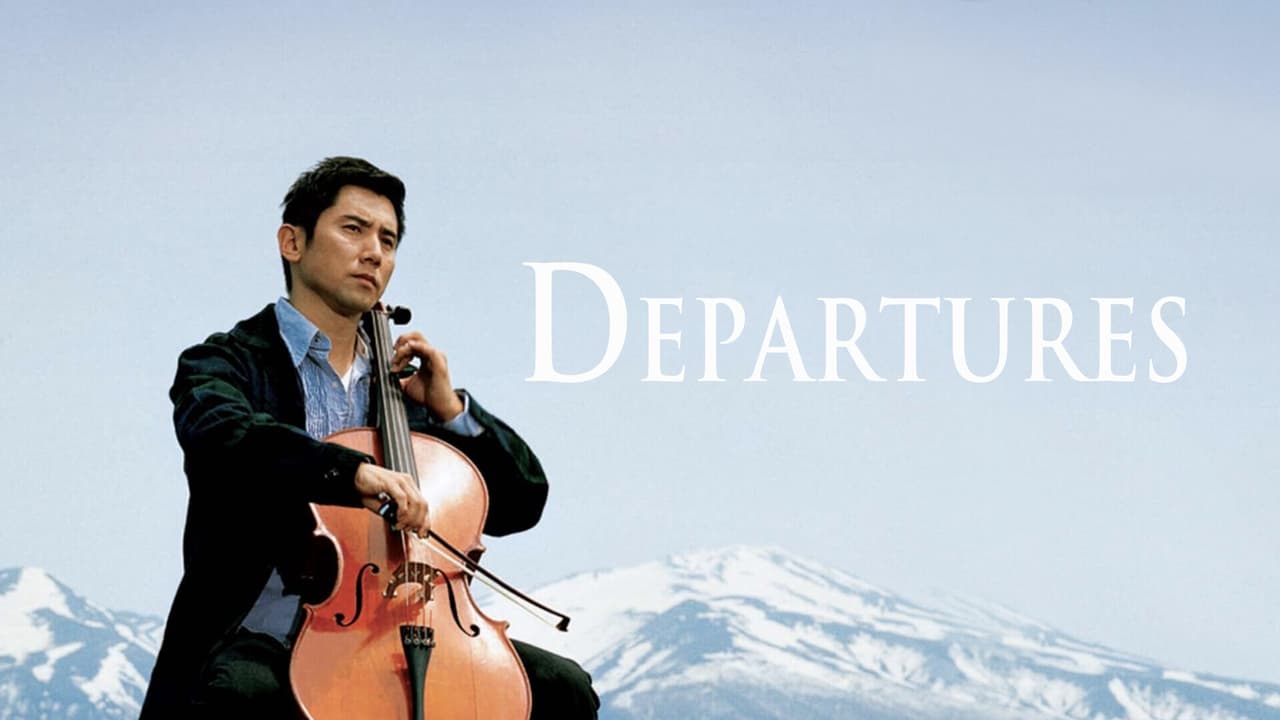
The story follows Daigo, played with a wonderful, simmering sensitivity by Masahiro Motoki. Daigo is a cellist who has just invested a small fortune in a high-end instrument, only for his orchestra to dissolve. With a mountain of debt and a dream in tatters, he moves back to his rural childhood home with his wife, Mika (Ryoko Hirosue). While scanning the classifieds, he finds an ad for "Departures," which he assumes is a travel agency.
It isn’t.
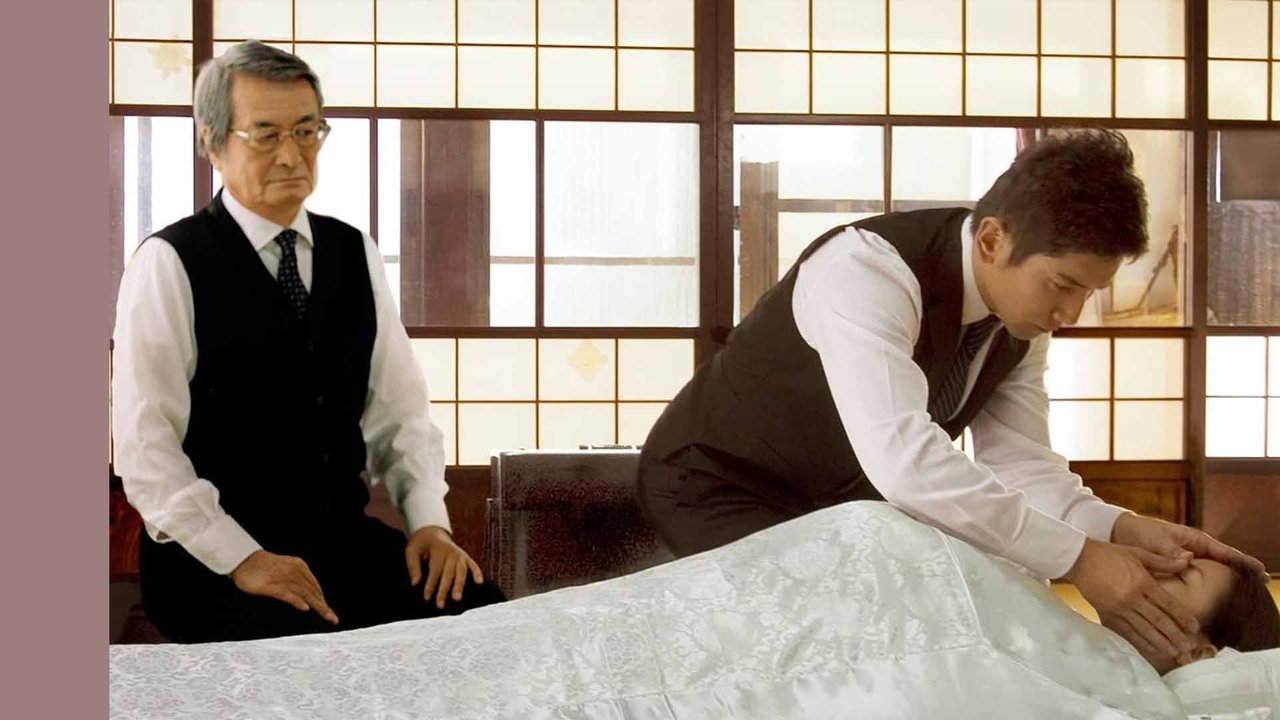
Daigo inadvertently auditions for a position as a nokanshi—a traditional encoffiner. In Japan, this isn't just about putting someone in a box; it’s a ceremonial ritual of washing, dressing, and preparing the deceased in front of the grieving family. It is a profession wrapped in deep social taboo, viewed by many (including Daigo’s own wife) as "unclean."
What follows is a classic fish-out-of-water setup that avoids every cliché you’d expect. Instead of wacky hijinks, we get a slow-burn awakening. Daigo’s hands, once trained to coax music from strings, find a new kind of rhythm in the precise, graceful movements of the ritual. Watching Masahiro Motoki perform the encoffining ceremony is genuinely hypnotic. Apparently, Motoki spent months studying with actual encoffiners to perfect the finger movements, and that dedication shows. The man handles a silk shroud with more grace than I handle my own car keys.
The Sound of Silence and Strings
You can’t talk about Departures without talking about the music. The score is composed by Joe Hisaishi, the legendary genius behind almost every Studio Ghibli masterpiece. If you’ve ever cried during Spirited Away, you know what you’re in for.
Hisaishi uses the cello as the film’s heartbeat. There’s a recurring sequence of Daigo playing his old childhood cello in a grassy field, the music swelling as we see a montage of the various deaths he’s attended. It sounds like it could be manipulative, but it feels earned because the film doesn't shy away from the messy reality of death. We see the grieving families—the angry, the stoic, the heartbroken, and the relieved. The film argues that the ritual isn't for the dead; it's a performance for the living, a final chance to see their loved one treated with a level of care that the world rarely affords the living.
Looking back from our current digital-heavy landscape, Departures feels remarkably tactile. Every frame is obsessed with texture: the grain of the wooden coffins, the translucence of the ritual paper, the steam rising from a public bathhouse. Director Yojiro Takita actually got his start in Japan’s "pink film" (softcore) industry in the 70s and 80s, which sounds like a bizarre pedigree for a prestige drama. However, that background gave him a unique eye for the human body—he knows how to frame skin and bone without being clinical or cold.
Dignity in the Dirt
The "Modern Cinema" era often struggled with how to make small, human stories feel "cinematic" without drowning them in CGI or frantic editing. Departures succeeds by doing the opposite: it leans into stillness. It treats the act of cleaning a person’s face as an epic event.
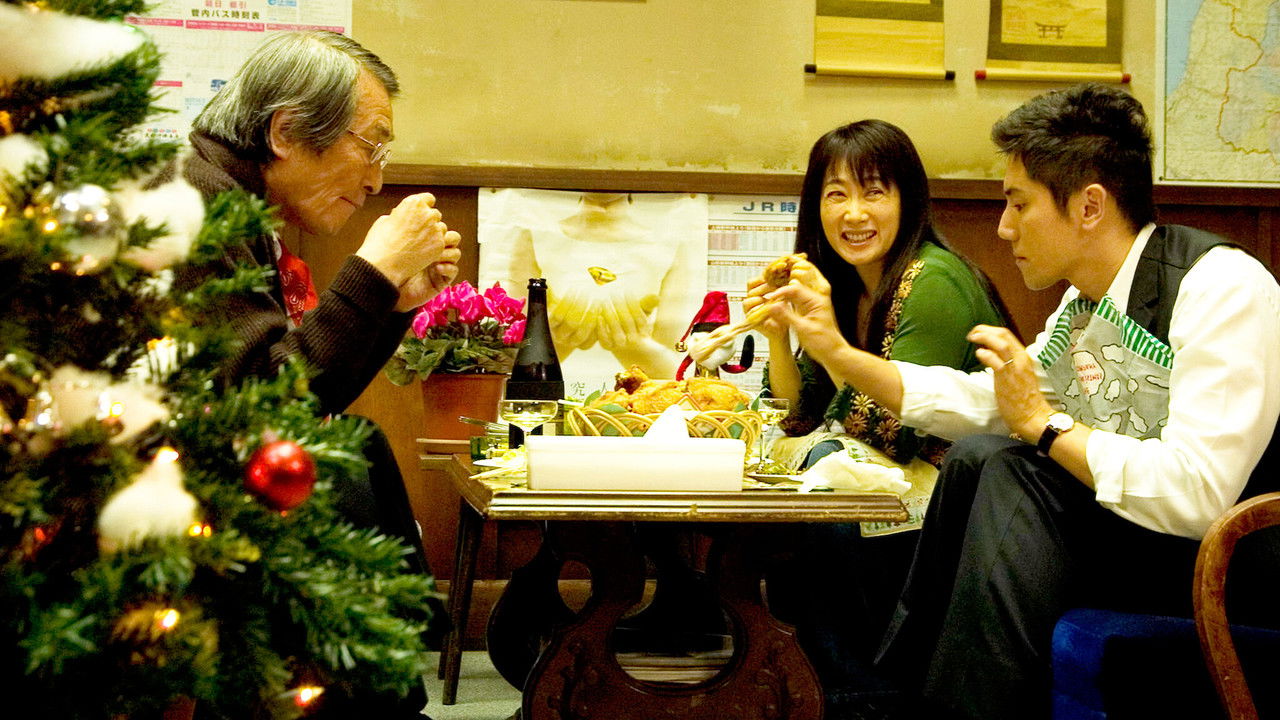
There’s a philosophical weight here that hits harder the older I get. The film explores the Japanese concept of kegare (impurity or defilement) surrounding death, but it refutes it at every turn. It suggests that there is no such thing as an "unclean" life, only an unfinished one. The boss of the agency, played by the stoic Tsutomu Yamazaki, is a masterclass in underacting. He eats blowfish milt with a gusto that reminds you that life is delicious, even when your office smells like formaldehyde.
I’ll admit, the subplot involving Daigo’s estranged father leans a bit heavily into melodrama toward the end, but by that point, the film has built up so much emotional capital that I was willing to let it slide. If you don’t get a lump in your throat during the final scene involving a small stone, you might actually be a replicant.
Departures is a reminder that the best dramas aren't about the big moments of "leaving," but about the small, quiet ways we say goodbye. It’s a film that makes you want to call your parents, buy a better suit, and maybe, just maybe, look at the inevitability of the end with a little less fear and a lot more grace.
This is the kind of movie that lingers in your system like a good meal. It’s recent enough to feel modern in its cinematography, yet it feels connected to an ancient, timeless tradition of storytelling. It’s a rare feat: a film about death that makes you feel incredibly glad to be breathing. Even if you're eating cold ramen while you watch it.
Keep Exploring...
-

Evangelion: 1.0 You Are (Not) Alone
2007
-

Evangelion: 2.0 You Can (Not) Advance
2009
-
From Up on Poppy Hill
2011
-
The Tale of The Princess Kaguya
2013
-

Spring, Summer, Fall, Winter... and Spring
2003
-
The Sea Inside
2004
-
Fearless
2006
-

The Fall
2006
-
Control
2007
-
The Diving Bell and the Butterfly
2007
-

Il Divo
2008
-
Synecdoche, New York
2008
-

My Name Is Khan
2010
-

A Separation
2011
-
Detachment
2011
-

Amour
2012
-

Laurence Anyways
2012
-
The Broken Circle Breakdown
2012
-

Instructions Not Included
2013
-

Nebraska
2013