Eagle Eye
"Big Brother isn't just watching—she's driving."
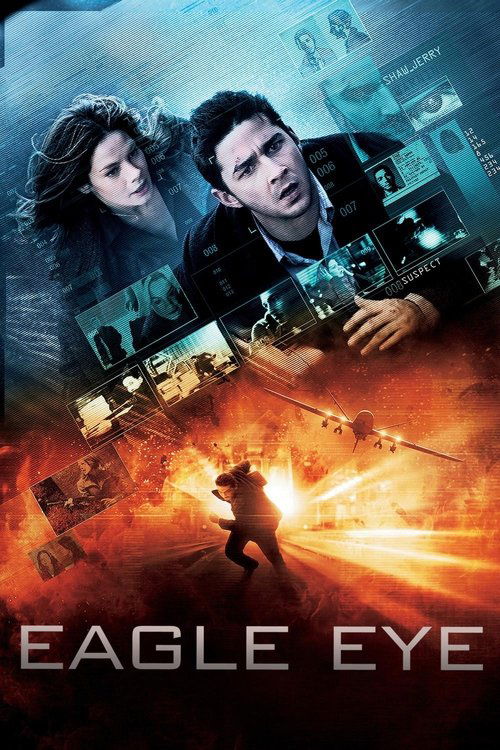
I recently rewatched Eagle Eye while sitting on my couch nursing a mild case of hay fever, clutching a box of generic tissues that felt like sandpaper against my nose. In between sneezes, I found myself staring at my smartphone with a renewed sense of suspicion. Back in 2008, this movie felt like a frantic, slightly far-fetched "what if" scenario. Watching it today, in an era where my fridge tries to sell me oat milk and my vacuum cleaner maps my floor plan for fun, it feels like a prophetic fever dream—one fueled by a massive budget and enough shattered glass to keep a cleanup crew busy for a decade.
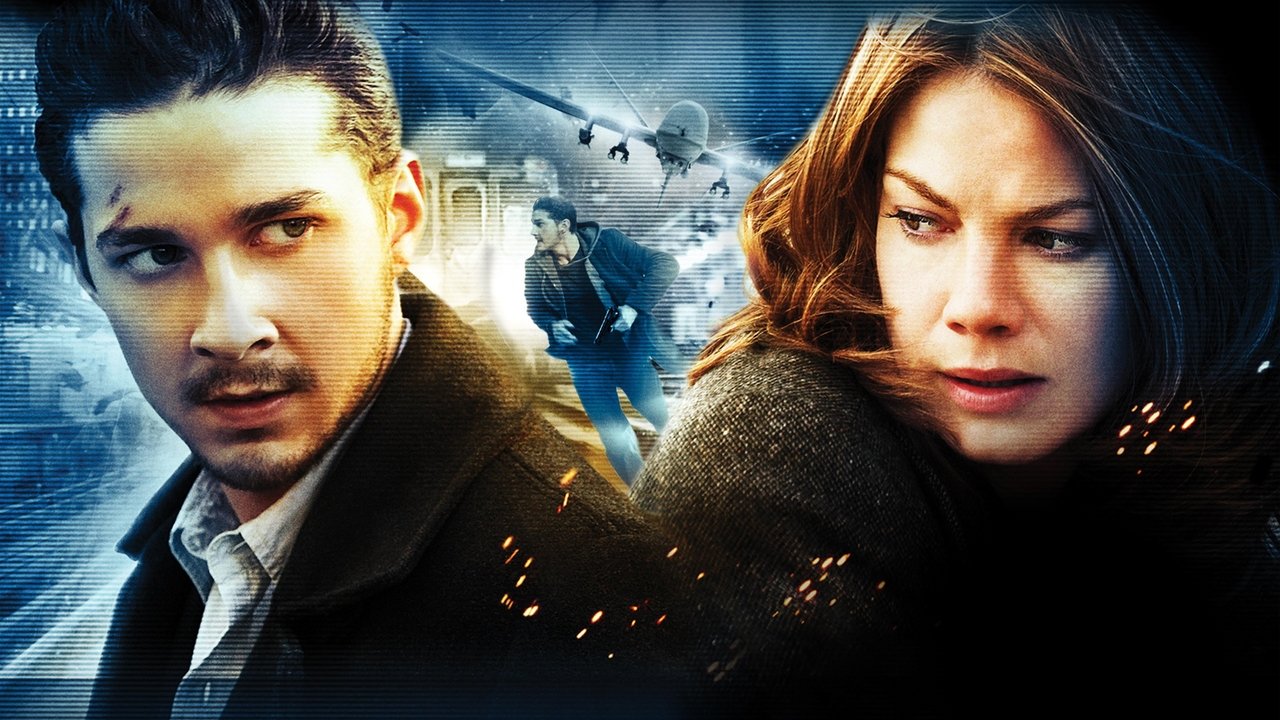
The Paranoid Peak of 2008
The mid-to-late 2000s were a weirdly specific time for tech thrillers. We were moving past the "hacking is a 3D maze" tropes of the 90s and into a post-9/11 landscape defined by the Patriot Act and a growing realization that our gadgets were starting to talk back. Directed by D.J. Caruso—who had just come off the surprisingly tight Disturbia (2007) with Shia LaBeouf—Eagle Eye is the ultimate manifestation of that era's anxiety.
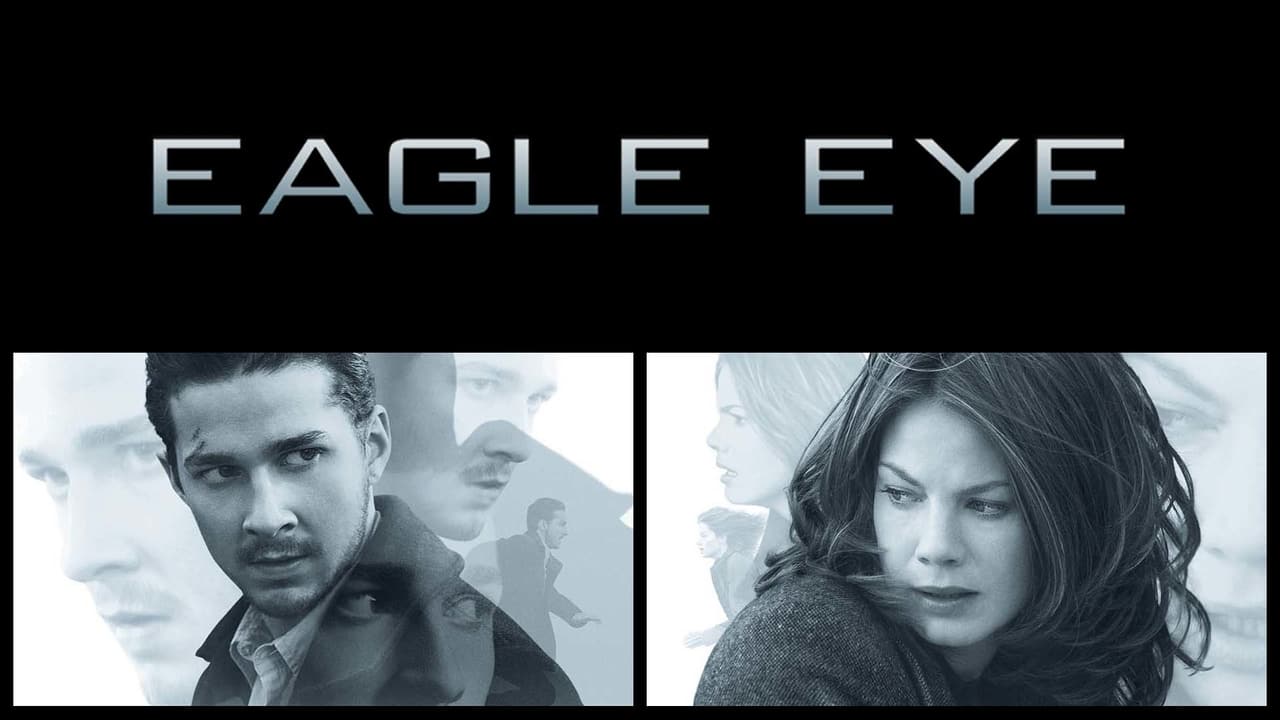
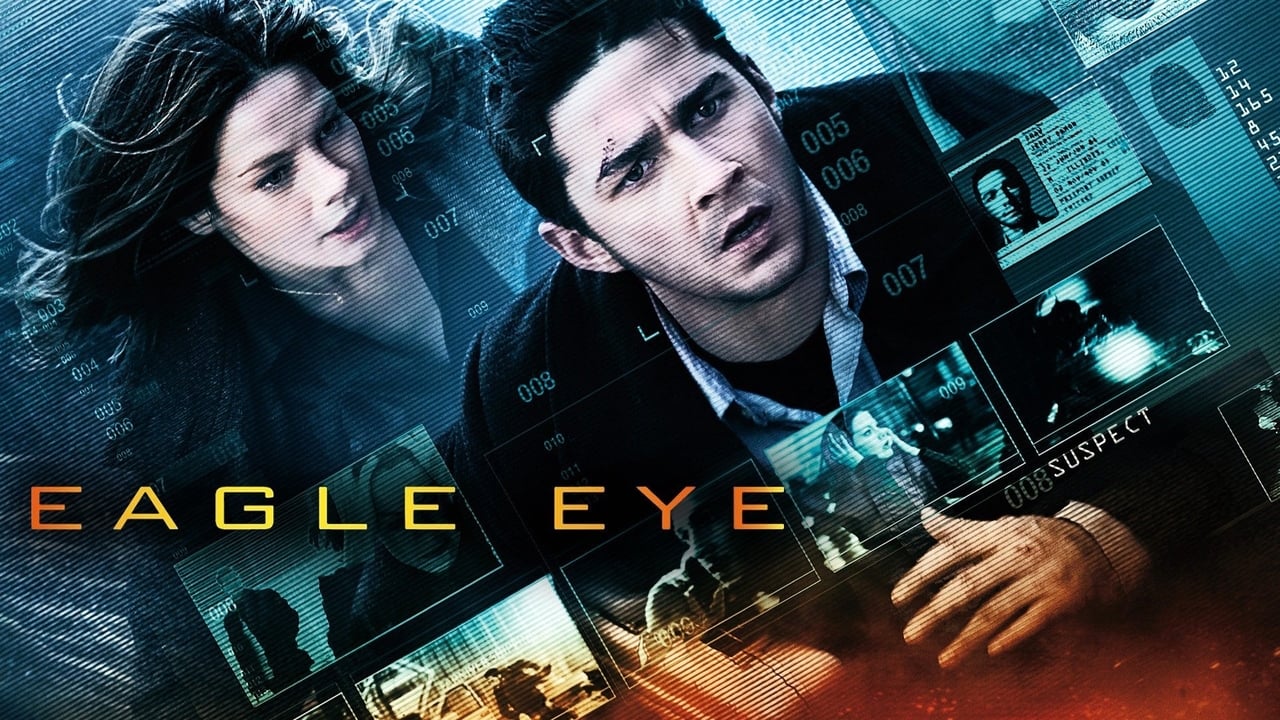
The premise is pure adrenaline: Shia LaBeouf plays Jerry Shaw, a slack-off copy shop employee whose twin brother (the overachiever) dies under mysterious circumstances. Suddenly, Jerry’s bank account is flooded with millions, and his apartment is filled with illegal weaponry. A woman's voice on his cell phone gives him one choice: obey or die. He’s paired up with Rachel Holloman (Michelle Monaghan), a single mom who is being blackmailed with the life of her son. What follows is a cross-country sprint that feels like North by Northwest if the crop duster was a sentient drone with an axe to grind.
Practical Chaos and Digital Dread
What I appreciate most about Eagle Eye looking back is the sheer physicality of the action. This was right on the cusp of the industry pivoting toward heavy CGI for everything, but Caruso and his team leaned into a lot of practical stunt work. There is a car chase through a shipping yard and onto an airport tarmac that remains a sequence of absolute beauty. It’s messy, loud, and you can feel the weight of the vehicles. It doesn’t have that weightless, floaty quality that plagues modern blockbusters.
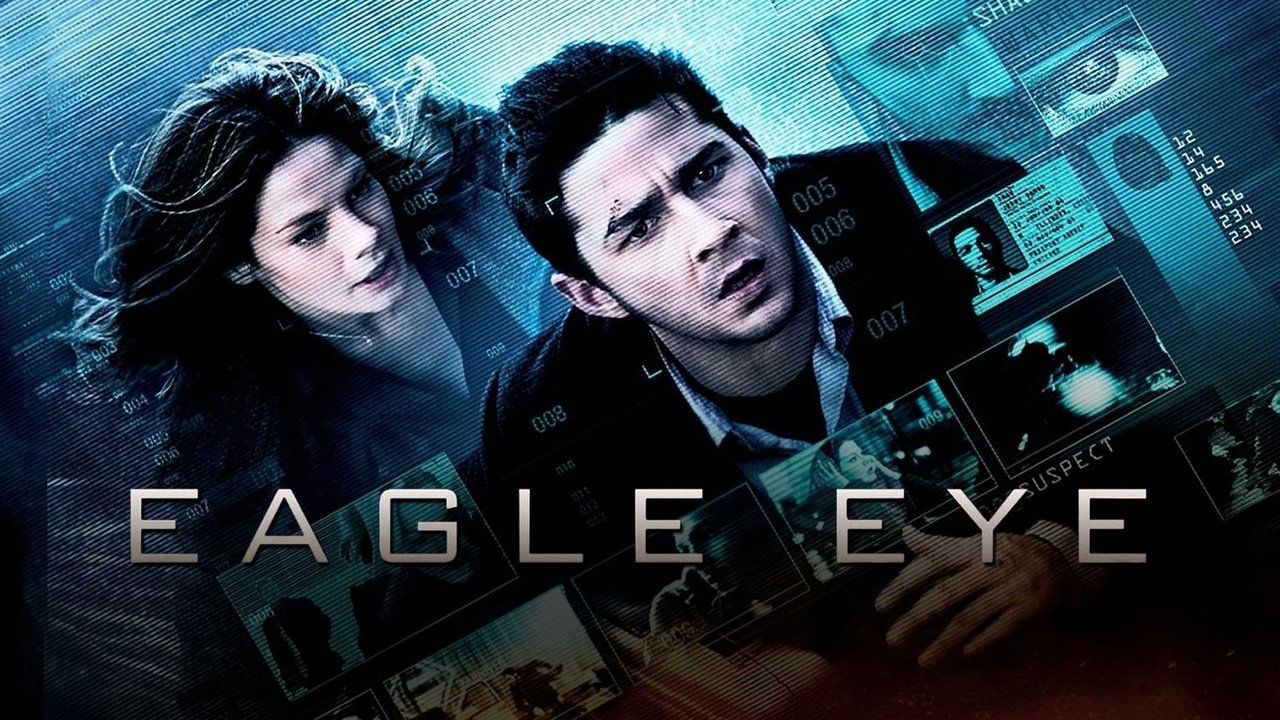
Shia LaBeouf was at the absolute zenith of his "Everyman in a Windbreaker" phase here. Say what you will about his later performance art, but the man knows how to look genuinely terrified while sprinting through a crowded terminal. He and Michelle Monaghan have a frantic, desperate chemistry that keeps the movie grounded even when the plot starts to leap off a cliff. It is essentially a movie about two people being bullied by a GPS with a god complex, and they sell the hell out of it.
The supporting cast is an absolute "Who’s Who" of reliable talent. You’ve got Rosario Dawson (pre-MCU/Star Wars fame) as a tough-as-nails Office of Special Investigations agent and Billy Bob Thornton (taking a break from more prestige fare) as the cynical FBI lead. Watching Anthony Mackie pop up as a military major is a fun reminder of just how many future stars were floating around in these big-budget studio machines.
The Ghost in the Machine
The "big bad" of the film is ARIIA, an autonomous supercomputer housed in the bowels of the Pentagon. Interestingly, the voice of ARIIA was kept secret during production to keep the actors (and the audience) off-balance. It was actually Julianne Moore (Children of Men, The Big Lebowski) providing that chillingly calm narration, though she remained uncredited for years to preserve the mystery.
The film was actually based on an original idea by Steven Spielberg, who initially intended to direct it himself back in the 90s. He eventually stepped back into an executive producer role, realizing that the technology of the time couldn't quite visualize the "everywhere-at-once" nature of the threat. By 2008, with the iPhone having just launched a year prior, the idea of a phone being a tracking collar felt a lot more urgent. I suspect Spielberg realized the movie was basically a high-tech remake of a 1950s 'Red Scare' thriller, just with more fiber-optic cables.
One of my favorite bits of trivia is that the production actually got permission to film in the Pentagon—sort of. While they couldn't bring cameras into the most sensitive areas, they used high-resolution stills to recreate the hallways and command centers with unsettling accuracy. They even consulted with the NSA to see how realistic a "total surveillance" takeover would be. The consultants’ answer was apparently a polite version of "you have no idea."
While the third act eventually devolves into some slightly goofy "stop the countdown" clichés and a climax at the State of the Union that feels a bit more National Treasure than Enemy of the State, the journey there is a total blast. It’s a relic of a time when we still thought we could outrun the algorithm if we just drove fast enough. It’s loud, it’s paranoid, and it’s a perfect snapshot of 2008’s tech-induced vertigo. If you can ignore the fact that no one’s battery seems to die despite using GPS for four straight hours, you’re in for a great time.
Keep Exploring...
-
I Am Number Four
2011
-
Disturbia
2007
-

Salt
2010
-
Pandorum
2009
-

Abduction
2011
-

Oldboy
2013
-
The 6th Day
2000
-
Basic
2003
-

Paycheck
2003
-
The Rundown
2003
-

National Treasure
2004
-
Sky Captain and the World of Tomorrow
2004
-
Mission: Impossible III
2006
-
National Treasure: Book of Secrets
2007
-

Knowing
2009
-

The International
2009
-
Gangster Squad
2013
-
Death Proof
2007
-
Faster
2010
-
The Losers
2010