Felon
"One bad night. One thousand bad days."
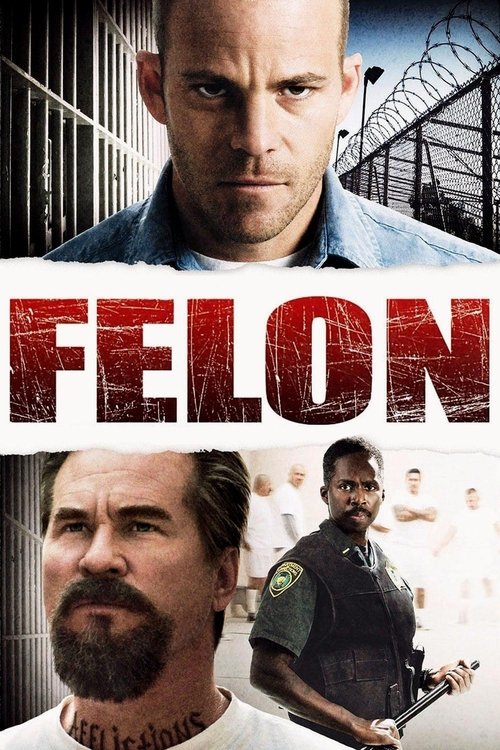
The sound of the aluminum bat hitting the skull is what stays with you. It isn’t the clean, cinematic "thwack" we’re used to in big-budget thrillers; it’s a dull, heavy thud that feels nauseatingly final. In an instant, Wade Porter—a guy just trying to get his business off the ground and marry the woman he loves—becomes a killer. He didn't seek out trouble; he just chased a burglar onto his lawn and swung.
The first time I watched Felon, I was sitting in a dorm room so cold I could see my breath, nursing a lukewarm coffee that I completely forgot to drink because my jaw was glued shut from the tension. That’s the effect this movie has. It doesn't ask you to have a fun time; it asks you to survive the next 100 minutes alongside a man who is being systematically dismantled by the state.
The Stuntman’s Eye for Brutality
Director Ric Roman Waugh (who would later give us Greenland and Snitch) brought a very specific resume to this project: he was a veteran stuntman. You can feel that history in the way he stages the violence. In 2008, we were still navigating that transition from the shaky-cam chaos of the Bourne era toward a more grounded, physical realism. Ric Roman Waugh avoids the flashy "hero" choreography. Instead, the fights in the prison yard are awkward, desperate, and terrifyingly brief. There is no grace here, only the frantic struggle of men trying to keep their teeth.
Because the budget was a lean $2.9 million—roughly the cost of a single catering tent on a Marvel set today—the production couldn’t afford to fake the atmosphere. They filmed in the decommissioned New Mexico State Penitentiary, a place with a history so dark it practically bleeds through the walls. This is where the indie spirit shines; when you see the peeling paint and the cramped, claustrophobic cells, you aren't looking at a set-dresser’s "vision." You’re looking at the real deal. It’s reported that many of the extras were actual ex-convicts, which explains why the background noise of the yard feels so heavy with unspoken threats.
A Transformation in the Dark

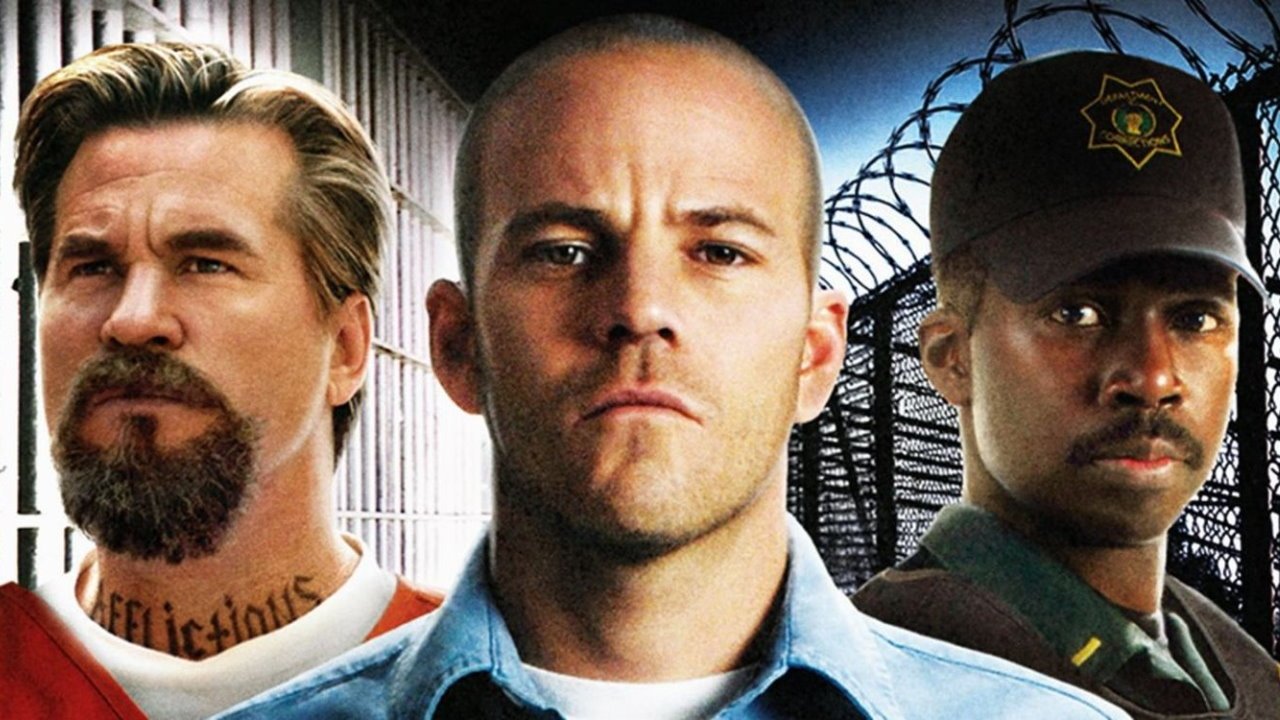
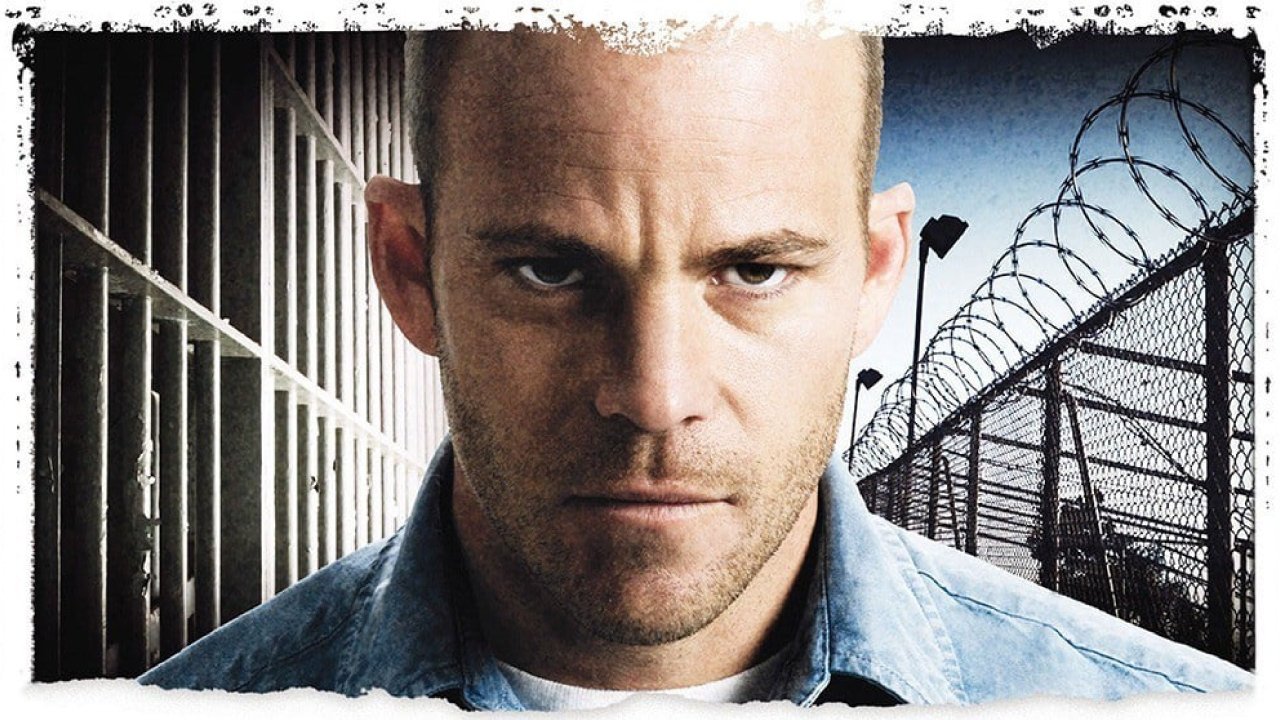
Stephen Dorff gives what I genuinely believe is the performance of his career as Wade. He’s an actor who spent the 90s being the "cool guy" (think Blade or Backbeat), but here, he is stripped of all vanity. We watch his posture change over the course of the film; he goes from a man with a straight back and a soft gaze to a hunched, guarded animal.
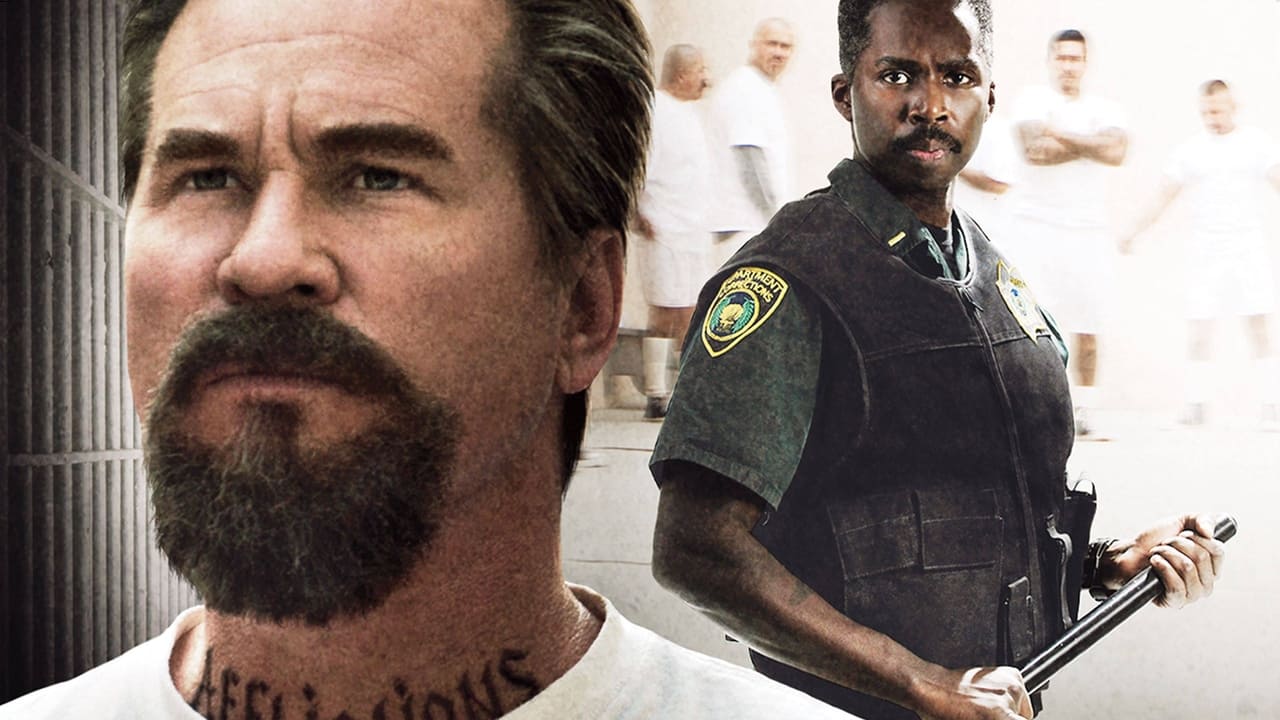
But the real seismic shift comes from Val Kilmer. By 2008, Val Kilmer (Heat, Tombstone) was entering a different phase of his career, moving away from the leading-man gloss. As John Smith, a legendary lifer who becomes Wade’s cellmate, he is unrecognizable. Behind a thick beard and a pair of wire-rimmed glasses, Kilmer plays Smith with a haunting, zen-like stillness. He’s the philosopher-king of the SHU (Security Housing Unit), a man who has accepted his damnation and spends his days reading and observing. His chemistry with Dorff is the emotional anchor of the film—it’s a mentorship born in a gutter, and it’s surprisingly moving.
The antagonist isn't just the prison system; it’s Lt. Jackson, played with a chilling, bureaucratic cruelty by Harold Perrineau (Lost). He doesn't twirl a mustache; he just views the inmates as gladiators for his own amusement and the "order" of his block. To him, the prison yard is essentially a human cockfighting pit where the guards hold the betting slips.
The Era of the Gritty Sleeper
Looking back from 2024, Felon represents a specific moment in the "Modern Cinema" era where mid-budget adult dramas could still hit hard without needing a massive theatrical push. It feels like a precursor to the "prestige TV" boom—it has the DNA of Oz but with a more cinematic, focused trajectory. It captures that post-9/11 anxiety where the institutions meant to protect us feel increasingly opaque and indifferent to individual morality.
One of the more tragic elements of a rewatch today is seeing a young Johnny Lewis as Snowman. He was such a vibrant presence in the mid-2000s, and his performance here as a doomed kid caught in the middle of a race war is a stark reminder of his talent before his own real-life tragedy unfolded. Alongside veterans like Nick Chinlund and Marisol Nichols, the cast creates a lived-in world that feels far larger than its tiny budget suggests.
The film doesn't offer easy answers. It doesn't pretend that Wade is a saint, nor does it suggest that the system can be fixed with a few well-placed grievances. It’s a movie about the price of a single second of lost control. If you missed this during its initial DVD run or its quiet theatrical release, it’s time to rectify that. Just don’t expect to feel "good" when the credits roll; expect to feel like you’ve been through the wringer.
Felon is a stark, muscular piece of filmmaking that proves you don't need a hundred million dollars to create an immersive world. It relies on the raw physicality of its leads and a script that understands the grim mathematics of survival. While it occasionally leans into prison movie tropes, the sheer commitment from Stephen Dorff and Val Kilmer elevates it into something much more memorable than your average crime thriller. It’s a heavy watch, but for those who appreciate cinema that doesn't pull its punches, it’s essential.
Keep Exploring...
-

Blood and Bone
2009
-
Undisputed III: Redemption
2010
-
Undisputed II: Last Man Standing
2006
-

United 93
2006
-
Batman: Year One
2011
-
Snitch
2013
-

The Girl Who Played with Fire
2009
-
The Protector
2005
-
Mesrine: Killer Instinct
2008
-
Mesrine: Public Enemy #1
2008
-

The Dark Knight Rises
2012
-

The Chaser
2008
-
Bronson
2009
-

The Girl Who Kicked the Hornet's Nest
2009
-

The Man from Nowhere
2010
-
The Raid
2012
-
Bound by Honor
1993
-

The Negotiator
1998
-
Bound
1996
-
Hard Boiled
1992