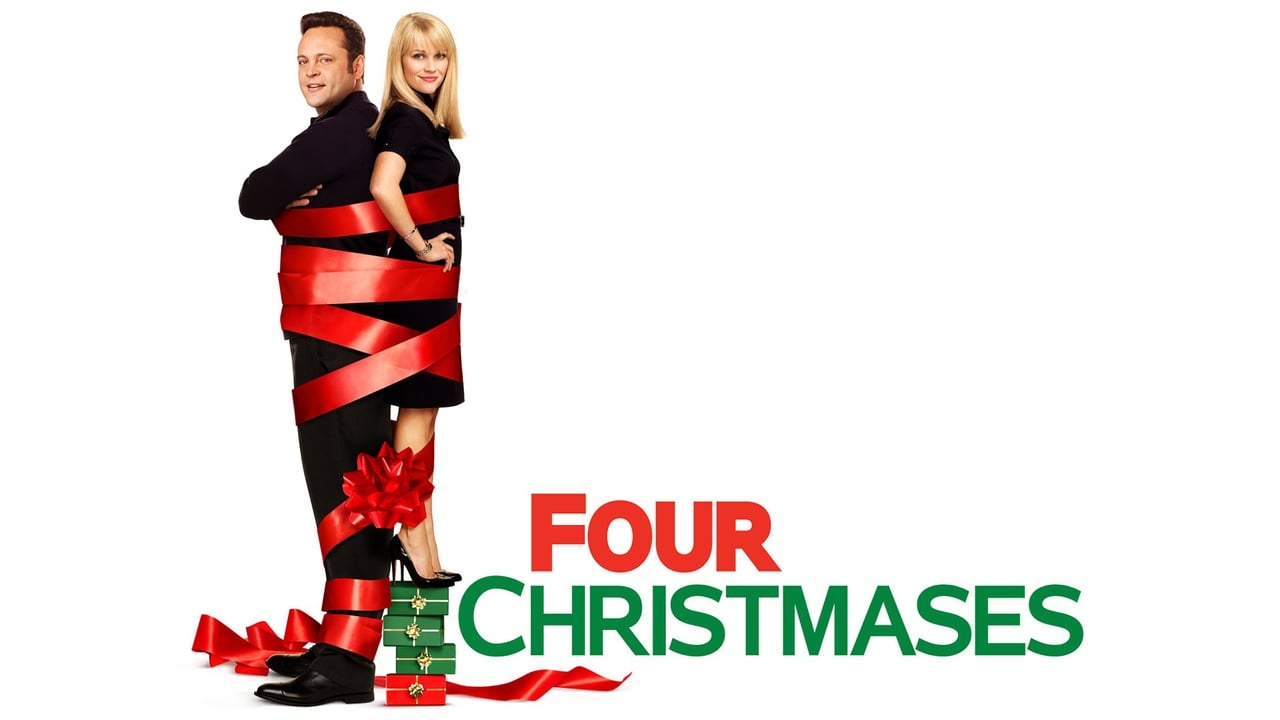
Four Christmases
"Four parents. One day. No escape."
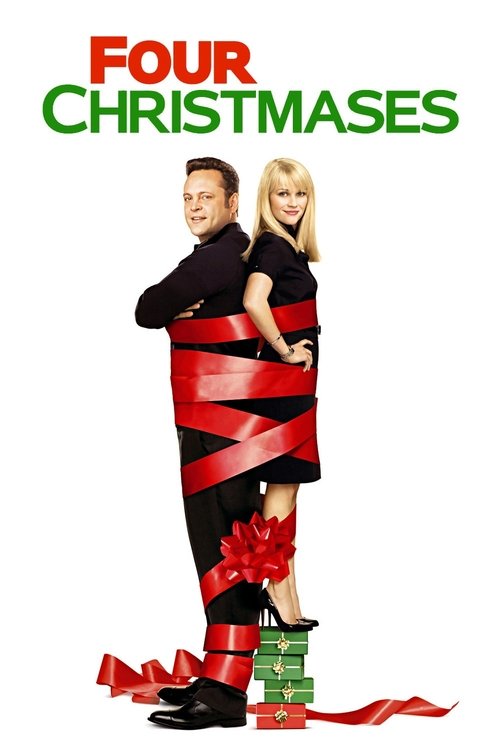
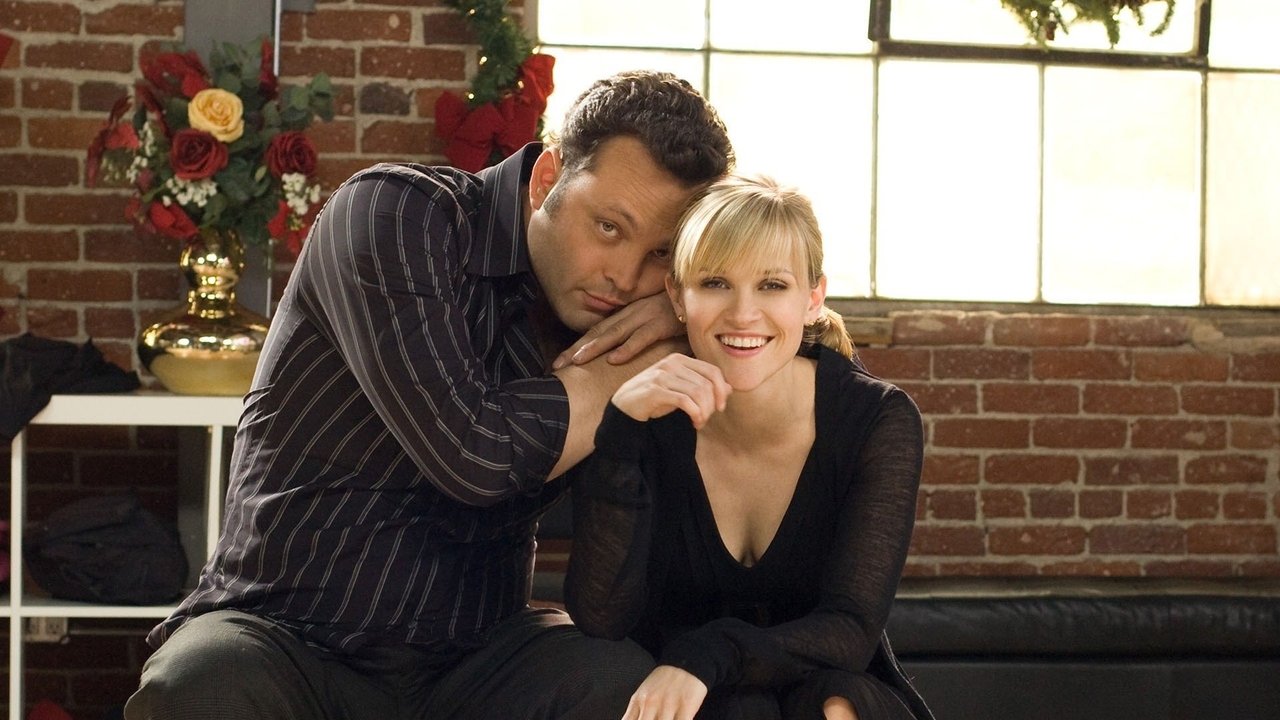
I’m looking at the cast list for Four Christmases (2008) and I’m genuinely convinced Seth Gordon pulled off the greatest heist in Hollywood history. Imagine walking into a room and pitching a movie where a baby projectile-vomits on Reese Witherspoon, and then successfully convincing five—yes, five—Oscar winners to sign their contracts. Between Robert Duvall, Sissy Spacek, Mary Steenburgen, Jon Voight, and Witherspoon herself, there is enough acting prestige on screen to power a small nation, yet they’re all here to facilitate Vince Vaughn doing his "fast-talking guy who is slightly overwhelmed" routine for 88 minutes.
I recently rewatched this while my neighbor was loudly assembling IKEA furniture through the wall, and the rhythmic thump-thump-thump of his hammer actually provided a more consistent comedic beat than some of the gags here. But that’s the thing about Four Christmases: it’s a fascinating relic of a very specific era of filmmaking that has almost completely vanished.
The Oscar-Winning Gauntlet
The premise is pure high-concept sitcom: Brad (Vince Vaughn) and Kate (Reese Witherspoon) are a sleek, childless San Francisco couple who treat their families like a recurring case of shingles—something to be avoided at all costs. They usually escape to Fiji, but when a fog bank grounds their flight and a news crew catches them on camera, they’re forced to visit all four of their divorced parents in a single day.
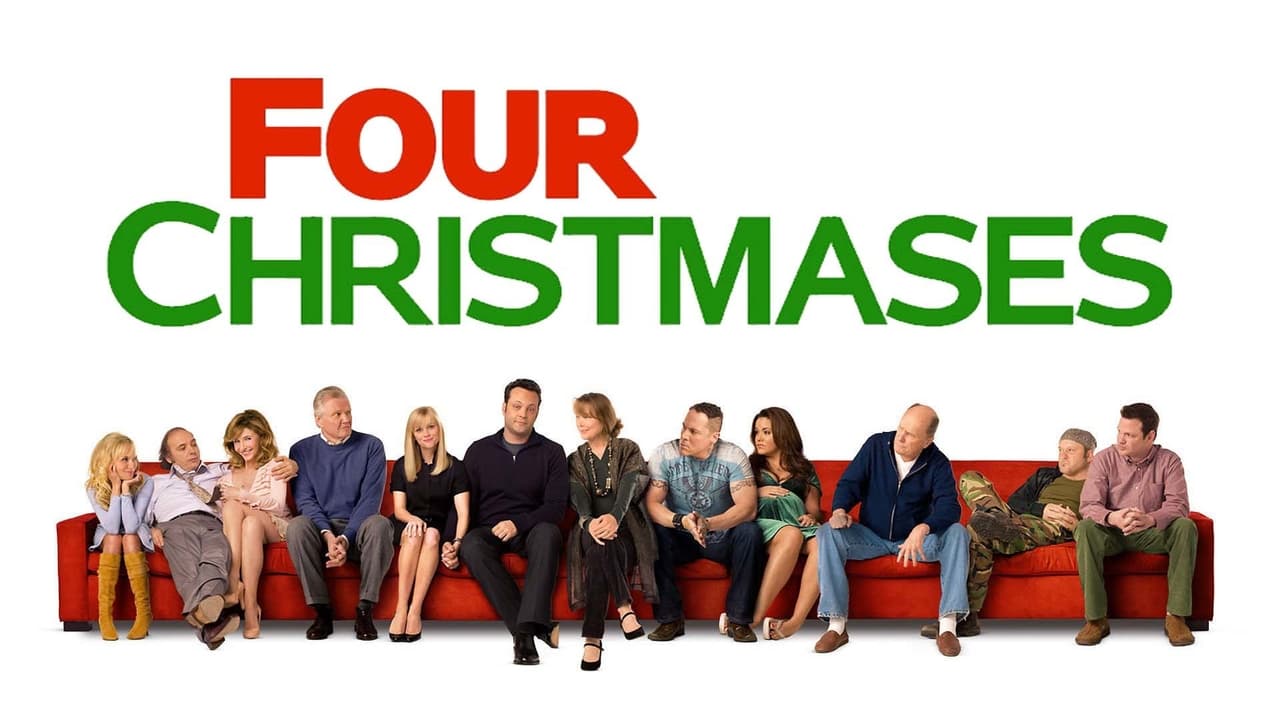
What follows is a structured descent into four different flavors of domestic hell. First, there’s the hyper-masculine, "white trash" chaos of Brad’s father (Robert Duvall) and his cage-fighting brothers (played by Jon Favreau and Tim McGraw). Then, it’s off to the cougar-den of Kate’s mother (Mary Steenburgen), followed by the New Age eccentricity of Brad’s mother (Sissy Spacek), and finally the grounded, "we need to talk about our feelings" house of Kate’s father (Jon Voight).
The sheer density of talent in these vignettes is staggering. Watching Robert Duvall argue about a satellite dish or Sissy Spacek talk about her "journey" is like watching a Ferrari being used to pull a lawnmower. They are overqualified, but their presence gives the movie a weird, grounded weight that it probably doesn't deserve. The movie treats family reunions like a series of SAW traps, and there’s something undeniably cathartic about that for anyone who has ever survived a December 25th in a multi-divorce household.
A Clash of Cinematic Civilizations
If you want to understand why the mid-budget studio comedy died, look no further than the chemistry—or lack thereof—between the leads. Vince Vaughn and Reese Witherspoon have the romantic chemistry of a toaster and a bag of flour.
At the time, rumors swirled that the two didn’t get along on set. Vaughn liked to improvise and keep things loose; Witherspoon, a legendary perfectionist, reportedly wanted to stick to the script. You can feel that friction in every frame. Vaughn is playing his usual "mumble-riffing" character from Wedding Crashers, while Witherspoon looks like she’s trying to survive a hurricane by clinging to her blocking. It’s less of a romance and more of a hostage negotiation.
Yet, looking back from the 2020s, there’s a strange charm to this friction. In an era where every blockbuster is smoothed over by a billion dollars of CGI and committee-approved "banter," Four Christmases feels humanly messy. It captures that transition point in the late 2000s where the "Frat Pack" comedy style was starting to collide with the more polished, traditional romantic drama. It doesn’t always work, but it’s never boring to watch these two very different styles of acting fight for oxygen.
The Ghost of Mid-Budget Past
Technically, the film is a time capsule of 2008. The cinematography by Jeffrey L. Kimball is surprisingly crisp, capturing a cold, gray version of the Bay Area that contrasts sharply with the oversaturated warmth of the family homes. This was also one of the last gasps of the $80 million comedy. Today, a script like this would either be a $5 million indie or a bloated Netflix "Original" with flat lighting and no soul.
The "Drama" aspect of the film—the sudden pivot in the third act where Kate decides she actually does want a baby—feels incredibly dated. It’s a classic trope of the era: the "career woman" who just needs a little holiday magic (and a lot of family trauma) to realize she’s unfulfilled. It’s handled with the subtlety of a sledgehammer, but Jon Voight shows up at the end to give a performance so genuinely tender that he almost saves the whole tonal mess.
Is Four Christmases a masterpiece? Absolutely not. It’s a collection of slapstick set-pieces held together by the sheer willpower of its supporting cast. But it earns its place on the shelf because it’s willing to be mean. It acknowledges that family isn't always a warm hug; sometimes it’s a projectile-vomiting infant and a brother who wants to put you in a chokehold.
Ultimately, this is a movie designed for the 5-minute test. It’s perfect for when you’re waiting for the roast to finish or hiding from your own relatives in the guest bedroom. It’s a reminder of a time when Hollywood would throw an ungodly amount of money and Oscar winners at a story about a satellite dish, and honestly? I kind of miss it. It’s not the best gift under the tree, but it’s better than getting socks.
Keep Exploring...
-

Alfie
2004
-
Elizabethtown
2005
-
Sex and the City 2
2010
-
Rock of Ages
2012
-
Fred Claus
2007
-
What a Girl Wants
2003
-
First Daughter
2004
-
Jersey Girl
2004
-

Casanova
2005
-
The Family Stone
2005
-

A Good Year
2006
-
Just My Luck
2006
-
Dan in Real Life
2007
-
The Nanny Diaries
2007
-
Ghost Town
2008
-

Nick and Norah's Infinite Playlist
2008
-
Wild Child
2008
-

Youth in Revolt
2009
-

Morning Glory
2010
-
The Switch
2010