Frost/Nixon
"A playboy, a President, and the silence that broke."

I remember watching Frost/Nixon for the first time on a humid Tuesday night in a theater that smelled faintly of industrial-grade floor wax and stale Raisinets. My feet were freezing because the AC was cranked to a sub-arctic level, but about twenty minutes in, I completely stopped noticing the draft. There is something inherently hypnotic about watching two men try to destroy each other using nothing but vocabulary and pauses.

Looking back from the vantage point of our current hyper-saturated media landscape, Frost/Nixon feels like a transmission from a lost civilization. Released in 2008—the same year the MCU was born with Iron Man and the prestige drama was redefined by The Dark Knight—this film is a "dad movie" in the best possible sense. It’s a lean, mean, intellectual thriller that treats a television interview like a heavyweight title fight. While it was a critical darling at the time, it’s rarely the first film people mention when discussing Ron Howard’s filmography, which is a shame. It’s arguably the sharpest thing he’s ever put to celluloid.
The Duel of the Discarded
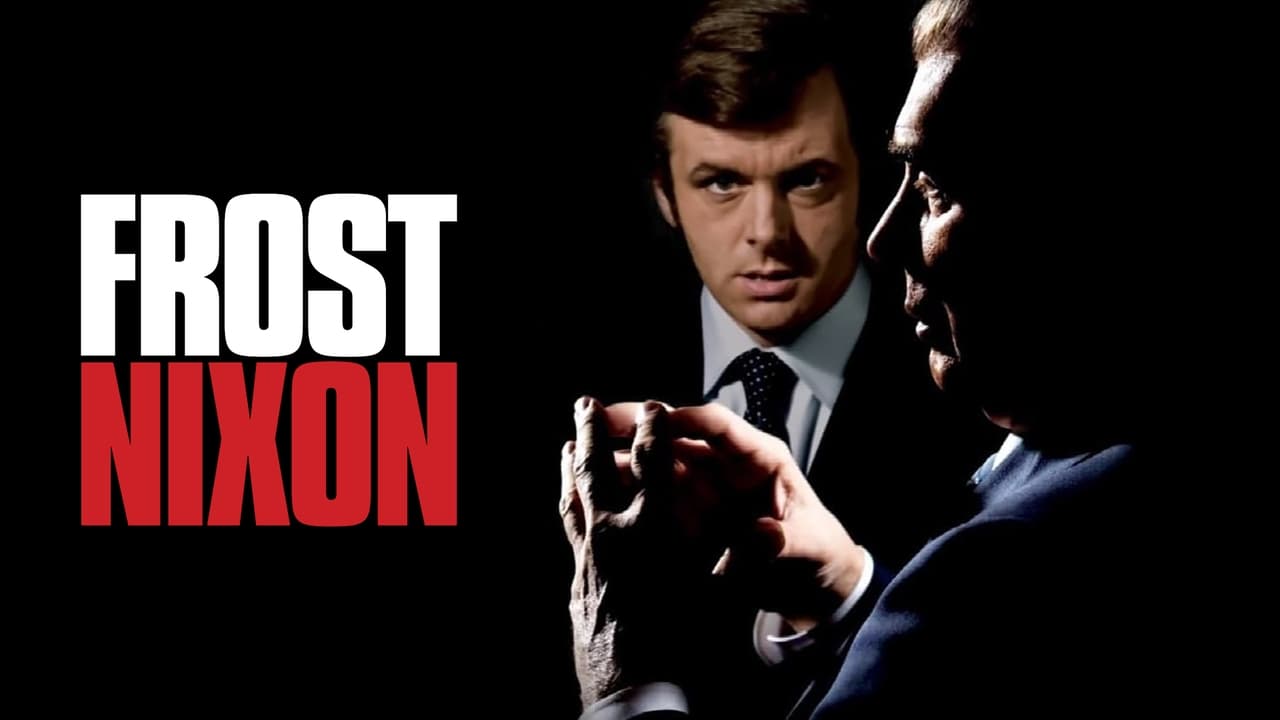
The setup is almost comical: Richard Nixon, the only U.S. President to resign in disgrace, chooses David Frost, a "breezy" British talk-show host known for interviewing starlets, to be his gateway back to public relevance. Nixon thinks he’s found a soft target; Frost thinks he’s found a goldmine.
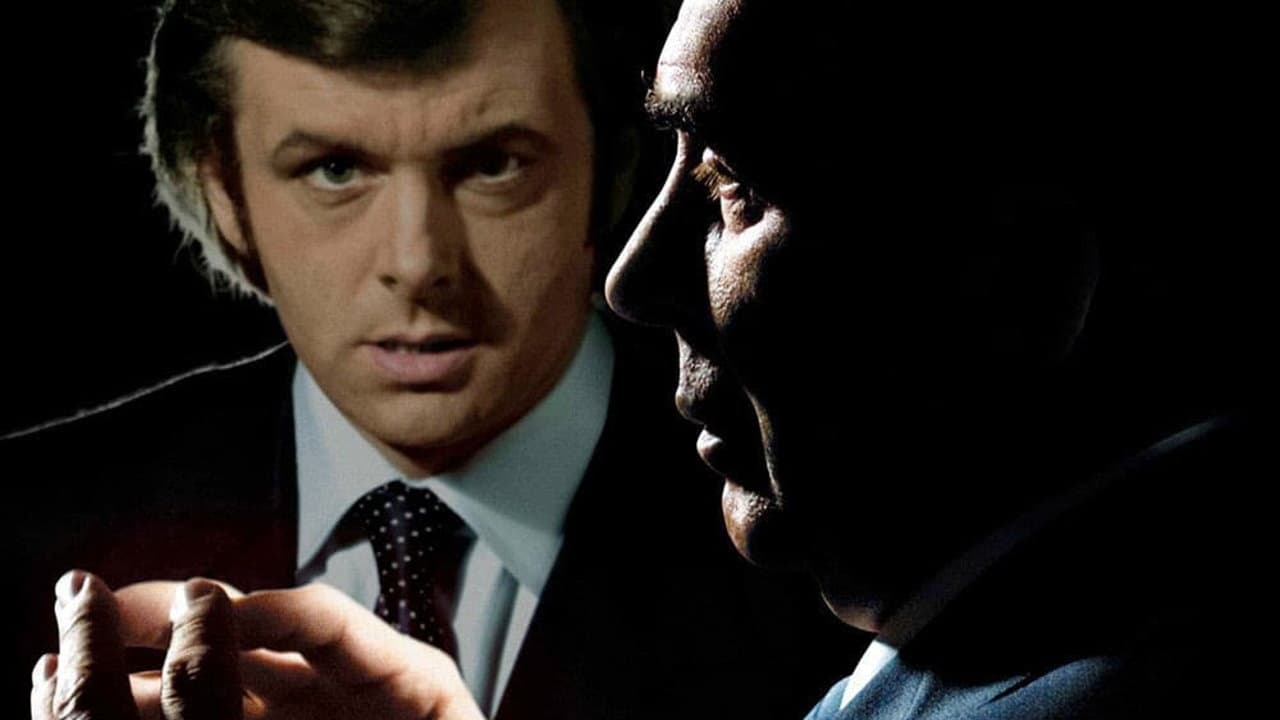
What makes the drama sing is the sheer desperation on both sides. Michael Sheen is spectacular as Frost. He plays him with this frantic, shiny-toothed ambition that masks a terrifying void of insecurity. He’s a man who has bet his entire fortune and reputation on a hunch. Opposite him, Frank Langella gives a performance that is less an impression and more a possession. He doesn’t really look like the real Nixon, but he captures the man’s tragic, Shakespearean weight—the hunch of the shoulders, the rumbling growl of a voice, and the palpable sense of a man who is secretly the most relatable person in the room because he’s so desperately lonely.
I’ve always felt that the real villain of the movie isn't Nixon, but the crushing weight of the 'close-up.' The film obsesses over the power of the television camera to reveal truths that the human eye misses. There’s a moment toward the end where the camera lingers on Nixon’s face, and you see the mask slip. In the era of TikTok and 24-hour news cycles, the idea that a single televised moment could end a political legacy feels quaint, yet Peter Morgan’s script makes it feel like a nuclear detonation.
The Team in the Trenches
While the leads get the glory, the "corner men" make this a complete cinematic meal. Sam Rockwell plays James Reston Jr. with a righteous, vibrating fury that provides the moral compass of the film. He wants a conviction; he wants the apology the world never got. Watching him clash with the pragmatism of Matthew Macfadyen (pre-Succession but already perfecting the art of the stressed-out suit) and the cynical wit of Oliver Platt is a joy.
Then you have Kevin Bacon as Jack Brennan, Nixon’s fiercely loyal chief of staff. It’s a quiet, stiff-backed performance that serves as a reminder of the human cost of political loyalty. The chemistry between this ensemble is what keeps the film from feeling like a "filmed play," even though it was adapted from Morgan's own stage production. Ron Howard uses a faux-documentary style, interspersed with talking-head interviews, which was a very "mid-2000s" trope, but here it actually serves the pacing. It keeps the energy up during the long stretches of research and negotiation.
Why It’s Worth the Rewatch
It’s fascinating to revisit this film in the context of the "Prestige TV" boom that followed. You can see the DNA of The Crown (also a Morgan project) all over the place. It’s a film about the transition of power and the birth of our modern, image-obsessed political culture.
One bit of trivia I’ve always loved: Frank Langella and Michael Sheen had already played these roles over 300 times on stage in London and New York before the cameras rolled. That’s why their rhythm is so airtight. They aren't finding the characters; they own them. Apparently, the production was so tight that they shot the whole thing in just 42 days, which is lightning fast for a Ron Howard movie with a $25 million budget.
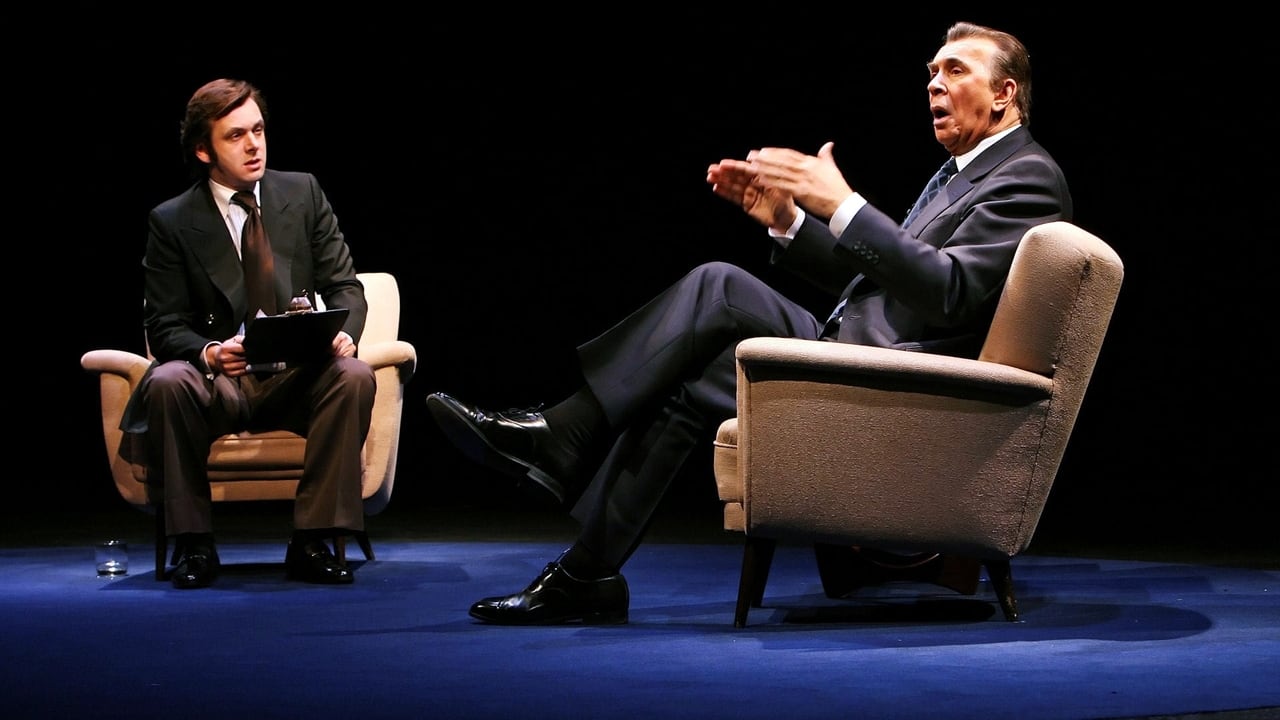
If you missed this in the 2008 shuffle, or if you only remember it as "that movie about the Watergate guy," give it another look. It’s a masterclass in tension. It manages to make a late-night phone call about cheeseburgers feel as high-stakes as a scene from Heat. It’s a reminder that before everything was CGI and multiverses, we could be absolutely riveted by two guys sitting in chairs, just talking.
Frost/Nixon is a rare bird: a historical drama that moves like a heist film. It captures a specific moment in the 1970s while feeling strangely prescient about our own obsession with the "gotcha" moment. It’s smart, superbly acted, and manages to find the humanity in one of history’s most guarded figures. Definitely worth the two hours, even if your feet aren't freezing.
Keep Exploring...
-

Cinderella Man
2005
-
Apollo 13
1995
-
Rush
2013
-
Good Night, and Good Luck.
2005
-
Backdraft
1991
-
Far and Away
1992
-

The New World
2005
-
Invincible
2006
-
United 93
2006
-
In the Valley of Elah
2007
-
Defiance
2008
-

The Other Boleyn Girl
2008
-
The Young Victoria
2009
-
The Way Back
2010
-
Mona Lisa Smile
2003
-
Seabiscuit
2003
-
Joyeux Noel
2005
-
Flags of Our Fathers
2006
-
The Good Shepherd
2006
-
The Queen
2006