Funny Games
"An invitation to your own execution."
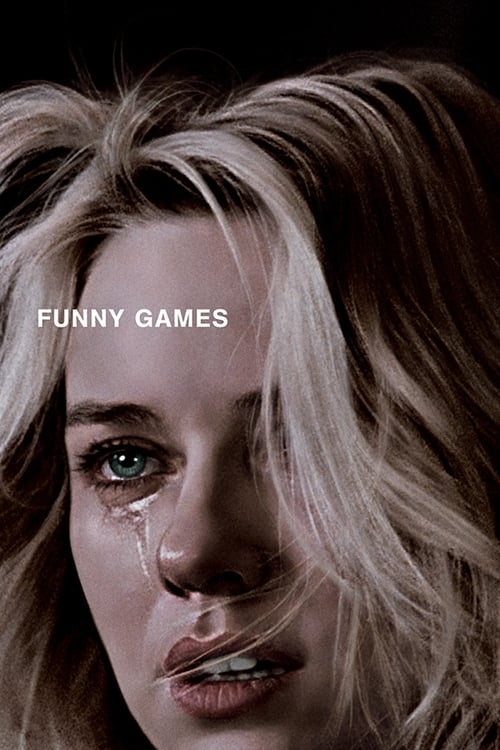
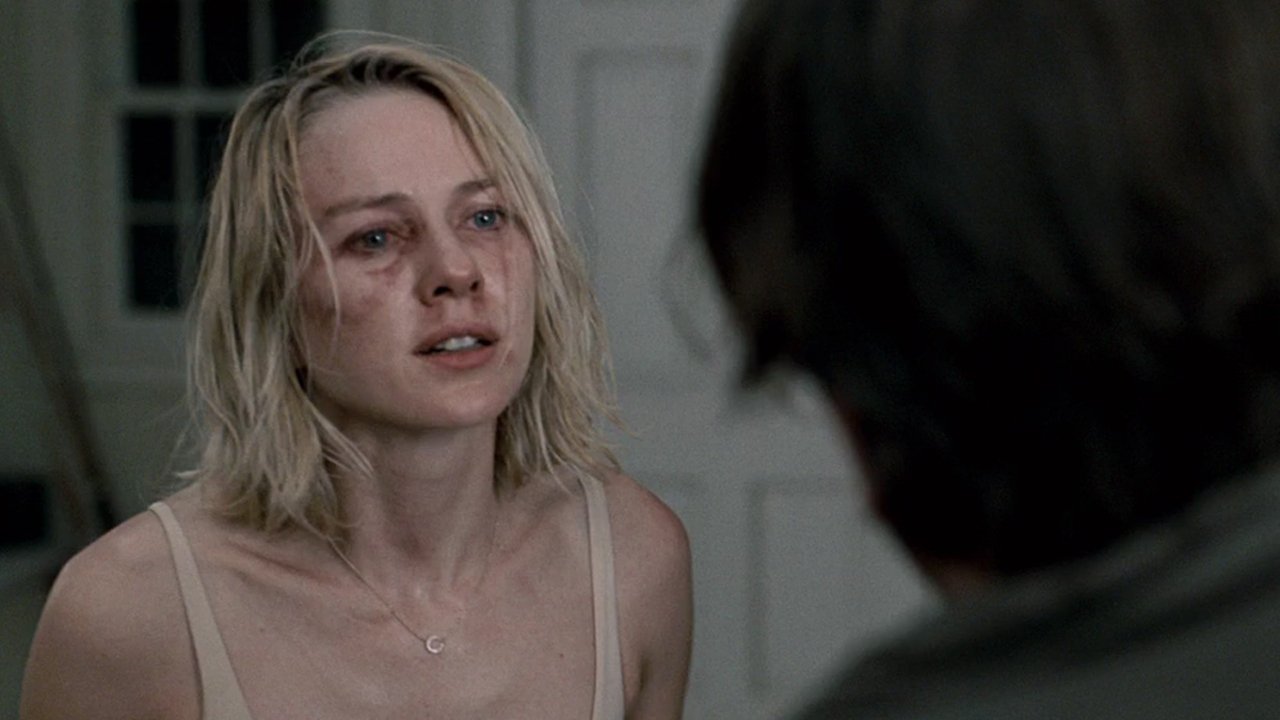
I was halfway through a bowl of generic-brand Honey Nut Cheerios when the milk went lukewarm and the cereal turned into a soggy, beige sludge. Usually, I’d be annoyed, but I couldn't move. I was staring at my TV, paralyzed, watching Naomi Watts try to hop across a floor while bound in duct tape. That’s the "Michael Haneke Effect"—he makes you feel like a collaborator in a crime just by sitting on your couch and refusing to turn the channel.
The Mirror is Turned on You
Funny Games (2008) is a weird artifact of the late 2000s. It’s a shot-for-shot, Americanized remake of Haneke’s own 1997 Austrian film, produced during that era when Hollywood was obsessed with "torture porn" like Saw or Hostel. But Haneke wasn't trying to cash in on the trend; he was trying to punch it in the face. He famously said he only made the remake because the original didn't reach the English-speaking audience he wanted to scold. He wanted us—the people who pay $12 to watch "fun" violence—to feel absolutely miserable.
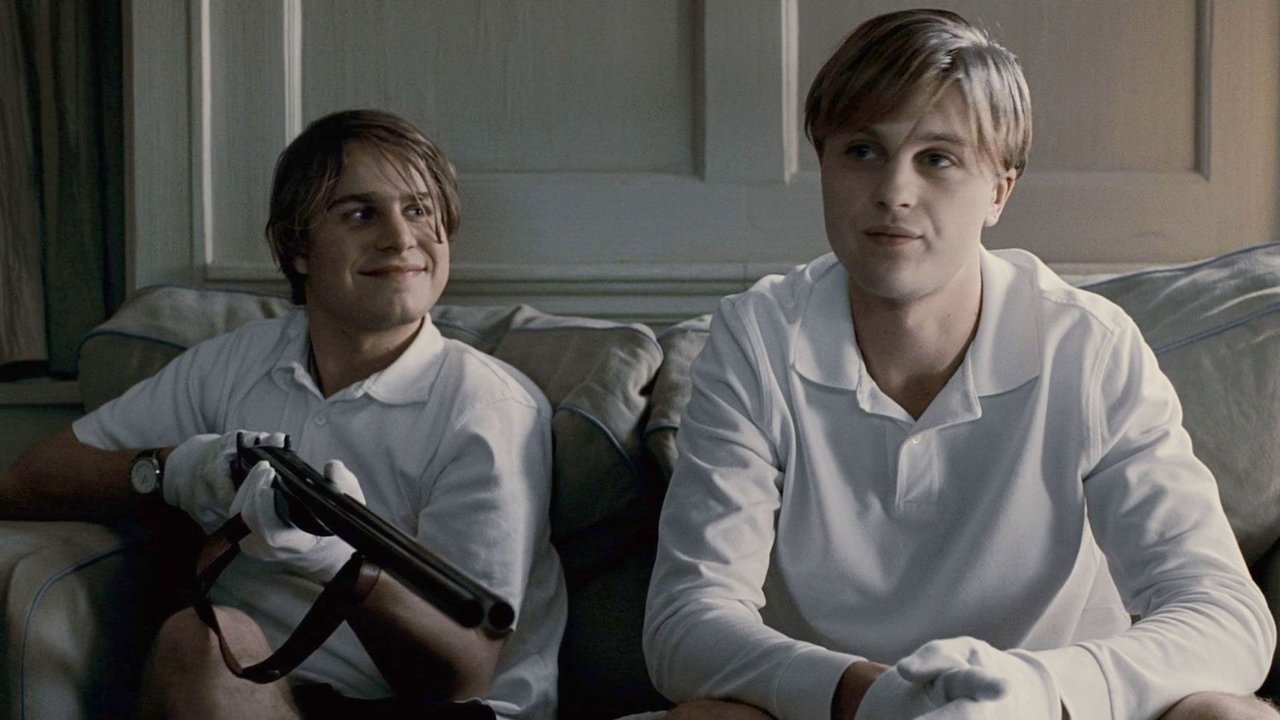
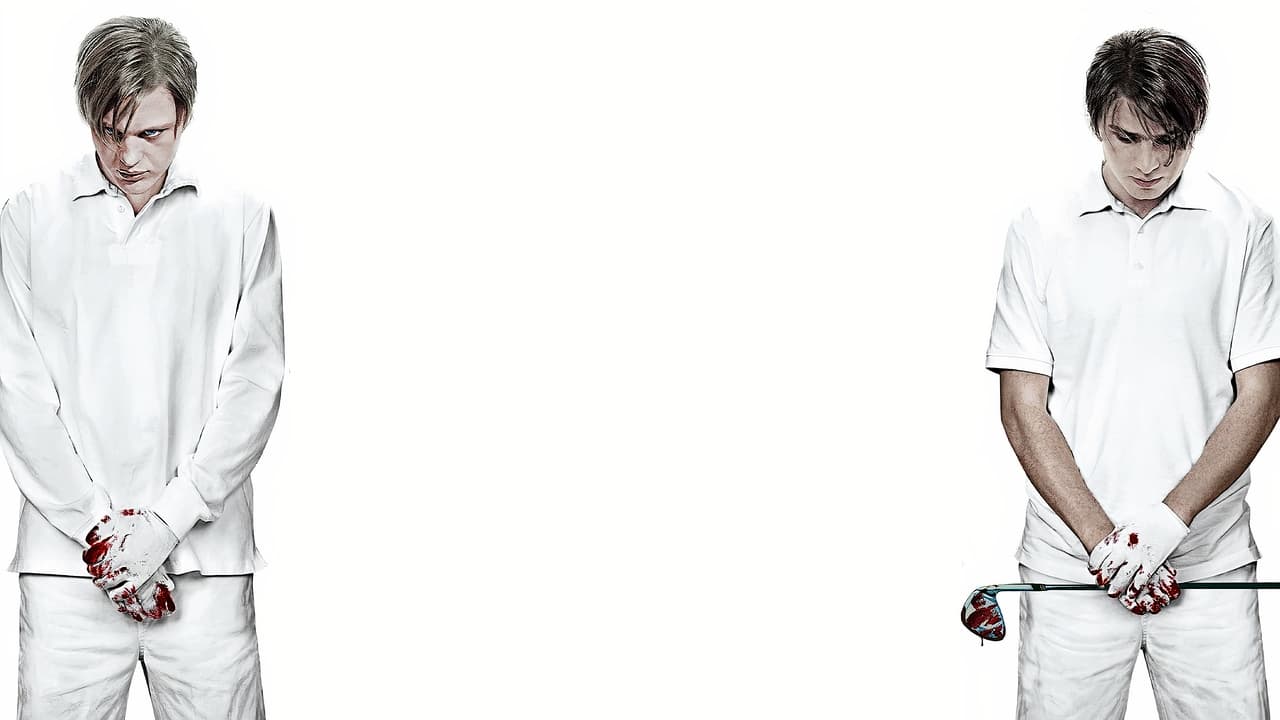
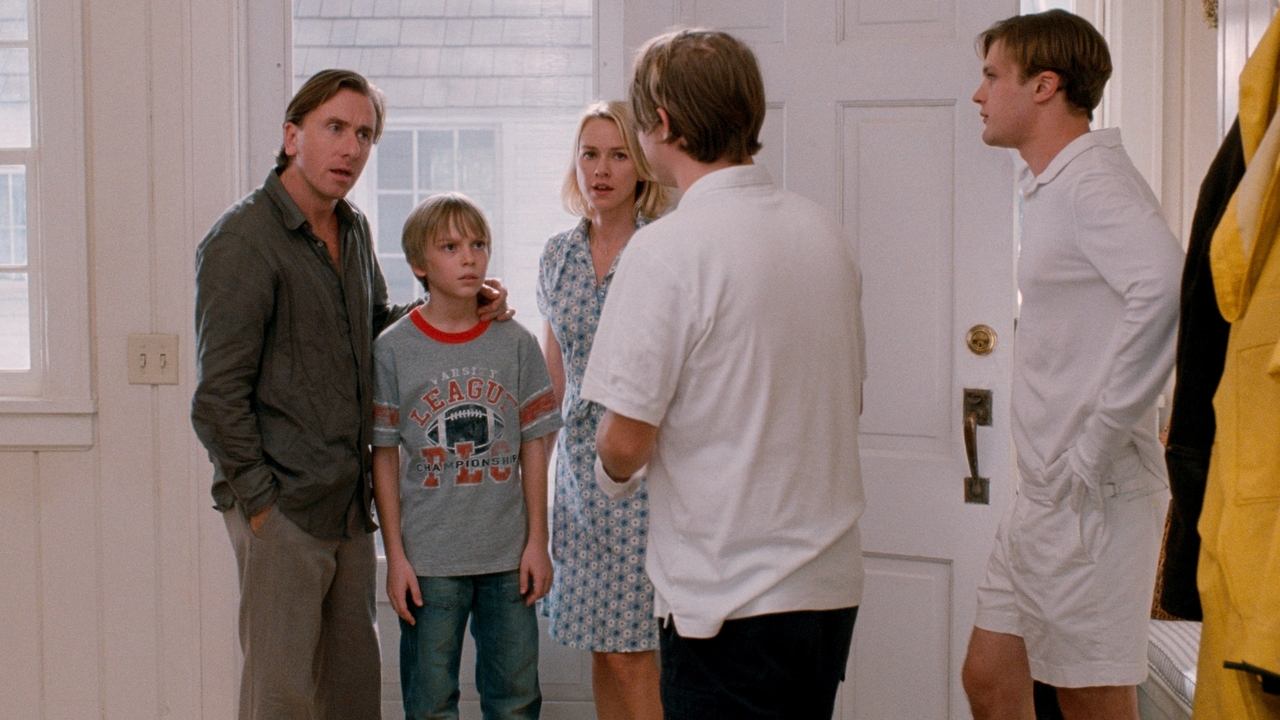
The setup is deceptively simple. A wealthy family—Ann (Naomi Watts), George (Tim Roth), and their son—arrive at their lakeside vacation home. Then come the neighbors. Peter (Brady Corbet, who played the role with a terrifying, doughy innocence) and Paul (Michael Pitt). They’re dressed in pristine white tennis whites and white gloves. They look like they should be on the cover of a J.Crew catalog, but they’re here to play "games."
I’ve always found Michael Pitt to be one of the most underrated actors of this era, and here he is a revelation. He speaks with the polite, breezy cadence of a country club waiter while breaking a man’s shins with a golf club. It’s his performance that elevates this from a standard thriller into something much more sinister: this film isn't a thriller; it’s a hostage negotiation between the director and the viewer.
The Mechanics of a Polite Nightmare
What makes this work so much better than your average slasher is the restraint. There is no musical score. None. You don't get the "jump scare" violins to warn you when something bad is happening. You just get the sound of wind, the clicking of a remote, and the heavy, wet thud of a golf club. It’s a masterclass in using silence to build a dread so thick you could carve it.
Then there’s the "Rewind." If you haven't seen it, I won't ruin the specifics, but it is one of the most polarizing moments in cinema history. Michael Pitt looks directly into the camera, breaks the fourth wall, and essentially tells us that we aren't getting out that easily. It’s Haneke’s way of saying, "Oh, you thought the heroes were going to win? You thought this followed the rules of a Hollywood movie? You haven't been paying attention."
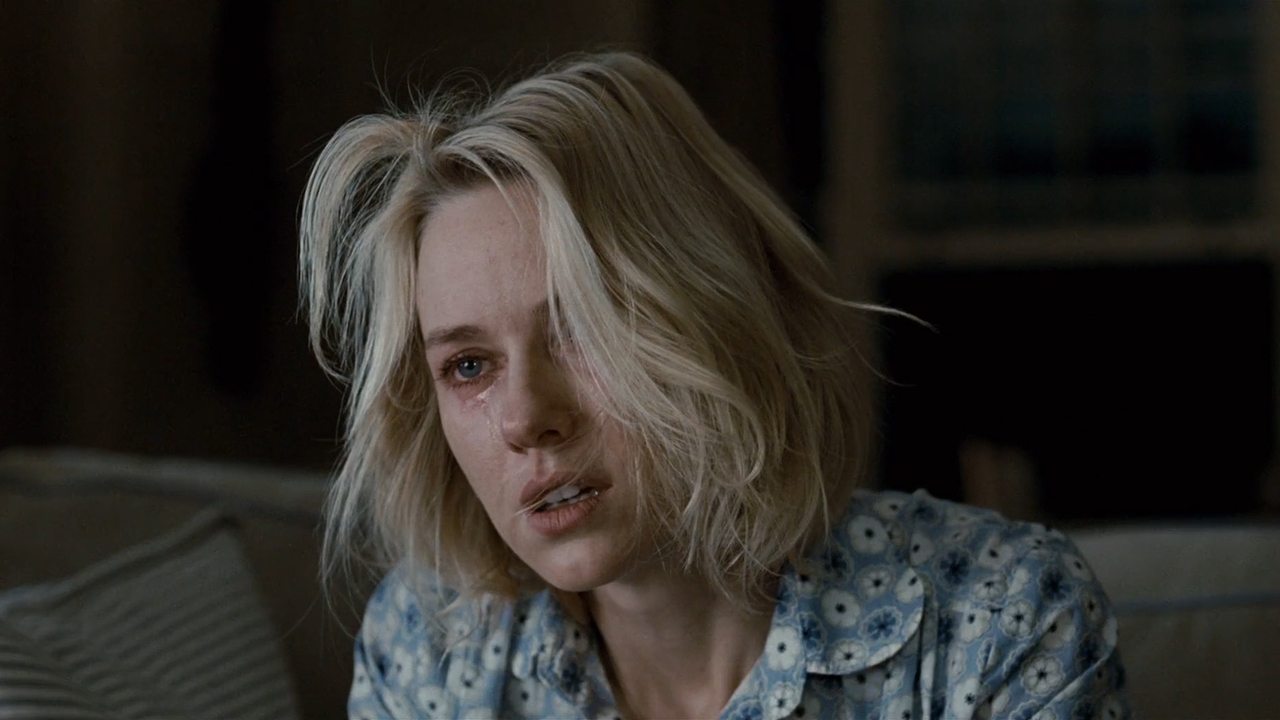
Interestingly, Naomi Watts was actually a producer on the film. She was so committed to Haneke’s vision that she stayed in that grueling, humiliated headspace for the entire shoot. It’s a brave performance, especially considering how the 2000s usually treated its "final girls." Here, there is no empowerment, only the cold reality of a situation where the bad guys don't have a motive—they just have a bet.
The Legacy of the Unwanted Remake
When this hit theaters, it bombed spectacularly. People hated it. Critics called it "pointless" and "sadistic." But in the age of the DVD and early streaming, it found a second life. It became a "dare" movie. My friends and I used to pass around the DVD like it was a cursed object from The Ring. It’s a cult classic not because it’s "cool," but because it’s so effectively unpleasant that you can’t stop talking about it once the credits roll to the jarring sounds of John Zorn’s "Bonehead."
Looking back, the 2008 version is a fascinating time capsule. It captures that transition where digital cameras were starting to make films look more clinical and "real," moving away from the grainy film stock of the 90s. This film needs that digital clarity; it makes the blood look brighter and the white tennis outfits look more blindingly arrogant.
Cool Details You Might Have Missed:
Haneke used the exact same floor plans for the house as he did in the 1997 original. He basically rebuilt the same set a decade later. Michael Pitt was apparently so exhausted by the "rewind" scene that he almost walked off set. It took dozens of takes to get the timing of his fourth-wall break exactly right. The film was shot almost entirely in chronological order, which is why the exhaustion on Tim Roth’s face looks so genuine by the final act. The original tagline, "You must admit, you brought this on yourself," is a direct jab at the audience for choosing to watch a horror movie. * Despite being a "horror" film, almost all the actual gore happens off-camera. Haneke knows your imagination is way grosser than anything he could show you.
This is not a "fun" movie. You won't want to watch it twice, and you definitely won't want to go near a set of Titleist irons for a few weeks. But as a piece of confrontational art that dares you to examine why you enjoy watching people suffer on screen, it’s brilliant. It’s a middle finger from a legendary director, wrapped in a white glove and delivered with a polite smile. If you can handle the emotional bruising, it’s a vital piece of 2000s cinema that has only become more relevant as our obsession with true crime and "dark" entertainment has grown.
Keep Exploring...
-
Funny Games
1997
-
Caché
2005
-
Wrong Turn
2003
-
House of Wax
2005
-
The Skeleton Key
2005
-

The Hills Have Eyes
2006
-
30 Days of Night
2007
-

Planet Terror
2007
-

The Mist
2007
-
The Strangers
2008
-
Drag Me to Hell
2009
-
Friday the 13th
2009
-
Orphan
2009
-
Pandorum
2009
-
Saw VI
2009
-
Devil
2010
-
The Rite
2011
-
Stoker
2013
-

28 Weeks Later
2007
-

Eden Lake
2008