Ghost Town
"He hates everyone. Now everyone includes the dead."
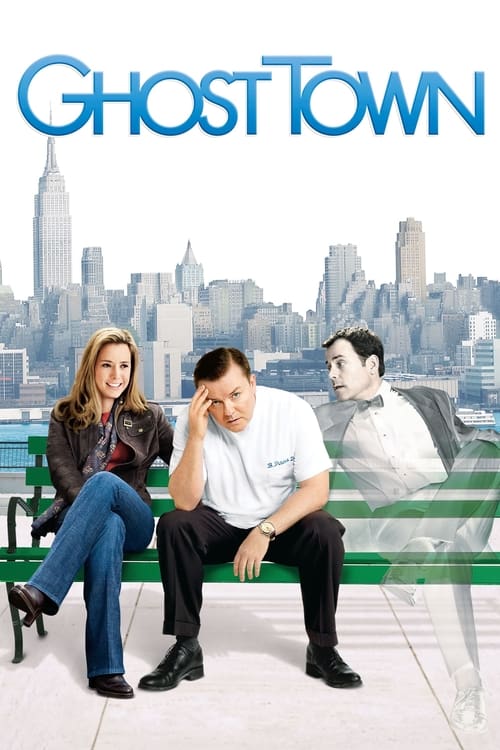
I remember finding the DVD of Ghost Town in a bargain bin at a closing Circuit City, still sporting a "Property of Blockbuster" sticker that refused to peel off. It felt like a relic even then, a quiet little supernatural comedy released in the same year that Iron Man and The Dark Knight were busy rewriting the DNA of the multiplex. While the rest of the world was looking at capes and masks, Ricky Gervais was busy being a miserable dentist in Manhattan.
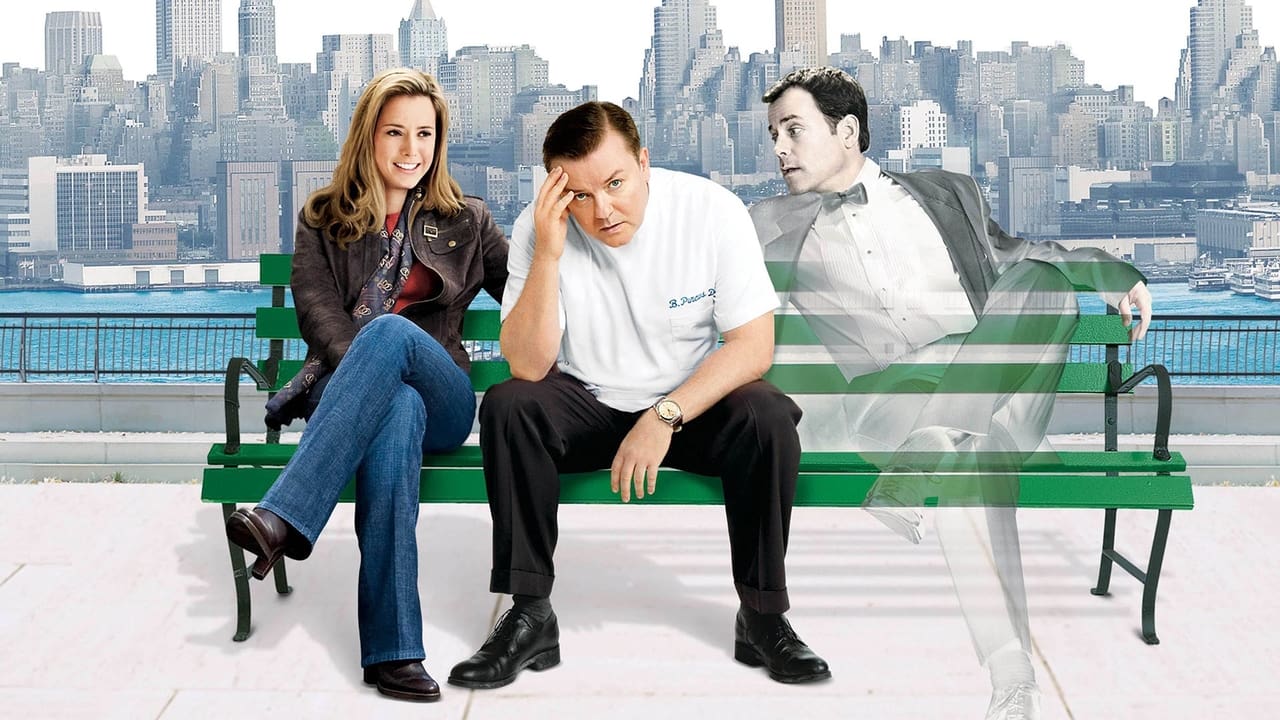
Rewatching it now, I’m struck by how much it feels like a bridge between eras. It has that polished, high-gloss "New York City" look typical of 2000s mid-budget cinema—think Hitch or You've Got Mail—but it’s spiked with the cynical, dry-witted energy that Gervais brought over from the UK. It’s a film that shouldn’t really work; it’s a romantic comedy about a guy who hates people and a ghost who cheated on his wife. Yet, somehow, it finds a soulful frequency that most modern comedies completely miss.
The Art of the Misanthrope
The film’s greatest asset is leaning into Ricky Gervais’s natural persona. Playing Dr. Bertram Pincus, Gervais is a man who literally uses cotton wool and dental tools to prevent his patients from speaking to him. It’s the perfect role for him. Before he became the guy who roasts Hollywood at the Golden Globes, he was the master of the "cringe" silence, and director David Koepp (better known for writing blockbusters like Jurassic Park) gives him plenty of room to squirm.
When Pincus "dies" for seven minutes during a routine colonoscopy—I was drinking a lukewarm Diet Coke during this scene, and a bubble went up my nose just as he woke up, which felt like a very Pincus-esque indignity—he gains the ability to see the dead. This isn't The Sixth Sense. These aren't terrifying specters; they’re just annoying New Yorkers who haven’t realized their lease on life has expired. They follow him into elevators, complain about their unfinished business, and generally ruin his carefully curated isolation.
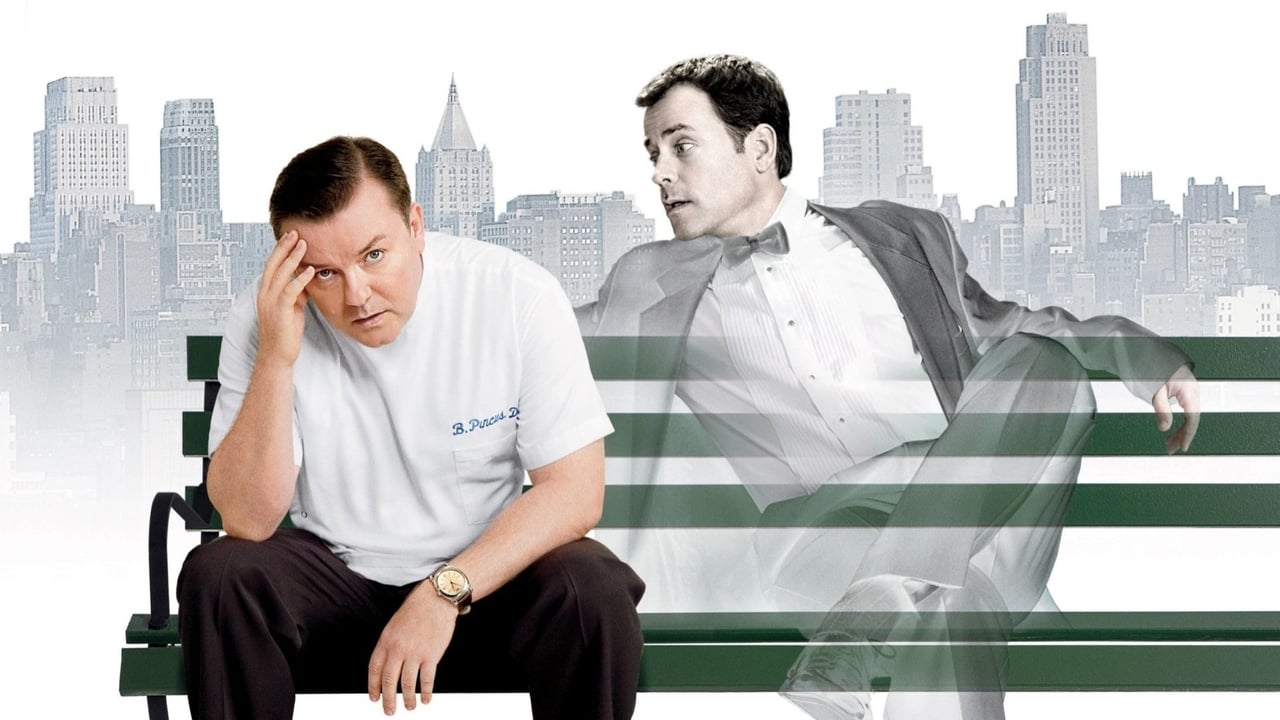
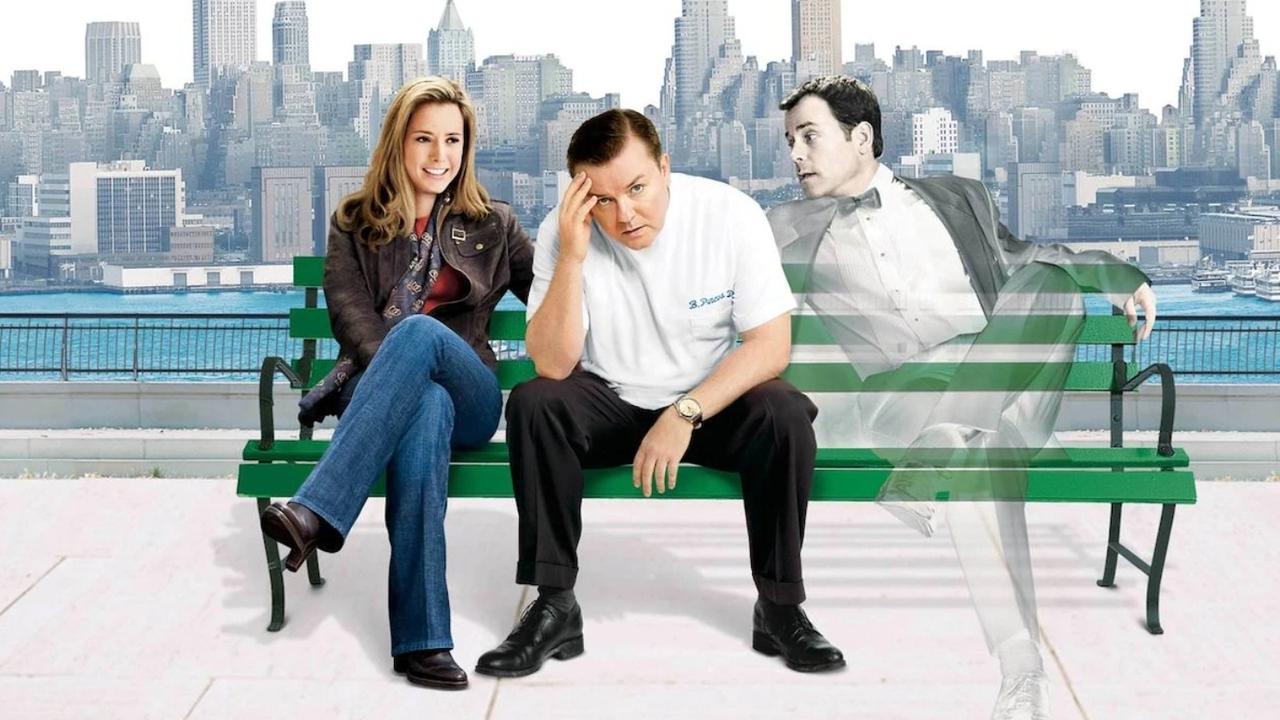
The standout among the dearly departed is Greg Kinnear as Frank Herlihy. Kinnear has always been the gold standard for playing "charismatic guy you kind of want to punch," and here he’s in peak form. He’s a tuxedo-clad ghost who needs Pincus to stop his widow, Gwen (Téa Leoni), from marrying a man he deems unworthy. The chemistry between Gervais and Kinnear is built on a foundation of mutual irritation, which is far more entertaining than the usual buddy-comedy tropes.
A Different Shade of Drama
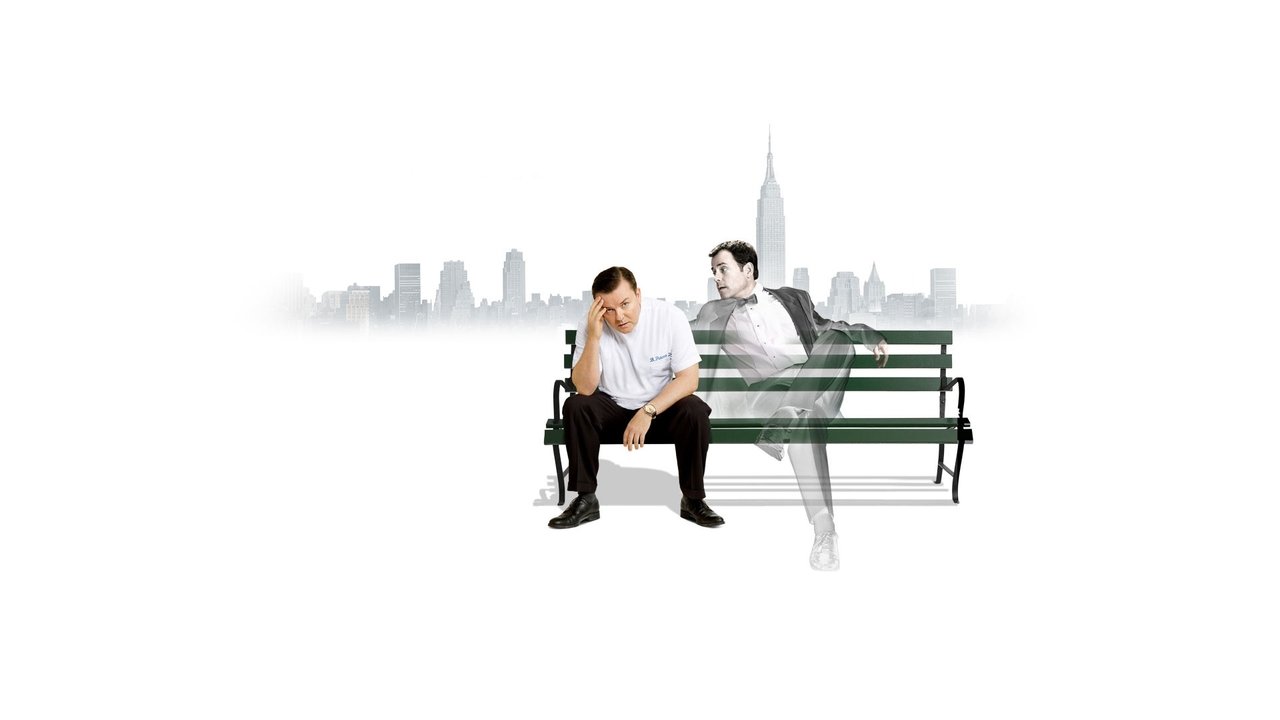
While the "seeing ghosts" hook provides the laughs, the film’s back half shifts into surprisingly tender territory. This is where the "Modern Cinema" retrospective gets interesting. In 2008, we were still allowed to have these mid-budget, character-driven stories that weren't trying to set up a sequel or a cinematic universe. Téa Leoni is the secret weapon here. She plays Gwen with a weary, intellectual sharpness that makes you understand why a misanthrope like Pincus might actually consider rejoinining the human race.
The film handles the "drama" part of its genre tags with a light touch. It explores grief without being maudlin and redemption without being preachy. I’ve always maintained that the best comedies are the ones that aren't afraid to be quiet for five minutes, and Koepp lets the camera linger on the lonely spaces in Pincus’s life. The visual effects, handled by the legendary ILM, are intentionally subtle. The ghosts don't glow; they just look like people who are slightly out of step with the world around them. It’s a choice that has aged remarkably well, especially compared to the over-saturated CGI of the 2010s.
The Koepp Connection
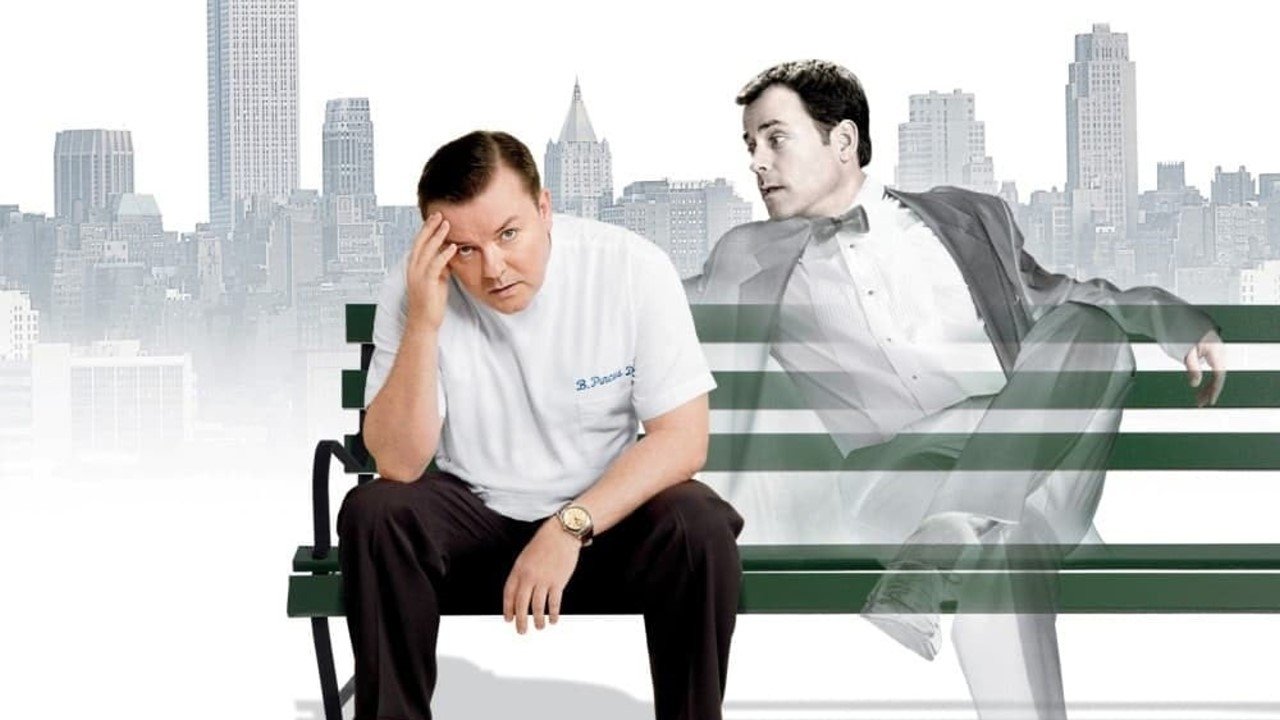
It’s easy to forget that David Koepp directed this. The man who wrote Mission: Impossible and Spider-Man shows a real knack for small-scale physical comedy. There’s a scene involving Pincus trying to take a "mummy" drug to talk to Gwen that is a masterclass in comedic timing. It’s a reminder that even in an era of digital revolutions, nothing beats a well-written script and an actor who knows exactly how to use their face.
The film also features a great supporting turn from Aasif Mandvi as Pincus’s dental partner. Their bickering provides a grounded counterpoint to the supernatural hijinks. It feels like a real workplace, which is a testament to the screenplay by Koepp and John Kamps. They understood that for the fantasy elements to land, the "real world" had to feel authentic.
Looking back, Ghost Town feels like one of the last of its kind. It’s a "grown-up" comedy that doesn't rely on Judd Apatow-style improvisation or gross-out gags. It relies on character. It’s the kind of movie you’d watch on a Sunday afternoon on basic cable and end up staying for the whole thing because the ending is one of the most earned emotional beats of its decade.
Ghost Town isn't a life-changing masterpiece, but it’s a deeply charming, incredibly funny film that showcases a side of Ricky Gervais we rarely see anymore. It’s a story about learning to listen to people before they’re gone, wrapped in a blanket of sharp Manhattan wit. If you missed it during the 2008 shuffle, it’s well worth a haunt on your favorite streaming service. It’s a reminder that even the most annoying people have a story worth hearing—even if they have to die to tell it.
Keep Exploring...
-

Ruby Sparks
2012
-
Just My Luck
2006
-
Sliding Doors
1998
-
Stranger Than Fiction
2006
-

17 Again
2009
-
The Invention of Lying
2009
-
Just Like Heaven
2005
-
The Family Man
2000
-
What a Girl Wants
2003
-
First Daughter
2004
-
Jersey Girl
2004
-
A Lot Like Love
2005
-
Broken Flowers
2005
-
Casanova
2005
-
The Family Stone
2005
-
The Sisterhood of the Traveling Pants
2005
-

A Good Year
2006
-
Aquamarine
2006
-
Across the Universe
2007
-
Dan in Real Life
2007