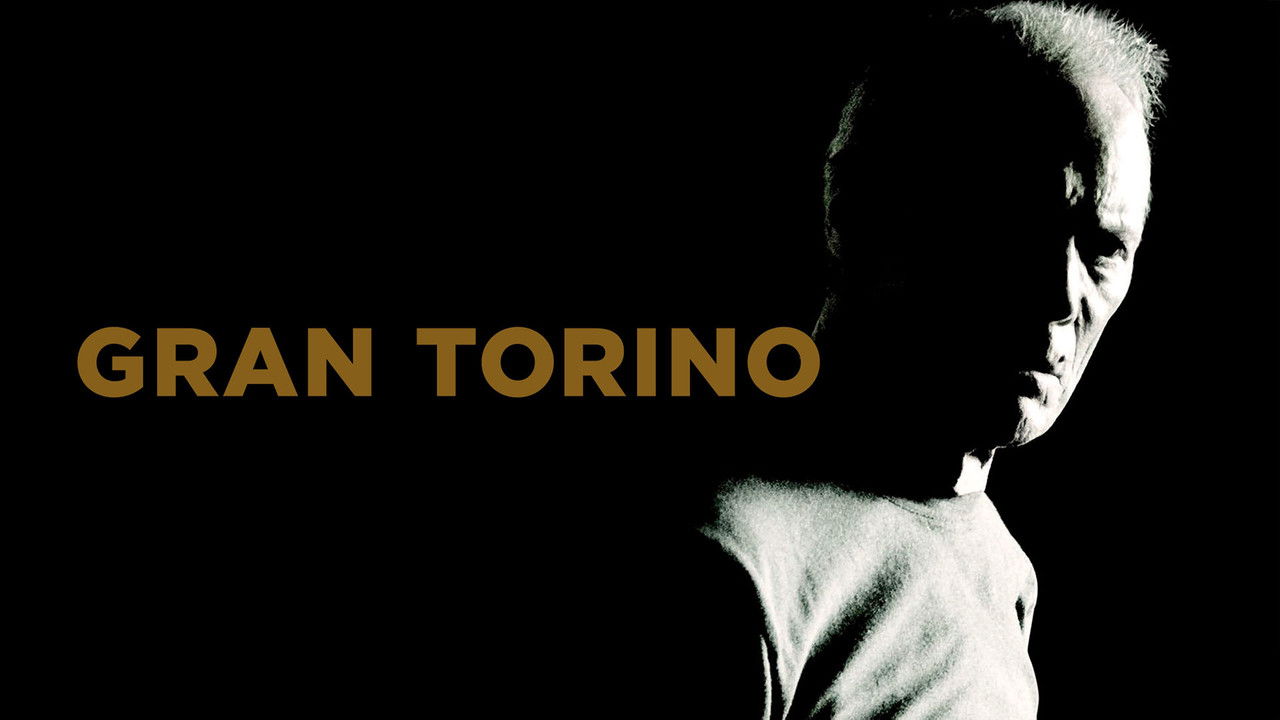
Gran Torino
"A legend’s swan song with a 351 Cleveland engine."
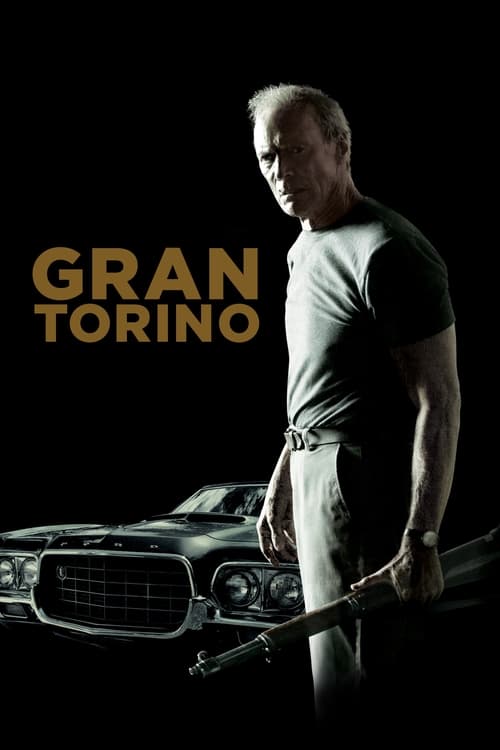
The first thing you hear isn’t a line of dialogue or a note from Kyle Eastwood’s somber score. It’s a growl. It’s a low-frequency, prehistoric rumble that sounds like a tectonic plate trying to clear its throat after a three-pack-a-day habit. That sound belongs to Walt Kowalski, and in 2008, it became the defining noise of cinema’s favorite disgruntled retiree. I remember watching this for the first time on a scratched DVD I’d rented from a Blockbuster that was three weeks away from permanent closure, while I was distractedly trying to scrub a stubborn mustard stain off my favorite hoodie with an old toothbrush. That feeling of grit and manual labor somehow made the movie click even faster.
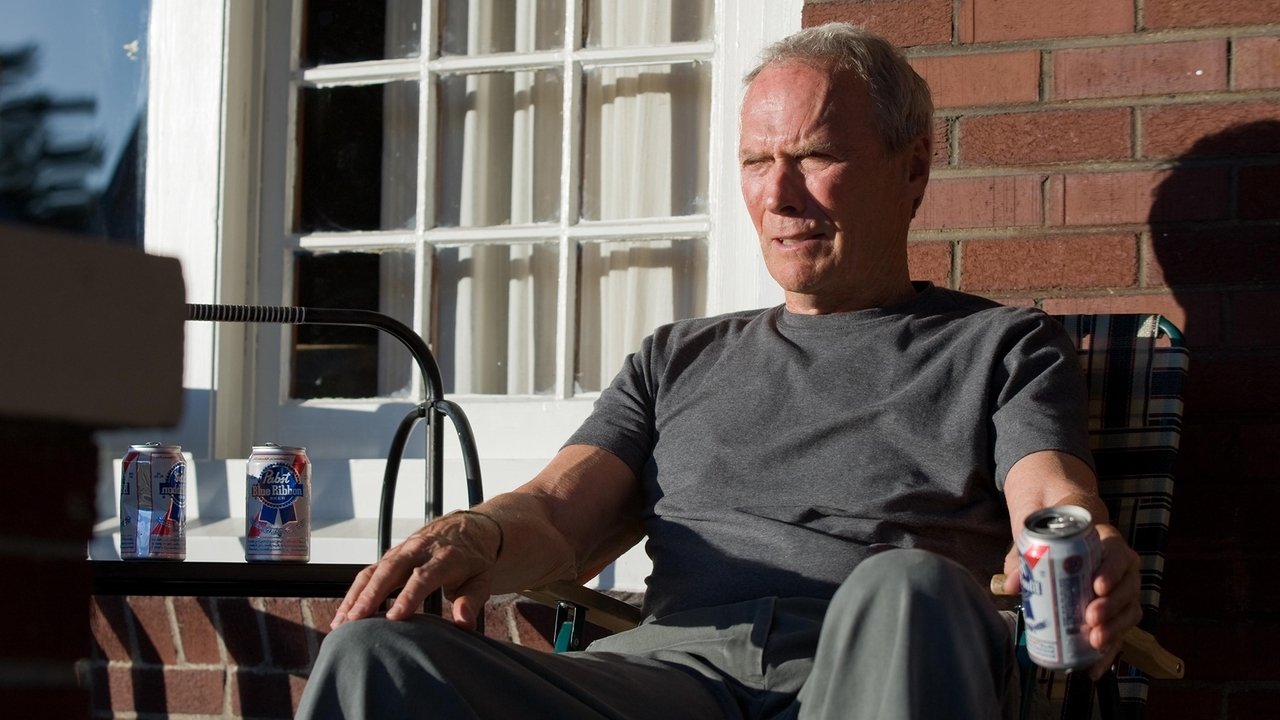
The Relic on the Porch
Gran Torino arrived at a fascinating crossroads in modern cinema. By 2008, the industry was pivoting hard toward the shiny, digital gargantuans of the MCU, yet here was Clint Eastwood—both behind the camera and front-and-center—delivering a mid-budget drama that felt like it was forged in an iron foundry. In retrospect, this film is the ultimate "recent enough to remember, old enough to reassess" piece. It captures that specific 2000s anxiety: the crumbling of the American manufacturing dream, the changing face of the suburbs, and the lingering shadows of the Korean War.
Walt Kowalski is essentially Dirty Harry with a social security check and a much worse cough. He’s a man out of time, a Polish-American veteran whose neighborhood in Detroit has shifted around him while he stayed perfectly, stubbornly still. When his neighbor Thao, played by Bee Vang, tries to steal Walt’s prized 1972 Gran Torino as a gang initiation, it sets off a chain of events that is less about "reforming a youth" and more about two people realizing they are both outsiders in the same zip code.
A Different Kind of Neighborhood Watch
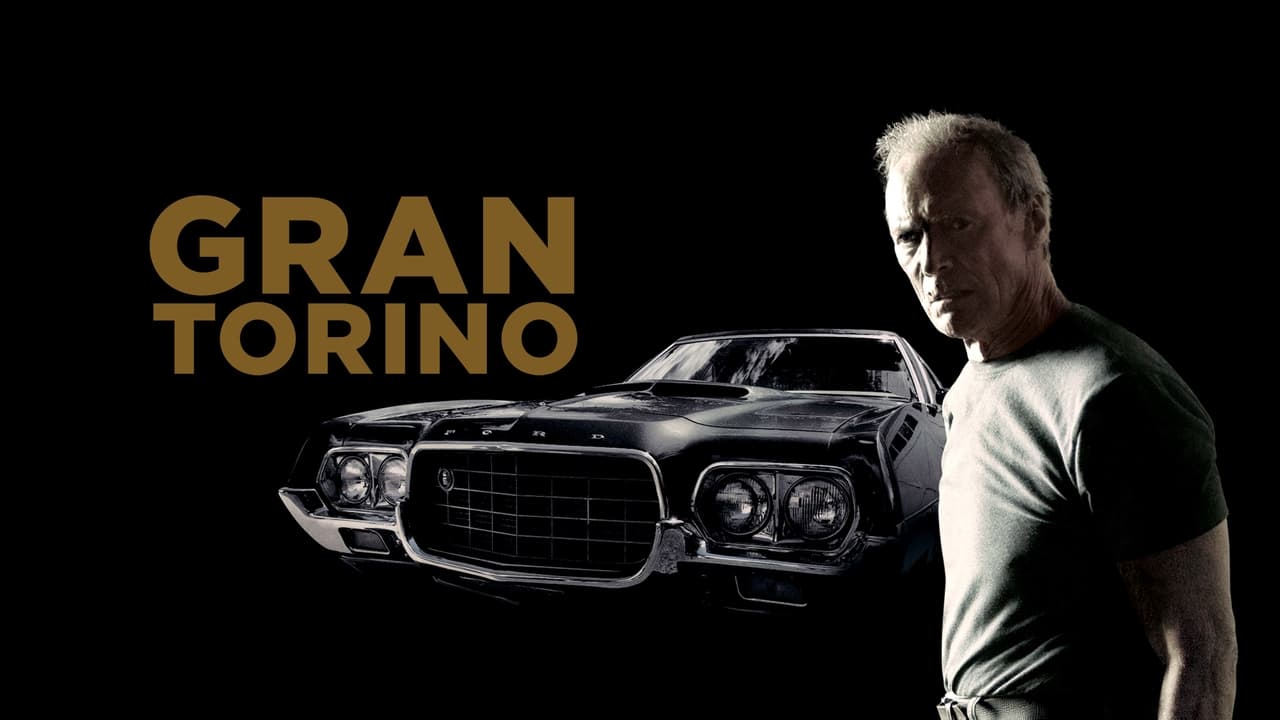
What makes this drama resonate isn’t the plot—which, let’s be honest, follows a fairly traditional redemption arc—but the specificity of the culture. Writer Nick Schenk penned the script based on his time working in a Minnesota factory, and that "blue-collar" DNA is baked into every frame. Clint Eastwood made a deliberate, prestigious choice to cast within the Hmong community, bringing in non-actors like Bee Vang and Ahney Her (who plays the whip-smart Sue).
Does the acting from the newcomers always land? Not perfectly. There’s a raw, almost stilted quality to some of the supporting performances, but I’d argue that’s exactly why it works. It creates a friction against Eastwood’s effortless, seasoned screen presence. His son’s family, meanwhile, are written as the human equivalent of a damp Saltine cracker, providing the perfect foil to the genuine connection Walt develops with the "kids next door." It’s a film that earns its emotional beats because it doesn't rush them; it lets them sit on the porch and stew in the humidity.
The Efficiency of a Legend
From a production standpoint, Gran Torino is a masterclass in "The Eastwood Way." Known for his "one-take" philosophy, Clint wrapped the shoot in just over 30 days. You can feel that lean, mean energy in the cinematography by Tom Stern (who also lensed Million Dollar Baby). The colors are desaturated, almost metallic, echoing the cold steel of the car and the industrial decay of the setting. There’s no CGI bloat here, no digital safety net—just a director who knows exactly where to put the camera to capture the weight of a man’s regrets.
Despite being a massive box office hit—raking in $270 million on a $33 million budget—the film was famously snubbed by the Academy. No Best Picture nod, no Best Actor for Clint. Looking back, that feels like a crime. It was a year dominated by Slumdog Millionaire, but Gran Torino has arguably aged with more dignity. It doesn't rely on "prestige" gimmicks; it relies on the sight of an old man finding something worth dying for in the middle of a driveway. It’s a drama that handles its heavy themes of racism and sacrifice with a surprising amount of humor, even if most of that humor is Walt insulting everyone within a five-mile radius.
Gran Torino is the kind of film they don't really make for the big screen anymore—a character-driven, mid-budget drama that trusts the audience to sit with a deeply unlikable protagonist until he earns his keep. It’s a testament to Eastwood’s enduring power that he could take a "Get off my lawn" meme and turn it into a genuine American tragedy. If you haven't revisited it since the DVD era, do yourself a favor and park yourself on the porch for two hours. It still has plenty of gas in the tank.

Keep Exploring...
-
Million Dollar Baby
2004
-

Mystic River
2003
-
Letters from Iwo Jima
2006
-

Changeling
2008
-
Invictus
2009
-
A Perfect World
1993
-
The Bridges of Madison County
1995
-
Unforgiven
1992
-
Absolute Power
1997
-
High Plains Drifter
1973
-
Pale Rider
1985
-
J. Edgar
2011
-
The Pursuit of Happyness
2006
-
Shutter Island
2010
-
Eternal Sunshine of the Spotless Mind
2004
-
The Notebook
2004
-
The Prestige
2006
-
Into the Wild
2007
-
There Will Be Blood
2007
-

Flipped
2010