Harold & Kumar Escape from Guantanamo Bay
"The war on terror just got way higher."
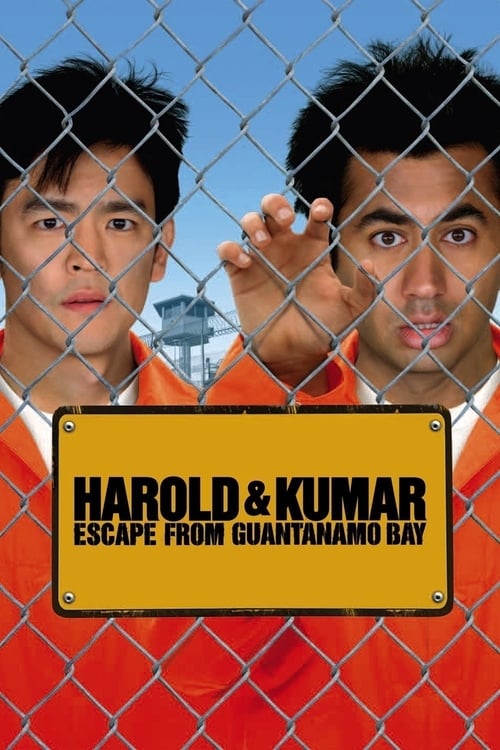
Most sequels suffer from a simple lack of audacity. They take the original formula, add ten percent more explosions, and call it a day. But in 2008, Jon Hurwitz and Hayden Schlossberg decided that the only logical progression for two stoners who just wanted some sliders was to throw them into a federal orange jumpsuit. I watched this film while nursing a lukewarm cup of instant miso soup that had way too many dried seaweed flakes in it, and honestly, the sheer chaotic energy of the movie made me forget I was basically drinking salty ocean water. It’s a film that exists in a very specific, jagged window of American history—a time when we were finally ready to laugh at the absurdity of the post-9/11 security state, but weren't quite sure if we were allowed to yet.
A Smoke-Filled Time Capsule
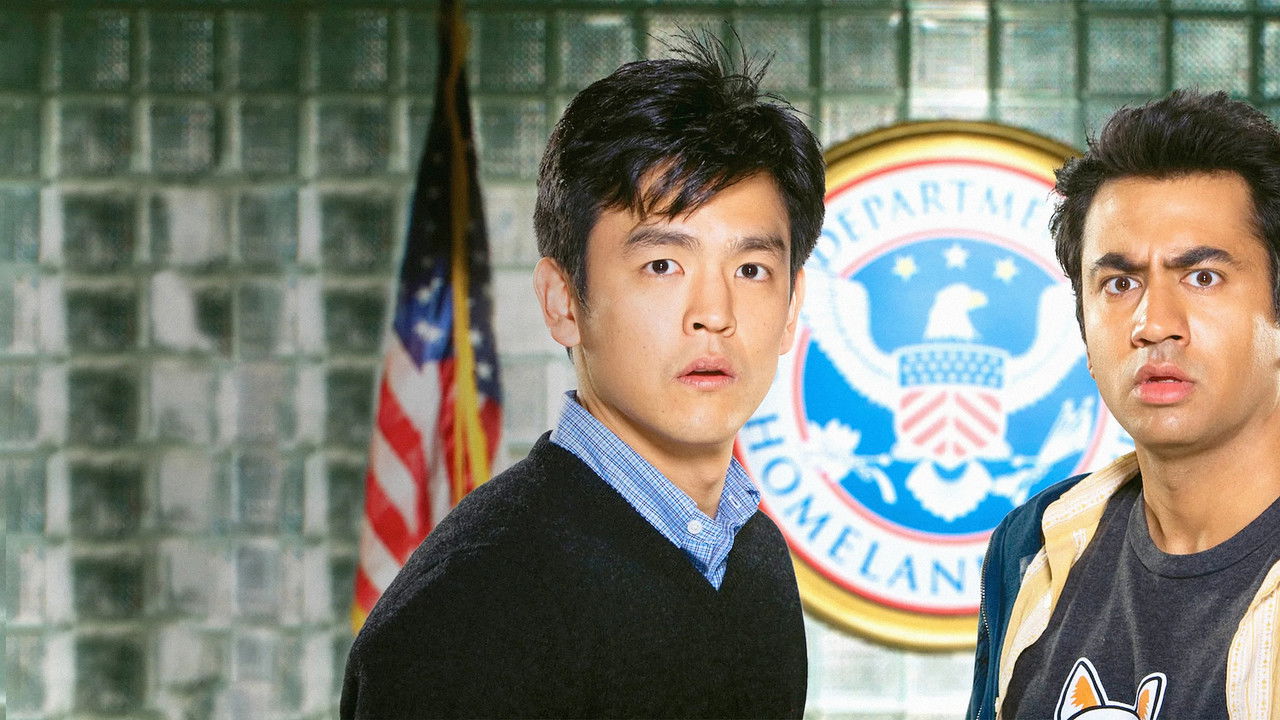
Looking back at the mid-to-late 2000s, there was a specific brand of "R-rated anarchy" that defined the comedy landscape. We were moving away from the polished studio comedies of the 90s and into something grittier, weirder, and much more willing to offend everyone equally. Harold & Kumar Escape from Guantanamo Bay picks up exactly where the first film left off, which is a bold move considering four years had passed in real life. John Cho and Kal Penn step back into their roles as Harold and Kumar with a chemistry that feels like a well-worn pair of sneakers.
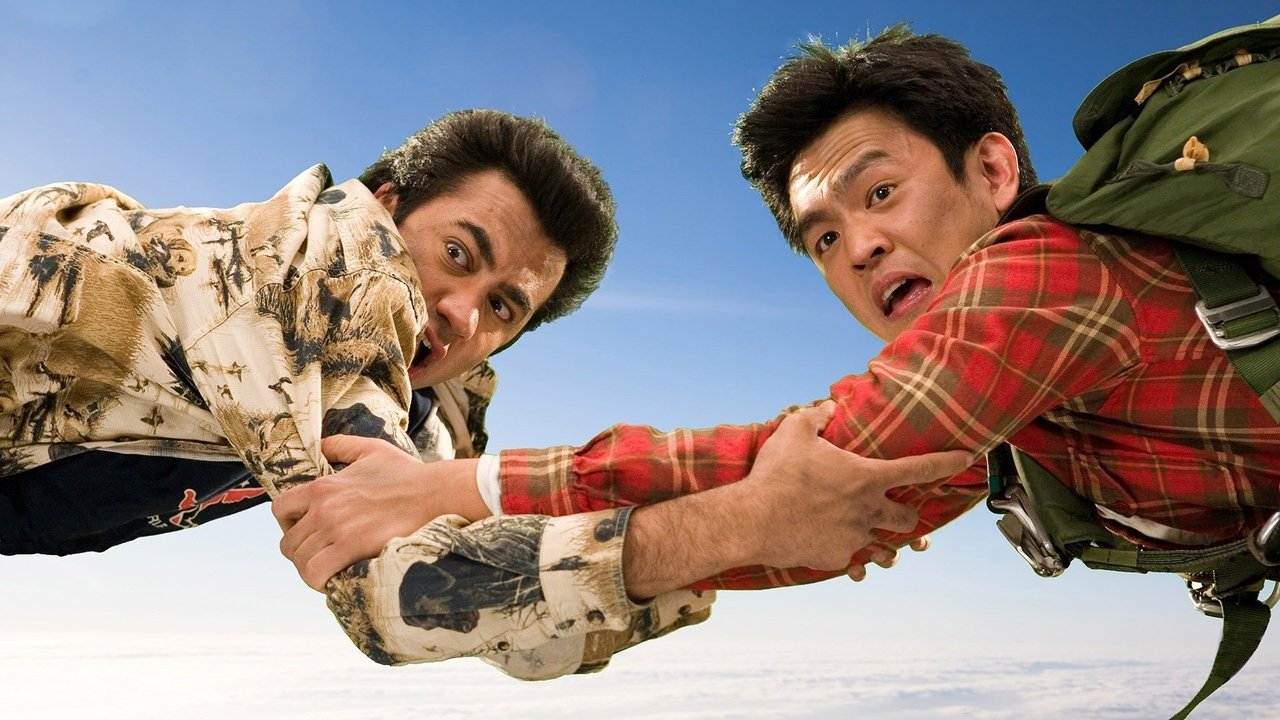
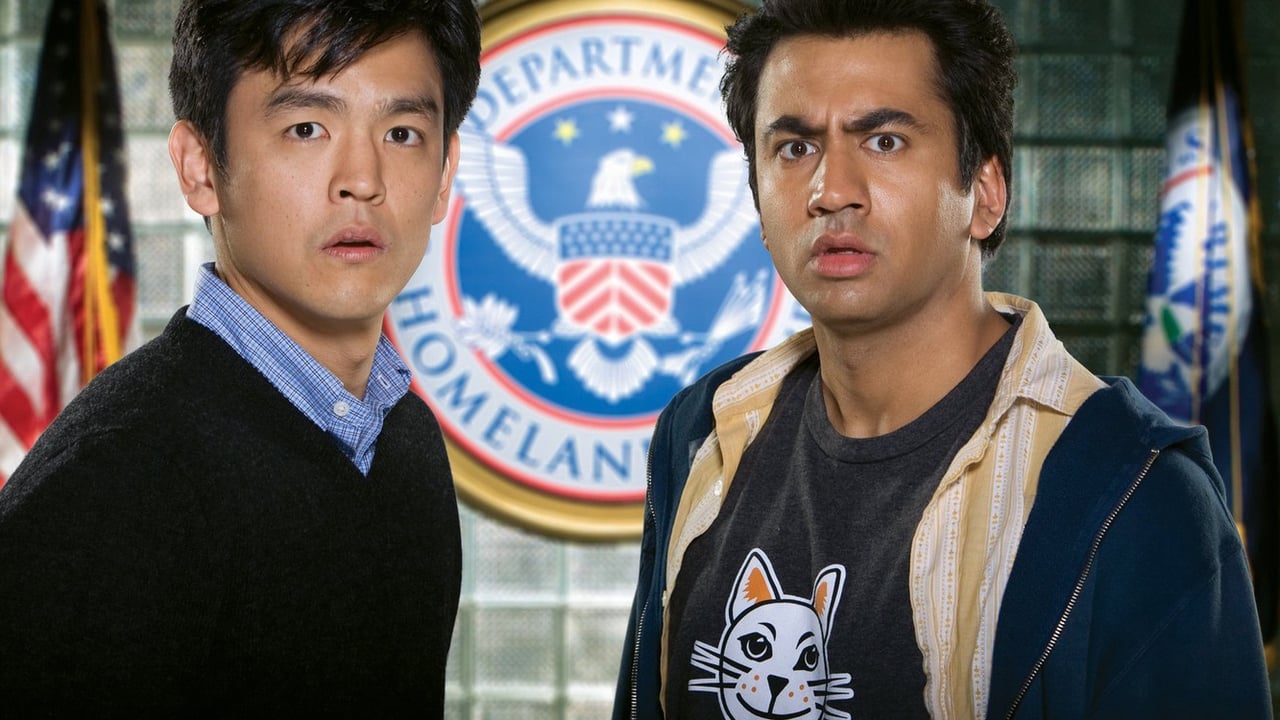
The plot is a masterpiece of escalating stupidity. Kumar tries to use a "smokeless bong" on a flight to Amsterdam, a paranoid passenger screams "Terrorist!", and suddenly our heroes are being interrogated by Rob Corddry's Ron Fox—a character so aggressively xenophobic he makes a cartoon villain look like a nuanced diplomat. Rob Corddry is essentially a screaming thumb in a suit, and his performance is the secret engine of the movie. He represents every irrational fear of the era, played for the most uncomfortable laughs possible.
The Satirical Road Trip
Adventure films are defined by the obstacles the heroes face, and here, the obstacles are the various strata of "Real America." As Harold and Kumar trek from the titular detention camp back to Texas to clear their names, the film functions as a satirical travelogue. They stumble into a "bottomless" party, a KKK rally that they mistake for a high-concept costume event, and eventually, the ranch of George W. Bush himself.
What I find fascinating in retrospect is how the film handles its "Modern Cinema" baggage. This was the era of the DVD boom, where movies were packed with "unrated" footage and gross-out gags designed to be paused and shared. Some of the CGI—specifically a sequence involving a deer and some very questionable physics—has aged like milk in the sun, but that’s part of the charm. It captures that transition where digital effects were becoming cheap enough for comedies to use them for throwaway gags, even if they looked like they were rendered on a toaster.
The adventure feels earned because Harold and Kumar aren't action heroes; they’re just guys trying to get to a girl (and a joint). Their growth is minimal, which I actually appreciate. In an era where every protagonist needs a "hero's journey" and a tragic backstory, Kumar remains a lovable idiot who learns absolutely nothing, and Harold remains the high-strung straight man who just wants a normal life.
The Myth of NPH and Production Quirks
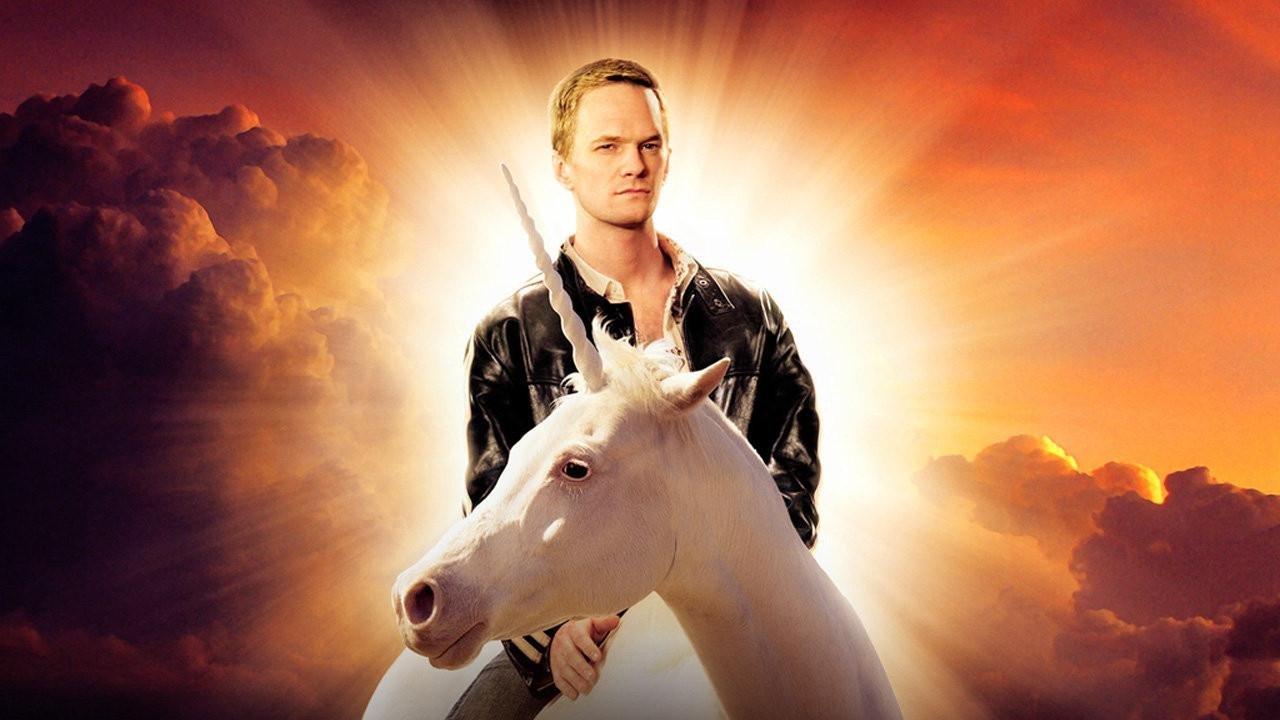
You can't talk about this franchise without mentioning Neil Patrick Harris. By 2008, his career resurrection was in full swing thanks to the first film, but here, the "NPH" character becomes a full-on psychedelic myth. His appearance in this sequel involves a unicorn, a brand, and a level of debauchery that still feels shocking. It’s a meta-commentary on celebrity that felt revolutionary before social media made everyone’s private life a public performance.

Interestingly, despite the "big sequel" energy, the production was actually quite lean. They shot the film in about 40 days, mostly in Louisiana (doubling for everywhere from Florida to Texas). They even used the same house for multiple locations, just swapping out furniture and lighting. It’s a testament to the "indie spirit" that still lingered in New Line Cinema before it was fully absorbed into the Warner Bros. machine. It also marked the directorial debut for Hurwitz and Schlossberg, who had only written the first one. They clearly had a "shoot everything and see what sticks" mentality, which results in a pacing that is breakneck, if a little exhausted by the third act.
While it doesn't quite capture the lightning-in-a-bottle purity of Go to White Castle, this sequel is a fascinating relic of 2008. It’s a movie that uses its adventure structure to poke a stick at the Patriot Act, racial profiling, and the absurdity of the American Dream, all while maintaining a steady stream of fart jokes. It’s a film that asks: "What if the world is actually crazier than the guys who are constantly high?"
The film hasn't been discussed much in recent years, largely because the political climate it satirizes has evolved into something even more surreal. But if you're looking for a snapshot of that weird, anxious, Bush-era twilight—or if you just want to see a fictionalized former president share a bowl with a guy named Kumar—it’s a trip worth taking. Just maybe skip the miso soup while you watch.
Keep Exploring...
-
Harold & Kumar Go to White Castle
2004
-
A Very Harold & Kumar Christmas
2011
-
American Reunion
2012
-
Holes
2003
-
Team America: World Police
2004
-
Are We There Yet?
2005
-
Casanova
2005
-
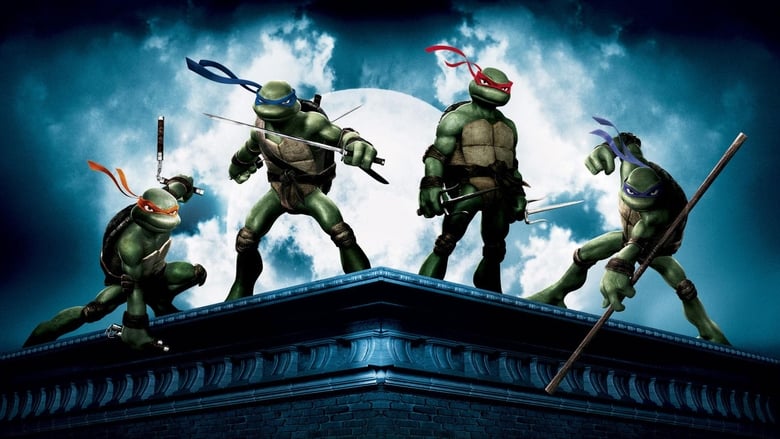
TMNT
2007
-
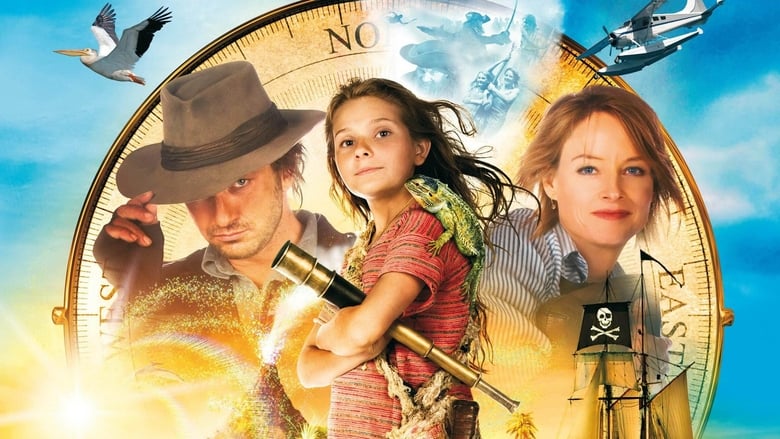
Nim's Island
2008
-
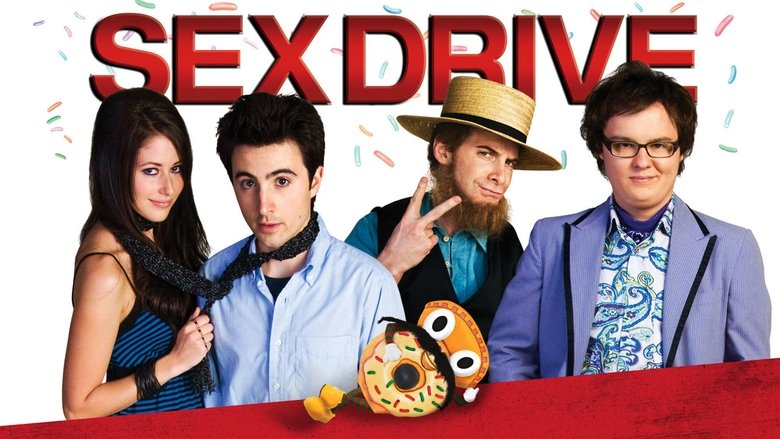
Sex Drive
2008
-
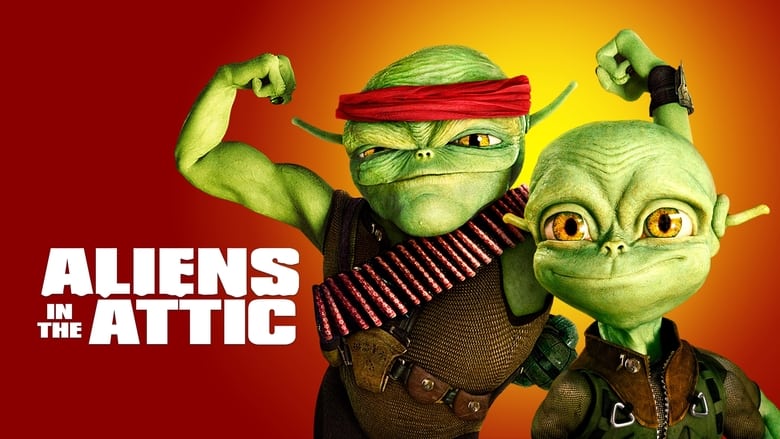
Aliens in the Attic
2009
-
Get Him to the Greek
2010
-
30 Minutes or Less
2011
-
Winnie the Pooh
2011
-
101 Dalmatians II: Patch's London Adventure
2003
-

Sahara
2005
-
The Dukes of Hazzard
2005
-

Valiant
2005
-
OSS 117: Cairo, Nest of Spies
2006
-
RV
2006