Horton Hears a Who!
"A big hero for a tiny world."
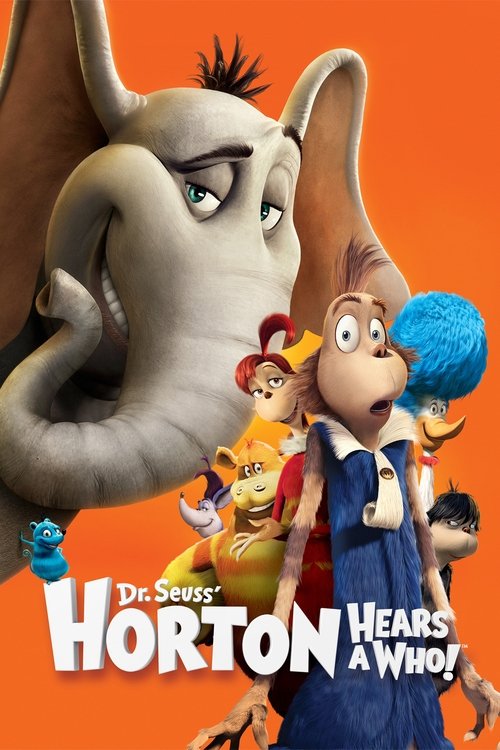
I’ll never forget the first time I saw the character designs for this version of Horton Hears a Who!. Having survived the late-90s/early-2000s era of live-action Seuss adaptations—where Jim Carrey was buried under pounds of green latex and Mike Myers looked like a fever dream in a striped hat—the prospect of a 3D animated Horton felt like a massive sigh of relief. Finally, we were going back to the source material’s elastic, surrealist roots without the "uncanny valley" makeup.
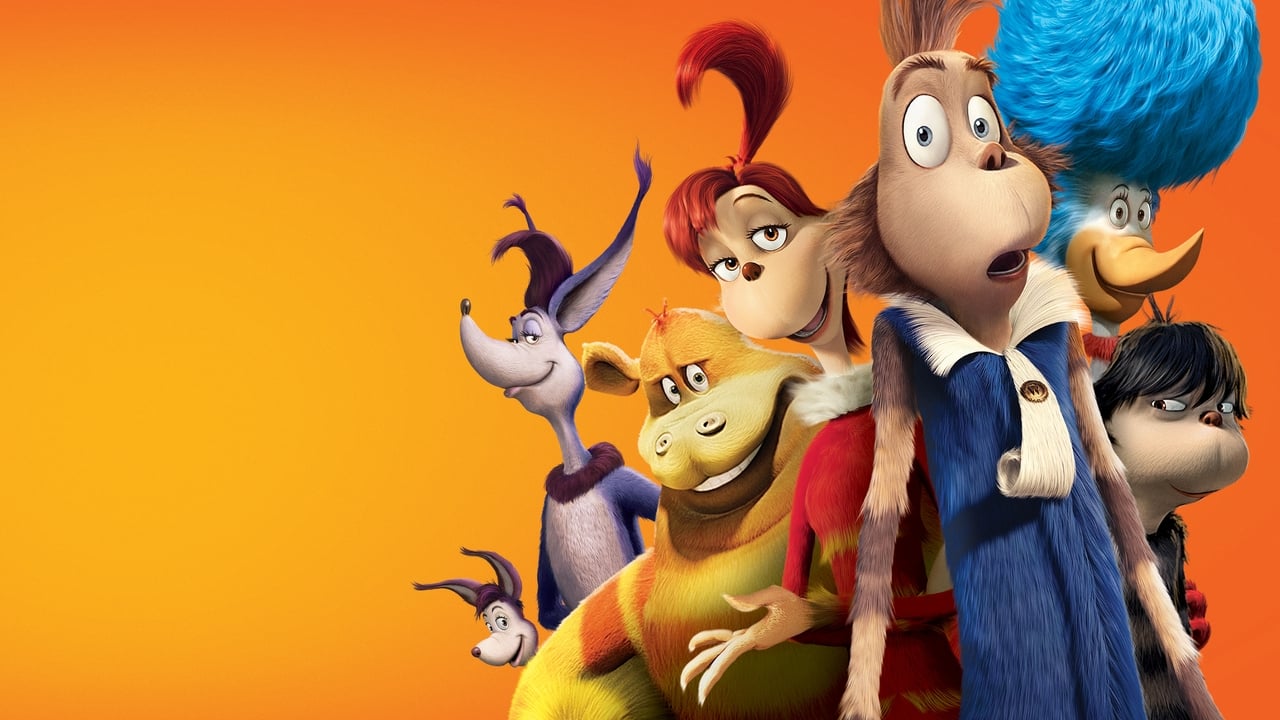
I revisited this one on a rainy Tuesday afternoon while my neighbor was aggressively leaf-blowing outside my window. Honestly, the rhythmic thrum of the blower actually added a weirdly immersive layer to the "We Are Here!" chanting near the finale. It reminded me that even in 2008, when the "CGI gold rush" was in full swing, there was something uniquely charming about Blue Sky Studios’ attempt to capture a world existing on a speck of dust.
The Macro Meets the Micro
The 2000s were a transitional decade for animation. We were moving away from the hand-drawn classics of our childhood and into a high-octane digital landscape. While Pixar was busy making us cry over trash-compacting robots, Blue Sky Studios was carving out a niche for high-energy, "squash-and-stretch" comedy. Horton Hears a Who! is perhaps their most successful marriage of technology and spirit.
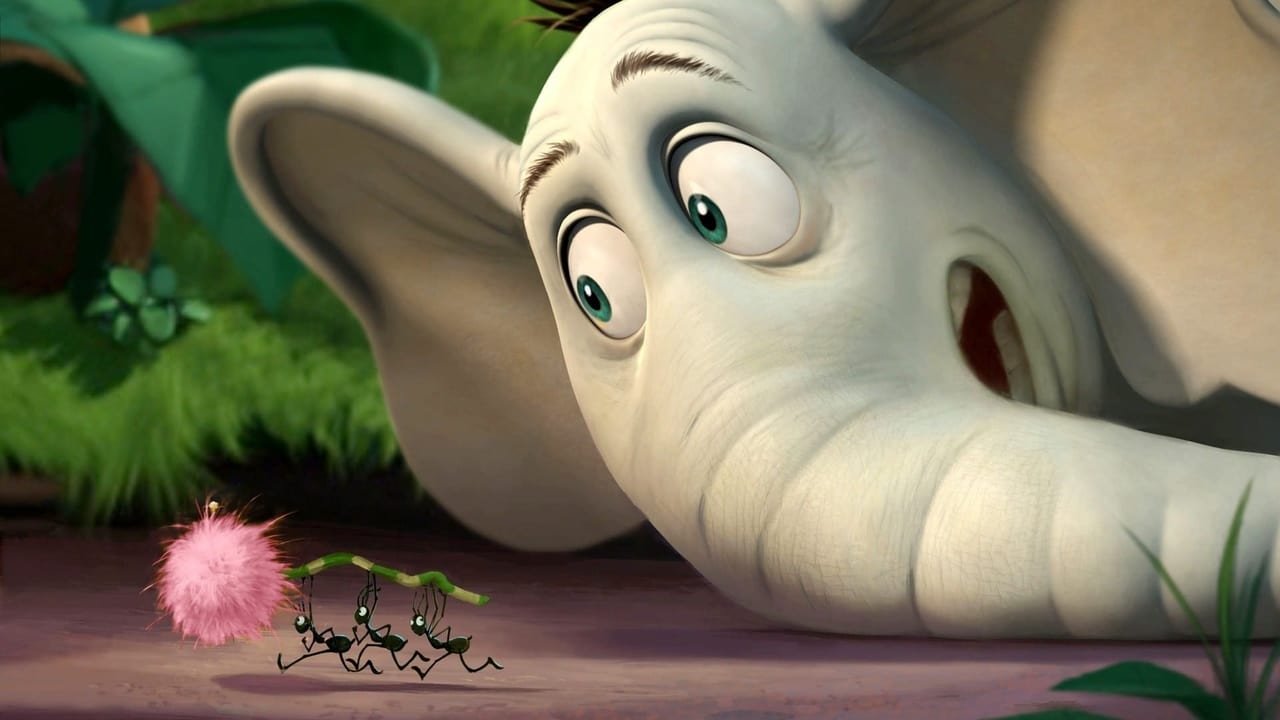
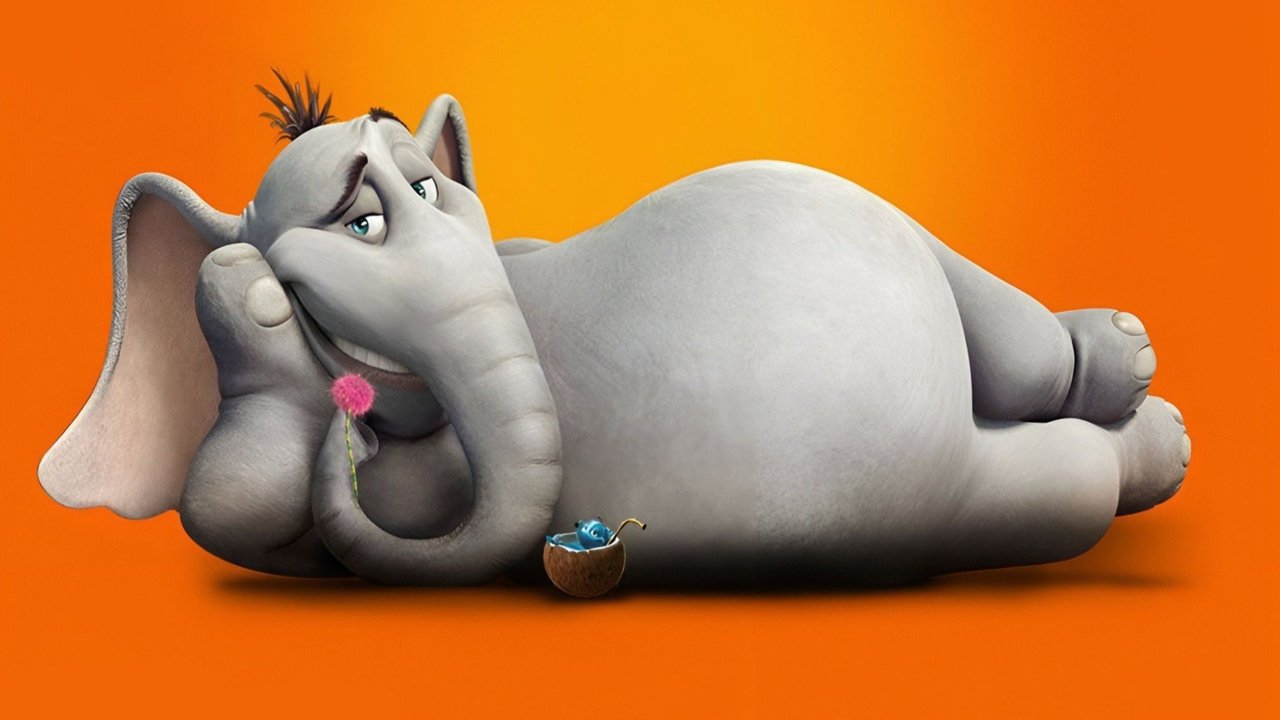
The story follows Horton (Jim Carrey), an eccentric elephant who discovers a microscopic city called Whoville living on a floating speck. He strikes up a cross-dimensional friendship with the Mayor of Whoville (Steve Carell), and the two must work together to save the speck from the narrow-minded Jungle of Nool community.
What I love about this journey is the scale. The "adventure" isn't just a physical trek across the jungle to the top of Mount Nool; it’s a desperate race against time happening in two different realities simultaneously. Every time Horton trips over a log, an earthquake levels a building in Whoville. It creates a sense of peril that feels surprisingly high-stakes for a "G" rated film. The sequence involving the bridge of rickety wood is a masterclass in tension—Horton’s 'I’m a ninja' sequence is the precise moment 2000s humor peaked and then immediately fell off a cliff, but in context, it captures that manic, imaginative energy that defines Carrey’s career.
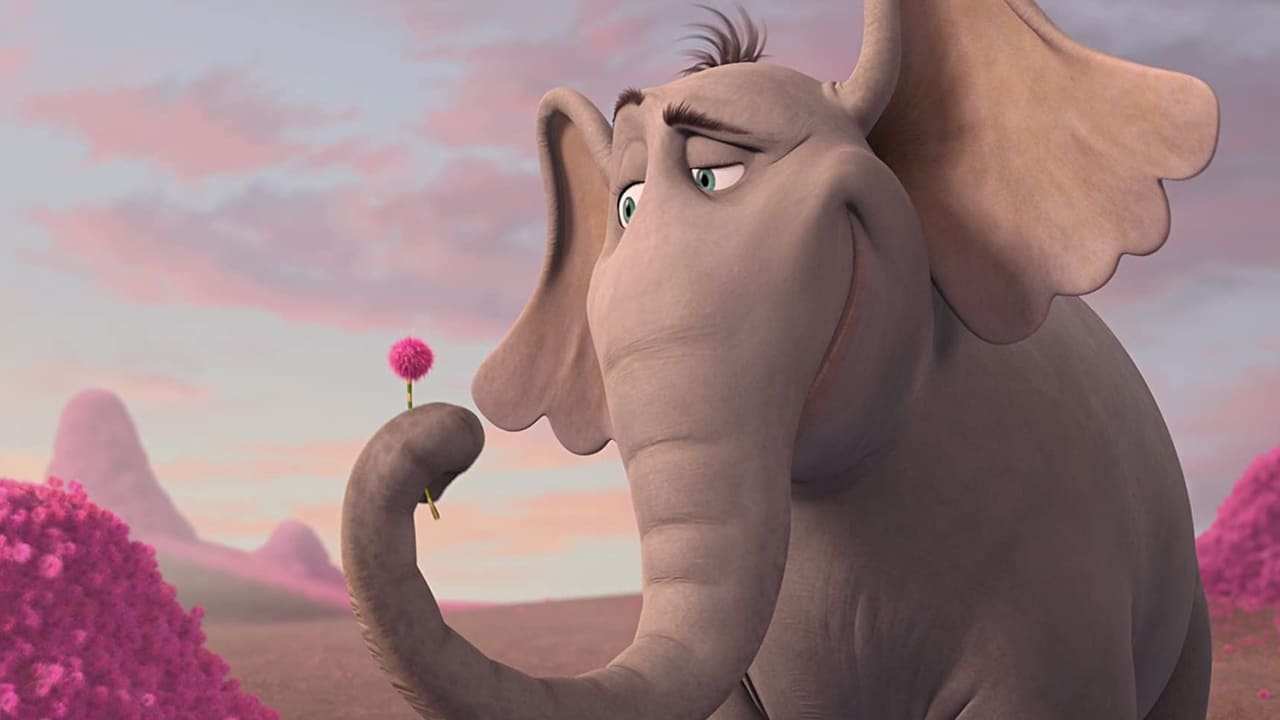
A Voice for the Smallest
The casting here is a "Who's Who" (pun intended) of 2008 comedy royalty. It’s fascinating to look back at this as a precursor to the massive voice-cast ensembles that define modern blockbusters. Steve Carell gives the Mayor a frazzled, paternal warmth that feels like a dry run for his work in Despicable Me, while Carol Burnett turns the Sour Kangaroo into the ultimate animated antagonist. Carol Burnett’s Kangaroo is essentially the ultimate 'I’d like to speak to the manager' villain, representing the terrifying power of "tradition" over logic.
Then there’s the supporting cast: Seth Rogen as the loyal Morton, Will Arnett as the sinister vulture Vlad Vladikoff, and even a young Jonah Hill hiding in the background. It’s a snapshot of a specific era in comedy, yet it doesn’t feel dated by pop-culture references the way Shrek or Shark Tale occasionally do. By sticking closer to the Seussian "logic," the humor feels more evergreen.
The $300 Million Speck
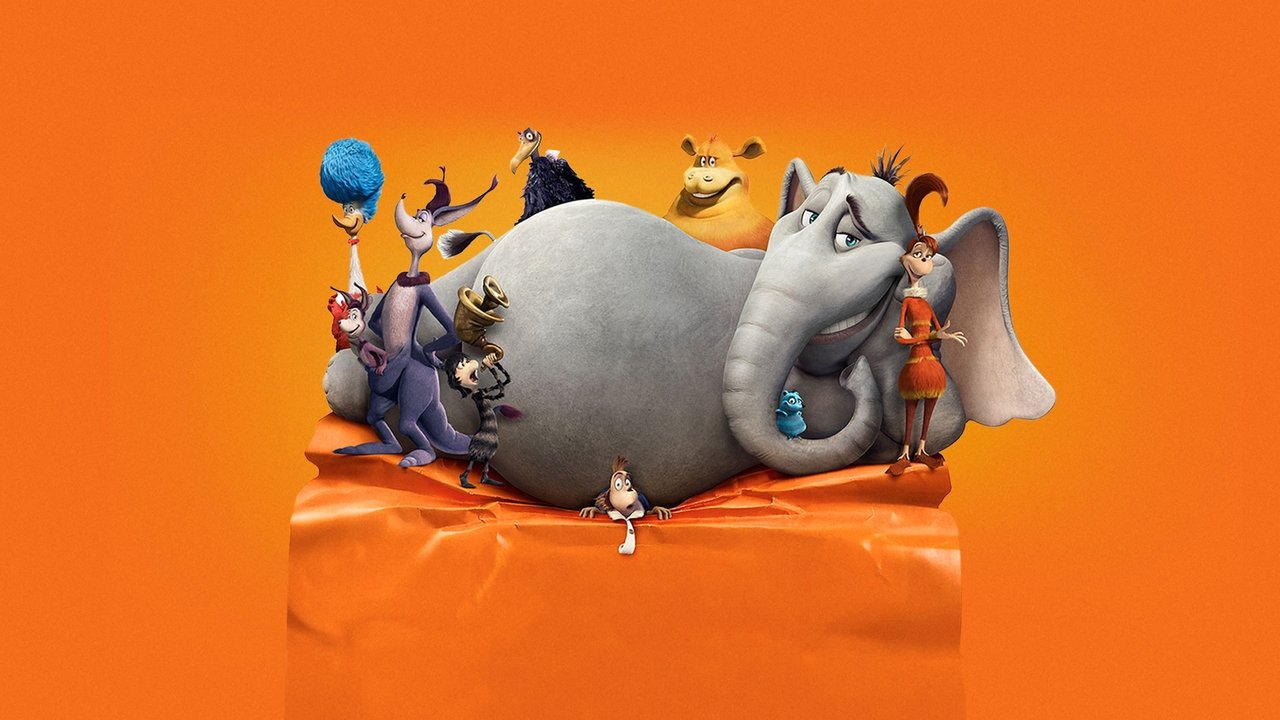
From a historical perspective, this was a massive win for 20th Century Fox. With an $85 million budget, it went on to gross nearly $300 million worldwide, proving that audiences were hungry for Seuss as long as it didn’t look like a horror movie. Looking back, the production scale was immense. Over 700 people worked on the film, and the technical teams at Blue Sky had to develop entirely new software to handle the "fur" physics and the complex, swirling geometry of the clover fields.
The film also features a bizarre, wonderful 2D anime-inspired dream sequence. Apparently, the directors wanted to pay homage to the crew's love for Japanese animation, and it stands out as a delightful anomaly in a 3D world. It’s those little moments of creative friction—the refusal to be "just another CGI movie"—that make Horton hold up so well. It captured the post-9/11 anxiety of "protecting the small and vulnerable" without ever becoming preachy or heavy-handed.
Horton Hears a Who! is a rare example of a "Modern Cinema" era remake that actually understands its source material. It balances the frantic energy of its lead actors with a genuine sense of wonder and world-building. While it may lack the philosophical weight of a Pixar masterpiece, it’s a joyous, colorful adventure that earns its emotional beats. It’s a film that reminds me that sometimes, the biggest adventures happen on the smallest stages.
Keep Exploring...
-
Ice Age: Continental Drift
2012
-
Shrek 2
2004
-
Shrek the Third
2007
-

Puss in Boots
2011
-
The Smurfs
2011
-
The Lego Movie
2014
-

The SpongeBob SquarePants Movie
2004
-

Sinbad: Legend of the Seven Seas
2003
-

Ice Age: The Meltdown
2006
-

The Ant Bully
2006
-
Shrek the Halls
2007
-
Kung Fu Panda
2008
-

Brave
2012
-
Shrek Forever After
2010
-
How to Train Your Dragon 2
2014
-
Charlie and the Chocolate Factory
2005
-

Madagascar
2005
-
Cars
2006
-

Night at the Museum
2006
-
Madagascar: Escape 2 Africa
2008