Hunger
"When the body becomes the final battleground."
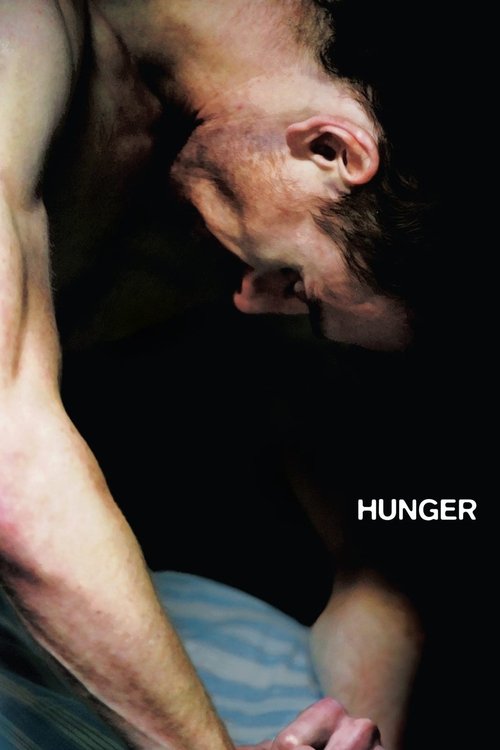
There is a specific, agonizing sound that opens Steve McQueen’s Hunger—the rhythmic, metallic thud of a prison guard’s knuckles against his own riot gear. It’s a sound of preparation, of bracing for a conflict that has moved beyond words and into the very marrow of the people involved. Most directors would have started a film about the 1981 Irish hunger strike with a title card explaining the political history of "The Troubles," but McQueen, making his transition from the world of gallery art to the director's chair, trusts his audience to feel the history through the grime on the walls and the steam rising from a bowl of porridge.

I first watched this film on a scratched DVD I rented from a dying Blockbuster, sitting in a basement where the heater was broken. I was wrapped in three blankets, and yet, watching Michael Fassbender wither away on screen made me feel like I was the one who was truly cold. It’s a film that stays in your bones long after the credits crawl past.
The Art of the Unspoken
Coming out in 2008, Hunger arrived right at the tail end of that glorious indie explosion where digital cameras were starting to allow for a more intimate, gritty texture, yet McQueen and cinematographer Sean Bobbitt (who later worked on 12 Years a Slave) opted for a look that feels almost like a series of Caravaggio paintings. The first third of the film barely has any dialogue. Instead, we follow Stuart Graham as Ray Lohan, a prison guard whose knuckles are permanently raw from the cold and the violence.
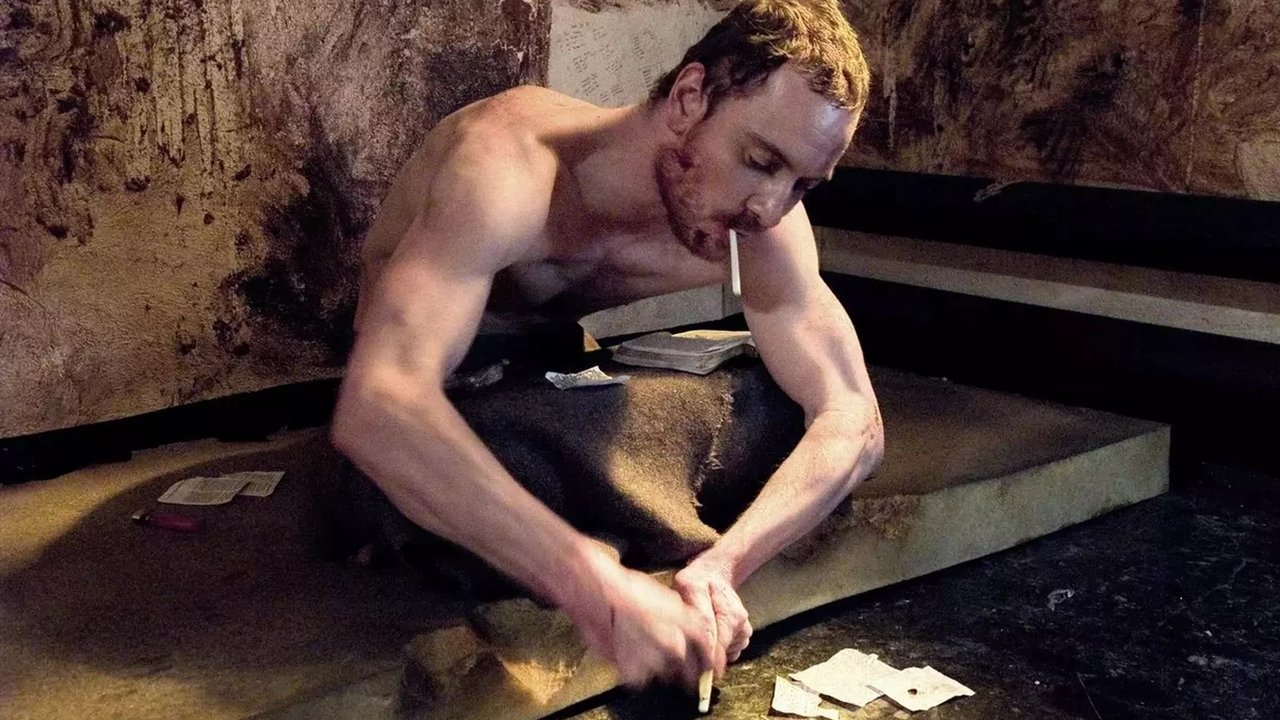
The film focuses on the "no-wash" protest, where IRA prisoners refused to wear prison uniforms or bathe, leading to cells smeared with excrement. It sounds like a standard-issue misery fest, but McQueen finds a strange, haunting beauty in the patterns of the filth. Looking back at the mid-2000s, there was a trend toward "gritty realism," but Hunger takes it to a level that feels more like a sensory assault than a simple history lesson. It doesn't ask you to agree with the politics; it demands that you acknowledge the physical cost of conviction.
The Seventeen-Minute Standoff
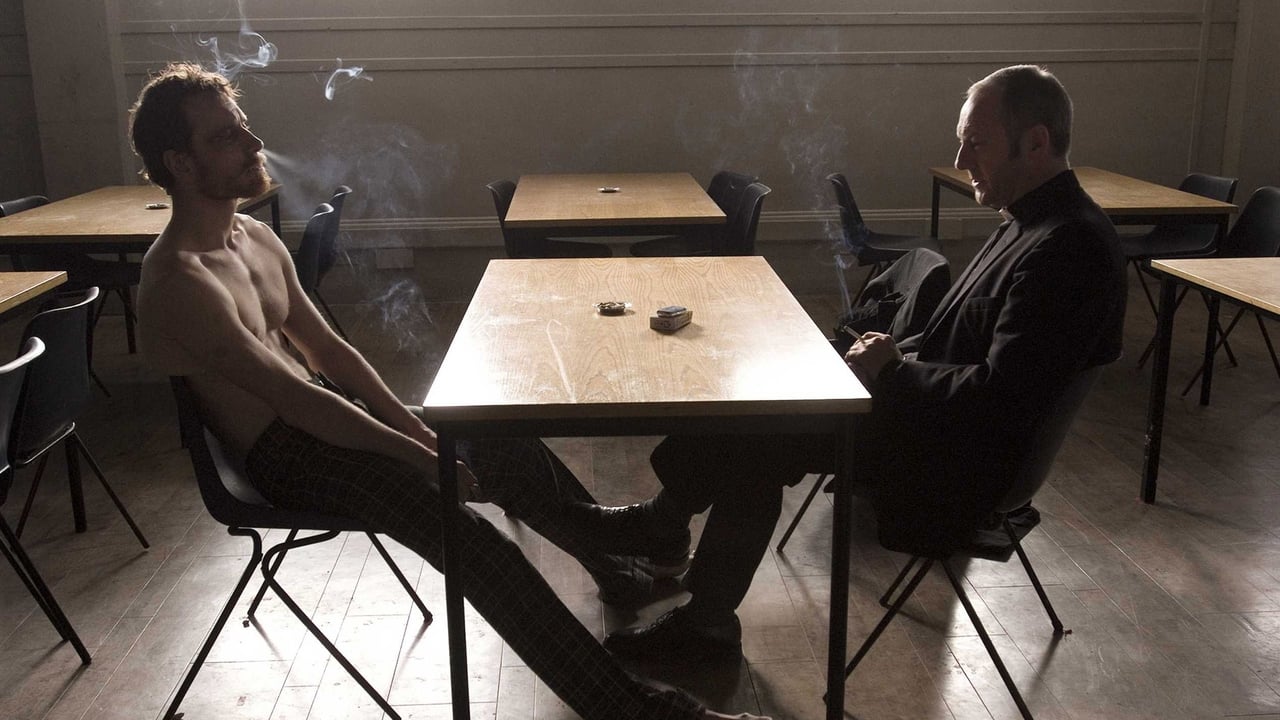
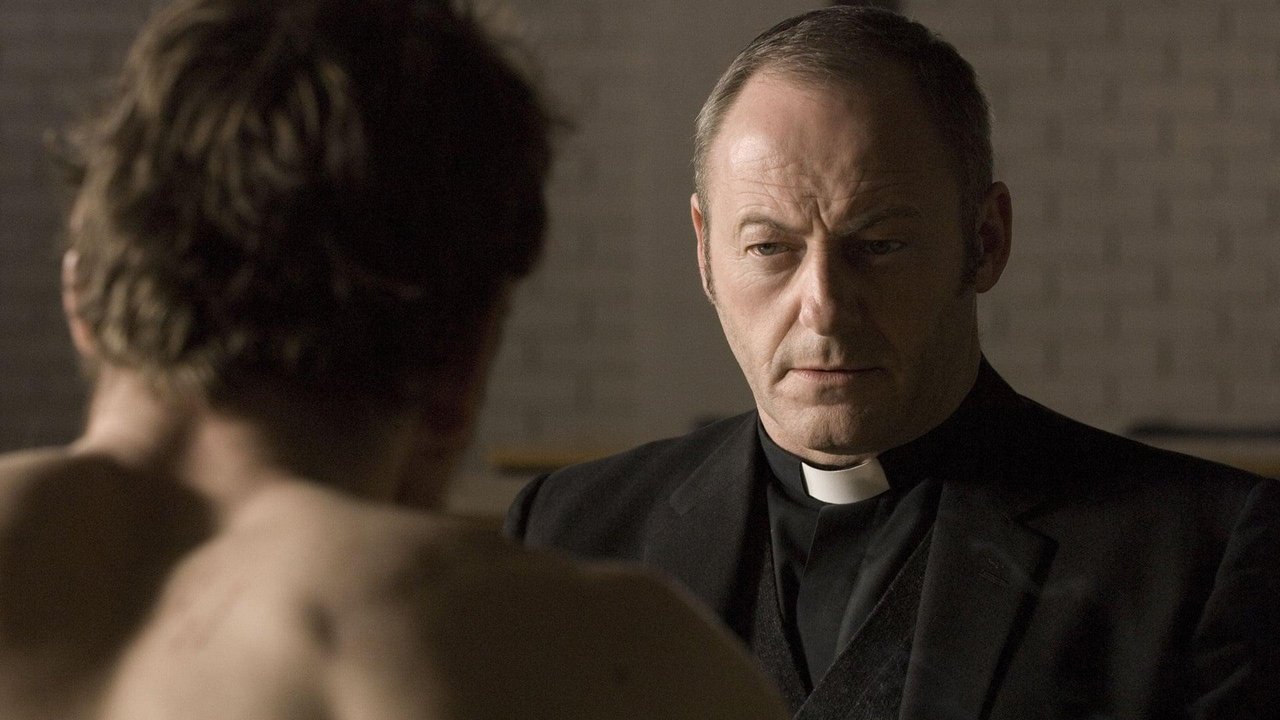
The centerpiece of the film is a scene that has become legendary among film students and DVD commentary junkies. It’s a single, uninterrupted 17.5-minute shot of Michael Fassbender’s Bobby Sands sitting across a table from a priest, played by the always-excellent Liam Cunningham (whom you likely know as Ser Davos from Game of Thrones).
In an era where movies were becoming increasingly hyperactive—think the rapid-fire editing of the Bourne sequels—this scene was a radical act of stillness. The camera doesn't move. There are no close-ups to tell you how to feel. It’s just two men debating the morality of suicide as a political tool. Apparently, Fassbender and Cunningham actually moved in together for a few weeks to practice this scene like a play, running the lines until they could perform them in their sleep. The result is a masterwork of tension. If you think modern acting is just about crying on cue, this scene will make you realize how much power lies in simply sitting still.
The Physical Transformation
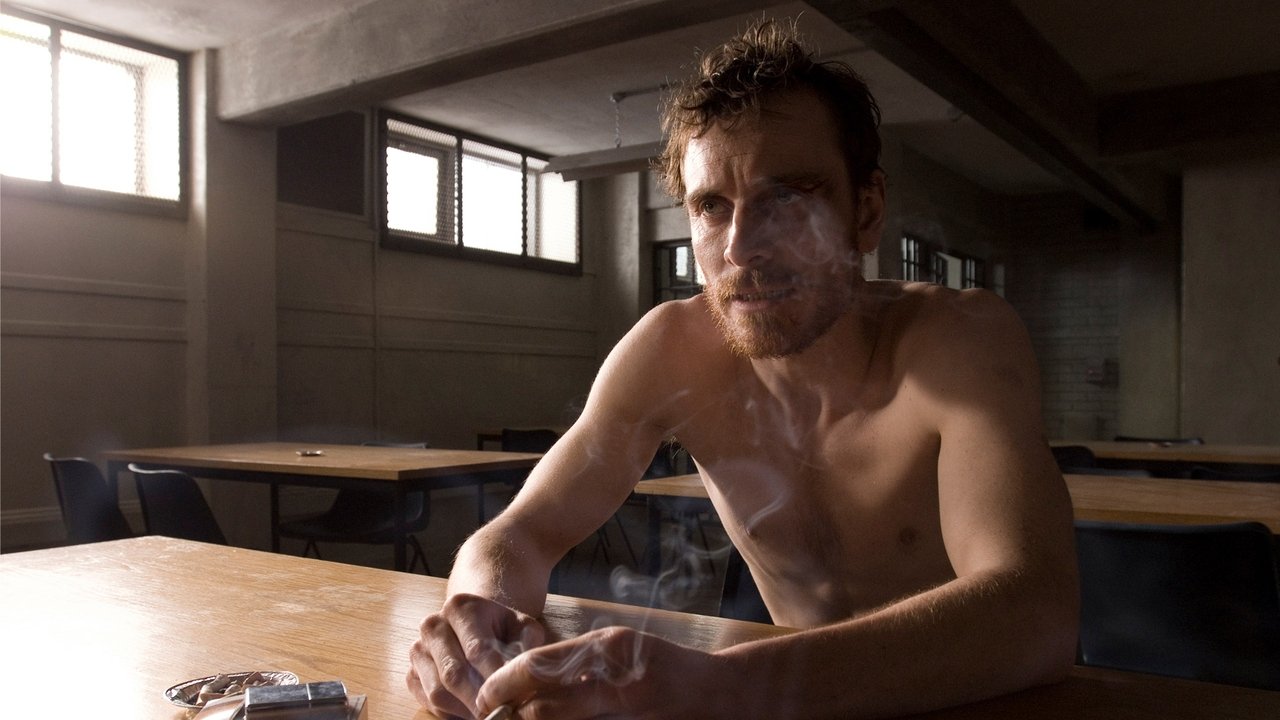
Then, of course, there is the physical toll. Before he was Magneto or an android in Prometheus, Michael Fassbender was a relatively unknown actor who committed to a medically supervised diet of 600 calories a day to play Sands. Seeing his ribs poke through his skin isn't just a "movie trick"—it was a grueling, dangerous commitment that signaled the arrival of a major talent.
Watching it now, in a landscape dominated by CGI-enhanced muscle suits and digital de-aging, there’s something terrifyingly honest about Fassbender’s transformation. It’s a reminder of what practical filmmaking can achieve when a performer is willing to push their body to the brink. It’s not "fun" to watch in the traditional sense, but it’s undeniably riveting. The film captures that post-9/11 cinematic anxiety where stories of insurgency and government crackdowns felt especially pointed, yet it remains timeless by focusing on the individual human form.
Hunger is a film that demands your full attention. It’s a relic of a time when "indie film" meant something truly uncompromising, before the genre was swallowed by the quirky-dramedy formula. It’s a tough watch, but an essential one for anyone who appreciates the power of visual storytelling over bloated exposition.
I wouldn't recommend watching this while eating—seriously, my chili-eating experience was a disaster—but I would recommend watching it with the lights off and the sound turned up. It’s a haunting, silent scream of a movie that proves Steve McQueen was a visionary from his very first frame. Even if you aren't a history buff, the sheer craft on display here is enough to earn every minute of your time.
Keep Exploring...
-
Shame
2011
-

12 Years a Slave
2013
-
Centurion
2010
-
Seabiscuit
2003
-
Good Night, and Good Luck.
2005
-
Joyeux Noel
2005
-
The New World
2005
-
Flags of Our Fathers
2006
-
Invincible
2006
-
The Good Shepherd
2006
-
United 93
2006
-

Charlie Wilson's War
2007
-
In the Valley of Elah
2007
-
The Diving Bell and the Butterfly
2007
-
Defiance
2008
-
Frost/Nixon
2008
-

The Duchess
2008
-
Agora
2009
-

Coco Before Chanel
2009
-
The Young Victoria
2009