In Bruges
"Hell is a fairy tale town in Belgium."
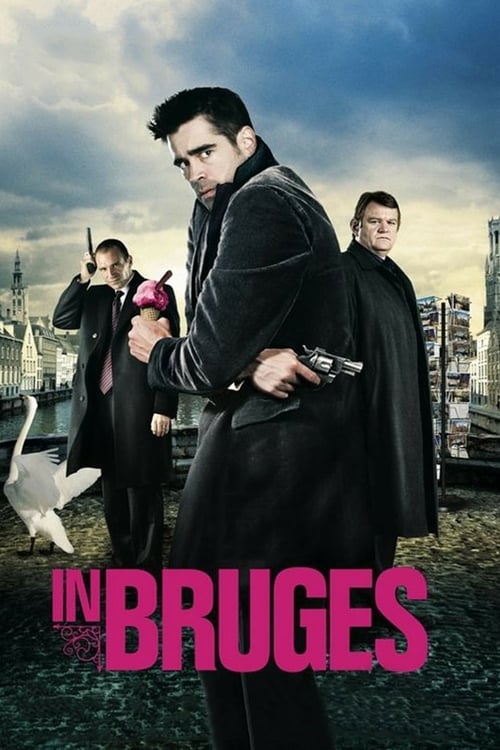
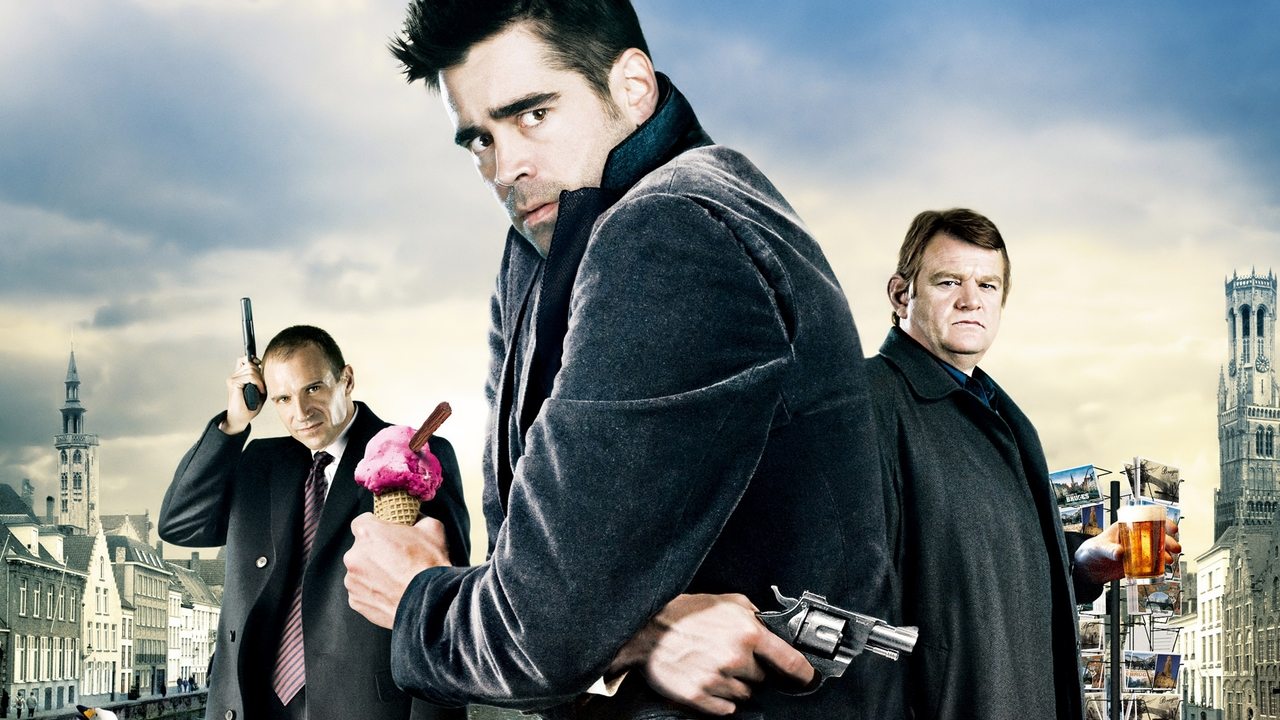
The first time I saw Bruges on screen, I didn't think of it as a city; I thought of it as a trap. There is something deeply unsettling about the way Martin McDonagh frames the medieval architecture of Belgium’s most preserved tourist destination. It’s too pretty. It’s too still. For Ray, a man carrying the weight of a dead child on his soul, the cobblestones and canals don't look like a postcard—they look like the waiting room for the afterlife. I watched this on a Tuesday while eating a slightly stale sleeve of Ritz crackers, and the saltiness felt strangely appropriate for Ray’s mood.
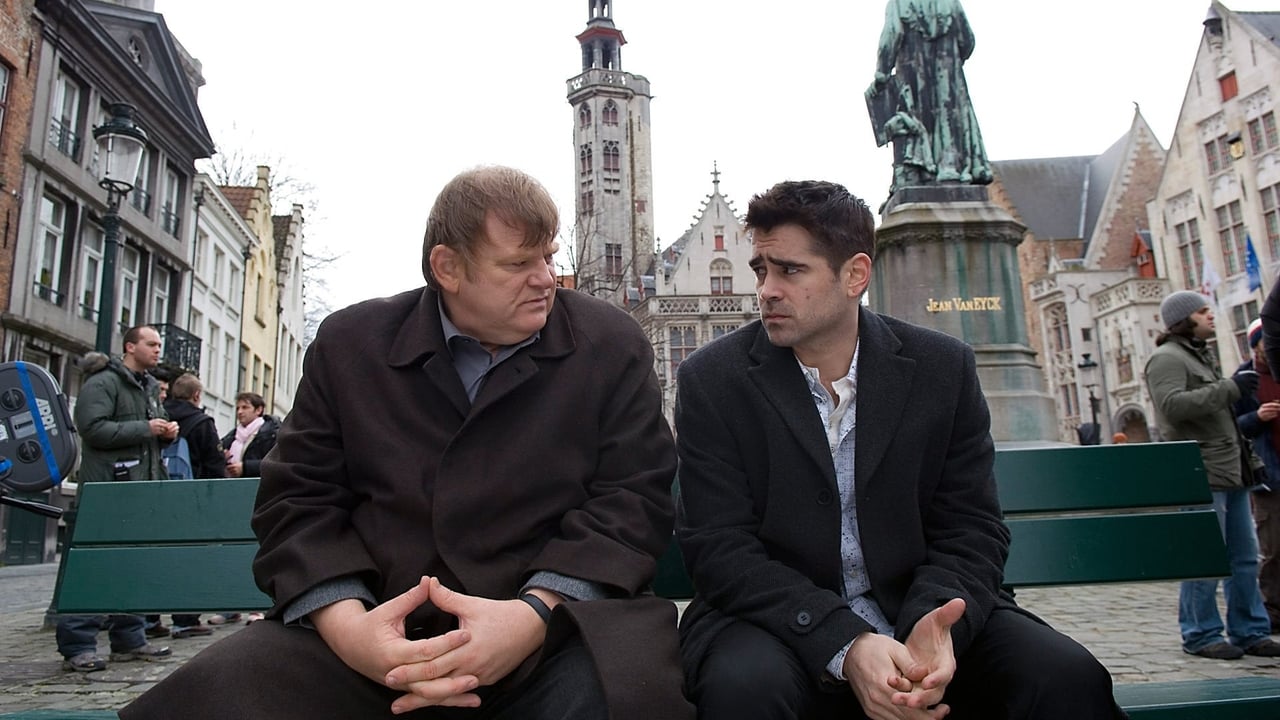
Purgatory in the Low Countries
In Bruges arrived in 2008, a year that felt like a pivot point for cinema. We were moving away from the "cool" hyper-violence of the post-Tarantino 90s and toward something more melancholic and grounded. While movies like The Dark Knight were redefining the blockbuster with "gritty" realism, McDonagh was doing something much more intimate and painful with the crime genre.
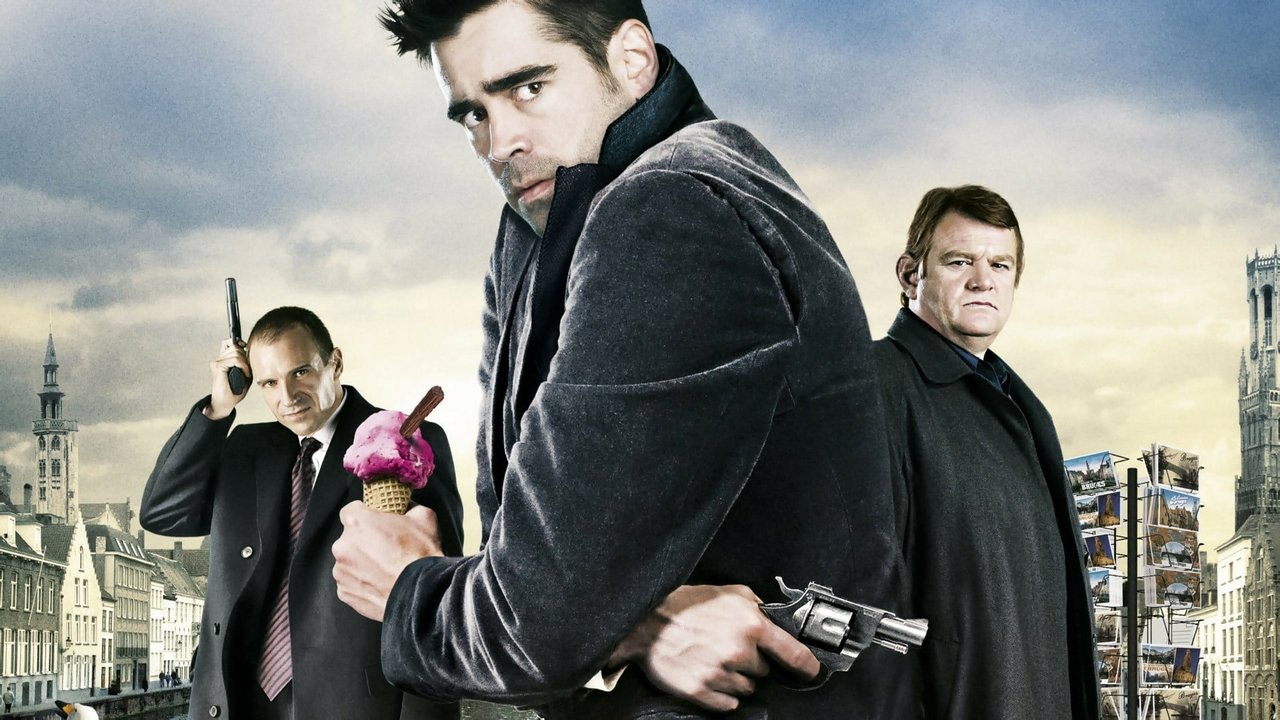
The story is deceptively simple: two hitmen, Ray (Colin Farrell) and Ken (Brendan Gleeson), are sent to Bruges by their boss, Harry (Ralph Fiennes), to "hole up" after a job goes horrifically wrong. Ray accidentally killed a young boy while completing a hit, and the film lives in the suffocating shadow of that act. This isn't a movie about "cool" guys with guns; it’s a movie about the moral rot that comes from a single, irreparable mistake.
The cinematography by Eigil Bryld captures the city in a way that feels both ethereal and claustrophobic. The mist on the canals and the haunting, piano-driven score by Carter Burwell (who famously scored Fargo) create an atmosphere where death feels inevitable. Looking back, this was a peak era for the "DVD culture" experience—I remember spending hours with the special features, specifically the "F-Gage" that tracked the film’s profanity, which felt like a quintessential 2000s gimmick. But beneath the linguistic gymnastics lies a story that is genuinely, heartbreakingly dark.
The Redemption of the Eyebrow
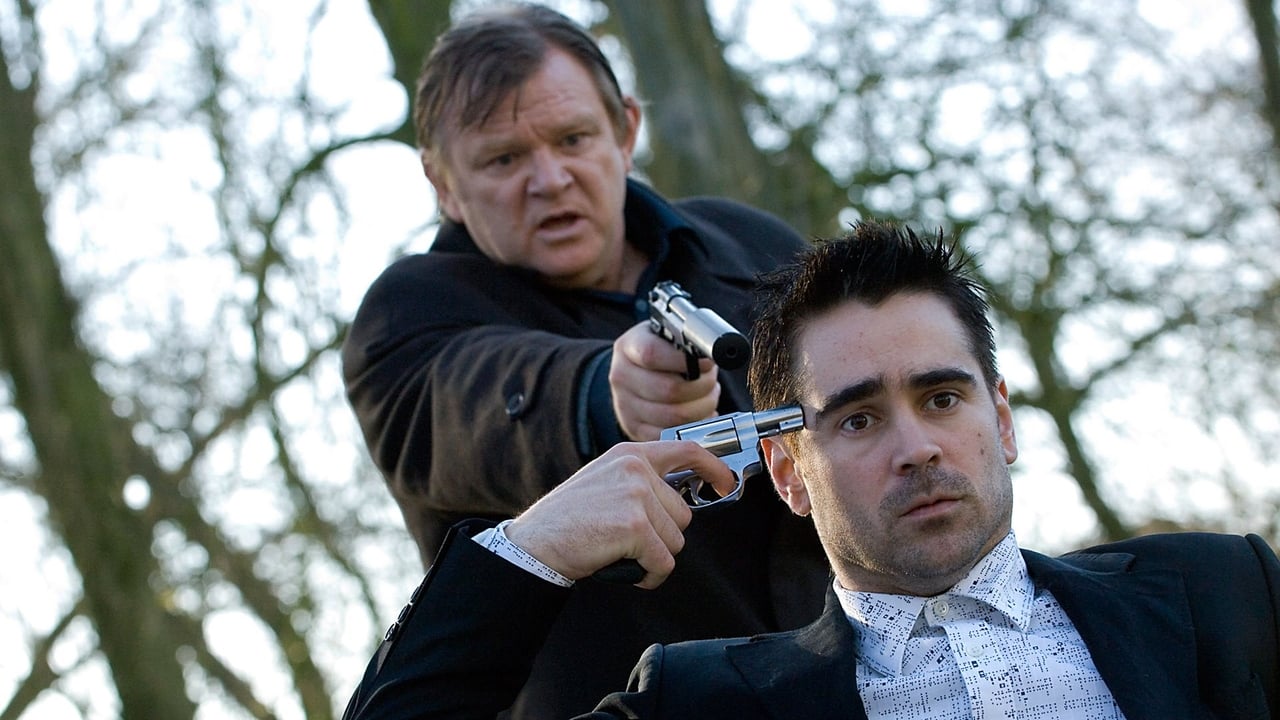
Before 2008, the world was starting to give up on Colin Farrell. He had been pushed as the "next big thing" in massive, bloated epics like Alexander, but he always felt like he was wearing someone else’s suit. In Bruges changed everything. As Ray, Farrell is a raw nerve. He plays the character with a childlike vulnerability that makes his suicidal ideation feel earned rather than melodramatic. Colin Farrell’s eyebrows deserve their own SAG card and probably a separate union, given how much heavy lifting they do to convey a man who is simultaneously bored to death and terrified of his own thoughts.
Opposite him, Brendan Gleeson is the film’s moral anchor. Ken is a man who has accepted his life as a killer but hasn't lost his capacity for wonder. The chemistry between the two is what makes the film a cult classic. It’s a platonic love story between two men who know they are probably going to hell. When Ralph Fiennes finally enters the picture in the third act as Harry, the tone shifts into a frantic, high-stakes confrontation. Fiennes plays Harry not as a cartoon villain, but as a man with a rigid, psychopathic sense of "honor." His insistence on his principles, even when they lead to his own destruction, is both hilarious and terrifying.
Principles and Plastic Towers
What truly secures In Bruges its cult status is the screenplay. McDonagh, a playwright by trade, understands the power of the "Chekhov’s Gun"—or in this case, Chekhov’s "alcoves." Every stray comment about midgets, racist tourists, or the height of the Belfry tower returns with devastating precision in the finale.
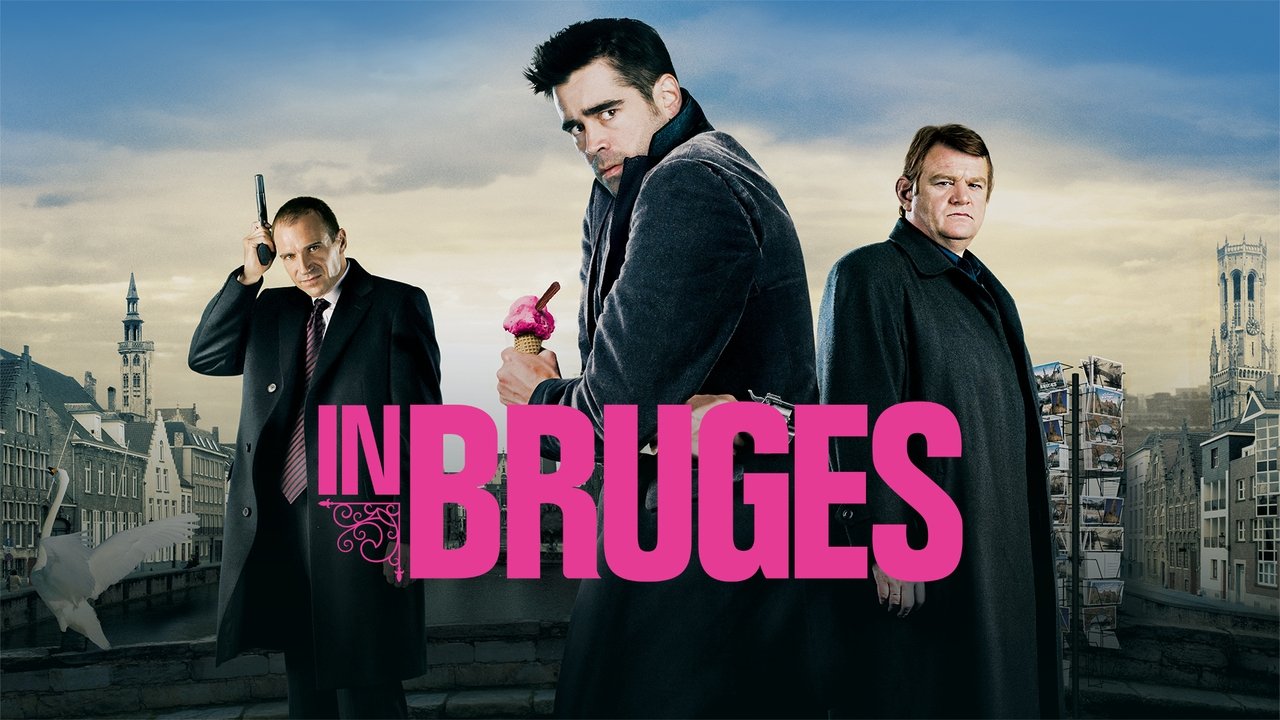
The film was a modest success at the box office, but it lived a second, much larger life on home video. It spoke to a subculture of film fans who wanted more than just a shootout; they wanted a philosophical debate held at gunpoint. It’s a movie that asks: "Can a person ever truly be forgiven for the unforgivable?" And it refuses to give a comforting answer.
Turns out, the production was just as intense as the script. Martin McDonagh reportedly had the idea for the film after visiting Bruges himself and experiencing two conflicting emotions: "This place is beautiful" and "I want to get out of here immediately." He split those feelings into Ken and Ray. Also, during the filming of the tower scenes, the actors actually had to climb those grueling stairs repeatedly—there was no elevator shortcut for the sake of art. That physical exhaustion translates into the performances; when they look winded, they’re not acting.
The film also features a pre-fame Clémence Poésy (who many will remember as Fleur Delacour from the Harry Potter franchise) and Thekla Reuten, who provides a necessary moment of grace as the pregnant hotel owner Marie. These women aren't just background characters; they represent the "normal" world that Ray and Ken have forfeited.
In Bruges is that rare film that manages to be a laugh-out-loud comedy and a soul-crushing tragedy in the same breath. It captures a specific moment in the late 2000s when independent cinema felt like it was reclaiming the soul of the crime thriller. Whether you're here for the sharp dialogue or the grim exploration of guilt, it stays with you long after the credits roll. It’s a masterpiece of tone, a career-best for its lead, and a reminder that sometimes, the most beautiful places are the hardest ones to survive.
Keep Exploring...
-
Seven Psychopaths
2012
-
The Banshees of Inisherin
2022
-

Adaptation.
2002
-
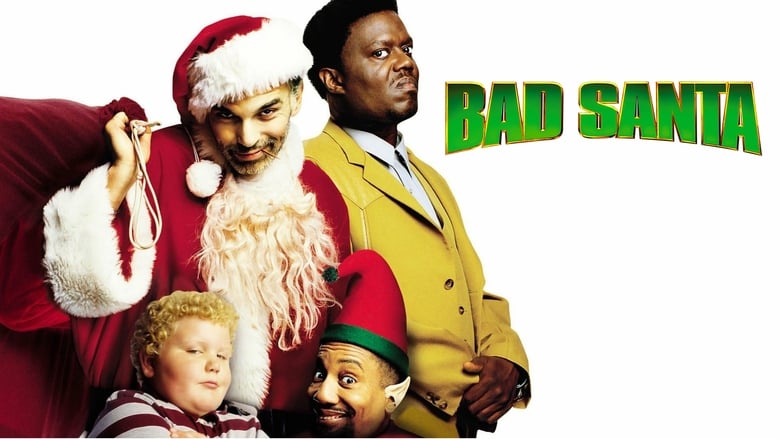
Bad Santa
2003
-
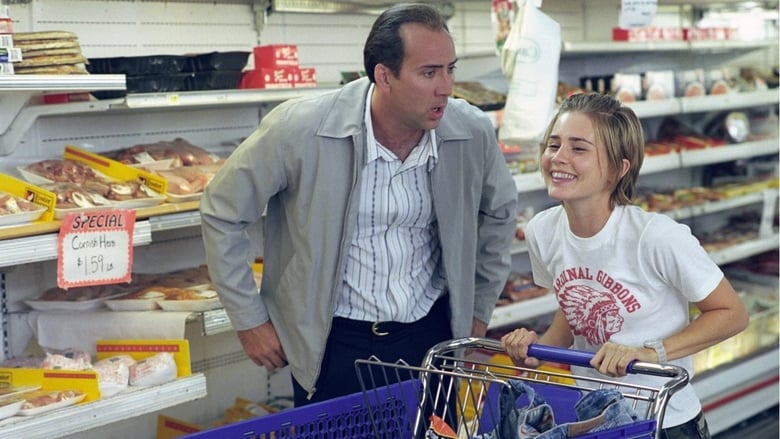
Matchstick Men
2003
-
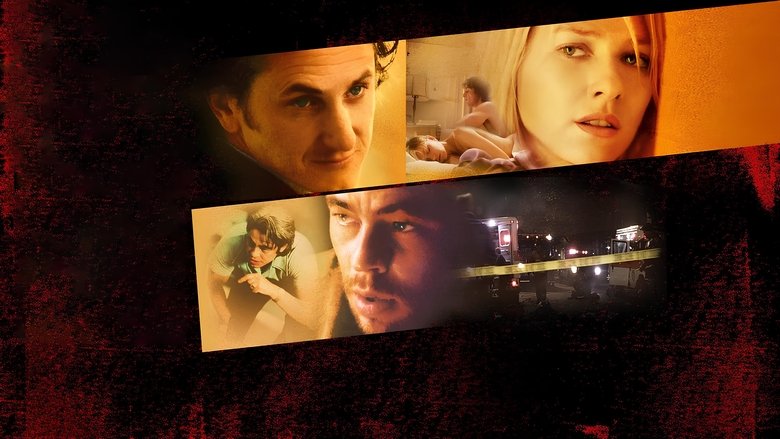
21 Grams
2003
-
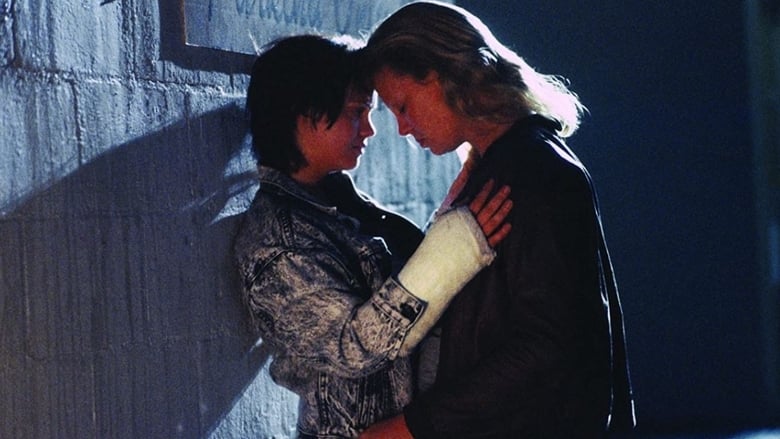
Monster
2003
-
Kiss Kiss Bang Bang
2005
-
Lucky Number Slevin
2006
-
Gone Baby Gone
2007
-
The Next Three Days
2010
-
Drive
2011
-
The Lincoln Lawyer
2011
-
End of Watch
2012
-
Lawless
2012
-
The Place Beyond the Pines
2013
-
Three Billboards Outside Ebbing, Missouri
2017
-
Chicago
2002
-
The Longest Yard
2005
-
Dogville
2003