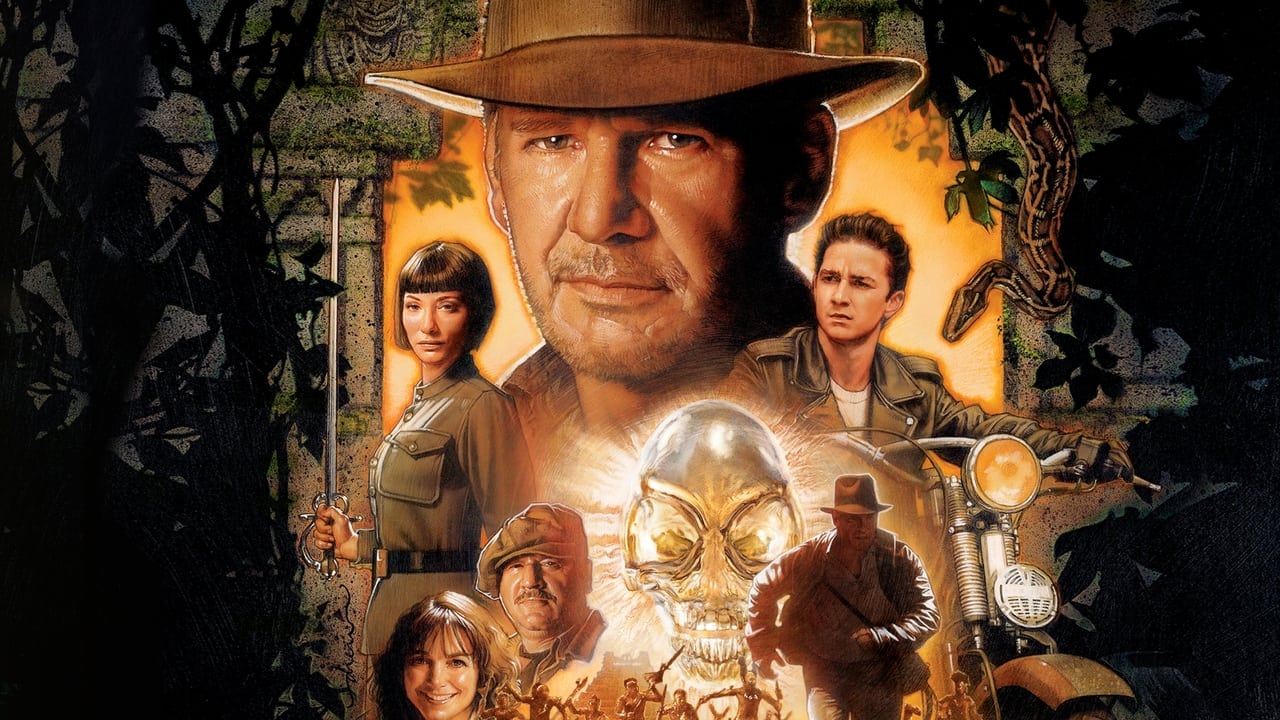
Indiana Jones and the Kingdom of the Crystal Skull
"The hat still fits, even if the world has changed."
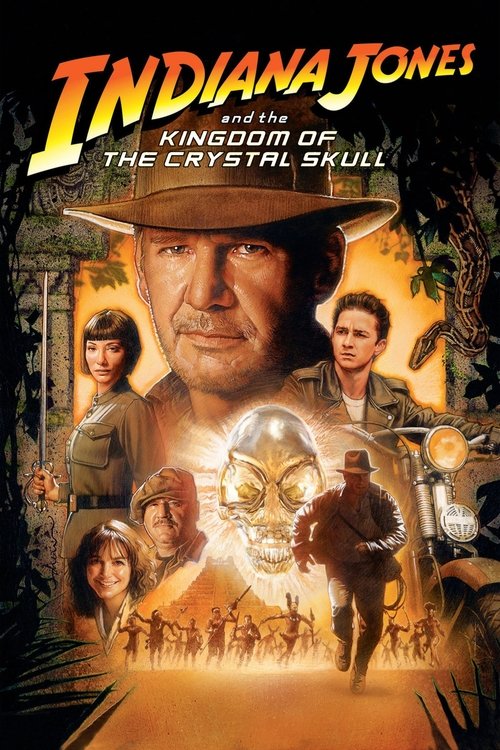
The first time I saw the silhouette of that fedora projected against the side of a military truck, I felt a genuine jolt of electricity. I was sitting in a theater in 2008, flanked by a guy who had brought an actual bullwhip—which he kept accidentally dropping with a loud thwack against the sticky floor—and we were all ready to believe that time hadn't passed. But 19 years is a long time to keep a hero in the fridge. When Harrison Ford finally steps into the light, grumpier and more weathered than we left him in The Last Crusade (1989), the movie makes a promise: the adventure continues. Whether it actually reaches the destination is a different story, but the ride there is more fun than people remember.
Atoms, Aliens, and Area 51
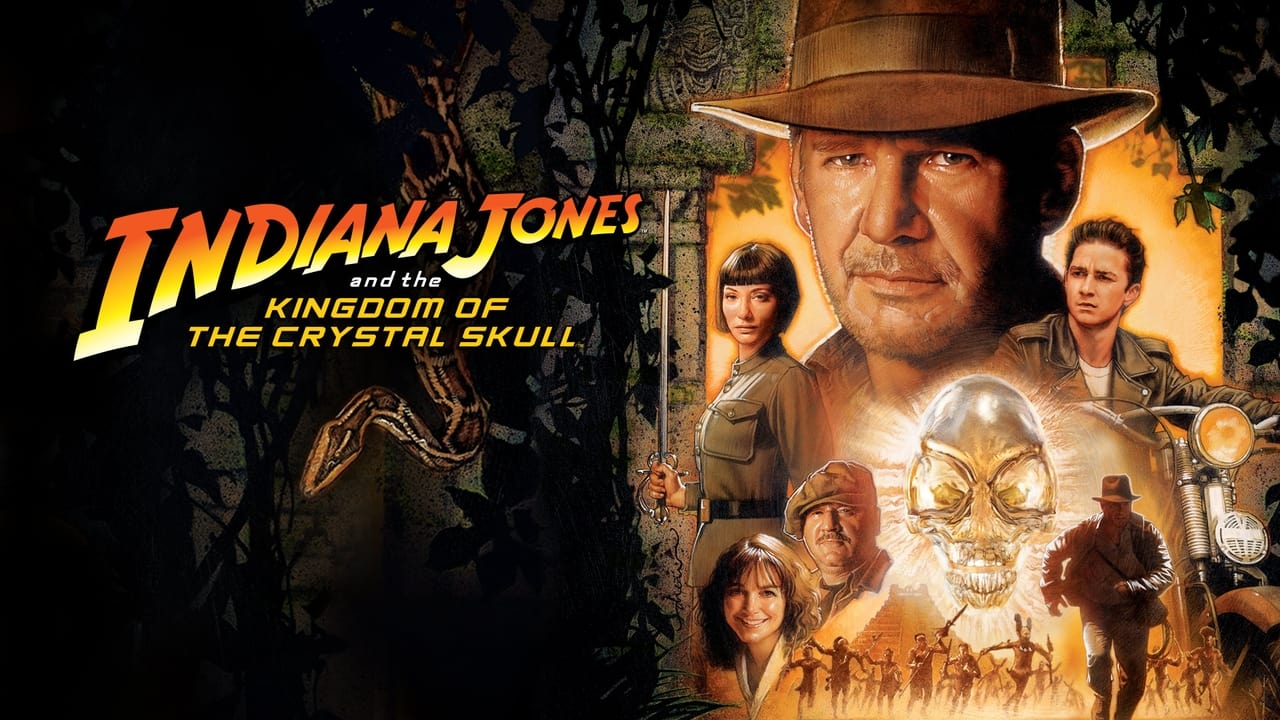
The film kicks off in 1957, swaping out the dusty tombs of Egypt for the neon-and-chrome anxiety of the Cold War. I love the shift in tone here. Instead of Nazis, we get Soviets led by Cate Blanchett’s Irina Spalko, a woman who looks like she cut her own bangs with a bayonet and spends her time obsessing over psychic warfare. The opening sequence in the Hangar 51 warehouse is a masterclass in staging. Steven Spielberg (who also gave us Jaws and Jurassic Park) reminds us why he’s the king of "the reveal," using shadows and lighting to reintroduce Indy.
Then, of course, there’s the fridge. Looking back, the "nuking the fridge" moment became a cultural shorthand for a franchise going off the rails. But honestly? In the context of a 1950s B-movie homage, it’s not that much more ridiculous than jumping out of a plane with an inflatable raft in Temple of Doom. It’s spectacular, high-budget nonsense that perfectly captures the "Modern Cinema" transition—a mix of Janusz Kamiński’s signature blown-out lighting and the era’s burgeoning obsession with digital cleanup.
Jungle Chases and Digital Gophers
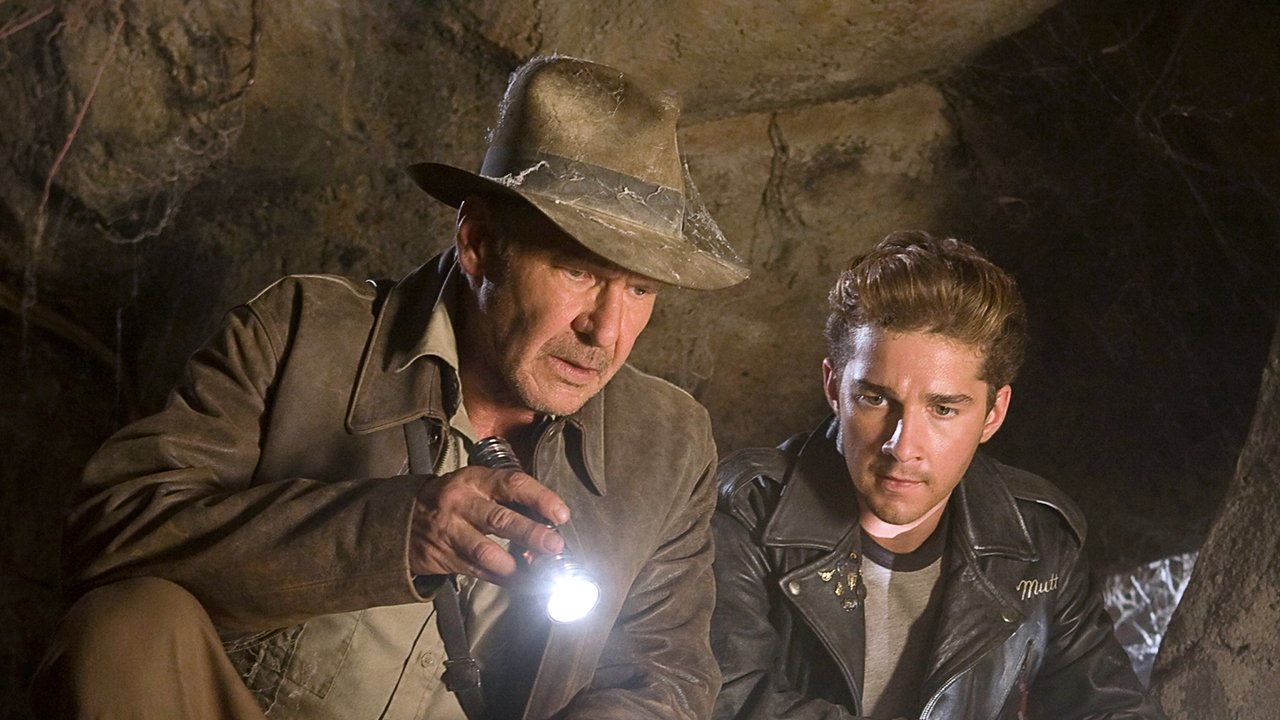
The middle act moves the action to Peru, where Indy teams up with Mutt Williams, played by Shia LaBeouf. Say what you will about Shia LaBeouf’s later career choices, but here he’s doing a solid Marlon Brando-in-The-Wild-One impression that bounces off Harrison Ford’s "get off my lawn" energy perfectly. The highlight is the jungle chase sequence. It’s a multi-vehicle brawl involving sword fights on moving trucks and giant man-eating ants.

The choreography is classic Indy—rhythmic, escalating, and clear. You always know where the characters are in relation to the danger. However, this is where the 2008 tech starts to show its seams. While Steven Spielberg insisted on shooting on film to maintain the series’ texture, the heavy reliance on CGI—from the infamous prairie dogs to the vine-swinging monkeys—often robs the stunts of their physical weight. There’s a certain "floatiness" to the digital effects that makes you miss the days when Harrison Ford was actually being dragged behind a real truck in the desert.
The Legend of the Box Office
Despite the polarized fan reaction, Kingdom of the Crystal Skull was a massive cultural event. It didn't just perform; it dominated. With a production budget of $185 million, it raked in over $786 million worldwide, becoming the second-highest-grossing film of 2008, trailing only The Dark Knight. It proved that the "blockbuster" wasn't just for superheroes; the old guard still had a massive pull.
The trivia behind the scenes reflects the sheer scale of the return. Harrison Ford, who was 64 at the time, famously did many of his own stunts, including the whip work and the chases. He reportedly stayed in such good shape that his costume measurements from The Last Crusade were nearly identical to his 2008 ones. Meanwhile, the production was so shrouded in secrecy that the title was kept under wraps using the fake name "The Genre Project." It’s also worth noting that the film's "nuke the fridge" moment actually entered the Lexicon—it was officially added to the Oxford English Dictionary as a phrase meaning a franchise has passed its peak. That's a level of cultural penetration most movies can only dream of.
Bringing it All Home
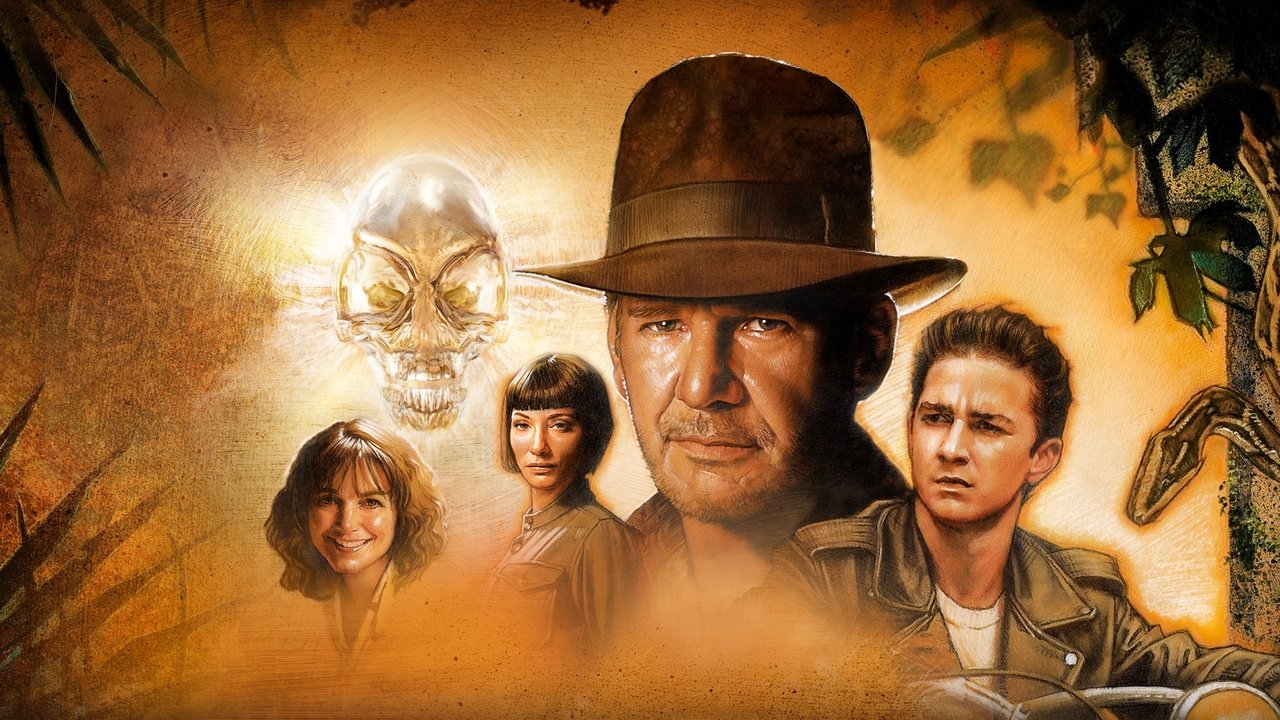
When Karen Allen returns as Marion Ravenwood, the movie finally finds its heart. Their bickering in the back of a Soviet truck while sinking into a dry sandpit is the film's best "character" moment. It grounds the supernatural "interdimensional beings" plot in something human. John Hurt also turns up as a scrambled Professor Oxley, adding a layer of tragic madness to the proceedings, though he’s mostly there to hold the titular skull.
Is it as good as Raiders of the Lost Ark? No. But looking back through the lens of Popcornizer retrospection, it’s a fascinating artifact. It marks the moment where the practical stunt era of the 80s collided head-on with the digital "everything is possible" era of the late 2000s. It’s messy, it’s occasionally silly, and the ending feels more like a Close Encounters b-side than an Indy finale. But when the John Williams score kicks in and Indy grabs that hat one more time, you can’t help but grin.
Ultimately, this is a film about a man realizing the world has moved on without him, which is exactly how the movie felt in the 2008 landscape. It’s a loud, shiny, and deeply earnest attempt to recapture lightning in a bottle. While it might occasionally zap the wrong target, the chemistry between the lead cast and the sheer joy of seeing the bullwhip in action makes it a trip worth taking. Just ignore the gophers.
Keep Exploring...
-
Indiana Jones and the Temple of Doom
1984
-
Indiana Jones and the Dial of Destiny
2023
-
Raiders of the Lost Ark
1981
-
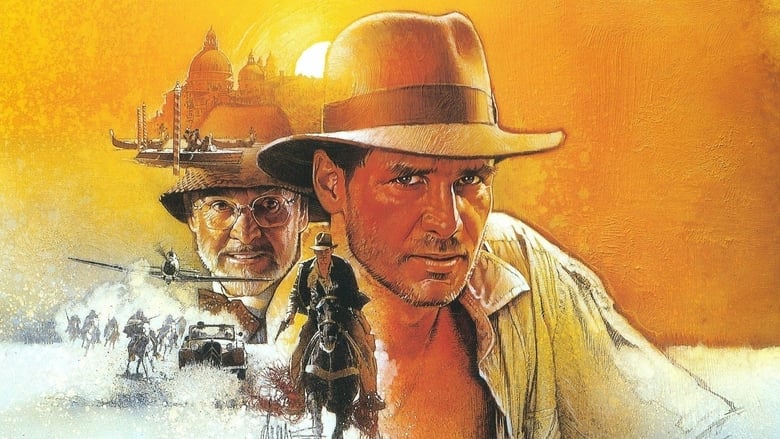
Indiana Jones and the Last Crusade
1989
-

The Lost World: Jurassic Park
1997
-

War of the Worlds
2005
-
Hook
1991
-
Mission: Impossible
1996
-

National Treasure
2004
-

Night at the Museum
2006
-
National Treasure: Book of Secrets
2007
-
Spider-Man 3
2007
-
Transformers
2007
-

Wild Hogs
2007
-
2012
2009
-
Transformers: Revenge of the Fallen
2009
-
Clash of the Titans
2010
-

Iron Man 2
2010
-

RED
2010
-
Resident Evil: Afterlife
2010