Inkheart
"Don't let the stories out."
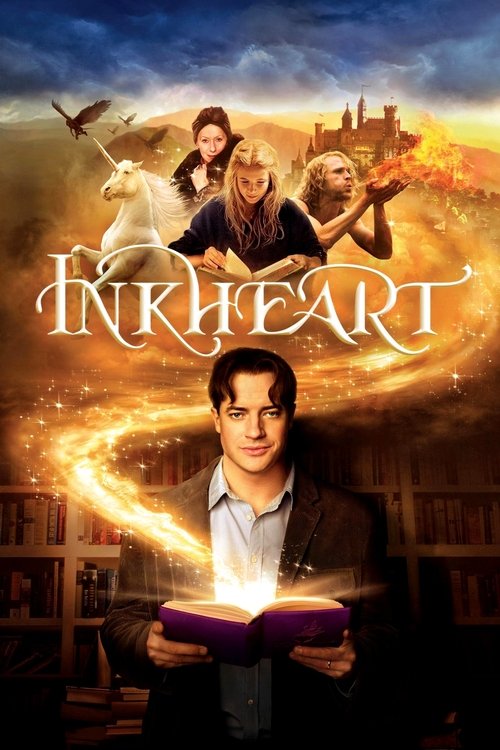
The late 2000s were a strange, frantic time for the "Next Big Thing." Every studio executive in Hollywood was scouring the Young Adult shelves with a magnifying glass, desperate to find a golden goose that could replicate the Harry Potter or Lord of the Rings phenomenon. It was a gold rush of orphans, prophecies, and magic swords. Somewhere in the middle of that stampede sat Iain Softley’s Inkheart, a film that didn't just want to be a fantasy epic—it wanted to be a love letter to the very act of reading.

I watched this recently on a DVD I found in a library "free bin," and the previous owner had stuck a scratchy "Property of the Miller Family" sticker right over the disc's art, which felt oddly appropriate for a movie about the physical weight and history of books. Inkheart is a film that smells like old paper and binding glue, even when the 2008-era CGI tries its hardest to blow the doors off the library.
The Silvertongue’s Burden
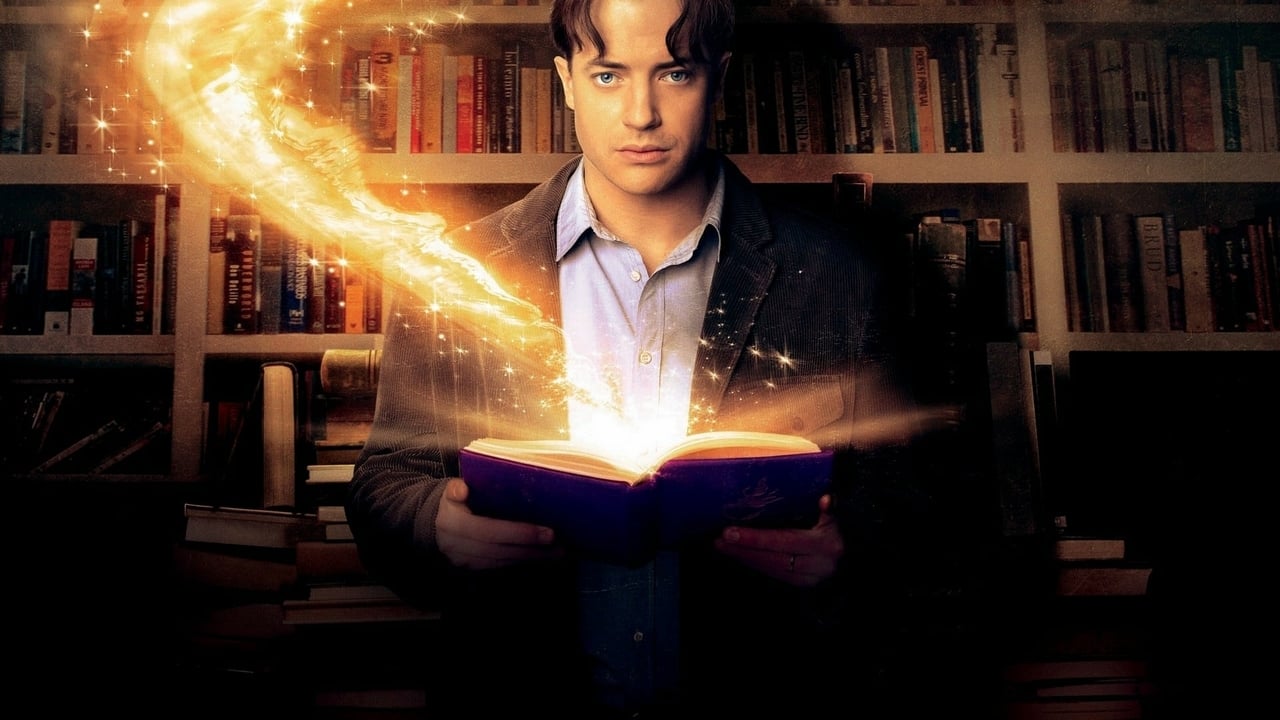
The premise is a bibliophile’s dream and a realist's nightmare: Mo 'Silvertongue' Folchart, played with a weary, soulful charm by Brendan Fraser, has the ability to "read" characters out of books and into our world. The catch? Someone from our world has to go in to balance the scales. Years ago, Mo accidentally read his wife, Resa (Sienna Guillory), into a medieval fantasy novel called Inkheart, while three of the book's villains tumbled out into the Italian countryside.
Brendan Fraser was the undisputed king of the "affable adventurer" archetype during this era. Coming off the back of The Mummy franchise (1999-2008) and Journey to the Center of the Earth (2008), he brought a specific kind of sincerity to Mo. He doesn't play him as a hero, but as a terrified father who just happens to have a voice like a Stradivarius. Watching him now, there's a bittersweet quality to his performance—he’s basically the human equivalent of a warm blanket, and he grounds a plot that could easily have spiraled into nonsense.
The real scene-stealer, however, is Paul Bettany as Dustfinger. He’s a fire-manipulator who desperately wants to go home to his family within the pages of the book. Paul Bettany is the only person in this movie who seems to realize he’s in a tragedy, while everyone else thinks they’re in a theme park. His chemistry with the CGI marten on his shoulder is surprisingly moving, and he brings a desperate, jagged edge to the "Family Fantasy" genre that feels genuinely earned.
When the Page Hits the Screen

One of the most charming bits of trivia about the production is that the author of the original novel, Cornelia Funke, actually wrote the character of Mo with Brendan Fraser specifically in mind. She even sent him a signed copy of the book years before the movie was greenlit, telling him he was her "Silvertongue." You can feel that synergy on screen; Fraser fits the role like a well-worn leather jacket.
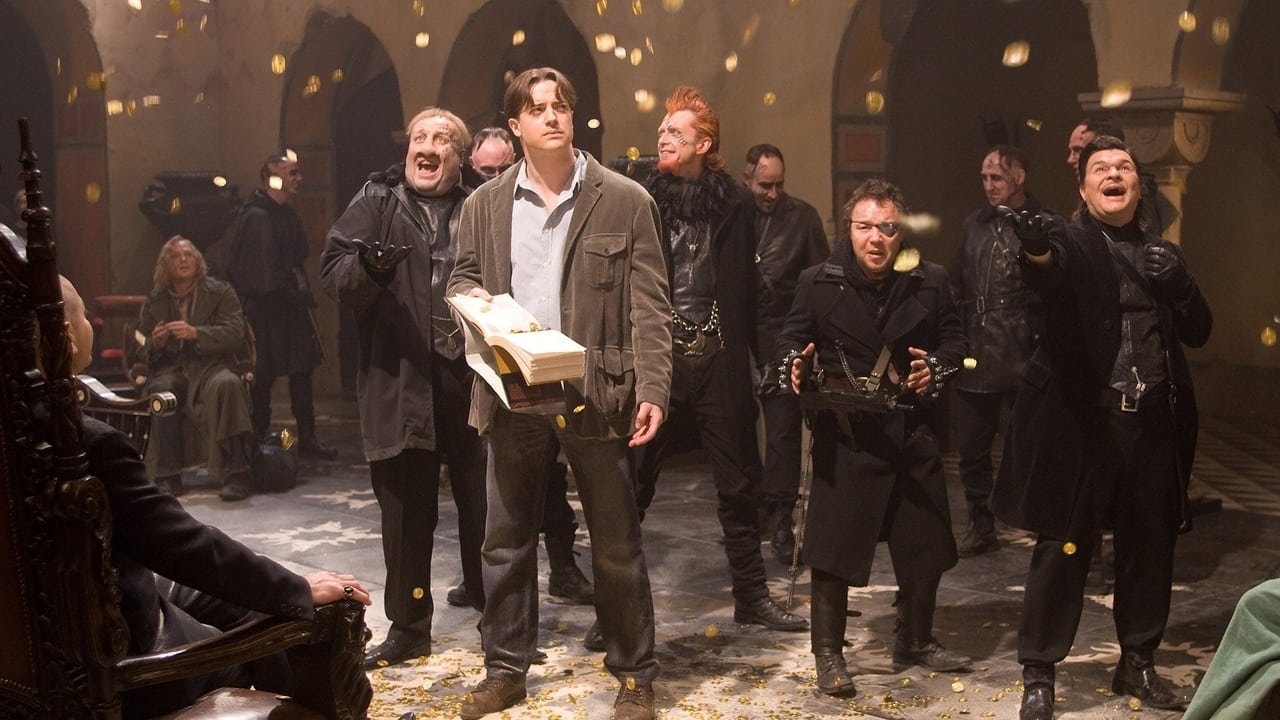
Then you have Andy Serkis as Capricorn, the villain. Fresh off his groundbreaking motion-capture work as Gollum in The Lord of the Rings and King Kong, it’s a hoot to see him actually appearing in the flesh. Andy Serkis plays Capricorn like a middle manager who just discovered Hot Topic, and while he’s not exactly "terrifying," he’s having a visible blast being a campy menace in a silk suit.
The film excels when it leans into its European locations. Shooting in Liguria, Italy, gave the movie a textured, ancient feel that sets it apart from the sterile, green-screen "voids" we see in modern blockbusters. The narrow stone alleys and sun-bleached villas feel lived-in, making the arrival of magical creatures feel like an actual intrusion on reality. However, the film struggles when it reaches its climax. The "Shadow" monster—the big bad of the third act—looks like a sentient pile of burnt brisket, a reminder that 2008 CGI was still in that awkward teenage phase where it could do "lighting" but couldn't quite do "physical presence."
A Misplaced Chapter
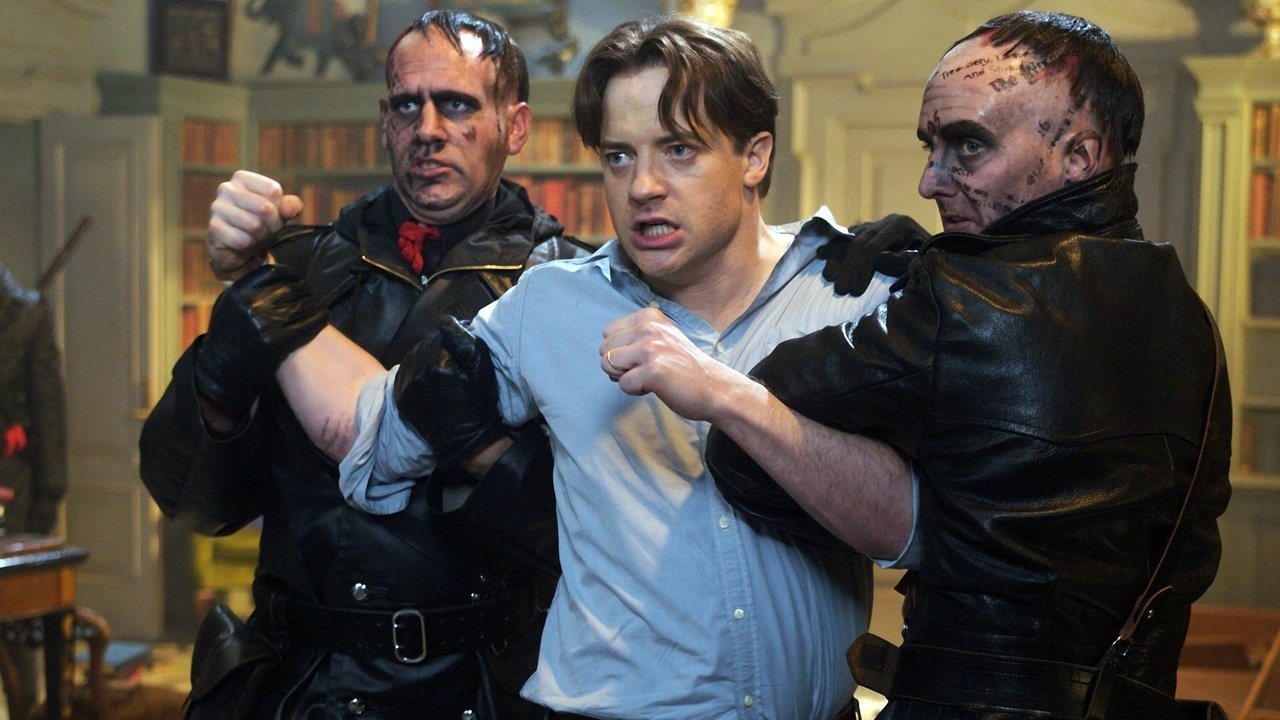
Why didn't Inkheart become the massive franchise New Line Cinema clearly wanted? It was caught in a perfect storm of bad timing. The 2007-2008 Writers' Strike delayed its release for over a year, and by the time it hit theaters, the "fantasy adaptation" market was completely oversaturated. It also has a bit of a tonal identity crisis. It’s a bit too dark for very young kids—Capricorn’s henchmen are legitimately thuggish—but perhaps a bit too whimsical for the teenagers who were starting to migrate toward the angst of Twilight.
Looking back, the film’s greatest strength is its supporting cast. Jim Broadbent shows up as Fenoglio, the author of the Inkheart book, and he plays the role with a delightful, bumbling arrogance. The meta-narrative of an author meeting his own creations and being horrified by his own "lazy writing" is a highlight that keeps the film from feeling like a generic quest.
Inkheart is an "in-between" movie. It sits between the practical-effects era and the total digital takeover. It’s not a masterpiece, but it has a soul. It’s the kind of movie that makes you want to turn off the TV, head to a dusty used bookstore, and start reading aloud, just in case something happens.
It is a cozy, slightly clunky adventure that succeeds because of its heart rather than its spectacle. While the pacing stumbles in the second half and the ending feels rushed, the central trio of Brendan Fraser, Paul Bettany, and Eliza Bennett carry the emotional weight beautifully. It’s a cult classic for people who still believe that the most powerful magic in the world is found between two cardboard covers.
Keep Exploring...
-

Oz the Great and Powerful
2013
-

Legend of the Guardians: The Owls of Ga'Hoole
2010
-

Sinbad: Legend of the Seven Seas
2003
-

The Polar Express
2004
-

Herbie Fully Loaded
2005
-

Stardust
2007
-

The Chronicles of Narnia: Prince Caspian
2008
-
The Spiderwick Chronicles
2008
-
Night at the Museum: Battle of the Smithsonian
2009
-
The Chronicles of Narnia: The Voyage of the Dawn Treader
2010
-

Brave
2012
-
Mirror Mirror
2012
-

Epic
2013
-
Percy Jackson: Sea of Monsters
2013
-
The Mummy: Tomb of the Dragon Emperor
2008
-
Rise of the Guardians
2012
-

Peter Pan
2003
-

Arthur and the Invisibles
2006
-
Percy Jackson & the Olympians: The Lightning Thief
2010
-
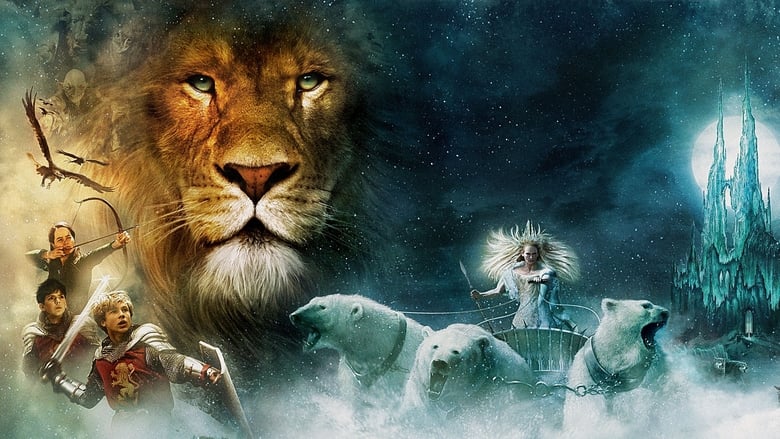
The Chronicles of Narnia: The Lion, the Witch and the Wardrobe
2005