Ip Man
"The quiet master who redefined the punch."
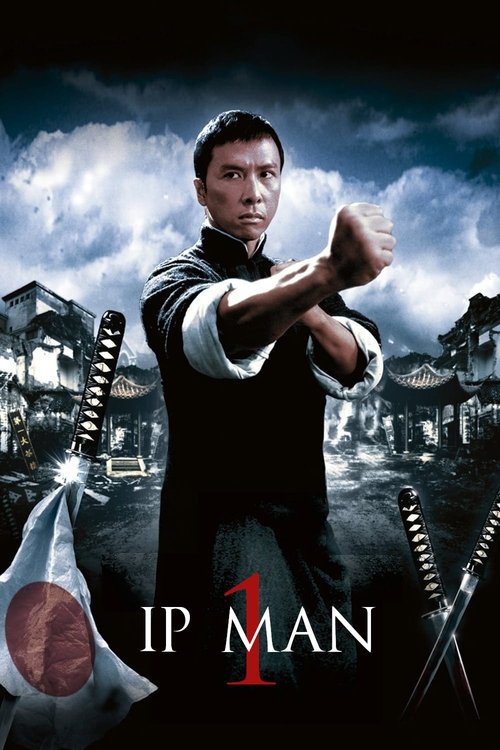
Before the chain punches fly, there is the tea. Most martial arts epics of the early 2000s were obsessed with the "Wire-Fu" aesthetic—think the ethereal, floating grace of Crouching Tiger, Hidden Dragon. But when Wilson Yip’s Ip Man arrived in 2008, it felt like a bucket of cold water to the face. It traded the treetops for the dusty floor of a cotton mill, and it traded the soaring hero for a middle-aged dad who really just wanted his wife to let him practice his wooden dummy in peace.
I first watched this on a flickering laptop in a dorm room while my roommate was loudly trying to assemble a Swedish bookshelf, and even through that distraction, the screen felt like it was vibrating. There is a specific gravity to Donnie Yen’s performance here that changed the trajectory of his career and the genre itself.
The Calm Before the Chain-Punch Storm
By 2008, the "Modern Cinema" era was deep into its digital transition, but Ip Man feels remarkably tactile. It arrived right as the world was gearing up for the Beijing Olympics, a moment of Chinese cultural reassertion, and the film leans into that nationalistic fervor with the subtlety of a sledgehammer. Yet, the reason it works isn't the politics; it's the domesticity.
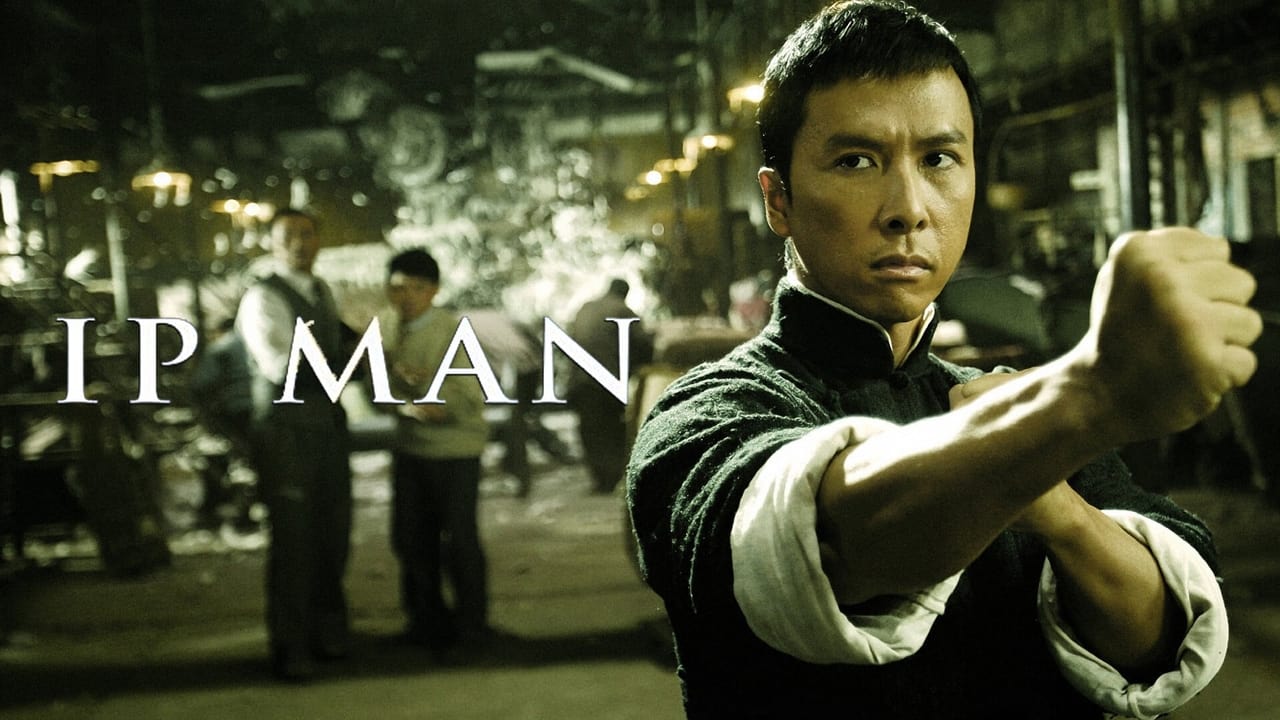
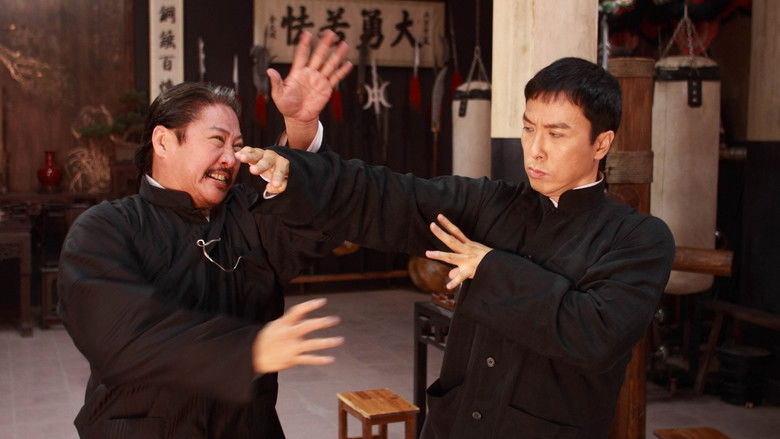
Donnie Yen, playing a semi-fictionalized version of the man who would eventually train Bruce Lee, brings a "gentleman scholar" energy to the role. He isn't looking for a fight; he’s a wealthy resident of Foshan who happens to be the best Wing Chun practitioner in the world. When a rowdy Northern brawler named Jin Shan Zhao (Louis Fan Siu-Wong) shows up to challenge the local masters, Ip Man only agrees to fight him to stop him from breaking his furniture. The Northern brawler is essentially a human cartoon who wandered in from a much louder, dumber movie, and the way Ip Man dismantles him with a feather duster is pure cinematic joy.
The Weight of the Occupation
The film takes a sharp, somber turn in its second act as the Imperial Japanese Army occupies Foshan. The lush, golden hues of the early scenes are replaced by a desaturated, grimy gray. This is where the "Cerebral/Philosophical" layer kicks in. Wing Chun is a martial art of economy—maximum effect with minimum movement. As the characters starve and work for scraps of coal, the film asks: what is the "economy" of dignity?
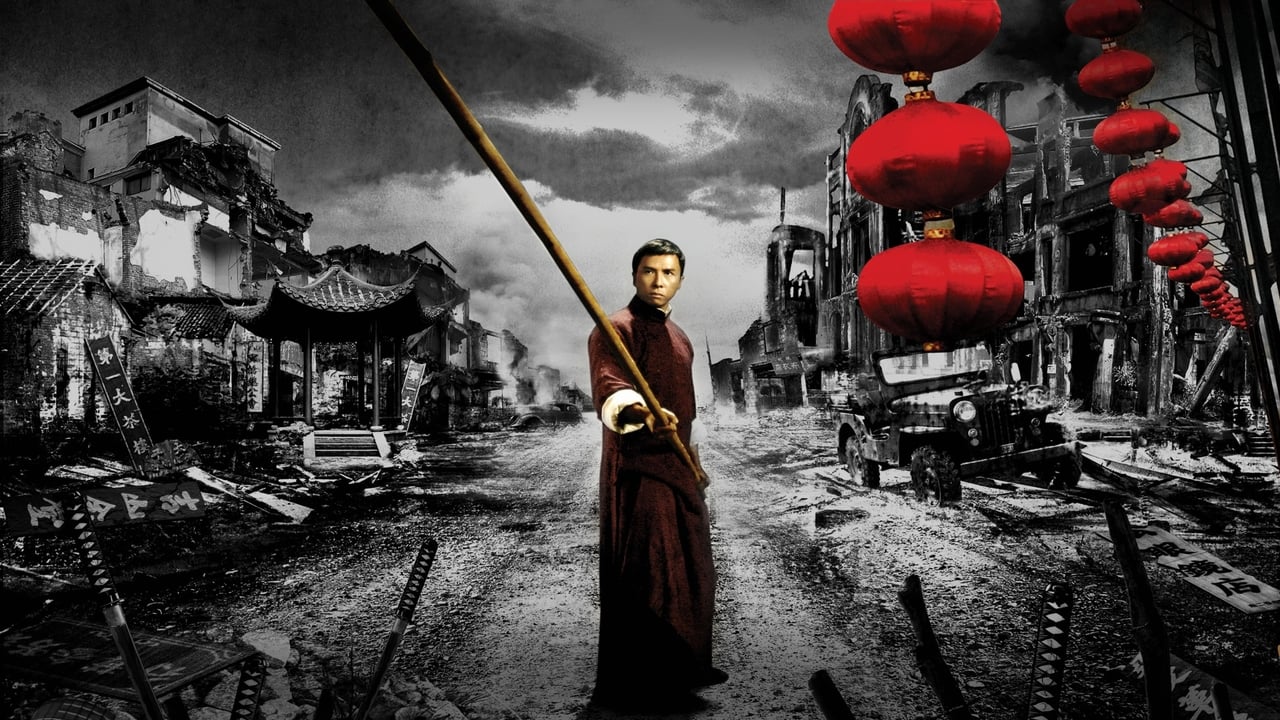
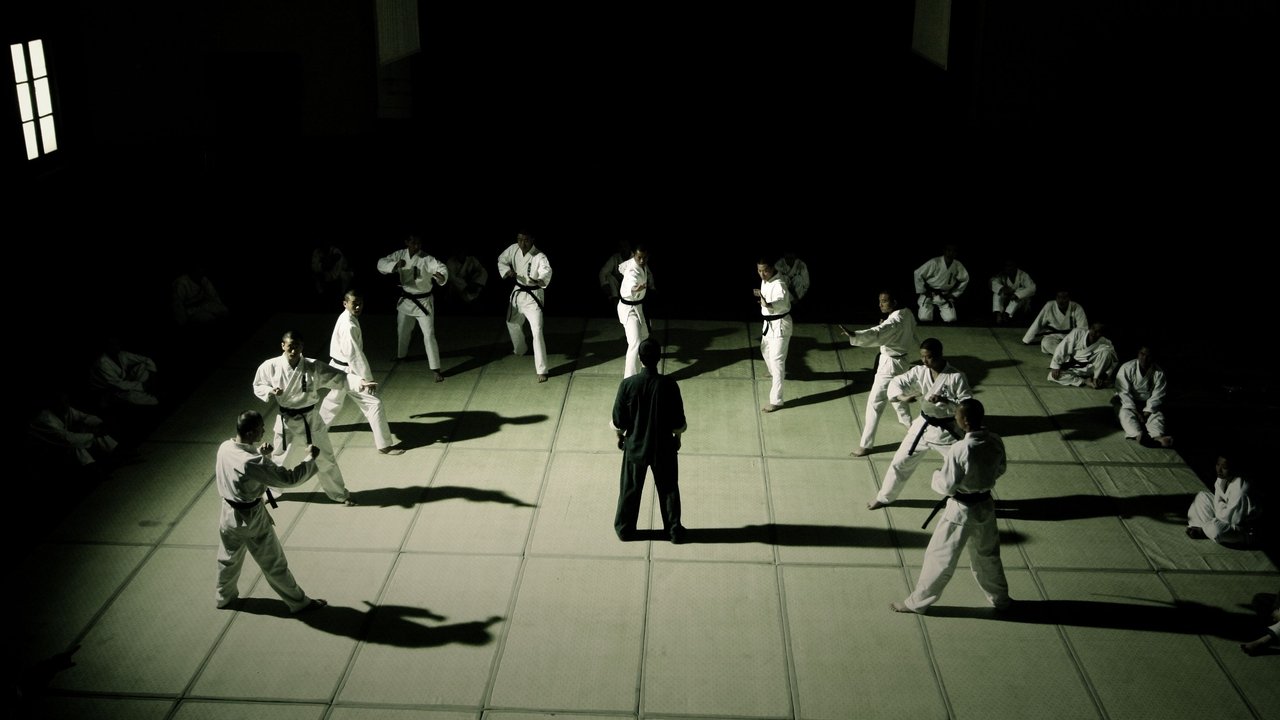
When Ip Man finally snaps and utters the famous line, "I want to fight ten people!", it’s not just an action beat. It’s a release of years of suppressed grief. The choreography by the legendary Sammo Hung is a masterpiece of clarity. Unlike the "shaky cam" craze that was infecting Hollywood action at the time (thanks, Bourne), Wilson Yip keeps the camera back. You see every parry, every trap, and every bone-breaking strike. It’s fast—blindingly so—but never confusing.
Stuff You Might Have Missed
Ip Man didn't just happen; it was a "perfect storm" of production details that fans still obsess over:
Donnie Yen actually studied Wing Chun for nine months to prepare, but he was so dedicated he reportedly kept a wooden dummy in his hotel room to practice between takes. The real Ip Chun (Ip Man’s eldest son) served as a consultant on the film. If you look closely at the Wing Chun forms, they are remarkably authentic to the lineage. The film’s title caused a massive stir in the industry. Wong Kar-wai had been developing his own Ip Man project (The Grandmaster) for years and had already claimed the title The Master. A bit of "title-squatting" drama ensued before this version claimed the "Ip Man" branding. Hiroyuki Ikeuchi, who plays General Miura, wasn't actually a martial artist. He’s an actor who had to be put through a "boot camp" by Sammo Hung to look like a credible threat to Yen. During the 1-vs-10 fight, the warehouse was so cold that the actors’ breath was visible, which had to be carefully managed in post-production to keep the look consistent. The "chain punch"—the rapid-fire vertical strikes—became so popular after this film that Wing Chun schools worldwide saw a massive spike in enrollment, a phenomenon dubbed "Ip Man Fever."
The Legacy of the Wooden Dummy
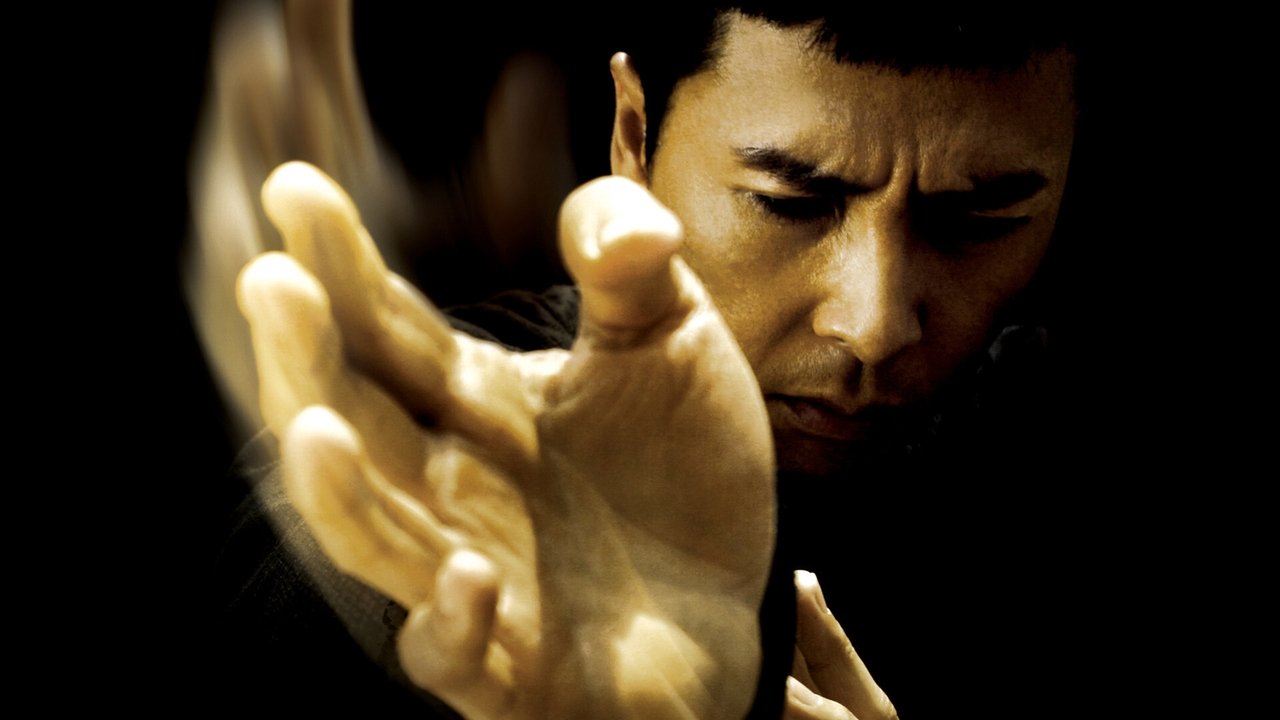
Looking back from the 2020s, Ip Man remains the high-water mark for the franchise. While the sequels became increasingly "superhero-esque" (Ip Man vs. Mike Tyson? Ip Man in mid-century San Francisco?), the 2008 original is grounded in a very specific kind of historical anxiety. It captures that post-9/11 cinematic trend of seeking "purity" in heroes—men who are unshakable not because they are strong, but because they are principled.
The film manages to be a brutal action flick and a meditation on restraint simultaneously. It’s a rare feat. By the time the credits roll, you don't just want to learn how to punch; you want to learn how to be as composed as Donnie Yen is when he's being told his house is being repossessed. It’s the ultimate "dad movie" that also happens to contain some of the best hand-to-hand combat ever put to celluloid.
In a decade defined by the rise of CGI spectacles, Ip Man proved that a man, a wooden dummy, and a very fast pair of hands are all you need to capture an audience's soul. It’s the kind of film that earns its status as a cult classic by being undeniably better than it had any right to be. Whether you're here for the history or the hits, it delivers a knockout.
Keep Exploring...
-
Ip Man 2
2010
-
Ip Man 3
2015
-
Ip Man 4: The Finale
2019
-
Apocalypto
2006
-

Hero
2002
-
Coach Carter
2005
-
Rush
2013
-
Kingdom of Heaven
2005
-
Munich
2005
-

Cinderella Man
2005
-

Memoirs of a Geisha
2005
-
The Patriot
2000
-
United 93
2006
-
Defiance
2008
-
Red Cliff
2008
-
Fearless
2006
-

Evangelion: 1.0 You Are (Not) Alone
2007
-
The Diving Bell and the Butterfly
2007
-
Evangelion: 2.0 You Can (Not) Advance
2009
-
The King's Speech
2010