Iron Man
"The movie that gambled everything on a fallen star and won the entire universe."
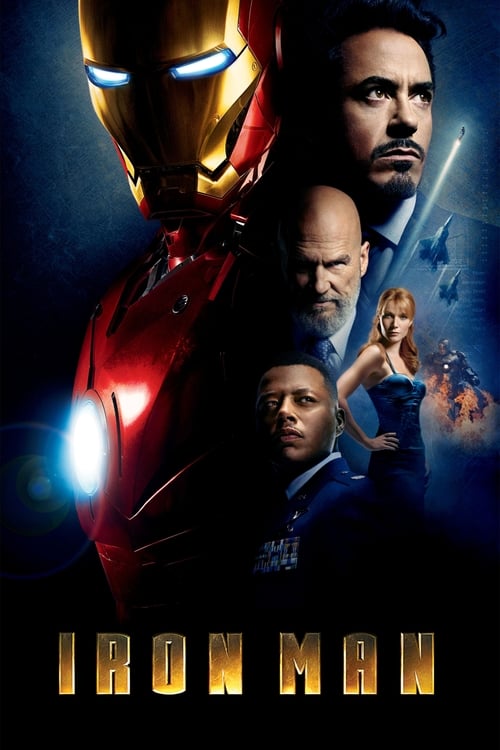
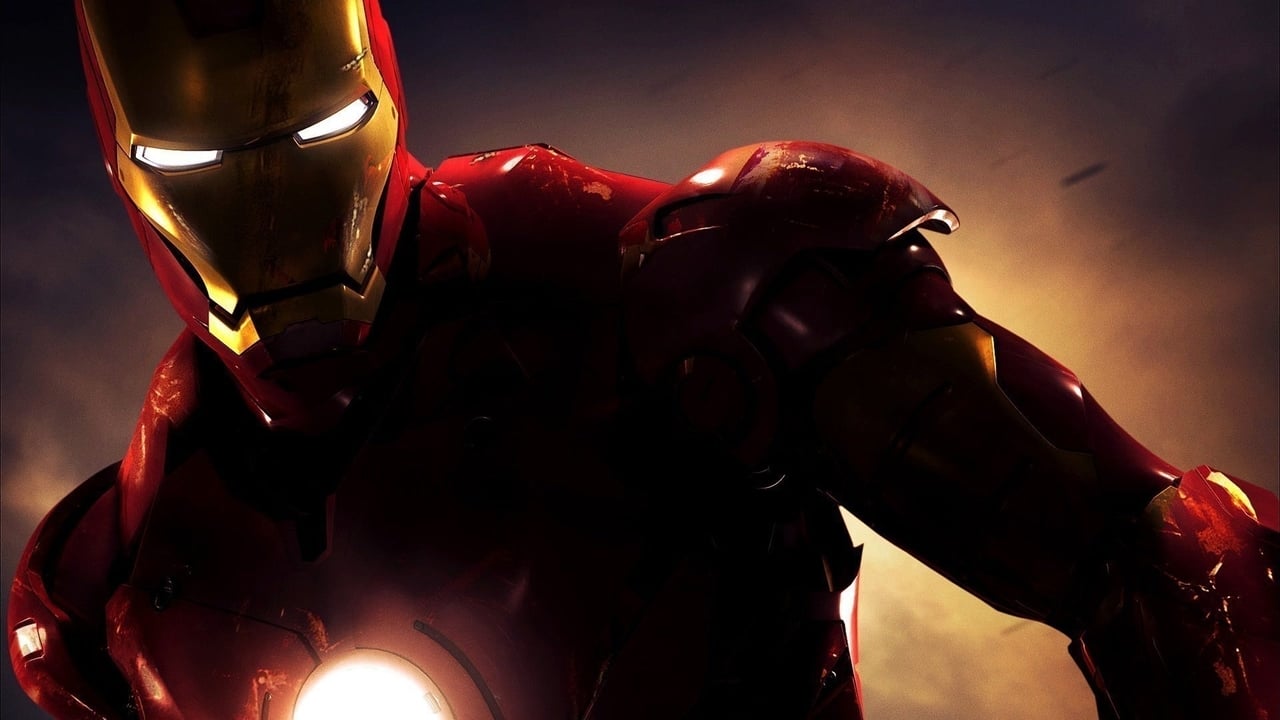
I remember sitting in a half-empty theater in May 2008, nursing a lukewarm Sprite and wondering why the guy who played Chaplin was trying to be a superhero. At the time, Iron Man felt like a desperate "Hail Mary" from a studio that had already sold off its best athletes—Spider-Man and the X-Men—to other teams. Tony Stark was a B-list hero at best, a guy in a metal suit who lacked the name recognition of Batman or Superman. But within twenty minutes, I realized I wasn't watching a generic comic book adaptation; I was watching the birth of the modern blockbuster blueprint.
The RDJ Gamble and the Scriptless Chaos
Looking back, it’s hard to overstate how much of a risk Robert Downey Jr. actually was. Before he became the face of a multi-billion dollar empire, he was a massive insurance liability. Jon Favreau had to fight the studio to cast him, and honestly, the film’s electric energy comes directly from that "nothing to lose" desperation.
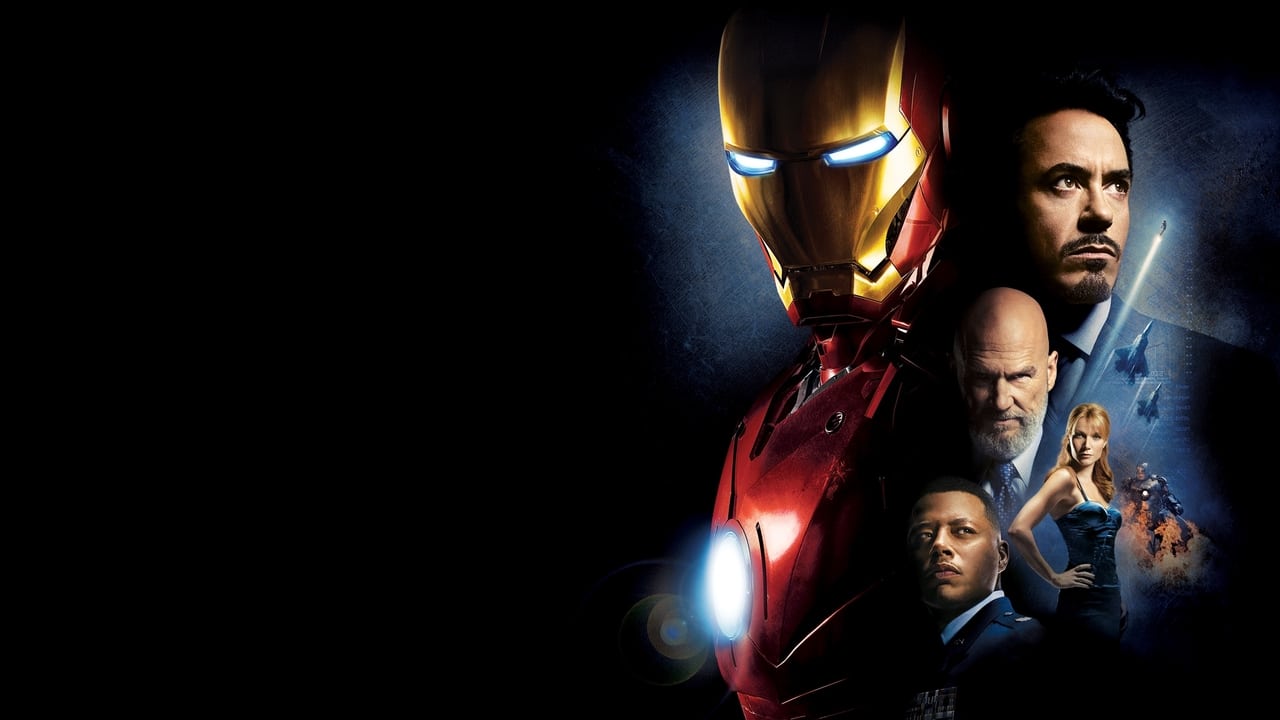
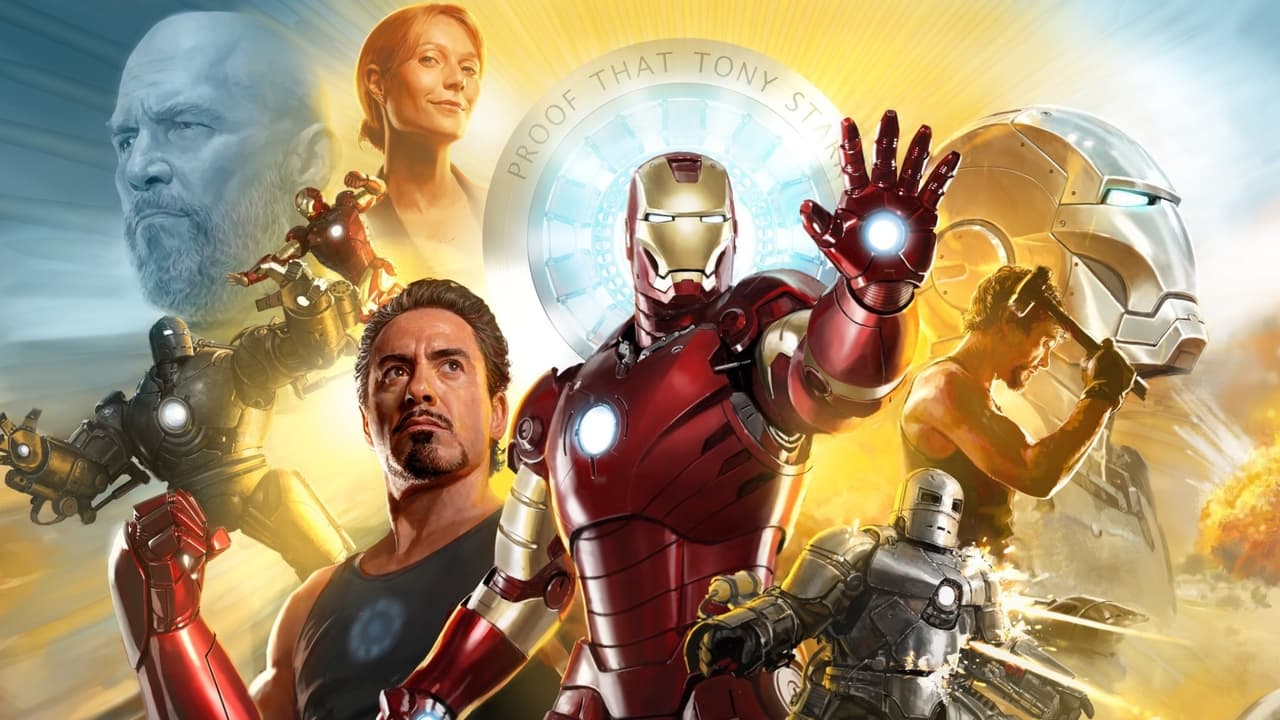
The most fascinating thing about the production—which I only learned later through DVD special features—was that they didn’t really have a finished script when they started shooting. While the action beats were planned, the dialogue was largely improvised on set. This is why the chemistry between Tony and Gwyneth Paltrow’s Pepper Potts feels so organic and snappy compared to the stiff, rehearsed lines we get in modern superhero fare. Jeff Bridges, who plays the villainous Obadiah Stane, famously described the production as a "$140 million student film," where they would huddle in a trailer every morning to figure out what they were actually going to say. It gave the movie a loose, conversational texture that felt revolutionary in an era dominated by the self-serious gloom of post-9/11 action cinema.
Weight, Metal, and the CGI Sweet Spot
In the "Modern Cinema" era of the late 2000s, we were right in the sweet spot of the CGI revolution. Effects houses like ILM were finally able to make digital metal look photo-real, but Jon Favreau was smart enough to keep things grounded in the physical. I’m still obsessed with the sound design of the Mark I suit—that clanking, wheezing, heavy machinery sound as Tony escapes the cave. It has a physical "thud" that feels missing from later MCU entries where the suits start to look like liquid spandex.
The action choreography in the Gulmira sequence is still the gold standard for the genre. When Iron Man lands in the middle of a group of terrorists and delivers a single, heavy punch, you feel the momentum. The cinematography by Matthew Libatique uses a lot of handheld, "you-are-there" camerawork that makes the flight sequences feel like military test footage rather than a video game. I watched this most recently while trying to peel a very stubborn sticker off my laptop, and even with that distraction, the sheer clarity of the dogfight with the F-22 Raptors held my focus. The villain is basically just a grumpy CEO in a slightly larger suit of Tupperware, but the staging of that final fight on the roof of Stark Industries still carries genuine stakes because the film spent so much time making us care about Tony’s heart—both literal and metaphorical.
A Hero for a Post-9/11 World
We don’t talk enough about how Iron Man was a direct response to the anxieties of the 2000s. Coming out just five years after the start of the Iraq War, it tackled the military-industrial complex head-on. Tony Stark isn't a boy scout; he’s a war profiteer who has a moral awakening. It’s a cynical starting point that felt very "of its time," reflecting a public that was growing weary of industrial-scale conflict.
The "Jericho" missile demonstration in the Afghan desert is a hauntingly beautiful piece of destruction that captures that era's fascination with "clean" high-tech warfare. But the movie’s soul belongs to Shaun Toub as Yinsen. His sacrifice is the pivot point for the entire franchise, and I appreciate that the film doesn't rush past the trauma of the cave. It’s a grounded, adult take on a genre that was still struggling to be taken seriously by anyone over the age of fifteen.
The $585 Million Handshake
The financial impact of this film was staggering. It pulled in over $585 million worldwide, turning a $140 million budget into a license to print money. It proved that audiences didn't need a household name if the character was charismatic enough. It also launched the "post-credits" mania that has ruined our ability to leave a theater before the janitors arrive. When Samuel L. Jackson walked out of the shadows as Nick Fury, it wasn't just a cameo; it was a promise of a connected universe that would eventually change how every studio in Hollywood conducted business.
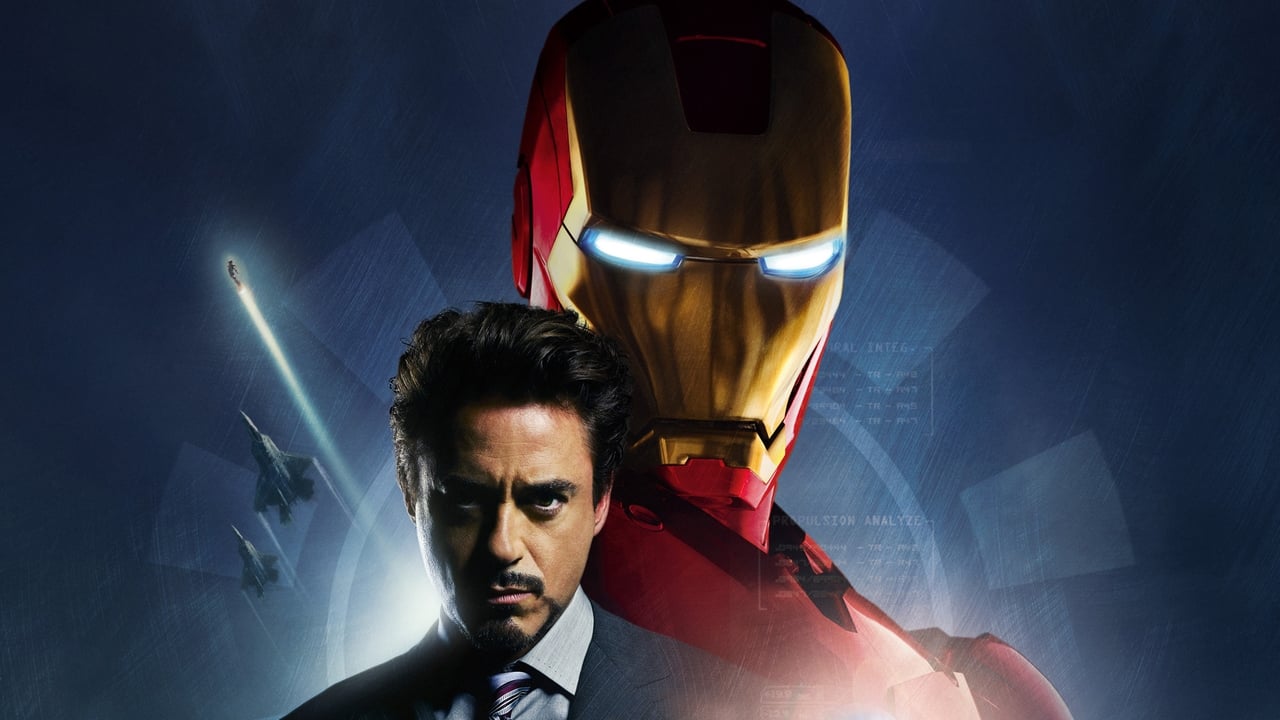
Looking back from 2024, Iron Man is a rare specimen: a blockbuster that actually has a personality. It’s funny without being "quippy," it’s action-packed without being exhausting, and it features a lead performance that remains one of the most perfect alignments of actor and role in history. Even though the franchise eventually grew into a sprawling, interconnected web, this first outing remains a lean, mean, beautifully engineered machine.
The way Tony Stark announces his identity at the end of the film changed the rules of the genre. Before this, everyone was obsessed with secret identities and the burden of the mask. Tony just looks at the press corps and says the words, throwing the status quo out the window. It’s a moment of pure, unadulterated swagger that defined a decade of cinema. I still get a little chill when the credits roll to the heavy riffs of Black Sabbath, reminding me that for a brief moment, superhero movies were the coolest things on the planet.
The film's legacy is undeniable, but it's the small, human moments that make it a masterpiece. Whether it's Tony struggling with a robotic arm or the crackling tension during a charity gala, the movie never loses sight of the man inside the machine. It’s the rare blockbuster that respects the audience's intelligence while delivering pure, popcorn-munching joy. We might be living in a world of franchise fatigue now, but rewatching this reminds me why we fell in love with these stories in the first place.
Keep Exploring...
-

Iron Man 2
2010
-
Iron Man 3
2013
-

The Avengers
2012
-

The Matrix Reloaded
2003
-
X2
2003
-
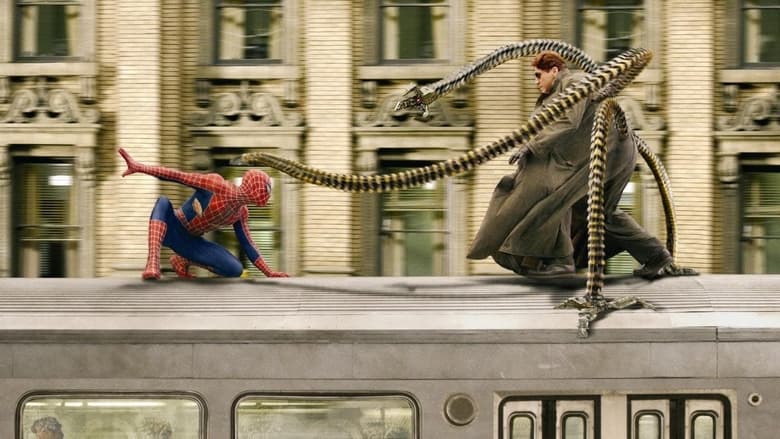
Spider-Man 2
2004
-

Star Wars: Episode III - Revenge of the Sith
2005
-
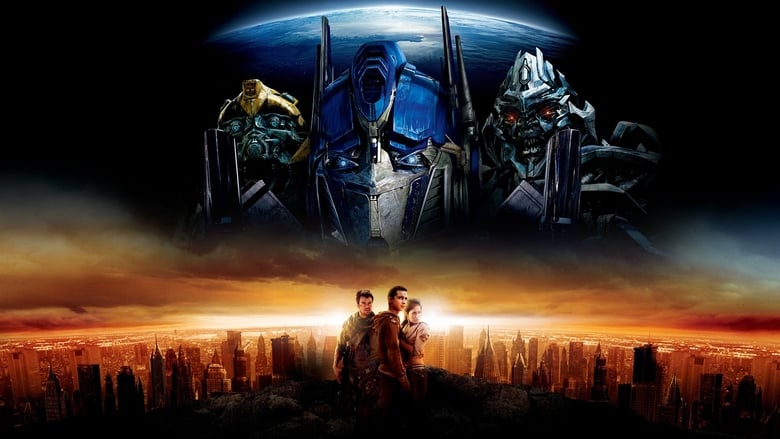
Transformers
2007
-
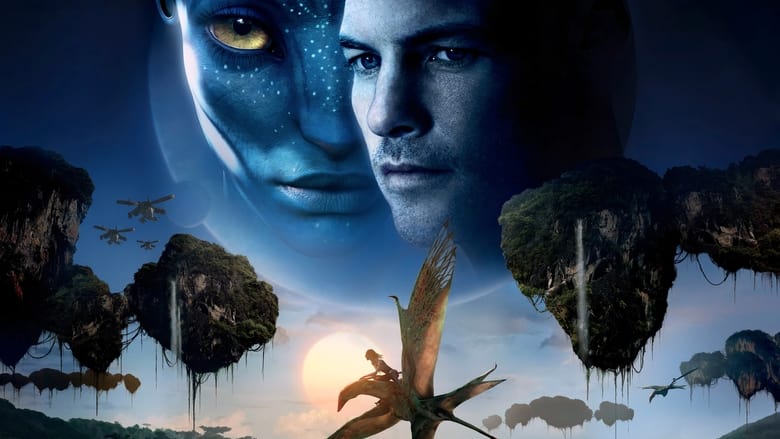
Avatar
2009
-
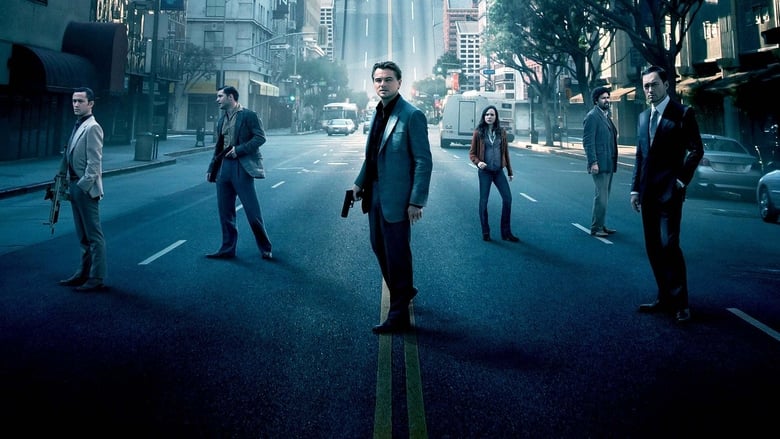
Inception
2010
-

The Amazing Spider-Man
2012
-

The Hunger Games
2012
-

The Hunger Games: Catching Fire
2013
-
Total Recall
1990
-
Stargate
1994
-
Independence Day
1996
-
Men in Black
1997
-
Armageddon
1998
-

X-Men
2000
-
Sherlock Holmes
2009