Let the Right One In
"Blood is thicker than frozen Swedish water."
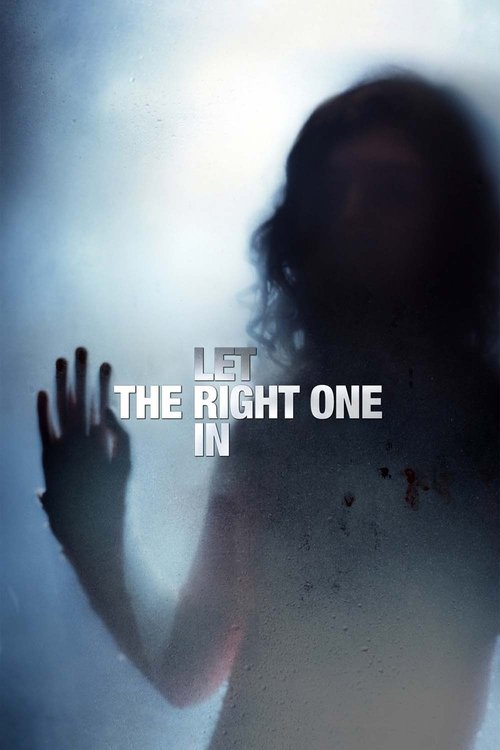
I first watched Let the Right One In on a scratched DVD I borrowed from a library in a town where the sun went down at 4:00 PM. I remember sitting on a radiator that hummed like a dying beehive, eating a sleeve of saltine crackers, and feeling a chill that had nothing to do with the drafty window. By the time the credits rolled, the crackers were stale, and my perception of what a "horror movie" could be had shifted permanently.
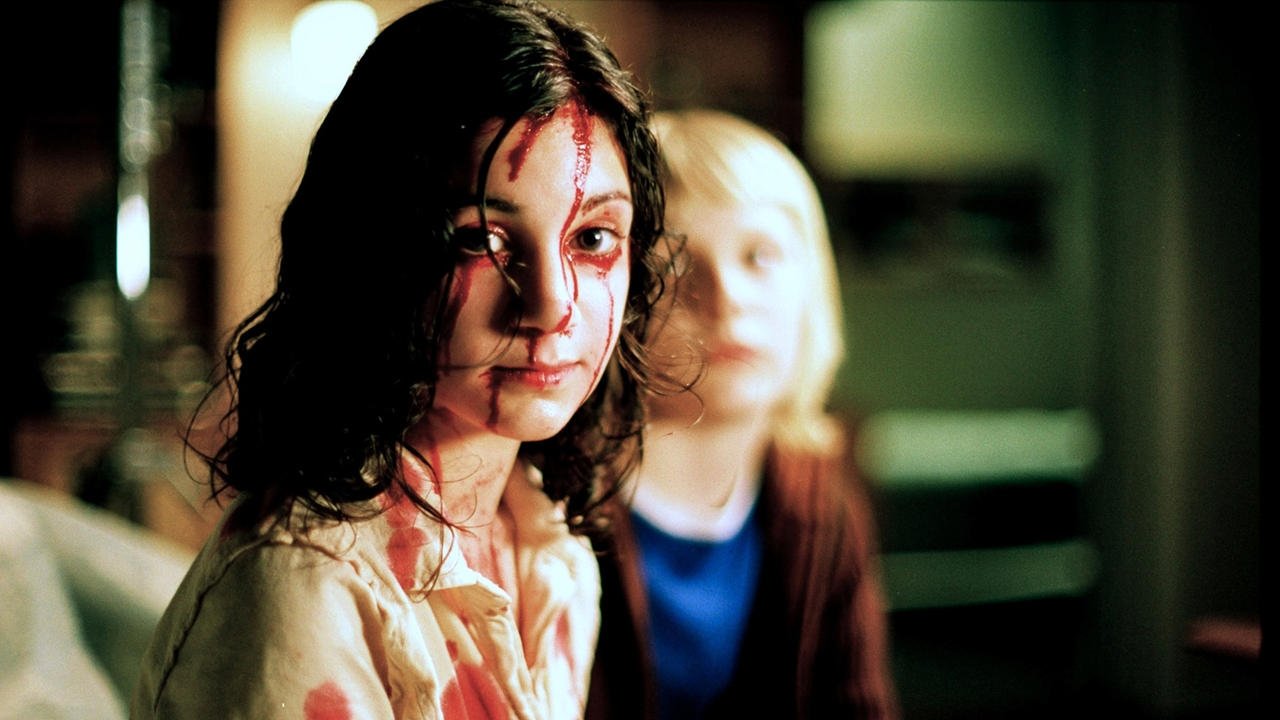
In 2008, the world was drowning in the burgeoning Twilight mania. We were being sold vampires as sparkly, pining fashion models. Then, out of the snowy suburbs of Blackeberg, Stockholm, came Tomas Alfredson with a film that felt less like a movie and more like a cold hand pressing against your throat. It didn't care about being "cool" or "sexy." It cared about the loneliness that settles into your marrow when you’re twelve years old and the world seems designed to break you.
A Masterclass in Frozen Dread
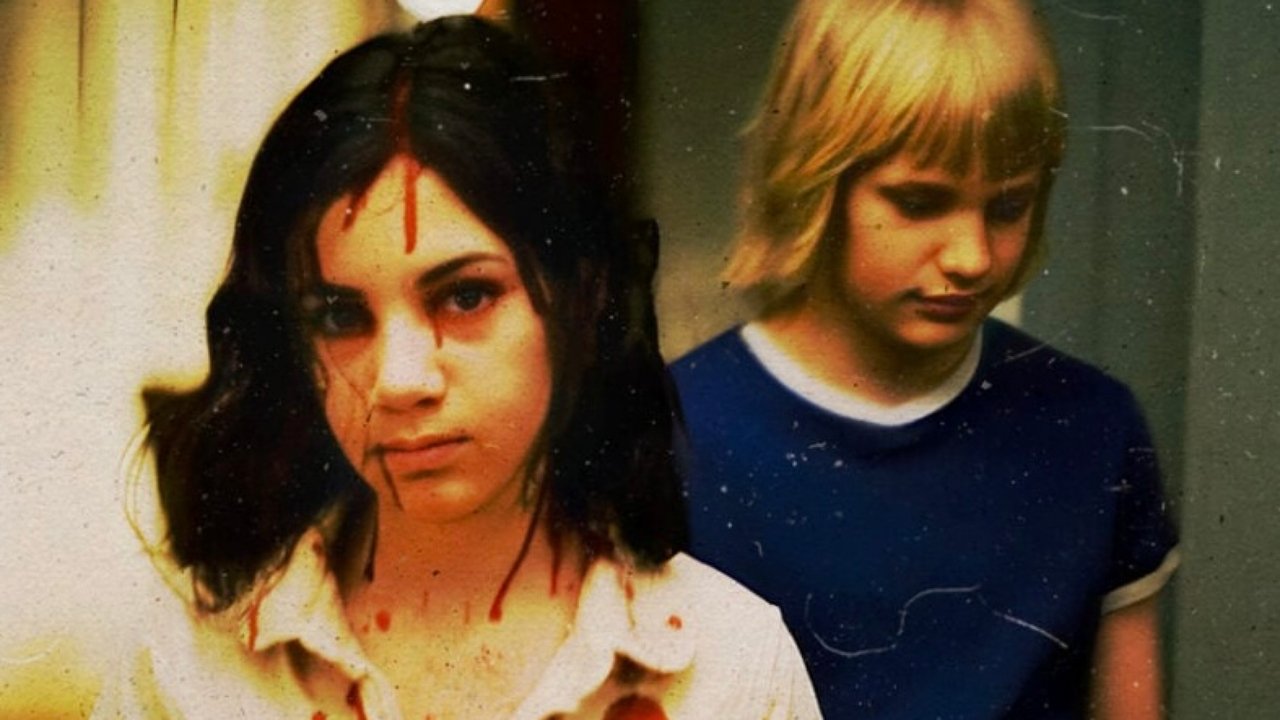
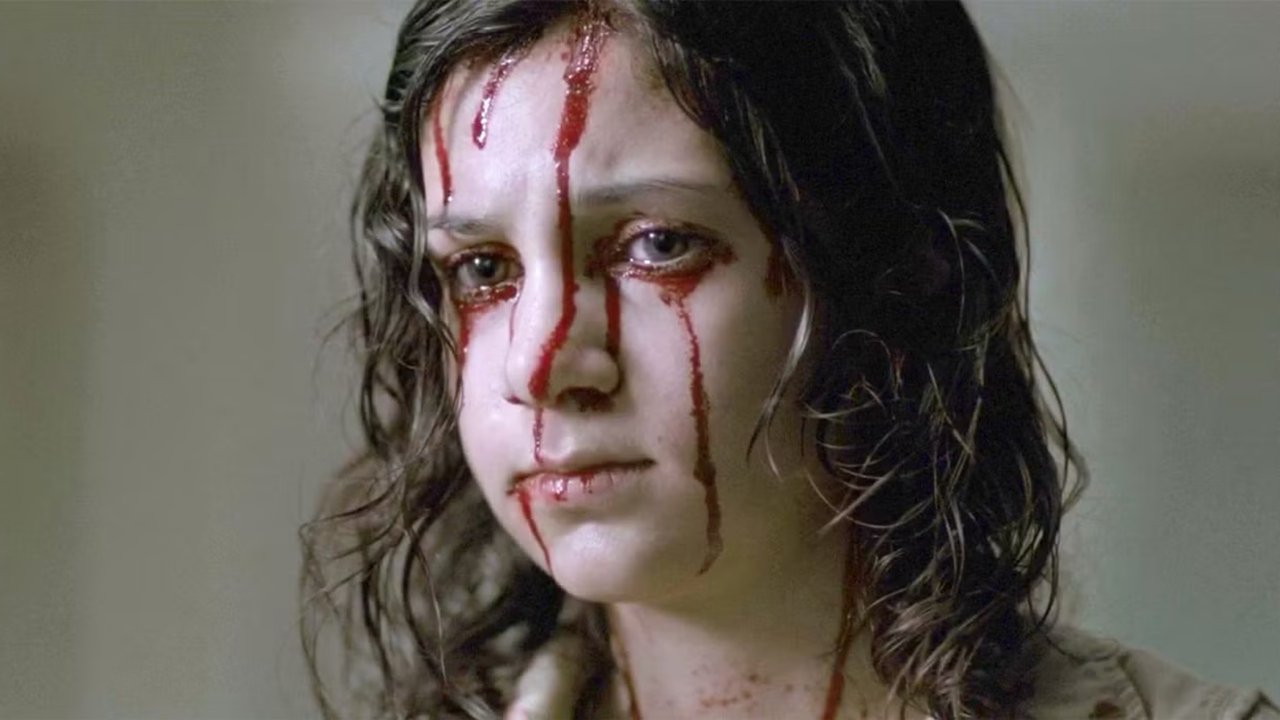
The film follows Oskar (Kåre Hedebrant), a pale, lonely boy who spends his nights stabbing trees and imagining they are the bullies who torment him at school. His life changes when he meets Eli (Lina Leandersson), a girl who "is 12, but has been 12 for a long time." Their friendship isn't built on witty banter or shared hobbies; it’s a kinship of outcasts.
The cinematography by Hoyte van Hoytema—who would later go on to shoot Oppenheimer and Interstellar—is breathtakingly minimalist. He uses the Swedish winter as a character. The frame is often filled with vast expanses of white snow and the brutalist, beige architecture of 1980s apartment complexes. When blood finally hits that snow, the red is so aggressive it feels like a scream. It’s basically a silent film where the only thing louder than the wind is the sound of bone snapping.
What’s fascinating looking back from our current CGI-saturated era is how much Alfredson relies on stillness. This was right at the tail end of the era where "indie" meant something specific—a rejection of the high-octane, digital-heavy style that was beginning to dominate Hollywood. Let the Right One In is patient. It lets you sit in the discomfort of a quiet room until you’re practically begging for a jump scare just to break the tension.
The Beauty of Practical Bloodshed
Because this was a $4 million Swedish production, the filmmakers had to be incredibly resourceful. There’s a scene involving a swarm of cats that is legendary in horror circles. While there’s some early digital blending involved, the sequence used actual "cat circus" trainers. The result is uncanny and far more disturbing than a purely digital creature would have been in 2008.
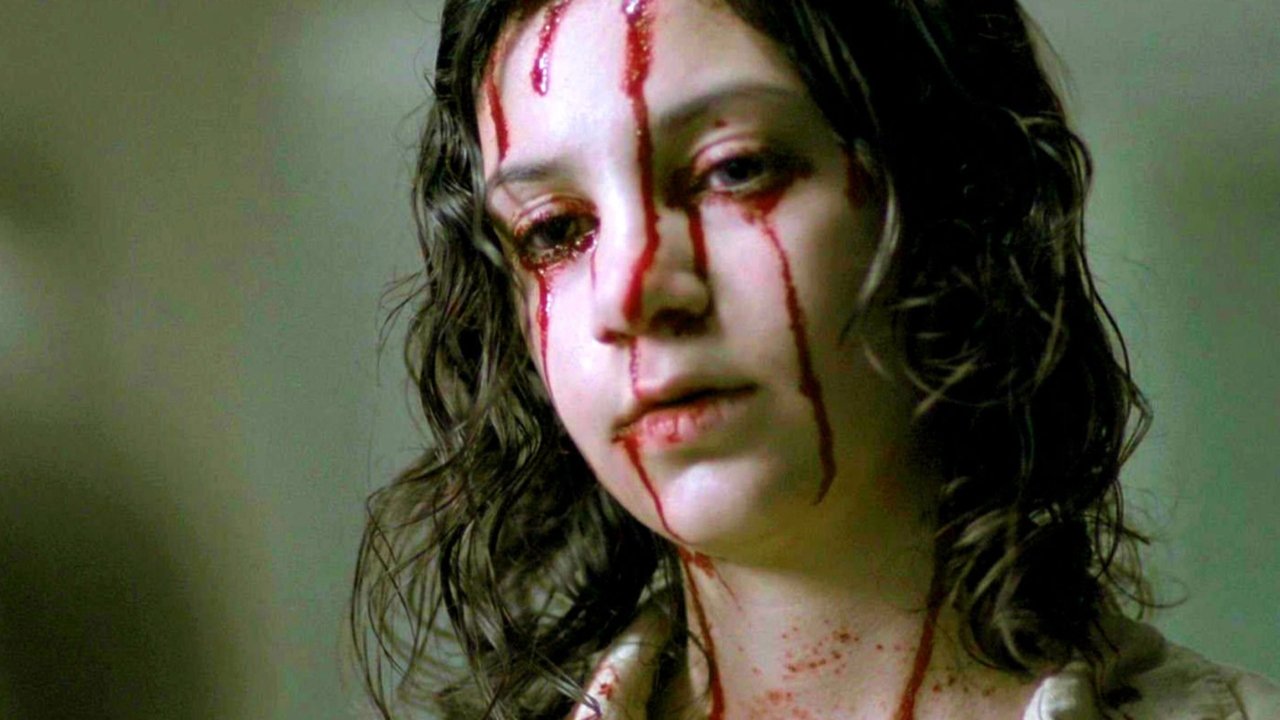
The makeup and practical effects handled the gore with a "less is more" philosophy that modern horror often forgets. When Eli’s "father" figure, Håkan (Per Ragnar), goes out to harvest blood, the clumsiness of his violence is what makes it terrifying. It’s not a slick slasher flick; it’s messy, pathetic, and deeply sad. Apparently, the production had to use a specific type of synthetic blood that wouldn't freeze instantly in the Swedish cold, giving the liquid a thick, syrup-like quality that looks disturbingly real on camera.
One of the most brilliant behind-the-scenes choices was the sound design. Eli is supposed to be an eternal creature trapped in a child’s body. To sell this, the director actually had her lines dubbed by another actress, Elif Ceylan, to give her a voice that sounds slightly "off"—not quite girl, not quite boy, and definitely not human. It’s a subtle touch that you might not even consciously notice, but it contributes to the heavy sense of "otherness" that permeates every scene she’s in.
The Dark Cycle of the Caretaker
While the film is often described as a "dark fairy tale," it’s much bleaker than that label suggests. The presence of Håkan provides a grim prophecy for Oskar’s future. We see what happens to the "right one" when they grow old. They become a servant, a shell of a human being dedicated to the survival of a predator. The American remake is perfectly fine, but it has the soul of a lukewarm TV dinner compared to the icy bite of the original.
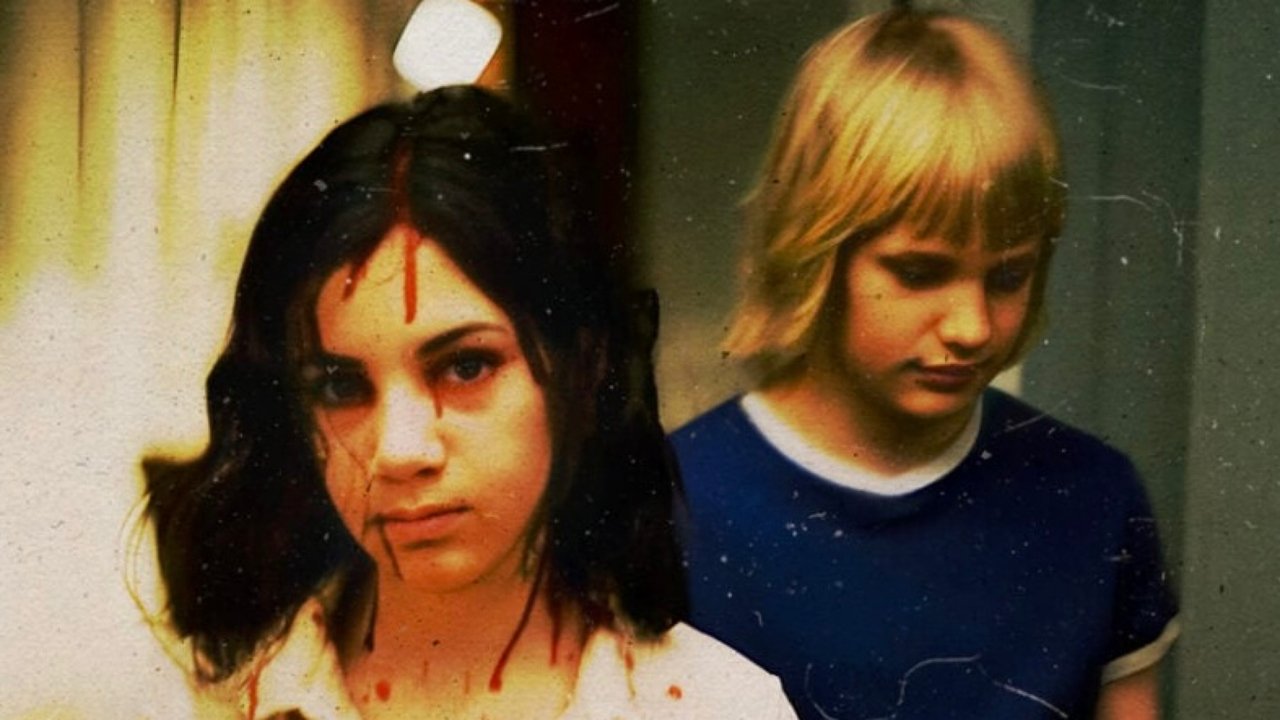
The screenplay, adapted by John Ajvide Lindqvist from his own novel, strips away the book’s more operatic horror elements (like a zombie subplot) to focus entirely on the central relationship. This restraint is what allows the film to transcend its genre. It’s a horror movie, yes, but it’s also a devastatingly honest coming-of-age story about the price of devotion.
The ending—the famous pool sequence—is a masterstroke of spatial storytelling and editing. It’s a moment of extreme violence captured with a serenity that is both beautiful and horrifying. It leaves you with a final image that is supposedly "romantic," but if you look at the subtext, it’s one of the most tragic conclusions in modern cinema.
Let the Right One In is a rare specimen: a horror film that rewards repeat viewings not for the scares, but for the layers of atmospheric detail. It captured a specific cultural moment where international indie cinema was proving it could do more with a few gallons of fake blood and a snowy courtyard than Hollywood could with a hundred million dollars. It’s a cold, haunting, and ultimately unforgettable experience that lingers long after the sun comes up.
---
Keep Exploring...
-
The Orphanage
2007
-
Audition
2000
-

The Devil's Backbone
2001
-
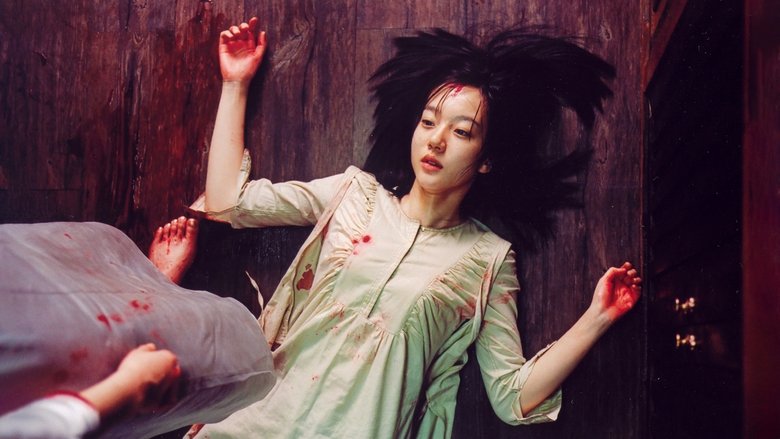
A Tale of Two Sisters
2003
-
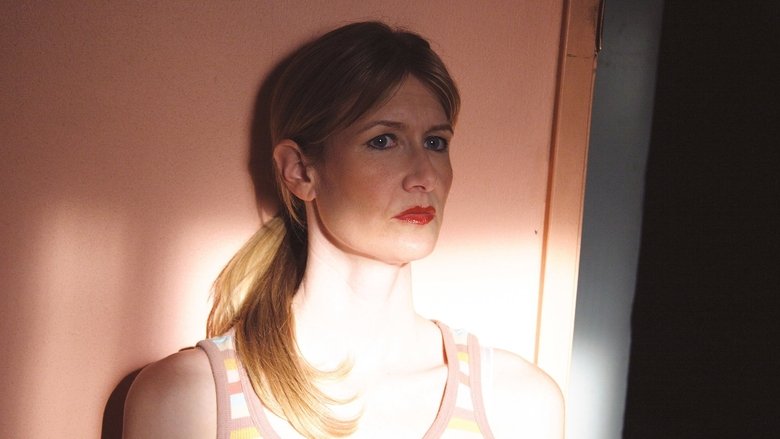
Inland Empire
2006
-
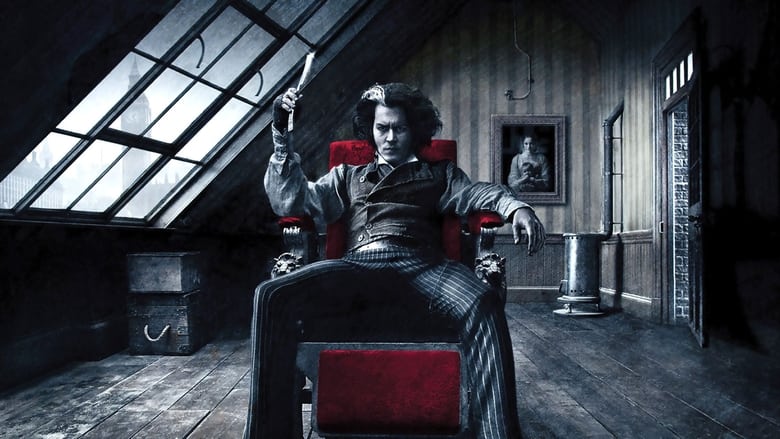
Sweeney Todd: The Demon Barber of Fleet Street
2007
-
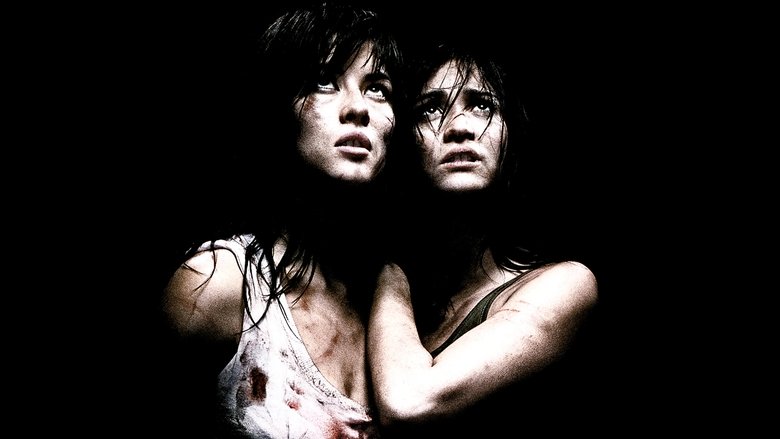
Martyrs
2008
-
Thirst
2009
-
Black Swan
2010
-
Take Shelter
2011
-
The Skin I Live In
2011
-
Elephant
2003
-
Shutter
2004
-
![[REC] backdrop](https://image.tmdb.org/t/p/w780/xfrguTH6maYiGsC8FXiQ9N3lZXw.jpg)
[REC]
2007
-
This Is England
2007
-
Felon
2008
-

Waltz with Bashir
2008
-

Blood and Bone
2009
-
Bronson
2009
-
The Secret in Their Eyes
2009