Mamma Mia!
"Overalls, Ouzo, and ABBA: The ultimate vacation on film."
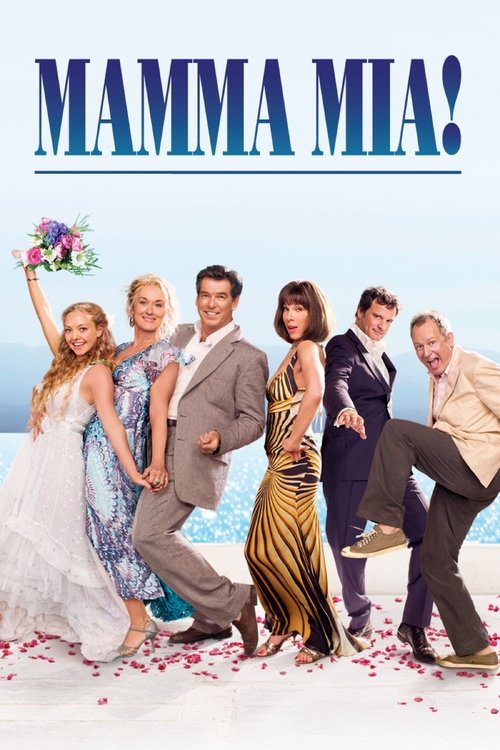
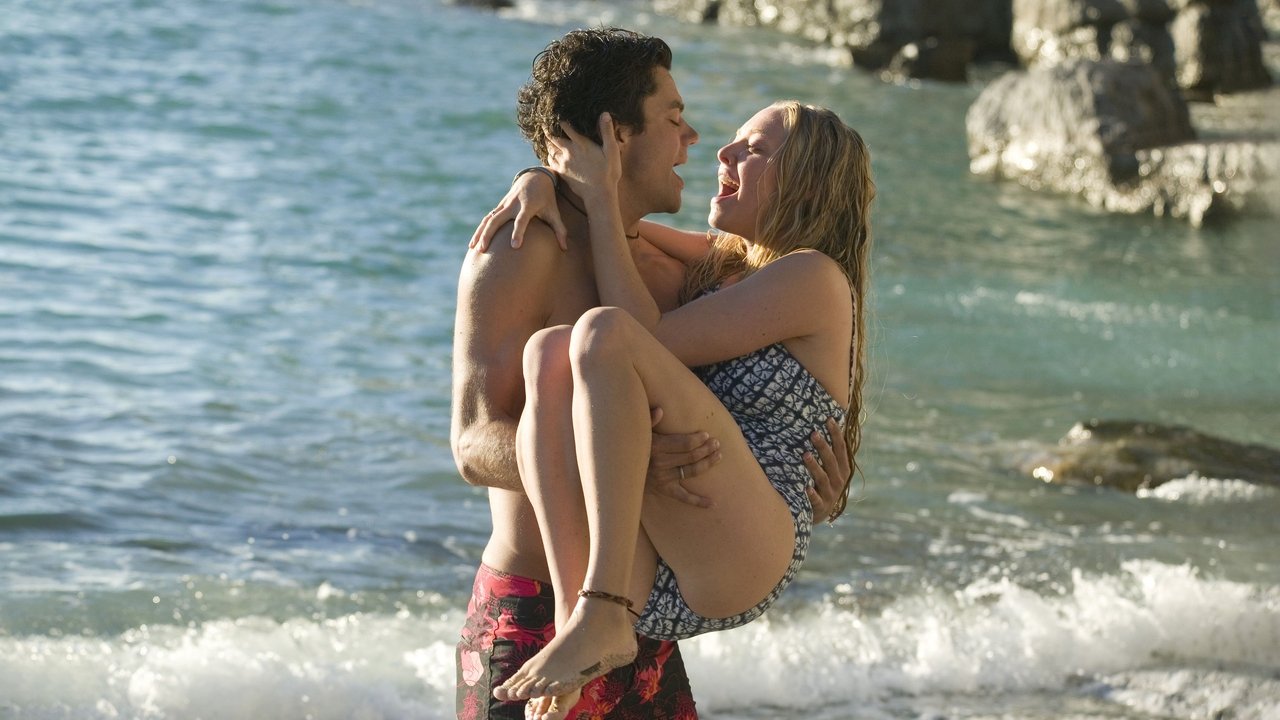
There is a specific brand of cinematic chaos that can only be achieved when you give a group of Academy Award winners three weeks on a Greek island and a limitless supply of spandex. I’m talking, of course, about Mamma Mia!, a film that feels less like a polished Hollywood production and more like the most expensive, tequila-fueled wedding video ever recorded. I remember watching this for the first time while nursing a particularly nasty sunburn, and the sheer, blinding brightness of the Aegean Sea on screen felt like it was healing my skin through the glow of the television.
It’s 2008. The "Golden Age of Television" is starting to rumble, and the MCU is just a glint in Kevin Feige’s eye. Into this landscape drops Phyllida Lloyd’s adaptation of the smash-hit stage musical, and it proceeds to do something remarkable: it makes "uncool" the coolest thing in the world.
The Audacity of Meryl in Overalls
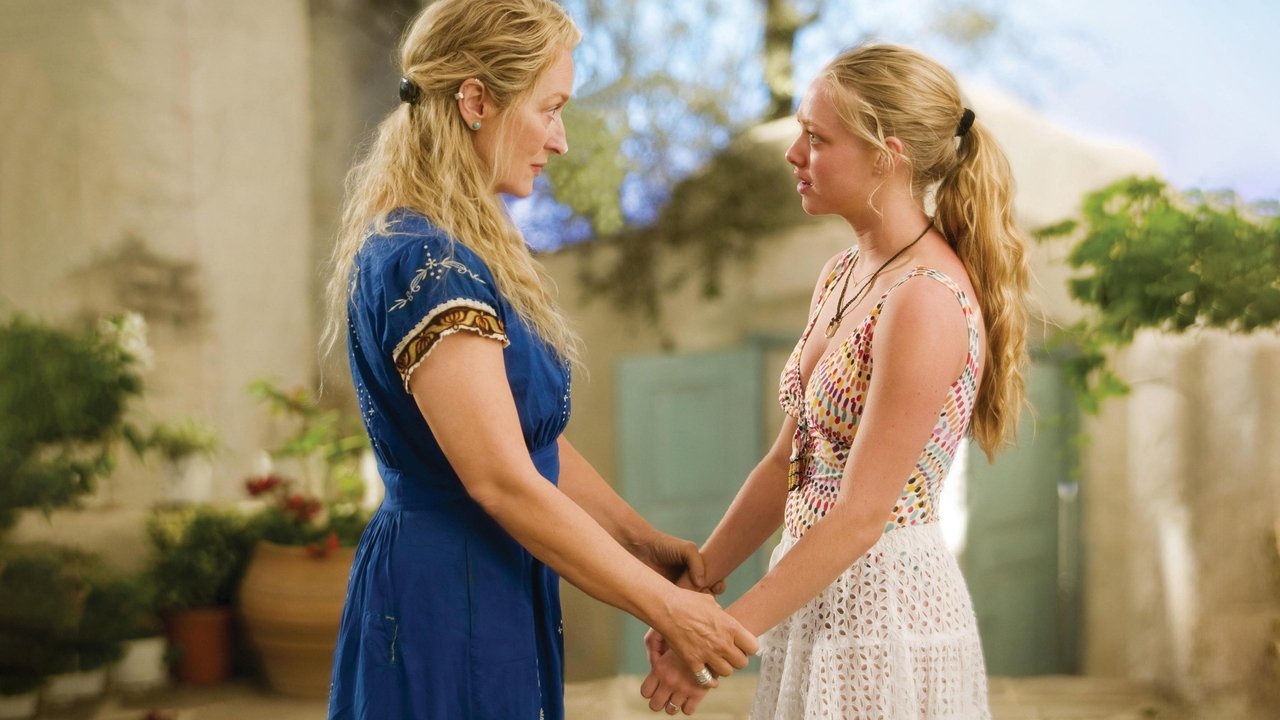
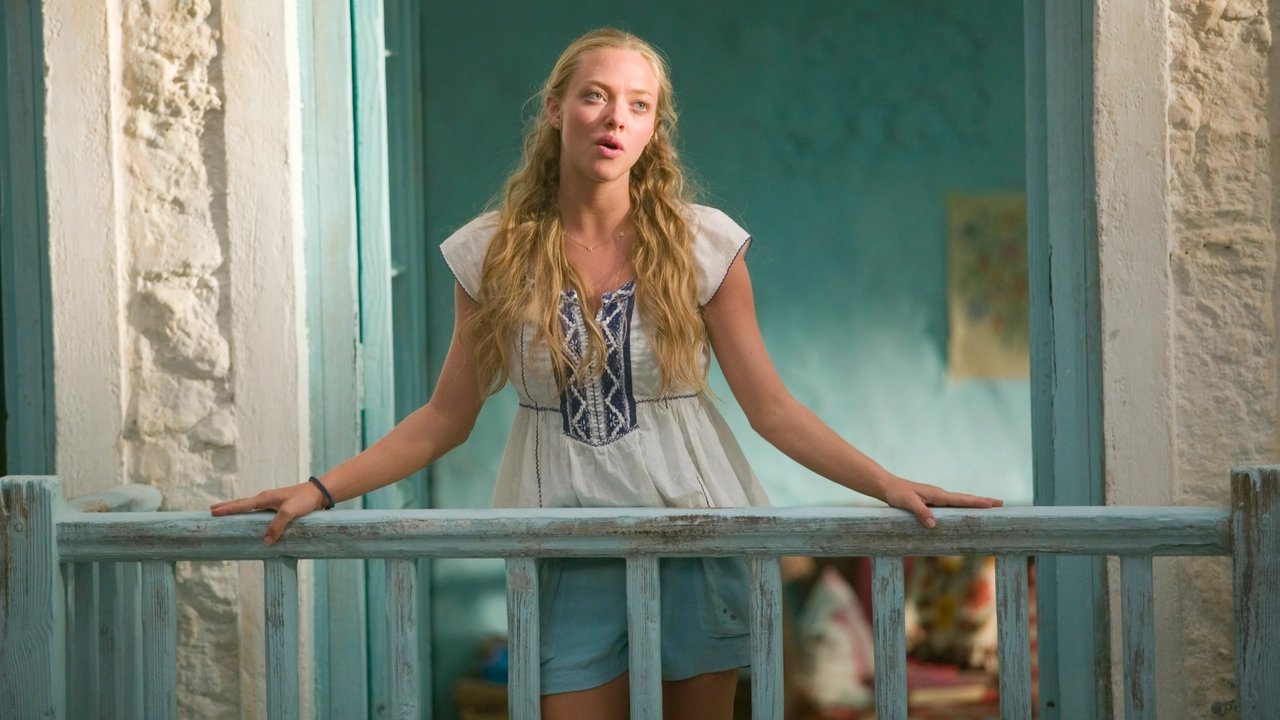
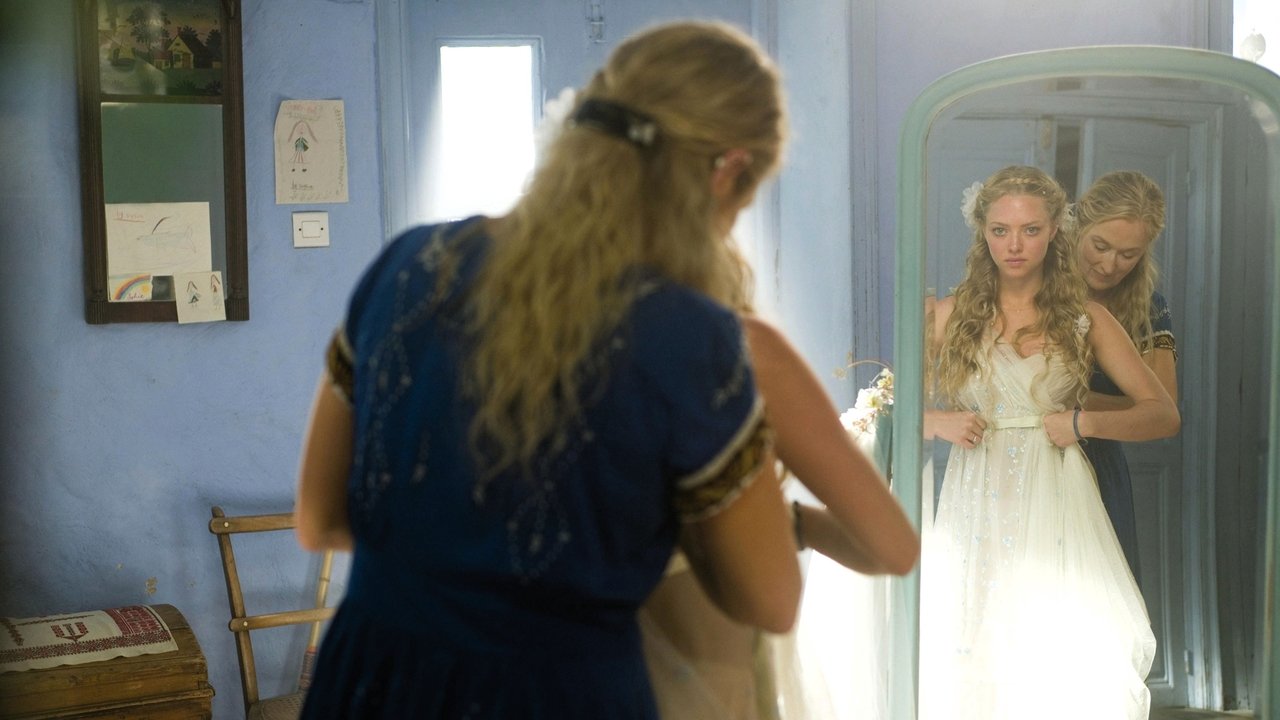
The plot is a delightfully thin excuse for a karaoke party. Amanda Seyfried (in a star-making turn as Sophie) is getting married and decides to invite three of her mother’s former flames to the island, hoping to identify her father. Her mother, Donna (Meryl Streep), is the harried owner of a crumbling villa who is decidedly not ready for a three-way blast from the past.
Let’s talk about Meryl Streep. This is a woman who, at that point, had been nominated for roughly fifteen billion Oscars for playing tragic, complex figures. Seeing her scamper across a terracotta roof in denim overalls while belting out "Mamma Mia" was a cultural reset. She isn't just "acting" happy; she is radiating a manic, joyful energy that anchors the entire film. Without her total commitment, this whole thing would have collapsed under the weight of its own glitter.
And then there are the "Dads." Pierce Brosnan, Colin Firth, and Stellan Skarsgård represent a masterclass in "checking your ego at the door." Pierce Brosnan’s singing sounds like a goat caught in a wind tunnel, but you know what? It doesn't matter. There is something profoundly endearing about watching James Bond himself look genuinely terrified before launching into a power ballad. It reminds me that movies don't always need to be technically perfect to be emotionally resonant.
A $600 Million Postcard
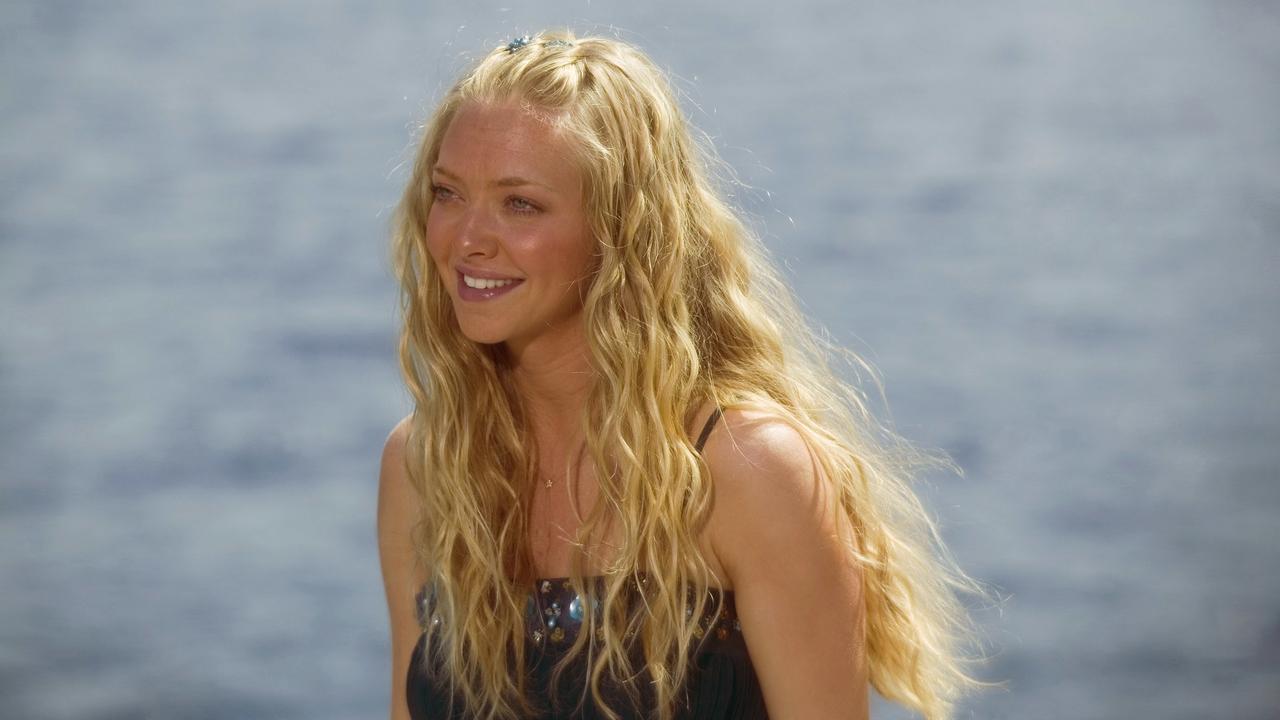
From a production standpoint, Mamma Mia! is a fascinating relic of the late 2000s. While other blockbusters were leaning heavily into early-stage digital grading (everything was starting to look teal and orange), cinematographer Haris Zambarloukos went the opposite direction. He leaned into the natural, overexposed whites and deep blues of Skopelos and Pelion. It gives the film a tactile, "you can almost smell the sea salt" quality that modern, green-screen-heavy musicals often lack.
The financial impact of this film was staggering. With a modest $52 million budget, it raked in over $609 million. To put that in perspective, it actually outgrossed the first Iron Man in the UK, becoming the highest-grossing film ever in that territory at the time. It proved that there was a massive, underserved audience hungry for "female-fronted" joyful spectacles—an insight that Hollywood is still, somehow, struggling to fully internalize today.
The "Modern Cinema" era (1990–2014) was often defined by its cynicism or its obsession with grit, but Mamma Mia! was a defiant outlier. It feels like a bridge between the classic Hollywood musicals of the 50s and the high-energy, social-media-ready aesthetics of the 2010s.
Stuff You Didn't Notice (The ABBA Lore)
If you look closely during the "Dancing Queen" sequence, you’ll spot a piano player on the dock—that’s actually Benny Andersson from ABBA. Later, during "Waterloo," Björn Ulvaeus appears as a Greek god. Having the original songwriters literally blessing the production with cameos adds a layer of authenticity that elevates it above a mere cash-grab.
Another bit of trivia that kills me: Pierce Brosnan reportedly signed onto the project without knowing what it was. He was told it was filming in Greece and starred Meryl Streep, and he supposedly said, "I’m in. I’d sign on to anything with Meryl." He didn't realize he’d have to sing "S.O.S." until later. That lack of preparation actually works in his favor; his Sam Carmichael feels like a man who is constantly being surprised by his own emotions.
The film also served as a massive boost for the Greek economy. After the release, tourism to the island of Skopelos spiked so heavily that local authorities had to figure out how to handle the "Mamma Mia" pilgrims. It’s a testament to the film’s "vibe"—it’s not just a movie; it’s an environment you want to inhabit.
Is it high art? No. Is the editing occasionally choppy? Absolutely. But Mamma Mia! succeeds because it trusts its audience to value joy over technical perfection. It’s a film about the messiness of the past and the celebration of the present, wrapped in some of the greatest pop songs ever written. It’s the ultimate "guilty pleasure" that I’ve long since stopped feeling guilty about.
Whenever I'm having a rough week, I find myself coming back to the scene where Julie Walters and Christine Baranski try to cheer up Donna. It’s a reminder that friendship is the real engine of the story. Whether you’re a die-hard ABBA fan or just someone who appreciates seeing Colin Firth in a spandex jumpsuit, this film remains a shot of pure cinematic sunshine. It doesn't ask much of you, but it gives back a whole lot of heart.
Keep Exploring...
-
Mamma Mia! Here We Go Again
2018
-

It's Complicated
2009
-
American Wedding
2003
-
How to Lose a Guy in 10 Days
2003
-
Something's Gotta Give
2003
-
Meet the Fockers
2004
-
Shall We Dance?
2004
-
Shrek 2
2004
-
Hitch
2005
-

Enchanted
2007
-
Sex and the City
2008
-
Yes Man
2008
-
The Iron Lady
2011
-

Love Actually
2003
-
Bridget Jones: The Edge of Reason
2004
-
Freaky Friday
2003
-
Lost in Translation
2003
-
Along Came Polly
2004
-
Sideways
2004
-
The Princess Diaries 2: Royal Engagement
2004