Martyrs
"Transcendence requires a total surrender of the self."
There is a specific, localized type of dread that comes with seeing the "Wild Bunch" logo appear on a DVD screen in the late 2000s. It usually meant you were about to witness something that would make you question why you enjoyed horror in the first place. I remember watching Martyrs for the first time in a studio apartment with the curtains drawn, eating a bag of slightly stale pretzel sticks. The rhythmic crunching sound in my own head felt like an unwanted foley effect for the film’s more surgical moments, and by the forty-minute mark, I had to stop eating entirely. My appetite hadn't just left; it had been surgically removed.
Pascal Laugier didn’t just write and direct a horror movie; he created a boundary-testing endurance trial that remains the crown jewel—or perhaps the jagged iron spike—of the New French Extremity movement. While Hollywood was busy perfecting the "torture porn" subgenre with increasingly convoluted Saw sequels, the French were busy weaponizing nihilism. Looking back from our current era of "elevated horror," it’s fascinating to see how Martyrs managed to be both more brutal and more philosophically profound than almost anything that has followed it.
The Architecture of Agony
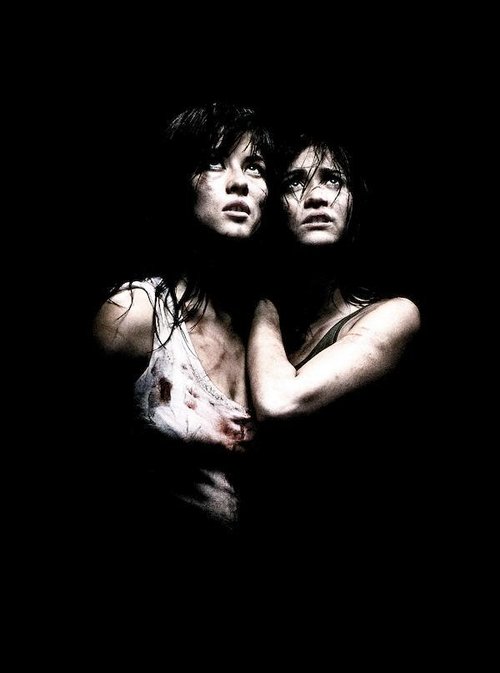
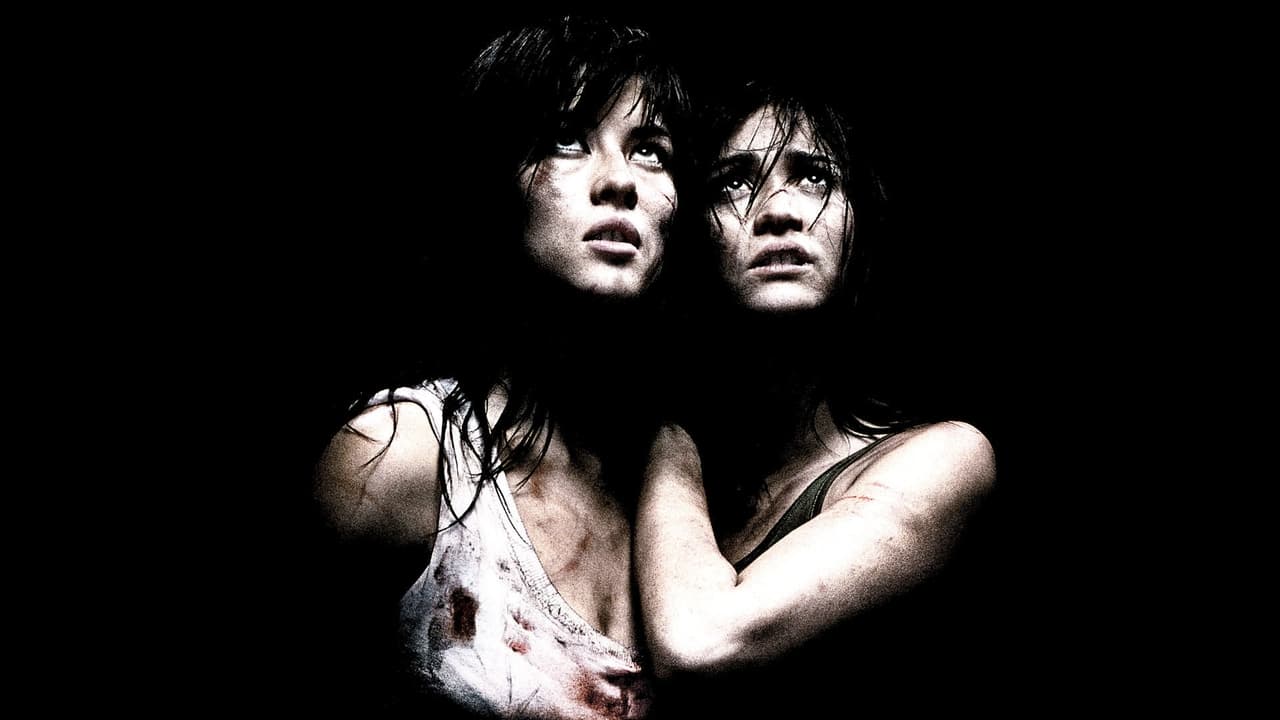
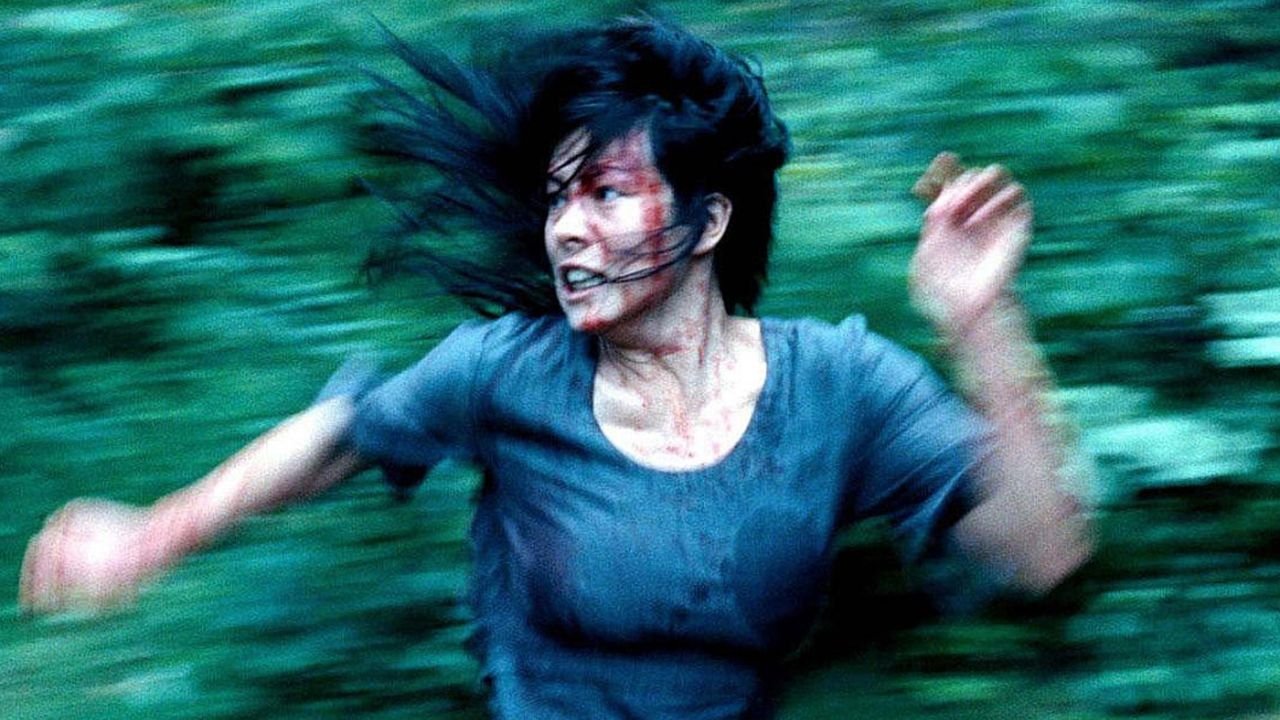
The film begins as a recognizable, if incredibly intense, home invasion revenge thriller. Lucie, played with a serrated, heartbreaking edge by Mylène Jampanoï, tracks down the family she believes kidnapped and tortured her as a child. She is joined by Anna (Morjana Alaoui), her only friend and a fellow survivor of the orphanage. For the first act, I thought I knew where the story was going. I was wrong. It makes the 'Saw' franchise look like a Saturday morning cartoon in terms of how it handles the weight of violence.
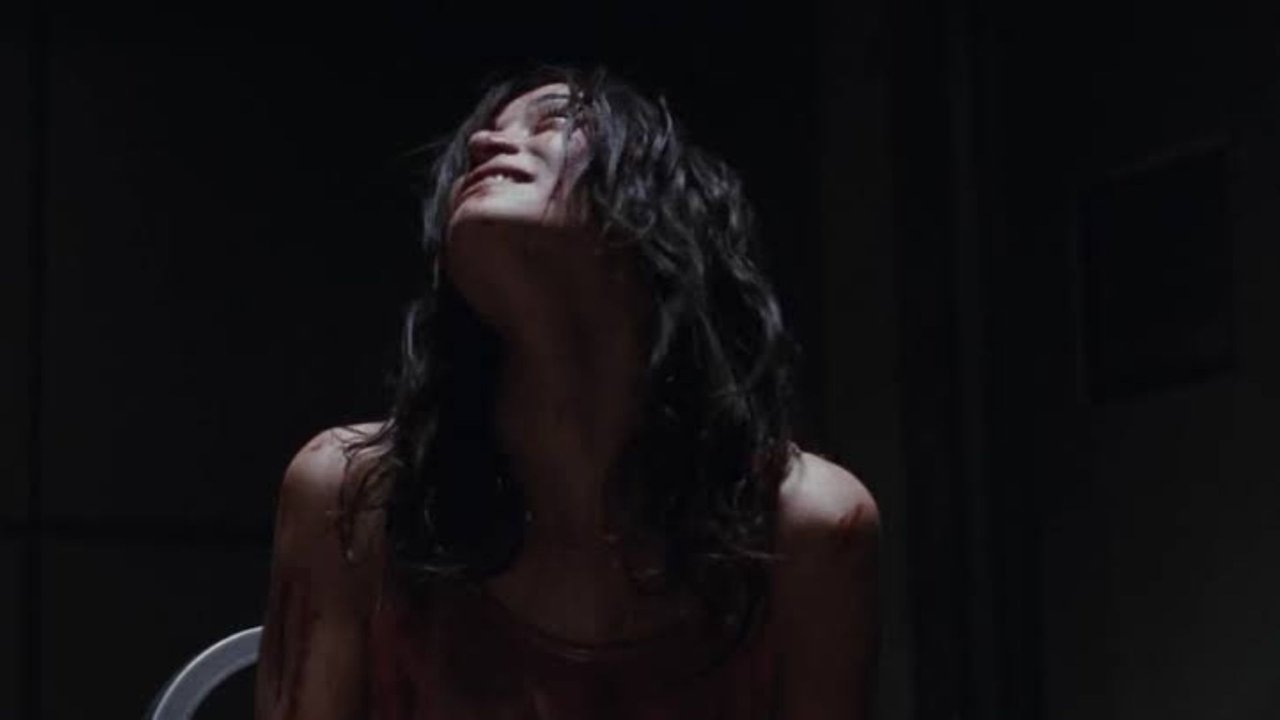
Laugier’s screenplay pulls a daring bait-and-switch. Just as we think we’ve reached the climax of a revenge story, the film descends into a clinical, rhythmic hellscape. The transition from the chaotic, blood-splattered halls of the family home to the cold, metallic underground of the second half is one of the most jarring shifts in cinema. Nathalie Moliavko-Visotzky’s cinematography shifts from handheld panic to static, unblinking observation. It’s here that the film earns its title, moving away from "shocks" and into a study of systematic dehumanization.
The Cult of the Unseen
Martyrs didn't just slide into the cultural consciousness; it broke the door down and then got banned. When it was first submitted to the French Classification Commission, it was slapped with a rare 18+ rating (essentially an NC-17), which is usually reserved for hardcore pornography. The filmmakers had to fight a literal legal battle to get it lowered so it could even be shown in theaters.
The film’s cult status was cemented not by box office numbers—it was a commercial ghost upon release—but by the burgeoning DVD culture of the time. This was the era when horror fans traded titles like forbidden texts on message boards. We didn't just "watch" Martyrs; we survived it and then dared our friends to do the same.
The behind-the-scenes stories are just as heavy as the film itself. Pascal Laugier has admitted he wrote the script during a period of clinical depression, and that bleakness is baked into every frame. Tragically, the film also marks the final work of legendary makeup effects artist Benoît Lestang, who took his own life shortly before the film’s release. His work here is flawless, particularly in the final "transcendence" sequence, which relies on practical effects that still look more terrifyingly real than any modern CGI.
Why It Still Scars
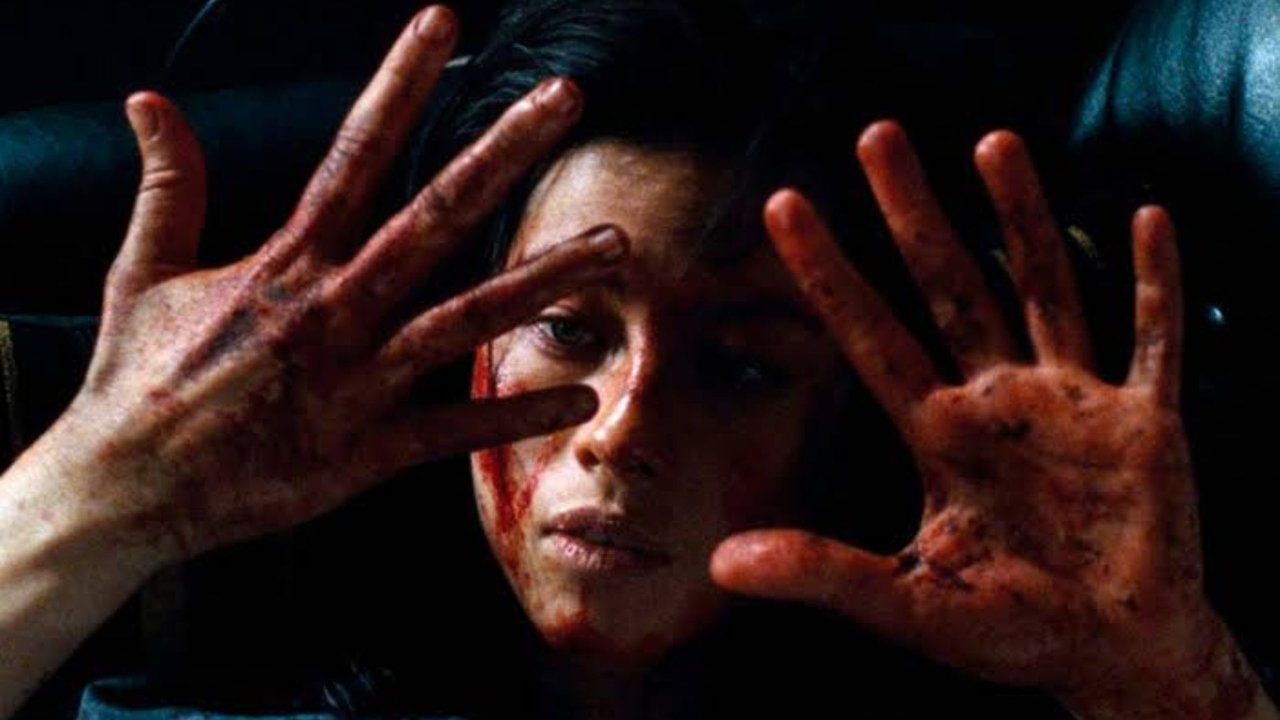
What separates this from mere exploitation is the performance of Morjana Alaoui. As Anna, she undergoes a physical and emotional transformation that I find difficult to watch even on my third viewing. There is a sense of genuine, exhausting labor in her performance. The film’s philosophical turn—the idea that secret societies are searching for proof of the afterlife through the systematic application of pain—elevates the gore into something existential.
It’s a film that demands you look at the screen when everything in your nervous system is telling you to look away. The American remake is a cinematic war crime that should be scrubbed from history, precisely because it lacked the courage to stick to Laugier’s uncompromising ending. In the original, there are no easy answers, no last-minute rescues, and no comfort.
I don't "recommend" Martyrs to people lightly. It is a masterpiece of the genre, but it is a film that leaves a mark on your psyche. It captures that specific post-9/11 anxiety where the world felt like it was losing its grip on morality, and it pushed that feeling to its logical, terrifying conclusion. If you have the stomach for it, it’s a profound experience. Just maybe skip the snacks while you watch.

Keep Exploring...
-
The Skin I Live In
2011
-
Ghostland
2018
-
Funny Games
1997
-
Inland Empire
2006
-
Thirst
2009
-
Black Swan
2010
-
Take Shelter
2011
-

A History of Violence
2005
-
The Skeleton Key
2005
-
Antichrist
2009
-
Stoker
2013
-
The Orphanage
2007
-
21 Grams
2003
-
Dogville
2003
-
The Machinist
2004
-

Match Point
2005
-
Lucky Number Slevin
2006
-
The Illusionist
2006
-
The Hurt Locker
2008
-
The Wave
2008