Mesrine: Killer Instinct
"The man of a thousand faces and a million bullets."
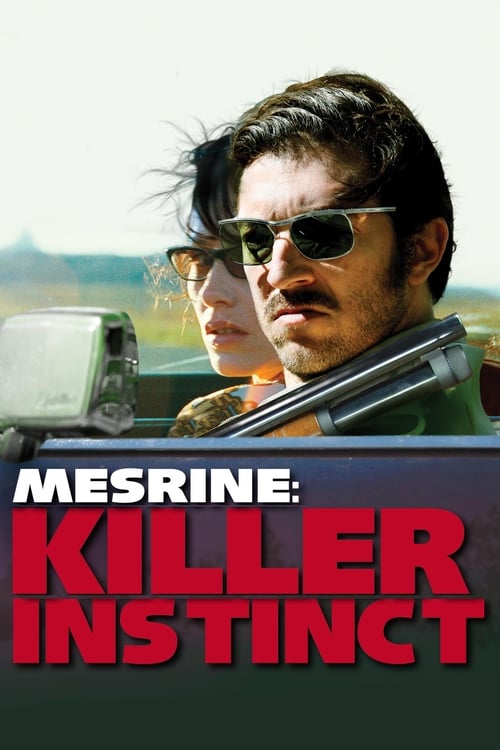
Jacques Mesrine’s face is a topography of bad decisions and high-testosterone charisma, and the first time we see it in Killer Instinct, it’s being fragmented by a 1970s-style split-screen. It’s a deliberate nod to the era of the French "polar"—those moody, cigarette-stained crime thrillers of Jean-Pierre Melville—but the energy is purely late-2000s. While Hollywood was busy figuring out how many lens flares J.J. Abrams could fit into a single frame, director Jean-François Richet was in France, figuring out how to make a heist feel like a panic attack.
I first watched this on a scratched DVD I found in a bargain bin at a closing Blockbuster, and I remember my cat, Pierre, knocked over a lukewarm glass of water right during the first bank robbery. I didn't even move to clean it up. I was too busy watching Vincent Cassel transform from a hollowed-out soldier back from the Algerian War into a man who treated the French legal system like a personal challenge.
The Brutal Weight of Practicality
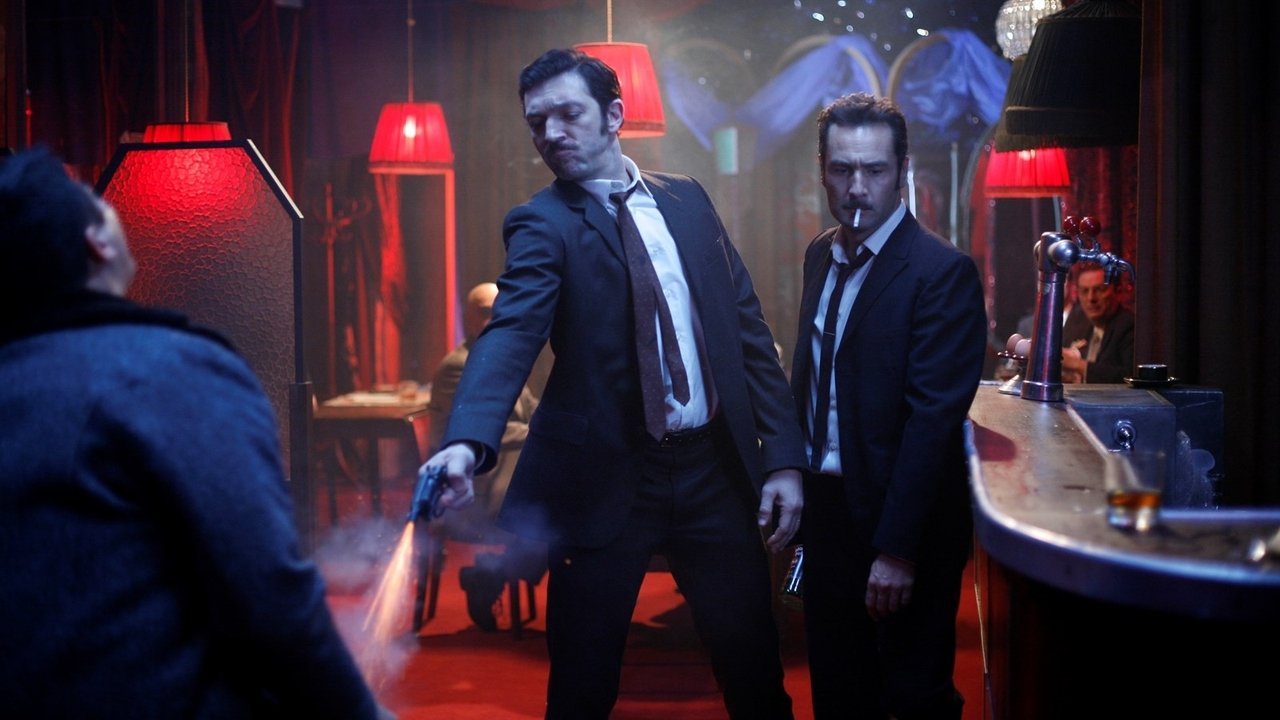
There is a distinct lack of digital "safety" in Killer Instinct. This was 2008, the same year The Dark Knight was redefining the "gritty" blockbuster, but where Nolan used a massive budget to make Chicago look like a comic book, Richet uses his $25 million to make 1960s Paris look lived-in, dirty, and dangerous. The action choreography isn't about flashy martial arts; it’s about the sheer, clumsy violence of a man who isn't afraid to die.
When Mesrine and his partner-in-crime/lover Jeanne Schneider (Cécile de France) are on the run, the stunts feel heavy. You can feel the weight of the steel in the cars and the impact of the lead in the air. There’s a scene involving a prison break in Canada that stands as one of the most stressful sequences in 2000s cinema. It’s shot with a clarity that bypasses the "shaky cam" trend of the Bourne era, opting instead for a mounting dread that makes your palms itch. The action sequences here are less about spectacle and more about the consequences of being a cornered animal.
A Monster With Main Character Energy
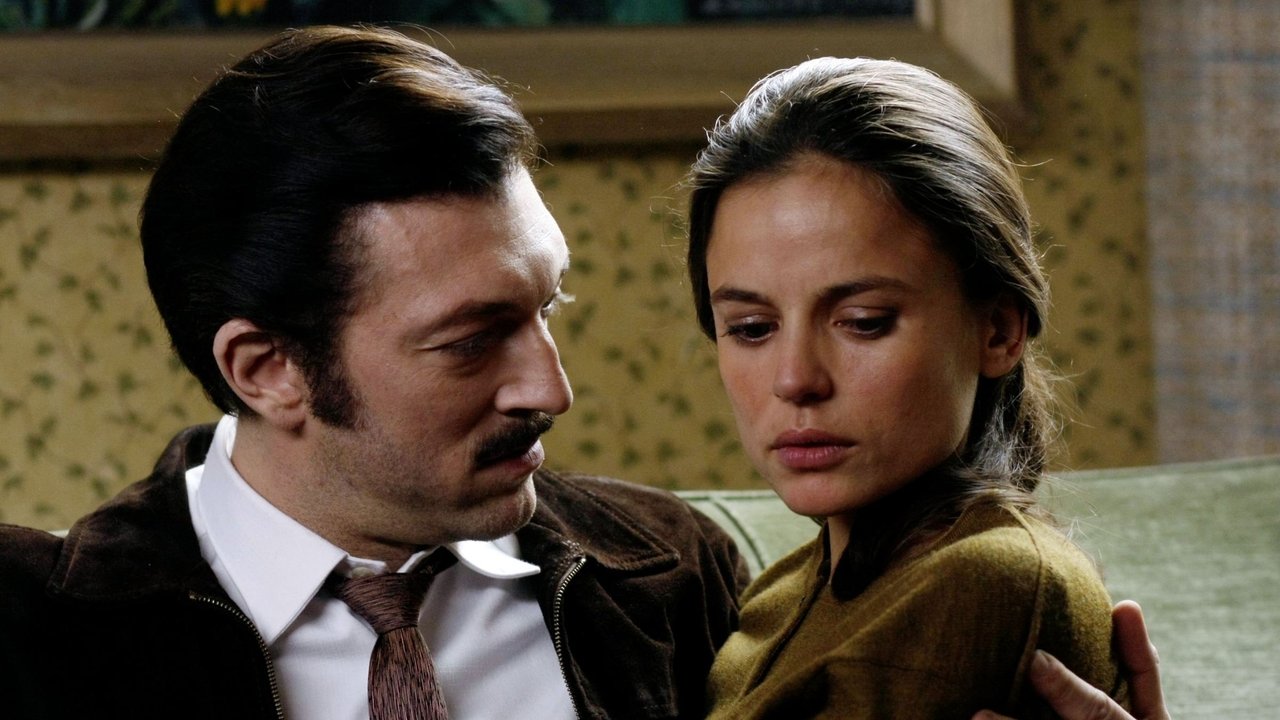
Vincent Cassel has always been one of those actors who looks like he’s about to either kiss you or headbutt you, and as Mesrine, he does plenty of both. He managed to put on about 45 pounds for the role, shooting the film’s two parts in reverse order so he could lose the weight as the production went on. It’s a physical commitment that pays off; he starts the film looking like a wiry street thug and ends it as a bloated, self-important folk hero.
Beside him, Gérard Depardieu shows up as Guido, the underworld mentor. This was back when Depardieu was still putting in the work, and he plays Guido with a quiet, menacing stillness that acts as a perfect counterweight to Cassel’s kinetic explosions. Then there’s Cécile de France, who takes what could have been a "gangster’s moll" trope and turns it into a Bonnie-and-Clyde partnership that feels genuinely volatile.
The film doesn't try to make Mesrine a saint. It shows his vanity, his sudden bursts of domestic violence, and his absolute refusal to live a quiet life. Biopics usually suck because they try to make the monster relatable, but this one just lets the monster breathe. It understands that Mesrine didn't rob banks because he was poor; he robbed them because he was bored by the middle class.
The Lost Era of the Grown-Up Epic
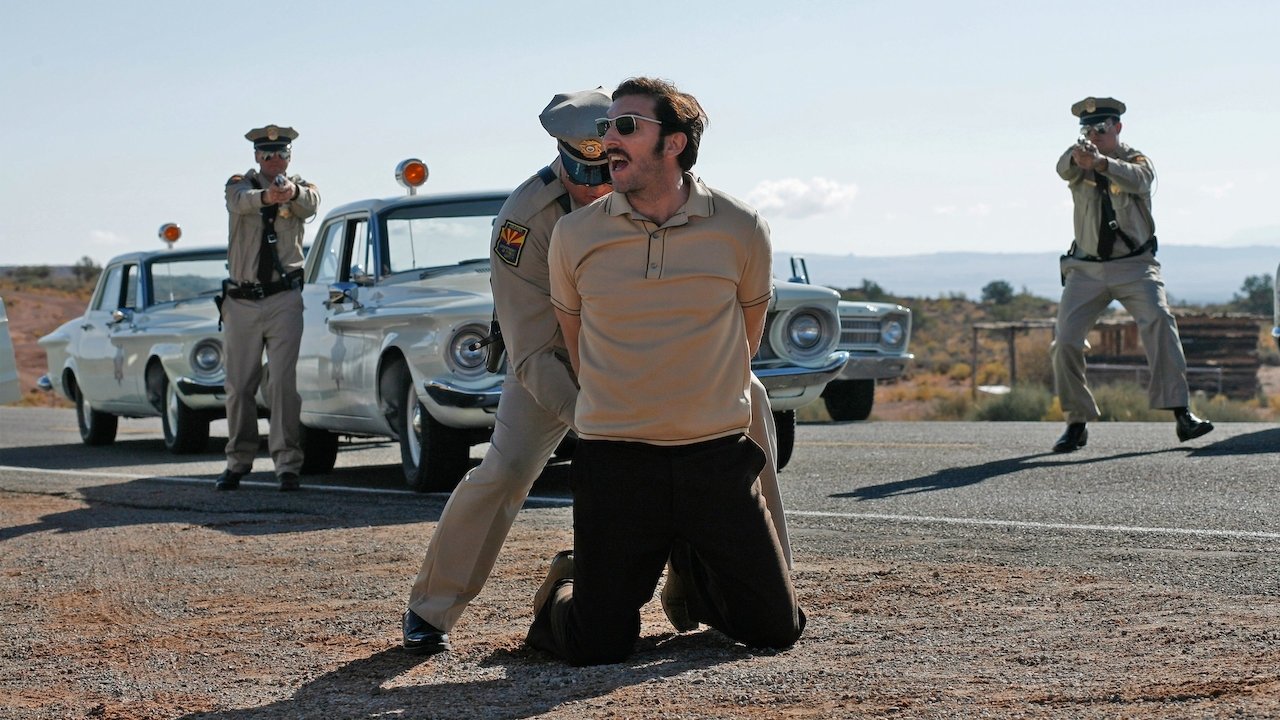
Looking back at 2008, Mesrine: Killer Instinct represents a specific moment in the "Modern Cinema" transition. It’s a film made before the MCU's total dominance, back when mid-budget international epics could still command a massive audience. It’s part of that "DVD culture" boom where films like City of God or Downfall became hits through word-of-mouth and high-quality home releases.
The score by Marco Beltrami—who you might know from Scream (1996) or 3:10 to Yuma (2007)—punctuates the film with a drive that never lets it settle into a dry history lesson. It’s a film about a man who viewed his life as a movie, and the production treats his delusions with the appropriate scale. Apparently, the production was so massive that they shot both this and the sequel, Public Enemy No. 1, simultaneously over nine months. You can see every day of that long shoot in the exhaustion on Cassel’s face by the final act.
If you’ve missed this one because it’s subtitled or tucked away in the "International" section of your streaming app, do yourself a favor and find the 5-minute window to start it. Just make sure your water glass is far away from your cat.
Killer Instinct is the rare crime biopic that understands tone is more important than a chronological checklist of events. It’s a sweaty, high-stakes character study that treats its protagonist like a force of nature—unpredictable, occasionally terrifying, and impossible to look away from. It’s the kind of gritty, adult-oriented filmmaking that feels increasingly rare in the current landscape of sanitized franchise building.
Keep Exploring...
-
Mesrine: Public Enemy #1
2008
-
The Protector
2005
-
Undisputed II: Last Man Standing
2006
-

United 93
2006
-
Batman: Year One
2011
-
Bound by Honor
1993
-
Infernal Affairs
2002
-
Tell No One
2006
-
Running Scared
2006
-
Death Sentence
2007
-
Street Kings
2008
-
Harry Brown
2009
-

Get the Gringo
2012
-
Felon
2008
-

Blood and Bone
2009
-
Undisputed III: Redemption
2010
-

The Dark Knight Rises
2012
-
Assault on Precinct 13
2005
-
Before the Devil Knows You're Dead
2007
-
Cell 211
2009