Mesrine: Public Enemy #1
"The man who turned crime into a press conference."

I first encountered Jacques Mesrine not in a history book, but on a scratched DVD I picked up for three dollars during the great Blockbuster liquidation of 2010. I watched it in a cramped apartment on a laptop with a dying battery, sitting on a pile of unfolded laundry because I hadn't bought a sofa yet. I didn't expect much from a French biopic, but by the time the credits rolled on Mesrine: Public Enemy #1, I felt like I’d been through a car crusher.
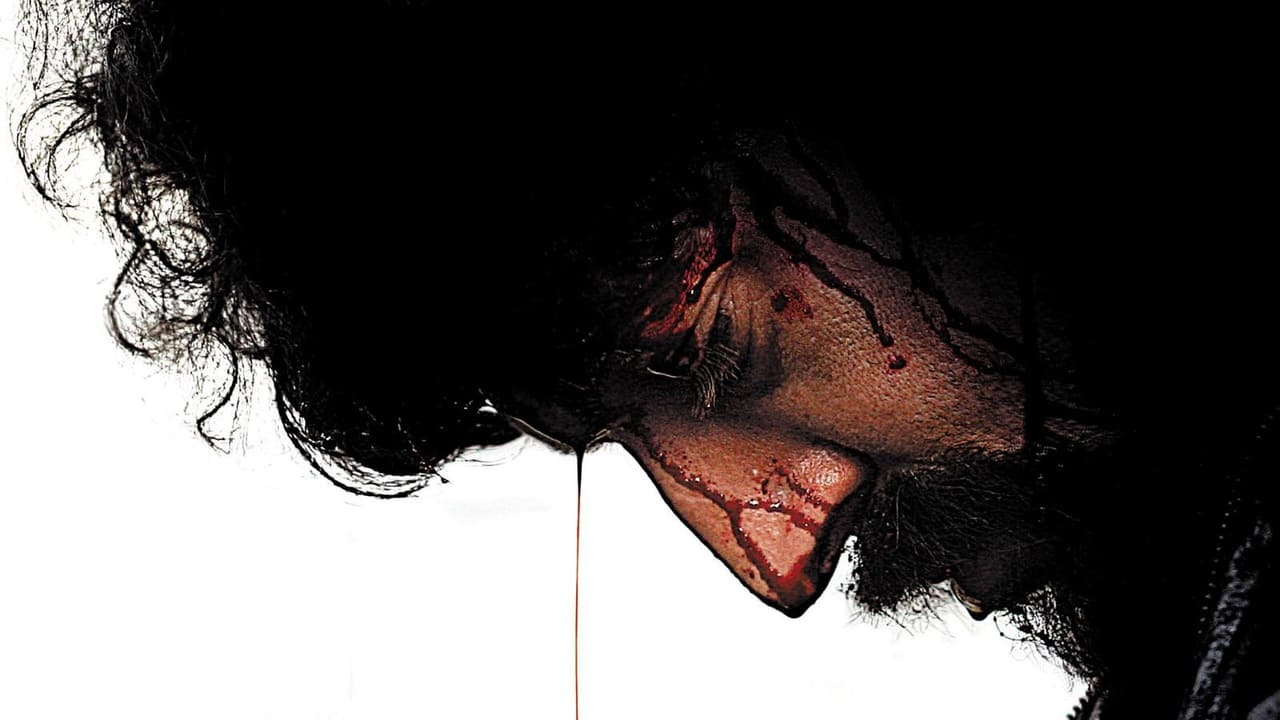
This film is the second half of a massive, four-hour diptych, but it functions perfectly as a standalone descent into the madness of a man who was as addicted to camera flashes as he was to bank vaults. While the first film, Killer Instinct, charts his rise, Public Enemy #1 is about the rot of celebrity. It’s a gritty, rain-slicked piece of 2000s cinema that captures that specific post-9/11 anxiety where the line between "freedom fighter" and "terrorist" was being blurred daily in the news.
The Man of a Thousand Disguises (and Twice the Ego)
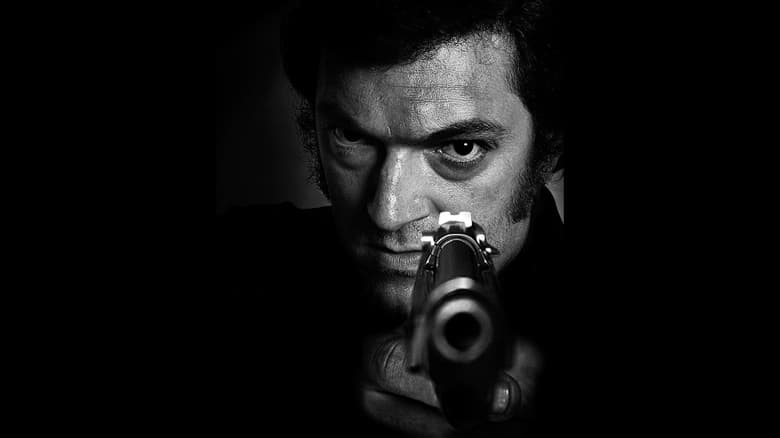
Vincent Cassel doesn't just play Mesrine; he inhabits him with a physicality that is frankly unsettling. We’re used to seeing Cassel as the slick, wiry presence in films like Ocean's Twelve (2004), but here he undergoes a transformation that rivals the best of the era’s "prestige" acting. He gained nearly 45 pounds to play the older, bloated Mesrine, and you can feel the weight in the way he walks—a heavy, entitlement-filled stomp that says he owns every sidewalk in Paris.
What makes this performance work is that Cassel refuses to make Mesrine likable. He’s charismatic, sure, but he’s also a narcissist who uses political rhetoric to justify his own adrenaline addiction. Mesrine’s revolutionary politics were just a thin coat of paint on a classic narcissist’s garage. He’s joined by Mathieu Amalric (the villain from Quantum of Solace) as François Besse, a fellow prisoner whose quiet, disciplined professionalism acts as the perfect foil to Mesrine’s loud-mouthed chaos. Watching them plan a prison break is like watching a watchmaker try to collaborate with a sledgehammer.
Practical Chaos and 70s Grit
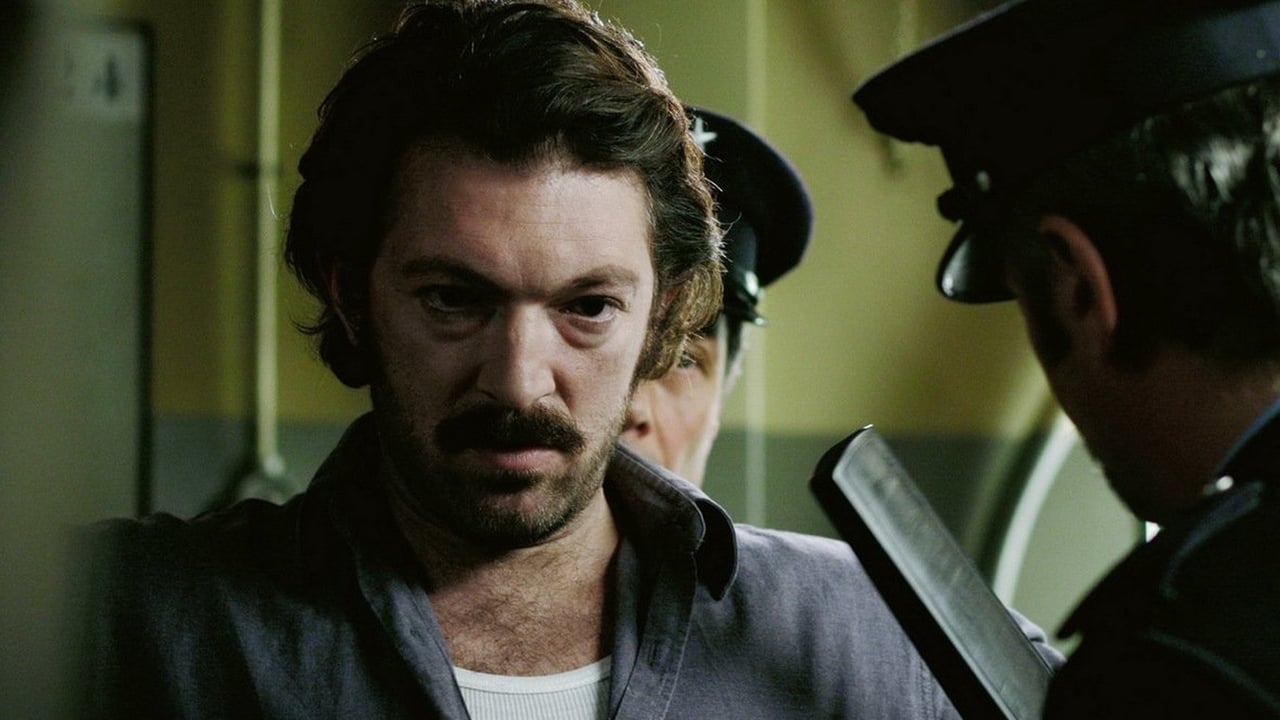
Director Jean-François Richet and cinematographer Robert Gantz opted for a visual style that feels like a love letter to the 1970s "New Hollywood" aesthetic, but polished with the high-octane energy of the late 2000s. There’s no glossy CGI here. When cars flip, they crunch with a sickening, metallic finality. The shootouts don't sound like the stylized "pew-pew" of a Marvel flick; they sound like thunderclaps in a small room. The sound design is so immediate that I found myself flinching every time a window shattered.
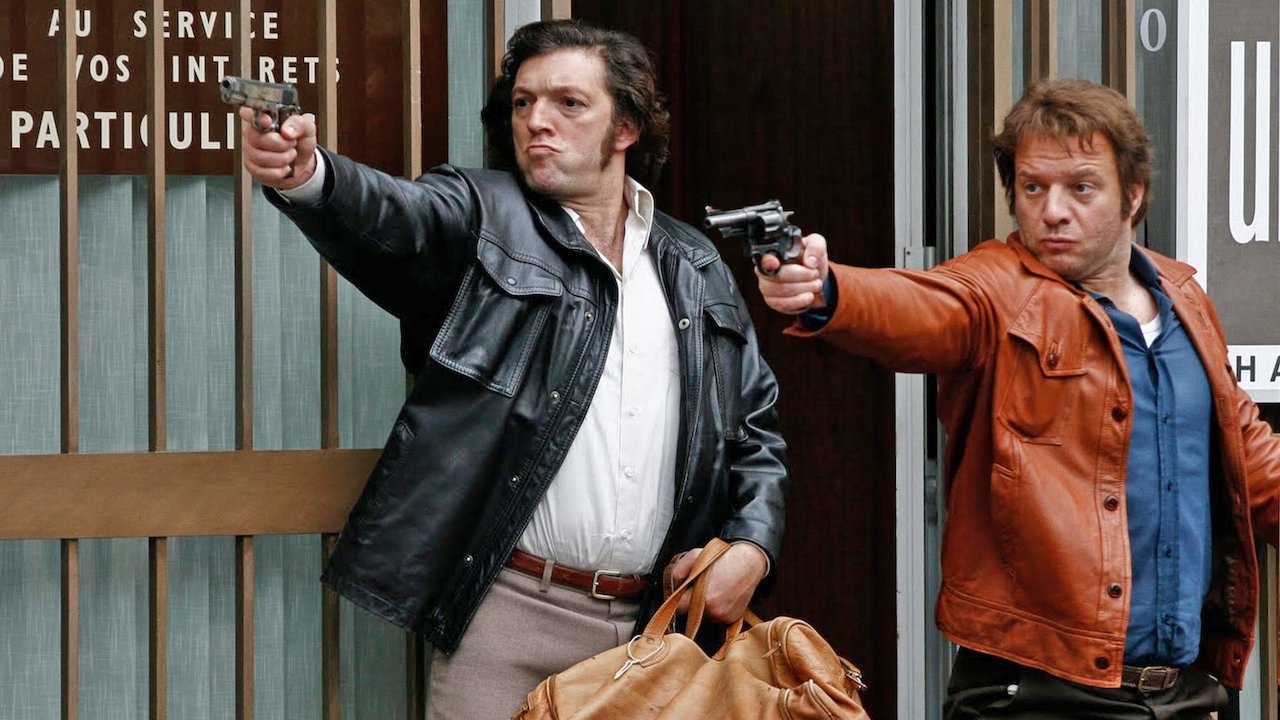
The action is staged with a brutal clarity. There is a sequence involving a courthouse escape that is a masterpiece of tension and pacing. It’s not about "cool" stunts; it’s about the frantic, sweaty reality of trying to outrun a city that is closing in on you. The film manages to make bank robbery look as stressful as filing taxes in a hurricane. It captures that 2008-era obsession with "realism" that followed the Bourne trilogy, but without the nauseating shaky-cam that ruined so many other films of the time.
The Curse of the Two-Parter
It’s a bit of a tragedy that this film has slipped into the "obscure" category for English-speaking audiences. Part of that is the sheer ambition of the project. Producer Thomas Langmann spent seven years trying to get this made, and the decision to split it into two films—while artistically sound—made it a hard sell for international distributors. It’s a "foreign film" that’s also a "sequel," which is a death knell for traditional marketing.
Furthermore, it was released right as the "prestige biopic" market was becoming oversaturated. Yet, looking back, it holds up better than almost any of its contemporaries. It’s a film that understands the DVD culture of its birth—the kind of movie you want to watch with the "Behind the Scenes" features turned on to see how they pulled off the prison escapes. Interestingly, the real Commissioner Broussard (Olivier Gourmet) actually served as a consultant on the film, providing a bizarre layer of authenticity to the man who eventually orchestrated Mesrine’s end.
The film serves as a grim reminder of a time when we still made mid-budget, adult-oriented crime epics that didn't need to set up a cinematic universe. It’s just a raw, bleeding portrait of a man who believed his own press releases until the very end.
Mesrine: Public Enemy #1 is a staggering achievement in the crime genre, anchored by a career-best performance from Vincent Cassel. It’s a dark, intense, and unyielding look at the cost of notoriety. If you’ve ever felt that modern crime films are a bit too sanitized, this is the antidote. It’s loud, it’s ugly, and it’s utterly impossible to look away from. Just make sure you have a comfortable sofa before you start—unlike 2010 me, you’re going to want to stay settled for this one.
Keep Exploring...
-
Mesrine: Killer Instinct
2008
-
The Protector
2005
-
Undisputed II: Last Man Standing
2006
-
United 93
2006
-
Batman: Year One
2011
-
Bound by Honor
1993
-
Infernal Affairs
2002
-
Running Scared
2006
-
Death Sentence
2007
-
Street Kings
2008
-
Harry Brown
2009
-

Get the Gringo
2012
-
Felon
2008
-

Blood and Bone
2009
-

Undisputed III: Redemption
2010
-

The Dark Knight Rises
2012
-
Assault on Precinct 13
2005
-
Tell No One
2006
-
Before the Devil Knows You're Dead
2007
-
Cell 211
2009