Milk
"Before the world changed, he changed the neighborhood."
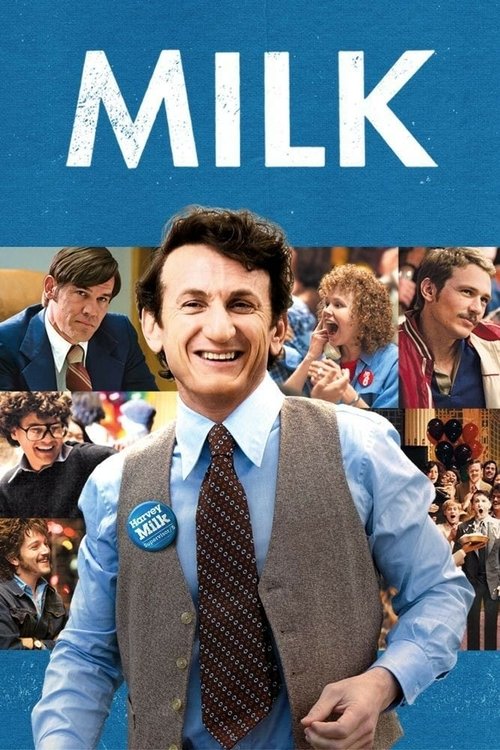
I remember exactly where I was when I first watched Milk. I was sitting in a drafty indie theater in Portland, nursing a lukewarm cider and accidentally dropping a green grape into my left sneaker, where it remained, squashed and sticky, for the entire two-hour runtime. Strangely, that little bit of physical discomfort kept me grounded in a movie that otherwise feels like it’s floating through a hazy, golden-hued dream of 1970s San Francisco.
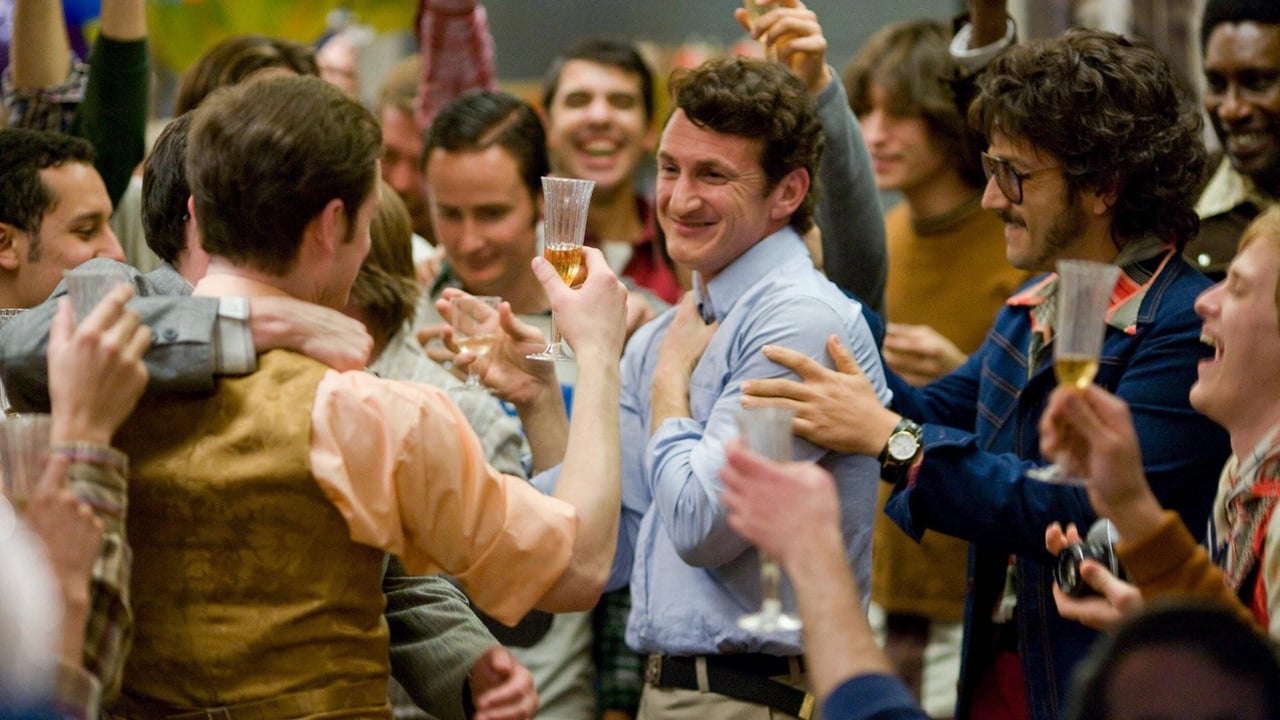
Watching it again recently, I realized that Milk occupies a very specific spot in the "Modern Cinema" timeline. Released in 2008, it arrived right as the polished, digital sheen of the 2010s was starting to take over, yet director Gus Van Sant (who I still think did his best work with the gritty My Own Private Idaho) decided to look backward. He teamed up with cinematographer Harris Savides to make the film look like it was pulled directly out of a shoebox found in a Castro Street basement. It’s grainy, it’s textured, and it feels remarkably human in an era where biopics were starting to feel like sleek, corporate products.
The Mayor of Castro Street
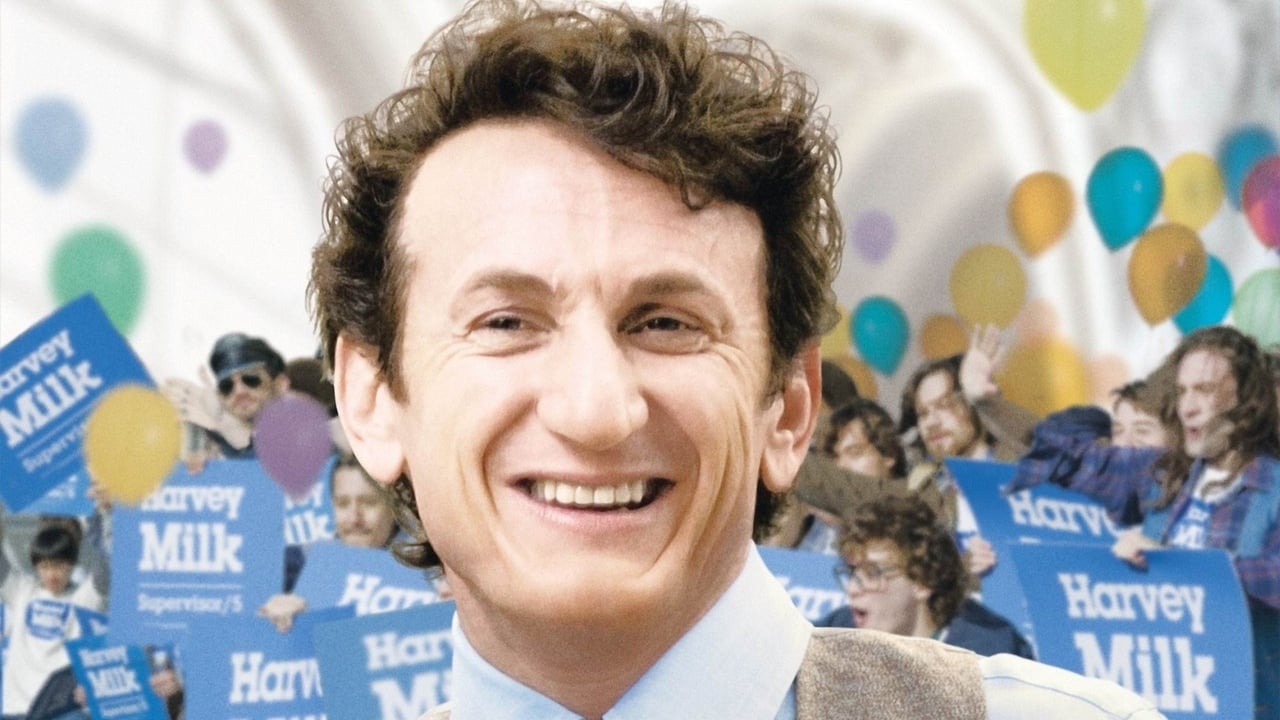
The film doesn’t waste time with a "birth-to-death" slog. We meet Harvey Milk on his 40th birthday, staring at a mirror and realizing he hasn't done a damn thing with his life yet. Sean Penn is, quite frankly, a revelation here. I’ve always found Penn to be a bit of a "heavy" actor—someone who carries the weight of the world in every furrowed brow (think Mystic River). But here? He’s light. He flirts, he giggles, and he uses a megaphoned charisma that feels entirely authentic. He managed to capture the specific cadence of a man who knew he was running out of time.
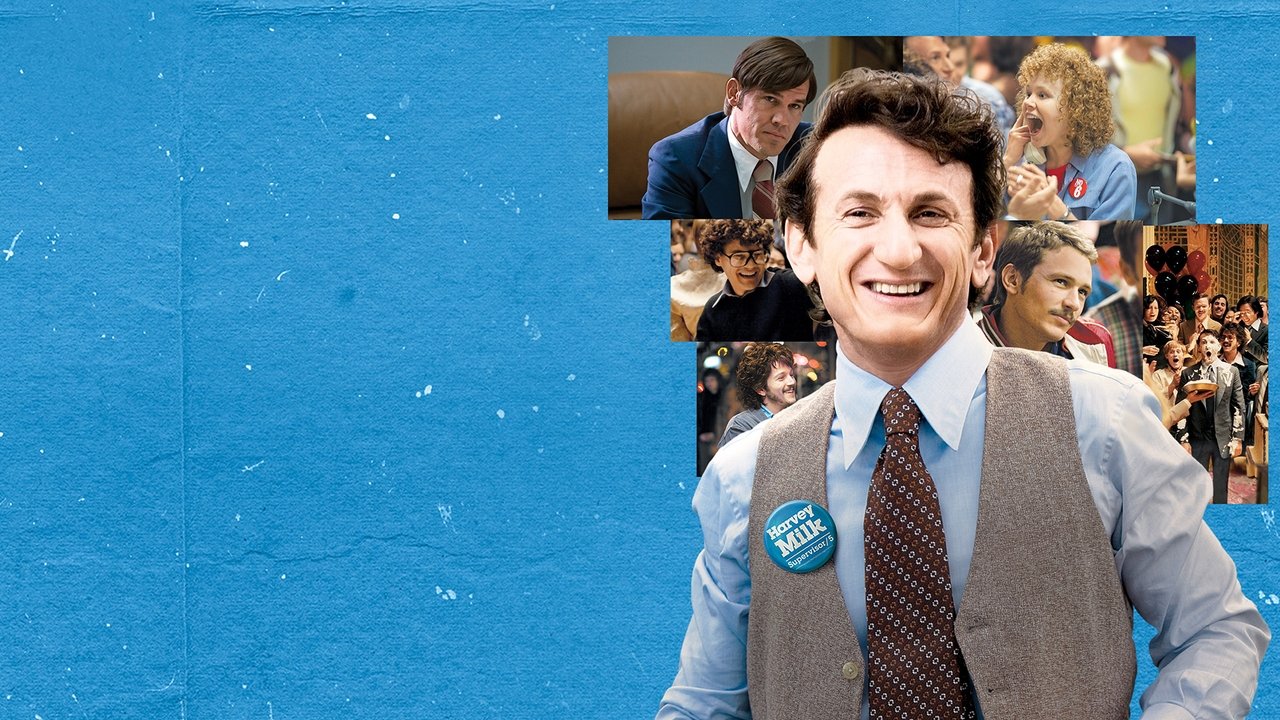
It’s easy to forget that back in 2008, seeing James Franco play Harvey’s partner, Scott Smith, felt like a major "against-type" moment. Before he became a professional enigma, Franco was actually a very grounded romantic lead. Their chemistry is the heartbeat of the first act, showing us that the fight for civil rights wasn't just happening in city halls—it was happening over breakfast tables and in the back of camera shops.
The Banality of Dan White
If Sean Penn is the light, Josh Brolin is the encroaching shadow. Fresh off his resurgence in No Country for Old Men, Brolin plays Dan White not as a mustache-twirling villain, but as a man suffocating under the weight of his own repression. It’s a terrifyingly quiet performance. There’s a scene where White is sitting alone in his office, eating a donut, and you can practically hear the gears of his psyche grinding to a halt. Most biopics give the antagonist a big, scenery-chewing monologue to explain their evil, but Brolin just gives us a blank stare and a tight tie.
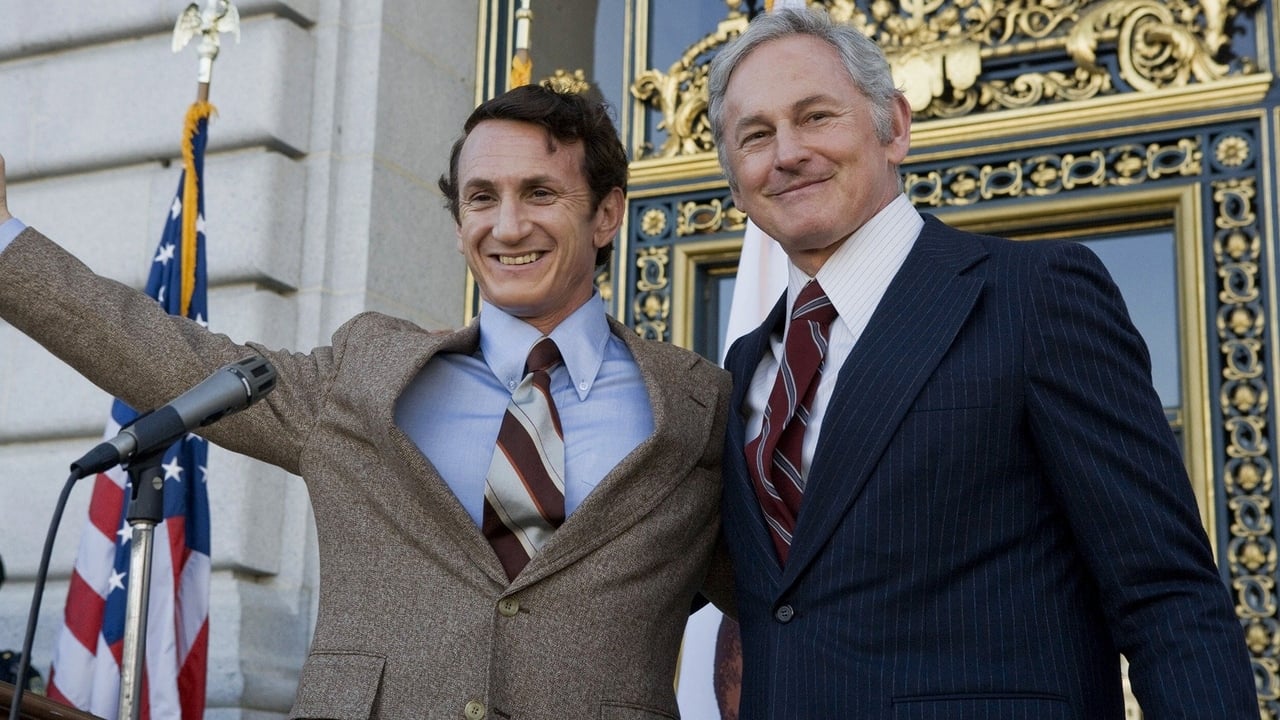
The supporting cast is a "who’s who" of that late-2000s indie explosion. You’ve got a young Emile Hirsch as Cleve Jones, who looks like he walked straight off the set of a 1975 documentary, and Diego Luna as the tragic, erratic Jack Lira. Seeing them all together now feels like looking at a high school yearbook of actors who were about to define the next decade of film.
Behind the Bullhorn
What fascinates me about the legacy of Milk is how it was filmed. This wasn't some backlot recreation. Gus Van Sant insisted on filming at the actual 575 Castro Street, which had been a beauty parlor for years. The production design team literally stripped it back and rebuilt Harvey’s "Castro Camera" shop exactly where it stood. Apparently, local residents who actually knew Harvey would walk by the set and burst into tears because the recreation was so hauntingly accurate.
The film also pulled off a "discovery" trick that I love: it used real archival footage from the 70s and blended it so seamlessly with the new footage that I often found myself squinting to see where the real Harvey ended and Sean Penn began. It’s a technique that Van Sant played with in his more experimental "Death Trilogy" (like Elephant), but here it serves a narrative purpose, grounding the drama in undeniable history.
A Ritual of Hope
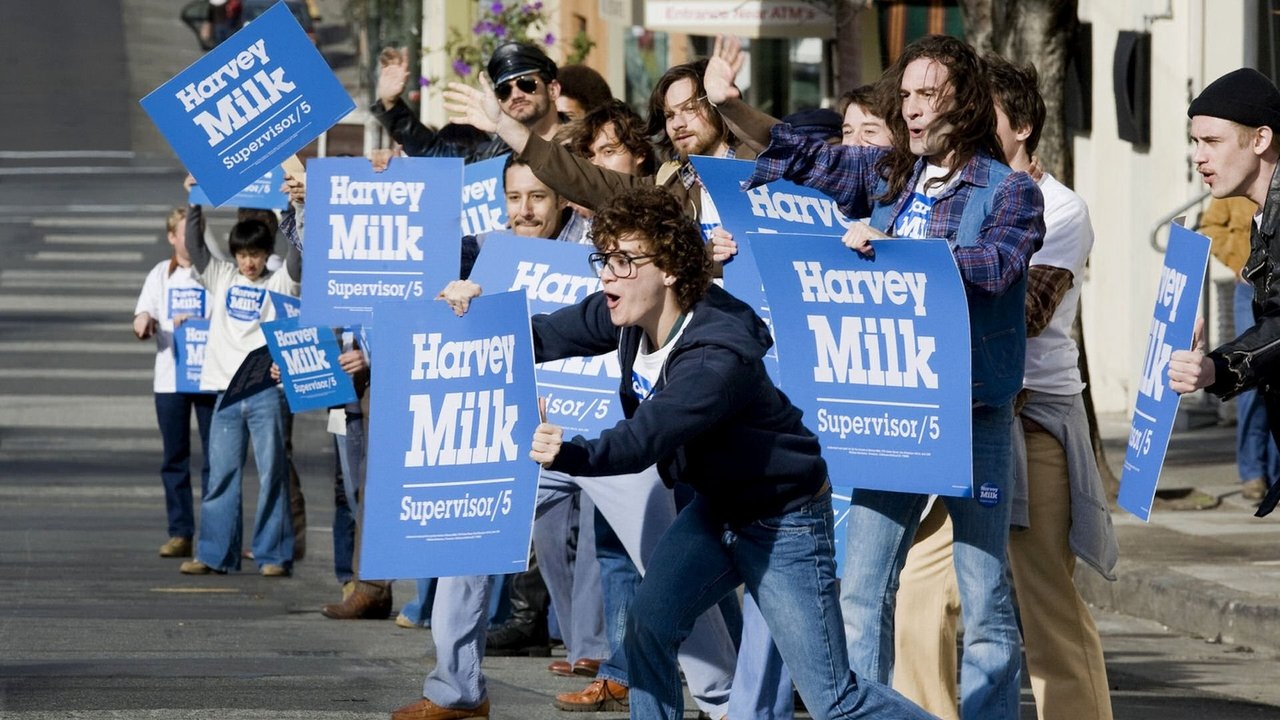
While it was a mainstream success, Milk has developed a "cult-adjacent" status within the LGBTQ+ community. It’s a film that gets screened every June, every election cycle, and every time the world feels a little too dark. It became more than a movie; it became a manual for grassroots organizing. In an age where modern political dramas feel like cynical shouting matches, Milk feels like a warm, slightly frantic hug.
The timing of its release was also legendary. It hit theaters right as California’s Proposition 8 was being debated, turning the movie into a lightning rod for contemporary activism. It’s rare for a period piece to feel so urgently "of the moment," but Milk managed to bridge the gap between 1978 and 2008 without ever feeling preachy.
In retrospect, Milk is the gold standard for how to handle a real-life story without letting the "importance" of the subject matter kill the "enjoyment" of the film. It’s vibrant, it’s messy, and it’s deeply moving without being manipulative. Even with a squashed grape in my shoe, I left the theater feeling like I’d actually met the man. If you haven't revisited it lately, do yourself a favor and put it on. Just keep an eye on your snacks.
Keep Exploring...
-
Finding Forrester
2000
-
Coach Carter
2005
-

Marie Antoinette
2006
-
In the Valley of Elah
2007
-

The Other Boleyn Girl
2008
-
21 Grams
2003
-
J. Edgar
2011
-
Elephant
2003
-
Hotel Rwanda
2004
-
King Arthur
2004
-
The Chorus
2004
-

Cinderella Man
2005
-
Kingdom of Heaven
2005
-

Memoirs of a Geisha
2005
-
Munich
2005
-
Ip Man
2008
-
Invictus
2009
-
Public Enemies
2009
-
Ip Man 2
2010
-
Anna Karenina
2012