Mirrors
"Don't look now—your reflection just blinked."
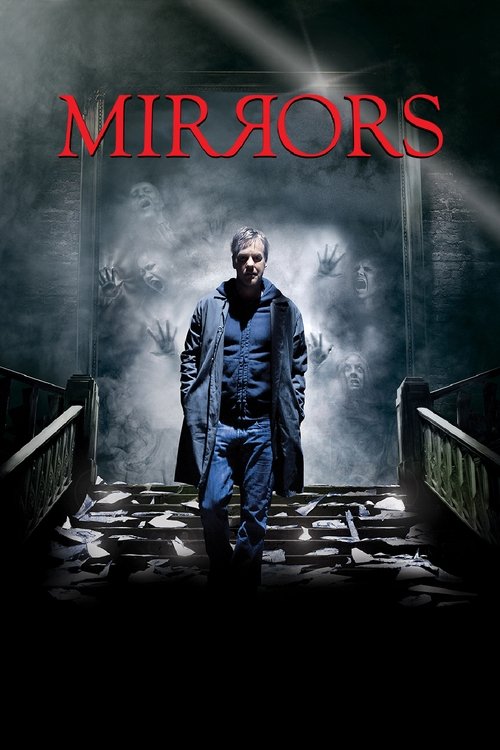
I remember the exact moment I realized my bathroom mirror was a potential death trap. It wasn’t because of some urban legend or a bad dream; it was because I had just finished watching Alexandre Aja’s Mirrors on a scratchy DVD I’d rented during a particularly humid Tuesday night. I was eating a bowl of lukewarm cereal at the time—the kind where the flakes get all soggy because you’re too distracted by the screen—and I nearly choked when the first real "glass incident" occurred. For weeks afterward, I brushed my teeth with my eyes firmly planted on the sink basin.
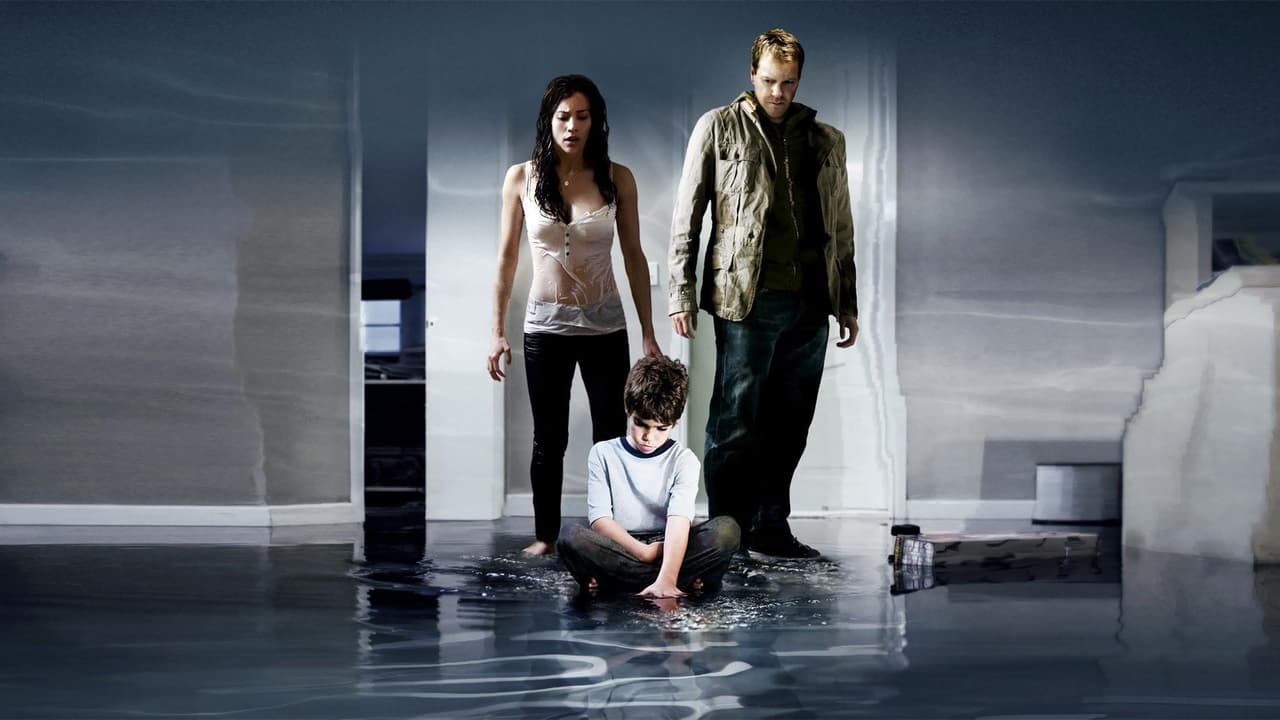
Released in 2008, Mirrors arrived at a strange crossroads for the horror genre. We were moving past the "torture porn" era defined by Saw and Hostel, and the J-horror remake craze (think The Ring or The Grudge) was starting to feel a bit stale. Enter Alexandre Aja, the French provocateur who had already traumatized us with the neon-drenched brutality of High Tension and the desert-baked nastiness of The Hills Have Eyes. With Mirrors, he took a 2003 South Korean film called Into the Mirror and decided to give it the Hollywood "maximum intensity" treatment.
Shattering the Mayflower
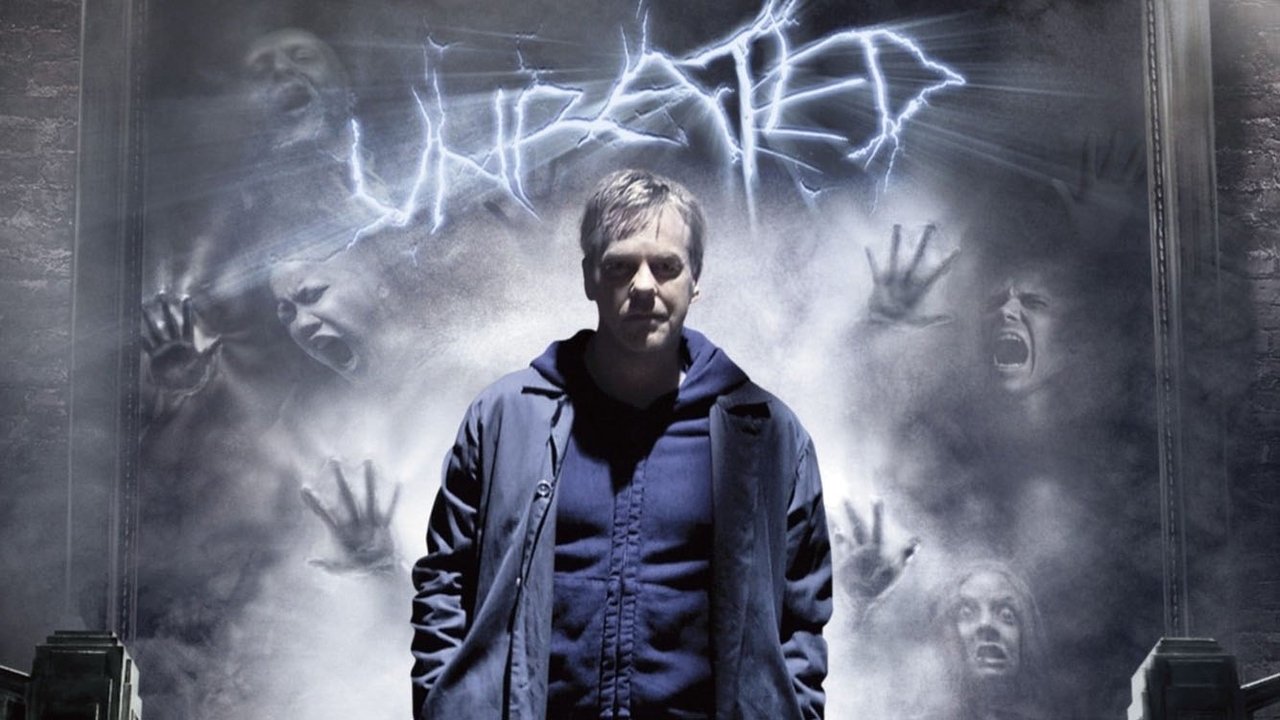
The film follows Ben Carson, played by Kiefer Sutherland with the kind of raspy, high-strung energy he usually reserved for interrogating terrorists on 24. Ben is a disgraced ex-cop—because in 2008, every horror protagonist had to be a disgraced ex-something—who takes a job as a night watchman at the Mayflower, a massive department store that was gutted by a fire decades earlier.
The Mayflower is, quite frankly, the best character in the movie. It’s a sprawling, charred labyrinth of scorched mannequins and soot-covered marble. Because this was the late 2000s, there’s a heavy reliance on a desaturated, "sickly" color palette that makes every frame feel cold and damp. The cinematography by Maxime Alexandre (who worked with Aja on The Hills Have Eyes) captures the oppressive scale of the building perfectly. When Ben walks through those halls with only a flashlight, you can practically smell the wet ash.
But it’s the mirrors within the store that hold the secret. They aren't just reflecting what’s in the room; they’re holding onto something else. It starts with strange handprints on the glass and quickly escalates into Ben’s reflection doing things that Ben definitely isn't doing—like screaming in silent agony while Ben is just trying to find a light switch.
Reflections of Jack Bauer
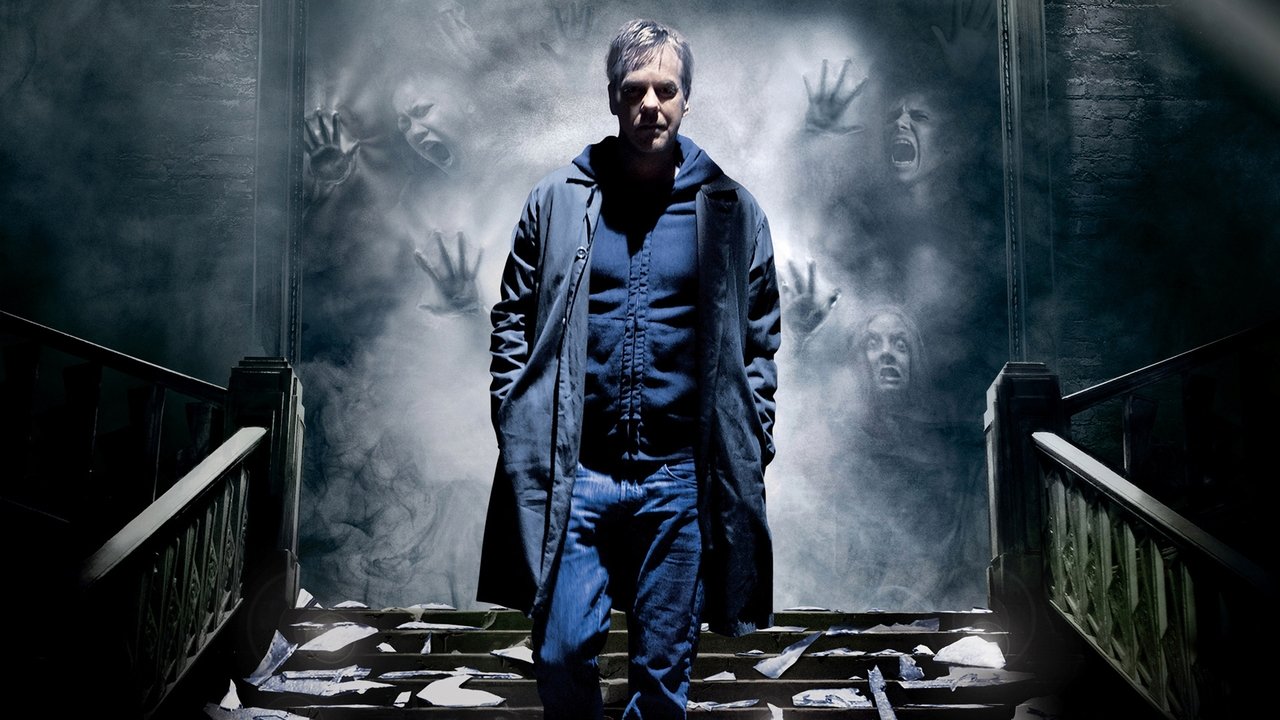
I’ve always had a soft spot for Kiefer Sutherland, but seeing him in a supernatural horror movie is a trip. He brings a frantic, sweaty physicality to the role of Ben Carson. He doesn't just look at the mirrors; he wars with them. There’s a specific scene where he’s trying to scrub the "stains" off the glass, and he’s doing it with so much intensity that you’d think the mirror owed him money and a formal apology.
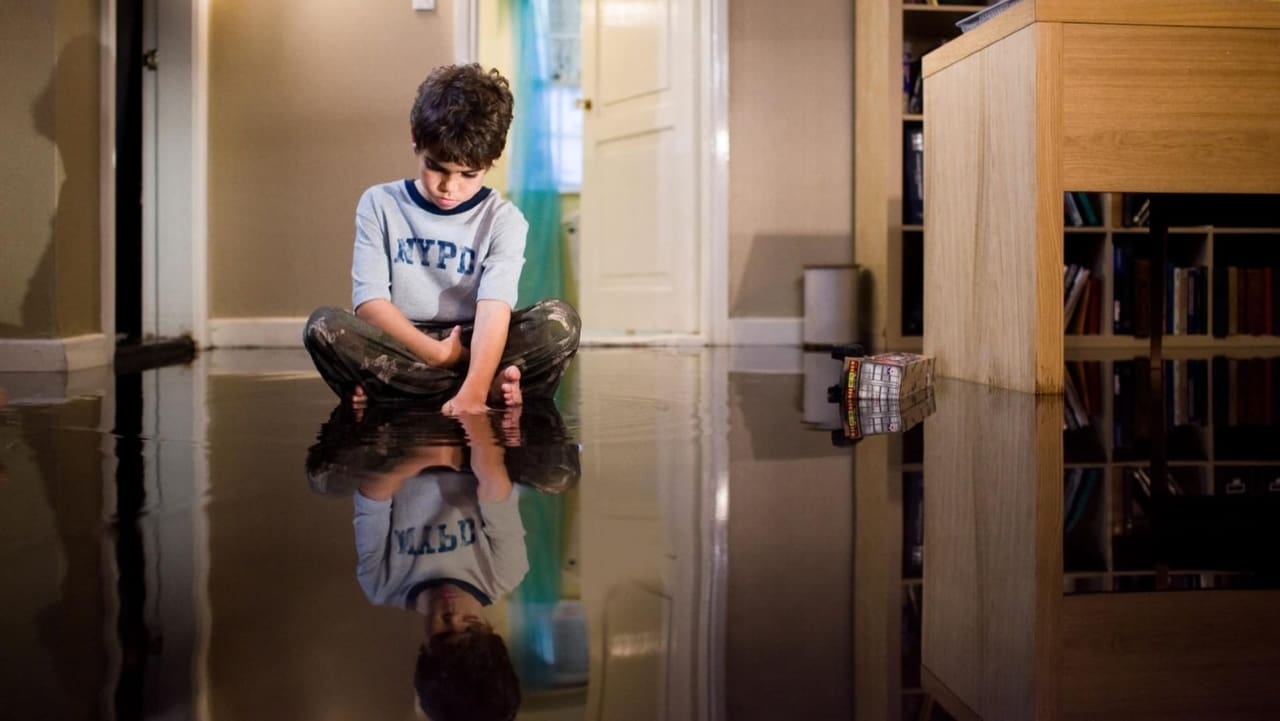
His performance is balanced by Paula Patton, playing his estranged wife, Amy. She does a commendable job as the "grounded" character, though the script eventually requires her to do the heavy lifting in the film’s increasingly chaotic third act. We also get the late Cameron Boyce in one of his earliest roles as Ben’s son, Michael.
The real star of the supporting cast, however, is Amy Smart as Ben’s sister, Angela. She’s at the center of the film’s most infamous sequence. If you’ve heard of Mirrors, you’ve heard about the bathtub scene. Without spoiling the specifics, let’s just say that Alexandre Aja refuses to let a PG-13 sensibility ruin his fun. It is a masterclass in practical effects and jaw-dropping (literally) body horror that feels like a middle finger to the more polite ghost stories of the time.
The Era of the Eerie Remake
Looking back, Mirrors feels like a time capsule of the late-2000s studio system. It’s got that glossy-yet-gritty production value that Regency Enterprises was known for, and it leans heavily into the "investigative horror" trope. Ben spends a lot of time looking through old files and tracking down survivors of the fire, a narrative beat that was mandatory for any horror film released between 2002 and 2010.
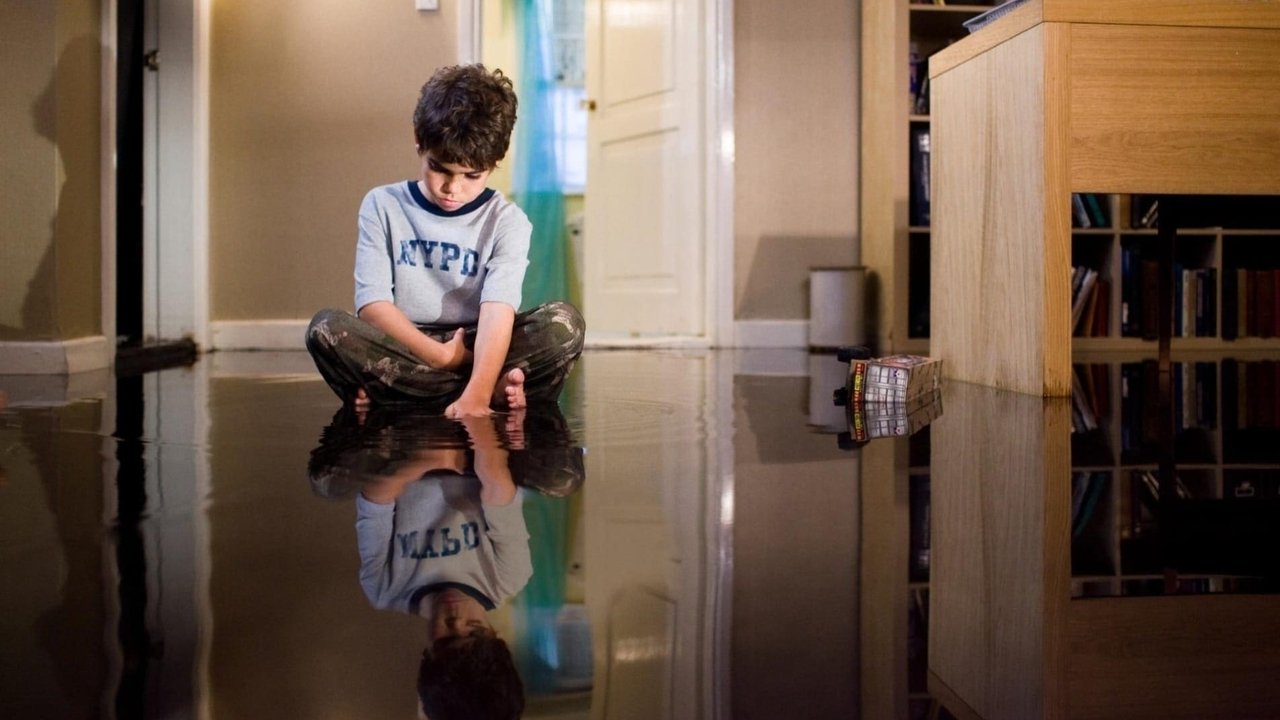
Interestingly, the production didn't film in a Hollywood backlot. Most of the movie was shot in Bucharest, Romania. The "Mayflower" department store was actually a massive, unfinished building originally intended to be part of Nicolae Ceaușescu’s "Academy of Sciences." This gives the film a genuine sense of architectural dread that CGI simply couldn't replicate today. The sheer scale of those empty rooms adds a layer of reality to the supernatural nonsense.
There’s also a distinct "Post-9/11" anxiety buried in the film’s DNA. Ben is a man struggling with trauma, guilt, and a feeling that the world he knows has been replaced by a hostile, unrecognizable version. It’s subtle, but it’s there, reflected in the shattered glass of a once-great American institution like a department store.
The movie isn't perfect. The plot gets a little convoluted toward the end, involving a possessed nun and a quest for "Esseker" that feels like it belonged in a different movie entirely. And while Aja’s direction is stylish, the jump scares can occasionally feel like they’re trying too hard to wake up a sleepy audience. The ending, however, is a surprisingly bold "bummer" of a finale that I genuinely didn't see coming the first time.
If you’re looking for a mid-tier horror flick that’s better than it has any right to be, Mirrors is a solid pick. It’s got enough gore to satisfy the slasher fans and enough atmosphere to keep the "elevated horror" crowd from rolling their eyes too hard. Just do yourself a favor: maybe don't watch it while you’re standing in front of a medicine cabinet.
Keep Exploring...
-
High Tension
2003
-

The Hills Have Eyes
2006
-
Dark Water
2005
-
Inland Empire
2006
-
When a Stranger Calls
2006
-

The Midnight Meat Train
2008
-
Untraceable
2008
-
The Ward
2010
-

The Invasion
2007
-

Silent Hill: Revelation 3D
2012
-
The Tall Man
2012
-
Maniac
2012
-
Stonehearst Asylum
2014
-
New Nightmare
1994
-

In the Mouth of Madness
1995
-

Stir of Echoes
1999
-

The Gift
2000
-
The Mothman Prophecies
2002
-
Flatliners
1990
-
Urban Legend
1998