Nim's Island
"The bravest hero is the one who leaves the house."
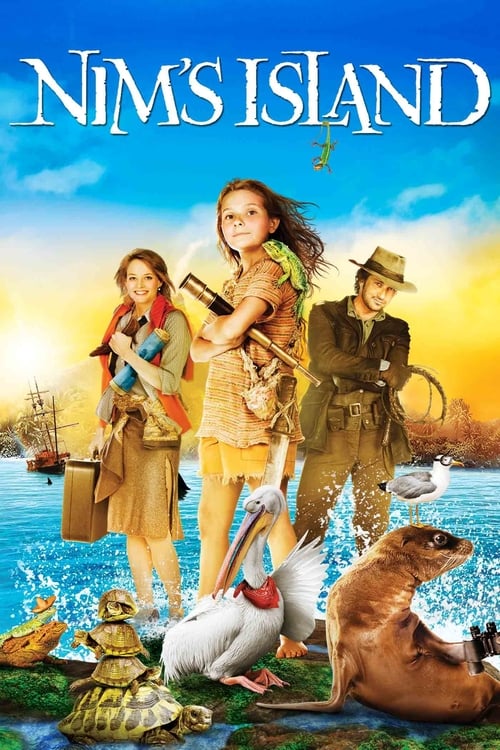
In the late 2000s, there was a very specific flavor of family filmmaking championed by Walden Media—the studio that gave us the Narnia chronicles and Bridge to Terabithia. These movies lived in a comfortable middle ground between the gritty realism of 90s indie cinema and the soon-to-be-ubiquitous CGI sprawl of the Marvel era. They felt like the high-quality paperbacks you’d find at a Scholastic Book Fair: earnest, slightly magical, and obsessed with the idea that a kid with a messenger bag could solve any problem. Nim's Island (2008) is perhaps the ultimate example of this "Paperback Cinema," a sun-drenched adventure that manages to be charmingly low-stakes even when a volcano is threatening to blow.
I watched this most recently while trying to eat a frozen Go-Gurt that was still far too hard to actually consume, and the sheer frustration of waiting for that yogurt to thaw weirdly mirrored the central tension of the film. It’s a movie about waiting for things to happen, and then realizing that you’re the one who has to make them happen.
A Tale of Three Islands
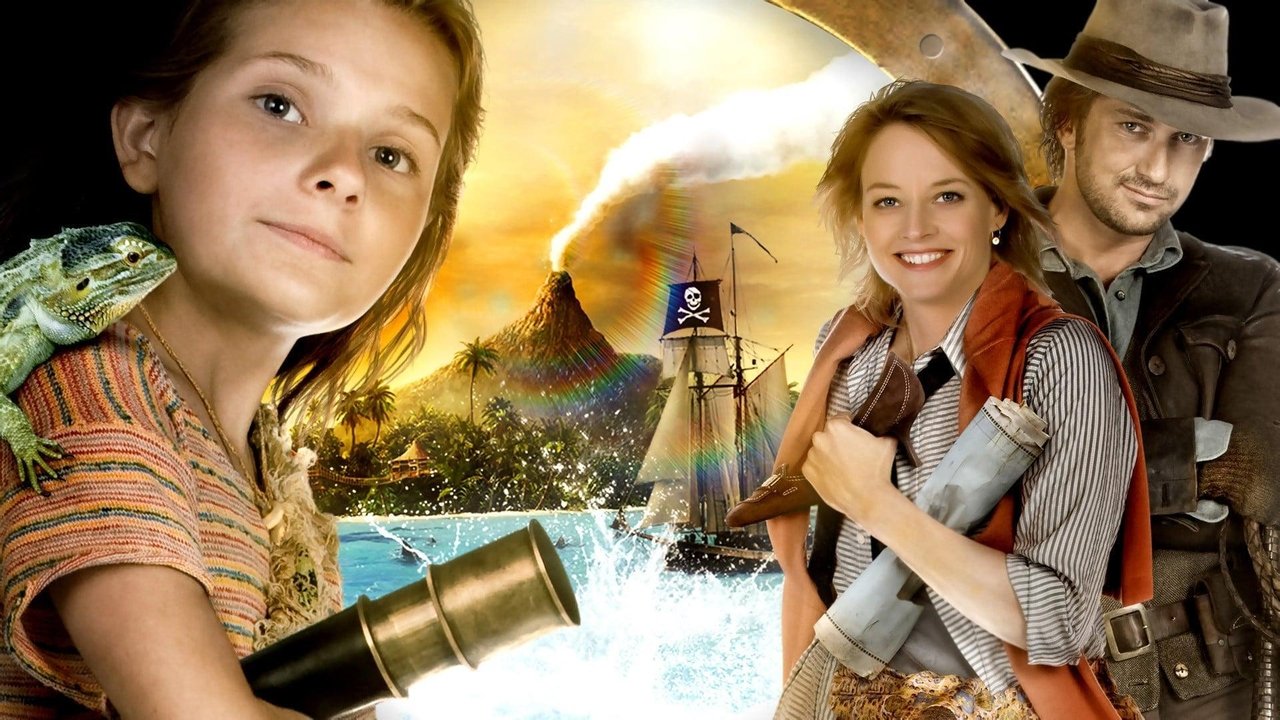
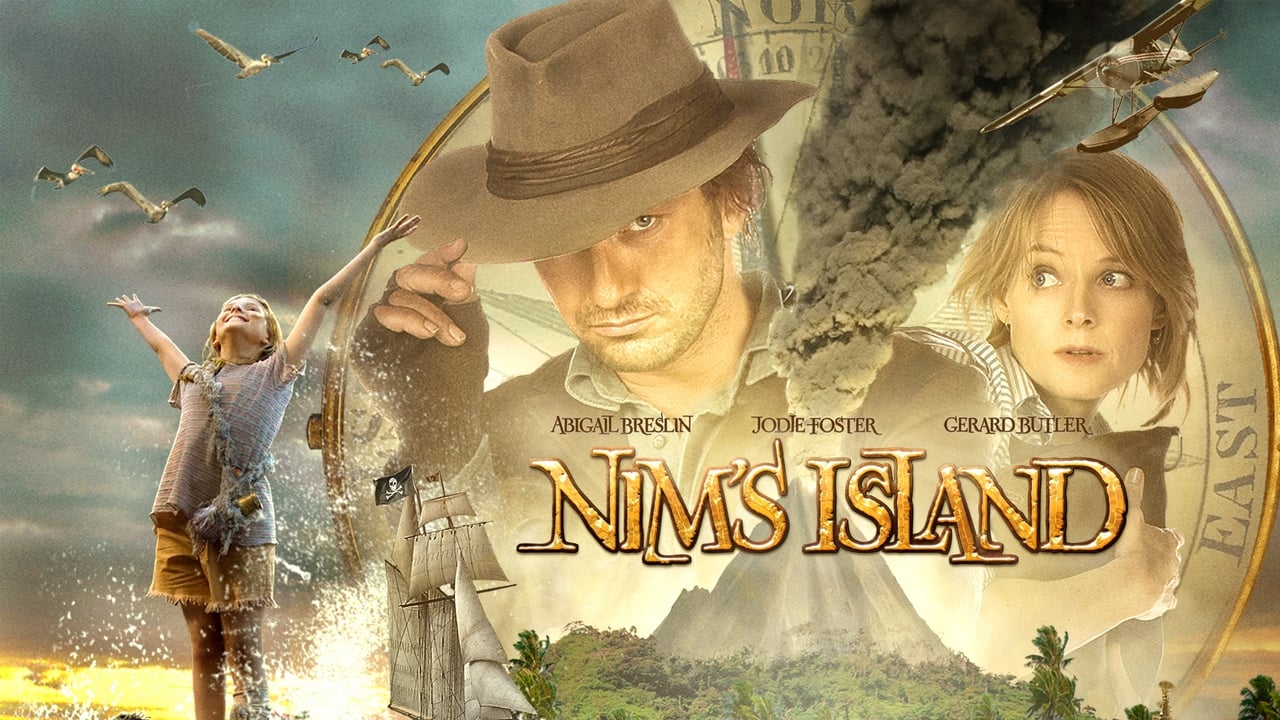
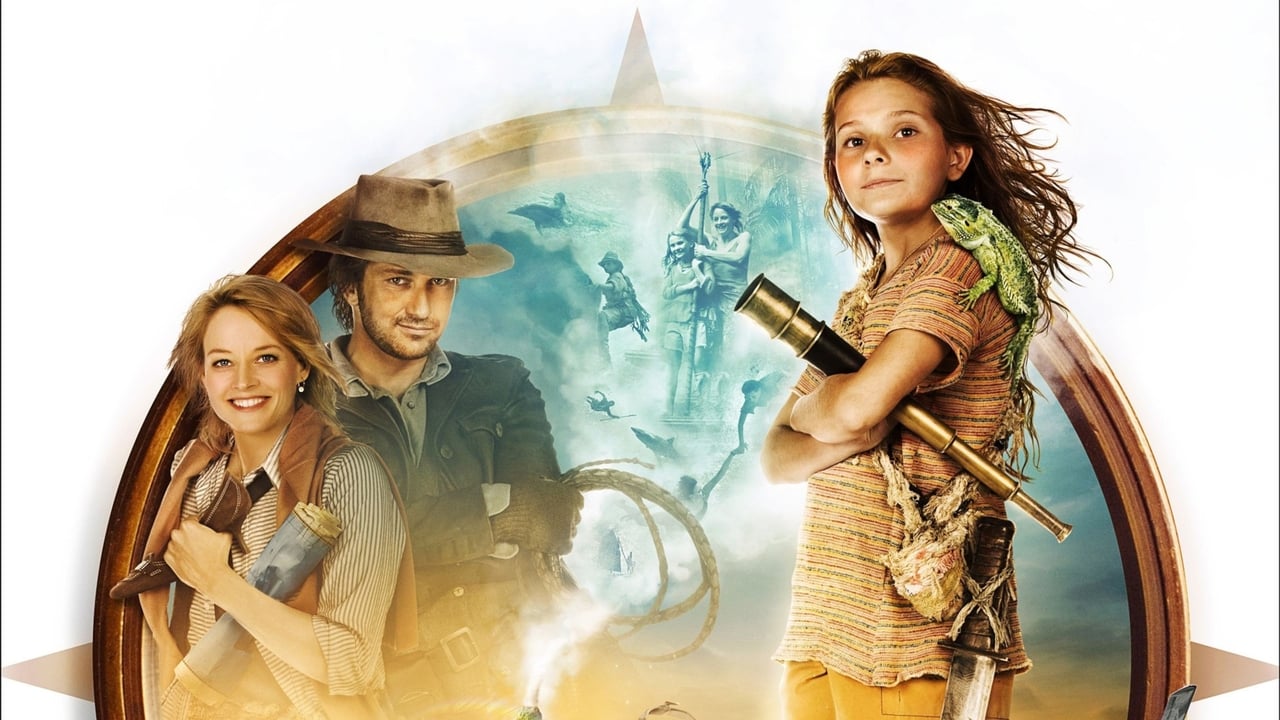
The film splits its time between three very different psychological spaces. First, we have the titular island, a lush, Robinson Crusoe-esque paradise where young Nim, played by a post-Little Miss Sunshine Abigail Breslin, lives with her scientist father, Jack (Gerard Butler). Abigail Breslin was the undisputed queen of the "precocious but grounded child" archetype during this era, and she carries the island scenes with a naturalism that prevents the talking-animal tropes from feeling too saccharine.
Then there’s the fictional world of Alex Rover, a fedora-wearing adventurer also played by Gerard Butler, who looks like he wandered off the set of an Indiana Jones knockoff. This dual-casting is a clever bit of business; it’s not just a budget-saving measure, but a visual representation of how Nim project’s her father’s face onto the heroes of her books. Gerard Butler’s chest hair is essentially the fourth lead in this movie, providing a rugged, 1980s-style machismo that contrasts hilariously with the film's third perspective: the real Alex Rover.
The real Alex is actually Alexandra, an agoraphobic, Purell-obsessed writer living in a sterile San Francisco apartment, played by Jodie Foster. Watching Jodie Foster—the woman who faced down Hannibal Lecter in The Silence of the Lambs—hyperventilate because she has to open her front door is a masterclass in comedic vulnerability. It’s a "casting against type" swing that 2000s cinema did so well, taking a heavyweight dramatic actor and letting them be absolutely ridiculous.
The Charm of the Pre-Digital Wilderness
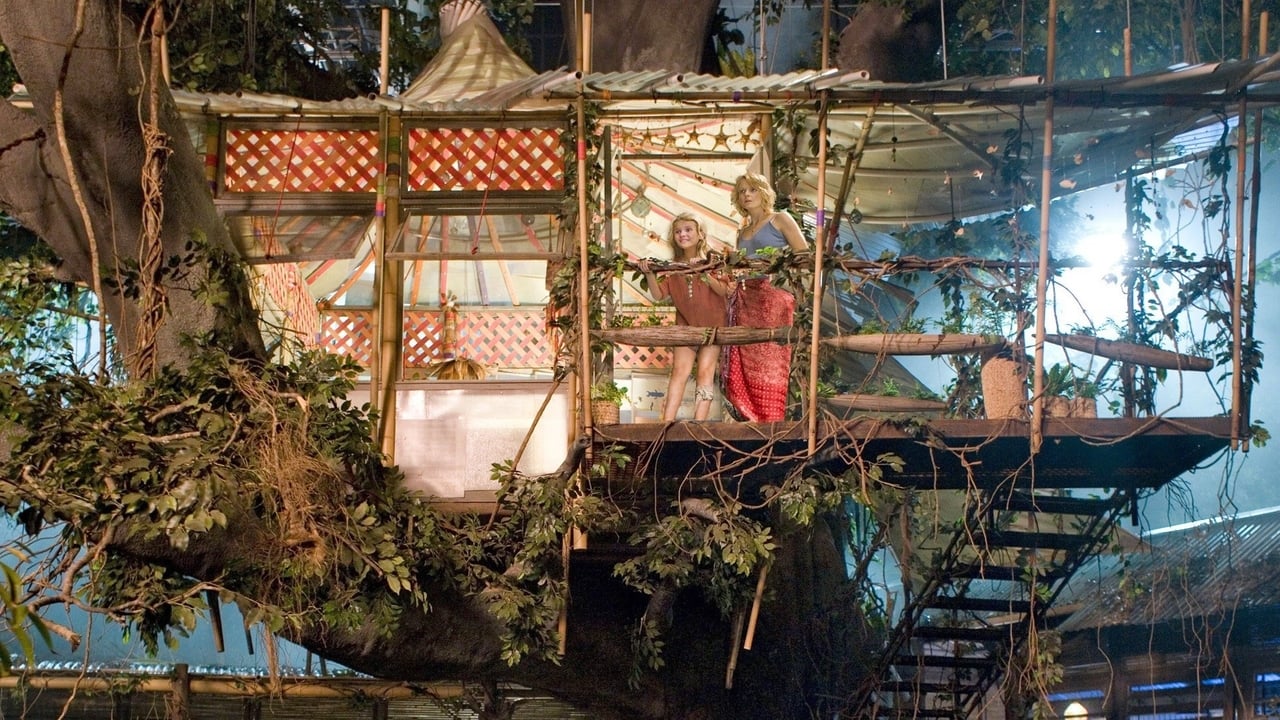
Looking back, Nim's Island captures a fascinating moment in the transition from practical effects to digital ones. While there is certainly CGI involved—mostly to handle the more complex animal interactions and the "imaginary" Alex Rover who follows Alexandra around—the film leans heavily into its Australian locations. It smells like salt and coconut. There’s a texture to the sand and the greenery that feels more "real" than the hyper-saturated, green-screened jungles we see in modern blockbusters like the Jumanji sequels.
The adventure itself is pleasantly episodic. Jack gets stranded at sea, Nim gets a cut on her leg that threatens to turn nasty, and Alexandra has to navigate the "perils" of airport security and public transportation. It’s a journey that values emotional progression over high-octane set pieces. The "action" is mostly Abigail Breslin catapulting lizards at tourists, which, let’s be honest, is the exact kind of chaotic energy we need more of in family cinema.
Stuff You Didn’t Notice
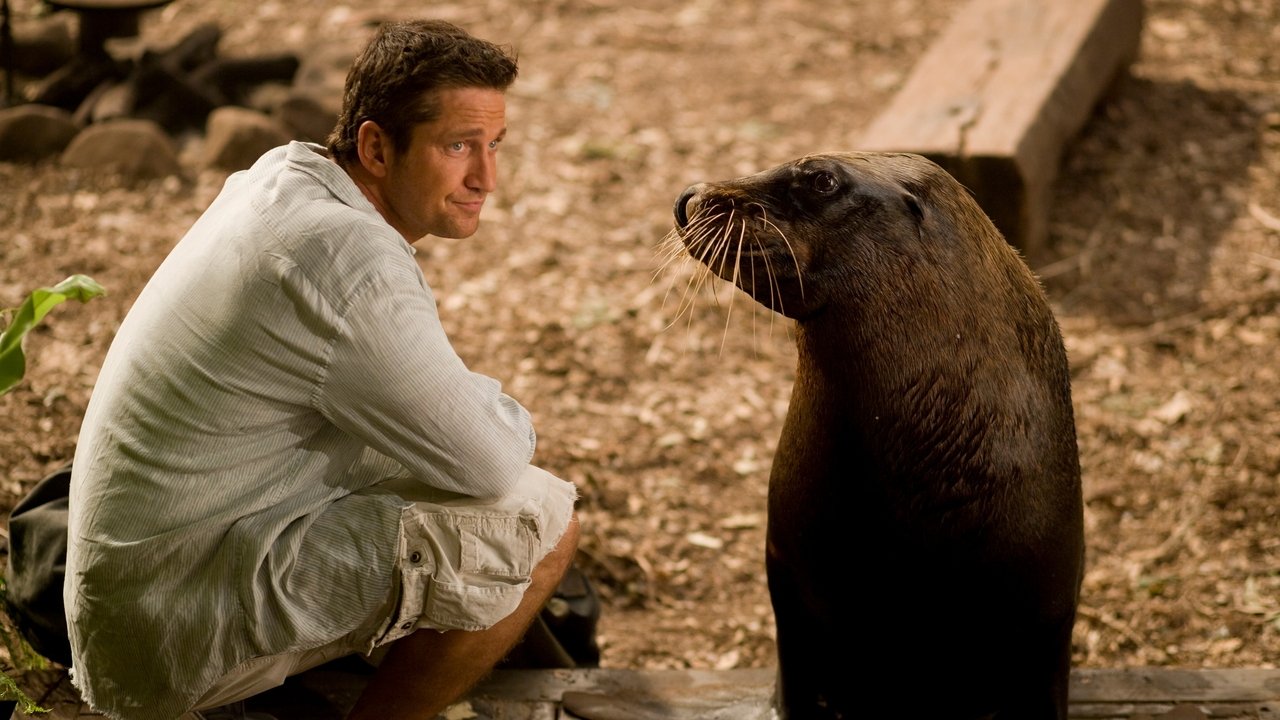
Interestingly, the film was directed by the husband-and-wife team of Mark Levin and Jennifer Flackett, who previously explored similar "tween" emotional territory in Little Manhattan (2005). They have a knack for treating the problems of children with the same weight as the problems of adults. Apparently, the sea lions used in the film, named Friday and Spud, were so well-trained that they occasionally "corrected" the human actors' positioning by nudging them into their marks. It’s a fun bit of trivia that explains why Abigail Breslin looks so genuinely delighted in her scenes with the animals—they weren't just props; they were coworkers.
The film also serves as a time capsule for 2008-era technology. The plot hinges on email communication via a satellite dish that Nim has to manually repair. In an age of ubiquitous Wi-Fi and Starlink, there’s a quaintness to the "is the internet working?" tension that already feels like a period piece. It was a time when the digital world offered a bridge to the outside, rather than a replacement for it.
Nim's Island isn't going to redefine the adventure genre, nor does it possess the mythic weight of the Lord of the Rings trilogy, which was still looming large over the industry at the time. However, it is a deeply pleasant, well-acted, and visually bright film that respects its audience’s intelligence. It’s the kind of movie that makes you want to turn off your phone, buy a hat with a chin strap, and finally start that blog you’ve been talking about—preferably from a beach in the South Pacific. It celebrates the heroics of the imagination, reminding us that sometimes the greatest adventure isn't fighting a dragon, but simply stepping out onto the porch.
Keep Exploring...
-

Aliens in the Attic
2009
-

The Ant Bully
2006
-
Shrek the Halls
2007
-

DuckTales: The Movie - Treasure of the Lost Lamp
1990
-

The Swan Princess
1994
-

Night at the Museum
2006
-
Shrek the Third
2007
-
Horton Hears a Who!
2008
-
Night at the Museum: Battle of the Smithsonian
2009
-

Puss in Boots
2011
-
The Smurfs
2011
-
Mirror Mirror
2012
-
Holes
2003
-
Are We There Yet?
2005
-

Aquamarine
2006
-
TMNT
2007
-
Journey to the Center of the Earth
2008
-
Teen Beach Movie
2013
-

Wizards of Waverly Place: The Movie
2009
-
A Monster in Paris
2011