Ponyo
"Love is a force of nature, literally."
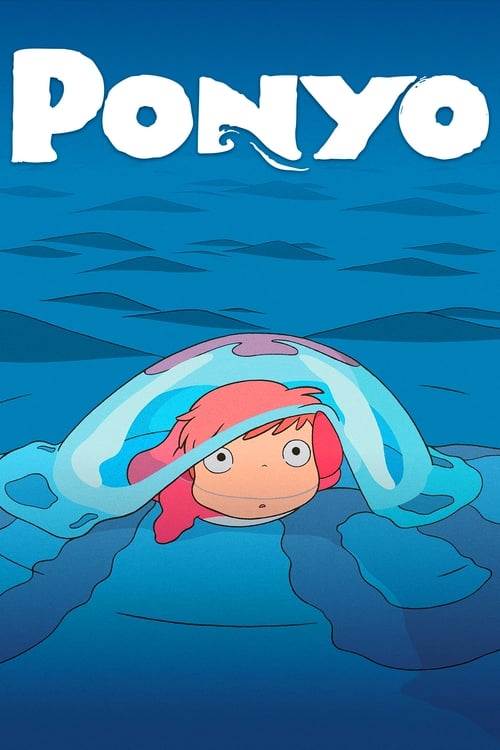
While Hollywood was busy in 2008 obsessing over the physics of digital fur and perfecting the way light bounces off a CGI robot’s chrome plating, Hayao Miyazaki was in a studio in Japan deciding that the ocean should look like a collection of sentient, blue-gray jellybeans. In an era defined by the "bigger is better" digital arms race, Ponyo arrived like a bucket of cold seawater to the face—refreshing, slightly shocking, and utterly indifferent to how "real" a wave is supposed to look.
The Rebellion of the Pencil
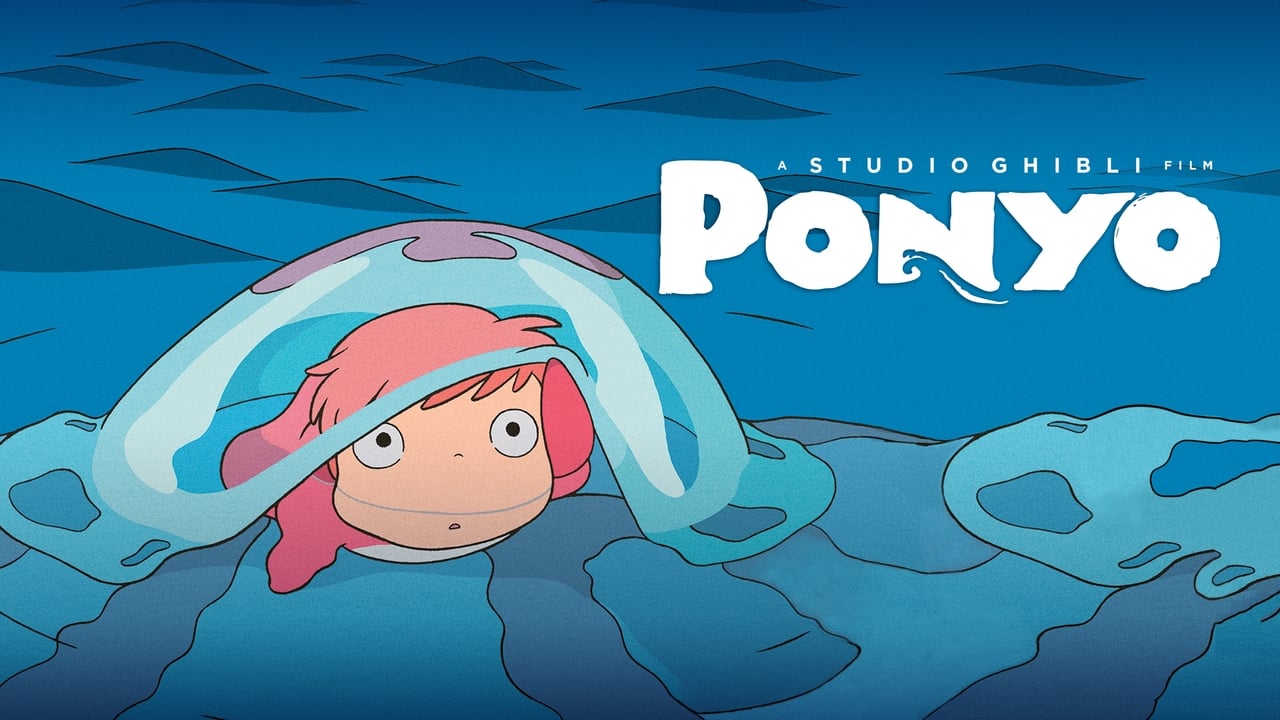
Looking back at the late 2000s, the industry was at a crossroads. We were seeing the birth of the MCU and the total dominance of 3D animation. Yet, Miyazaki famously pivoted away from the computer-assisted techniques used in Howl’s Moving Castle (2004), insisting that Ponyo be drawn almost entirely by hand. I watched this film recently while sitting in a chair that squeaked every time I breathed, nursing a lukewarm cup of ginger tea, and it struck me how much that "handmade" quality matters. You can feel the friction of the pencil on the paper.
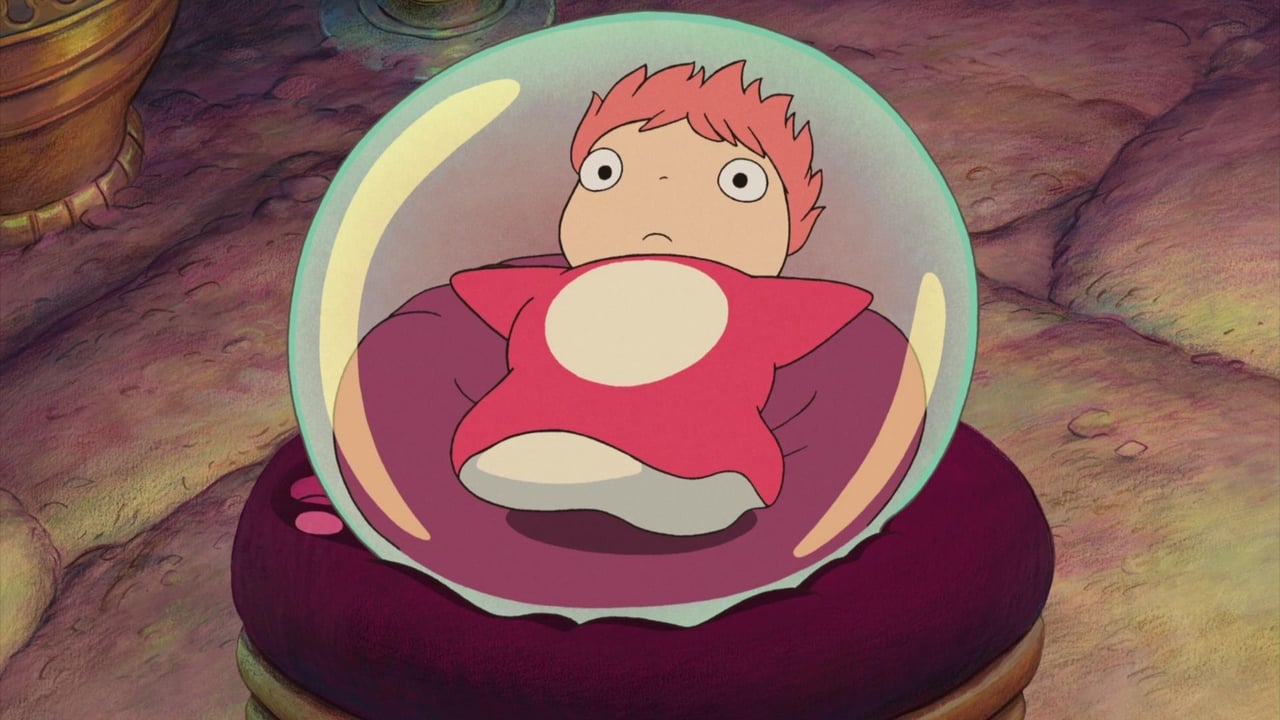
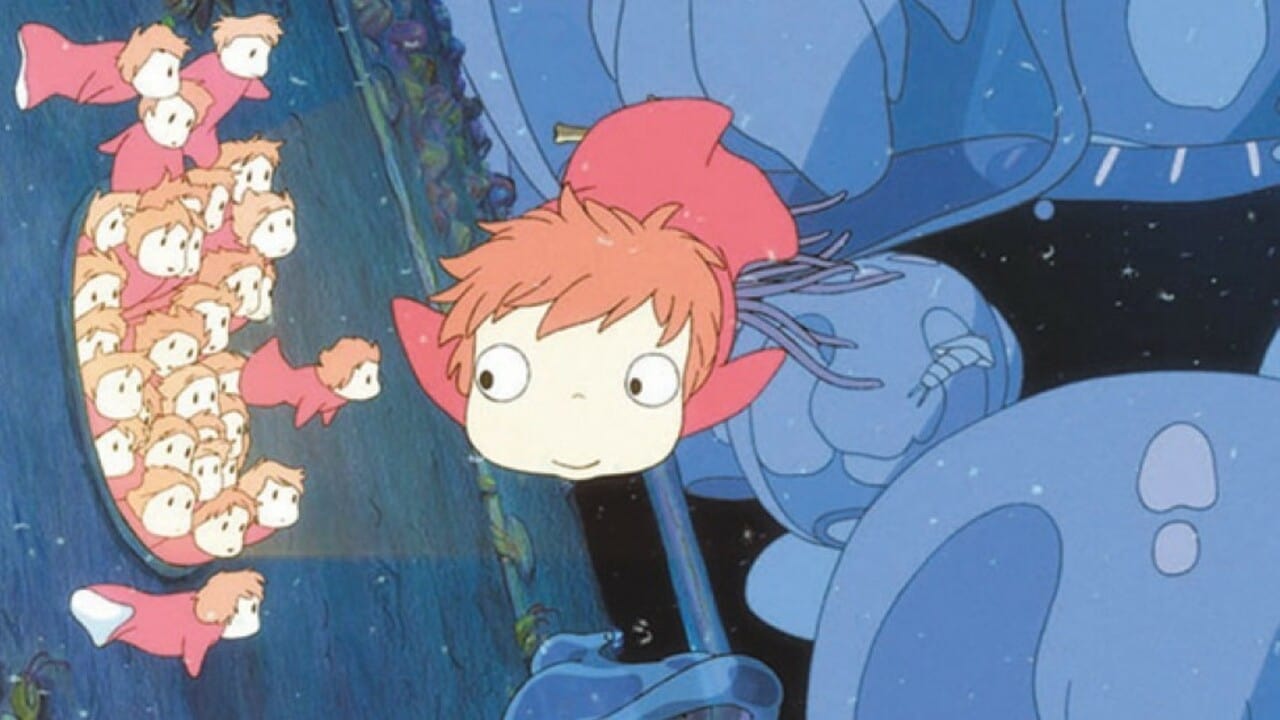
This wasn’t just an old master being stubborn; it was a deliberate philosophical choice. By stripping away the digital polish, Miyazaki tapped into a child’s-eye view of the world where logic is secondary to emotion. When Yuria Kozuki voices Ponyo—a goldfish-princess who tastes a drop of human blood and decides she’d rather have ham and legs—she isn’t playing a "character" so much as a raw nerve of curiosity. The animation reflects this chaos. The waves aren't just water; they are massive, fish-like entities crashing against the cliffs. It’s a masterful middle finger to the Uncanny Valley, choosing evocative smears of color over mathematical precision.
Small Shoulders and Heavy Seas
At its heart, Ponyo is a drama about the terrifying weight of childhood autonomy. Hiroki Doi provides the voice for Sosuke, a five-year-old who lives on a clifftop and possesses the stoic responsibility of a seasoned lighthouse keeper. It’s rare to see a film treat a child’s promise with such gravity. When he tells Ponyo he will protect her, the movie doesn't wink at the audience. It treats his word as a binding contract that holds the literal balance of the world together.
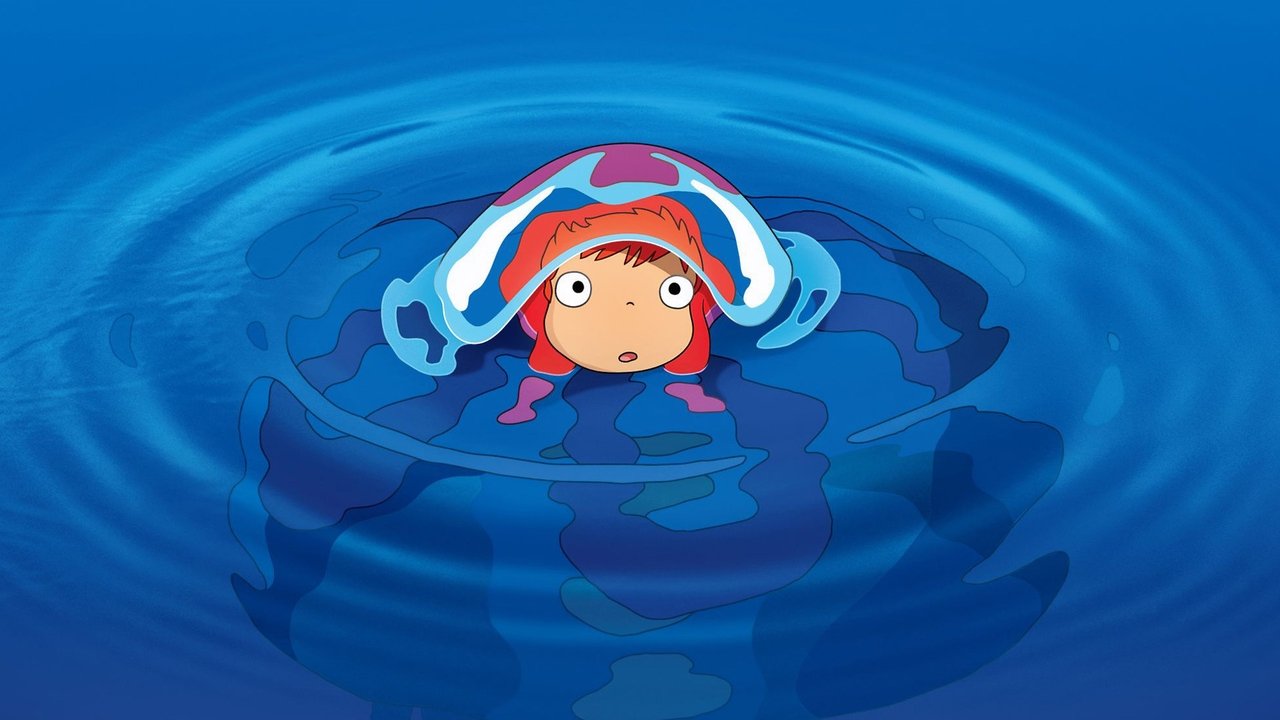
The real scene-stealer, however, is Tomoko Yamaguchi as Risa, Sosuke’s mother. In any other "Family" film, she’d be a background prop or a scolding voice. Here, she’s a frantic, high-speed driver who makes ramen during a hurricane and treats her son like a peer. The chemistry between Hiroki Doi and Tomoko Yamaguchi captures a very specific, modern kind of parental bond—one born of necessity and mutual respect rather than strict hierarchy. Risa is the kind of mom who would definitely beat you in a drag race while the world is ending.
Then there’s Fujimoto, voiced with a wonderful, neurotic energy by George Tokoro. He’s a sea-sorcerer who hates humans for polluting the ocean (a classic Miyazaki trope), but he’s framed less as a villain and more as a divorced dad who has completely lost control of his household. His anxiety is the engine that drives the plot, but the emotional core remains with the kids.
The Philosophy of the Tsunami
Beneath the bright colors and the infectious theme song—which, fair warning, will live in your brain for three weeks—Ponyo grapples with some heavy existential questions. It asks if love is enough to bridge the gap between two entirely different species, and it does so without the easy "happily ever after" tropes of Western fairy tales. There is a deep, Shinto-adjacent sense that nature is a powerful, neutral force that doesn't care about your property values.
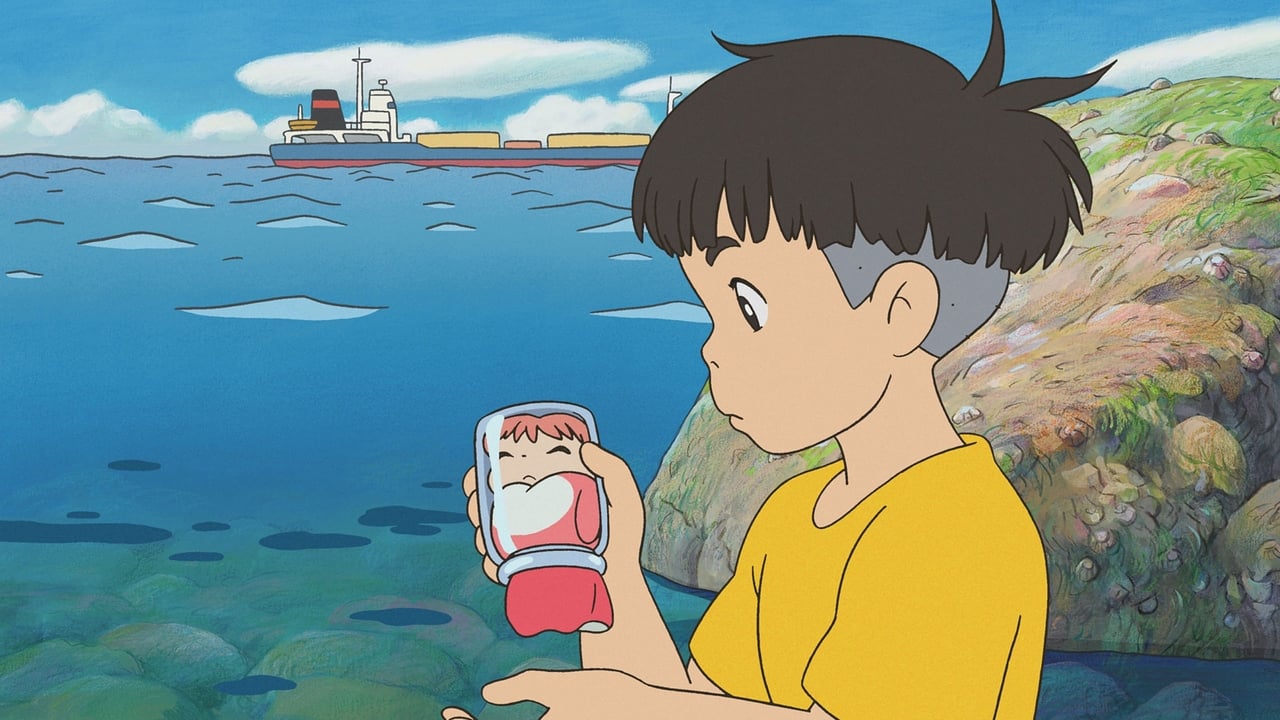
The film was a massive commercial juggernaut, raking in over $200 million globally, proving that audiences were still hungry for traditional craft in a digital world. It’s a "blockbuster" in the sense that it dominated the box office, but it feels more like a private dream shared with millions of people. Apparently, Miyazaki was so hands-on with the production that he personally drew many of the wave sequences, and you can see that obsession in every frame. He was reportedly inspired by his son, Goro, specifically remembering what Goro was like at age five—a bit of trivia that makes the bond between Sosuke and his father, Koichi (Kazushige Nagashima), feel all the more poignant.
In an era of cinema that often feels like it was designed by a committee of data analysts, Ponyo remains a gloriously weird, hand-stitched anomaly. It’s a film that respects the intelligence and the emotional stakes of childhood, wrapped in some of the most imaginative imagery ever put to celluloid. Whether you’re five or ninety-five, the sight of a goldfish girl running on the backs of giant water-fishes is enough to make you believe that, for 100 minutes, the rules of reality are merely suggestions. It’s a vibrant reminder that the most "modern" thing a filmmaker can do is return to the basics of wonder.
Keep Exploring...
-

Spirited Away
2001
-
The Secret World of Arrietty
2010
-
Princess Mononoke
1997
-

Howl's Moving Castle
2004
-
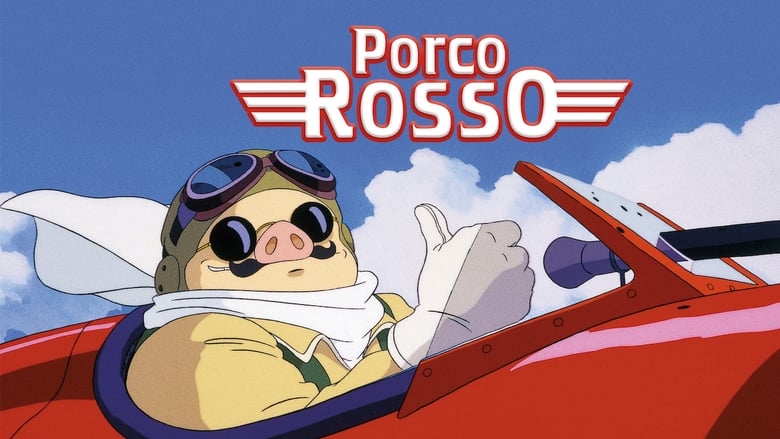
Porco Rosso
1992
-
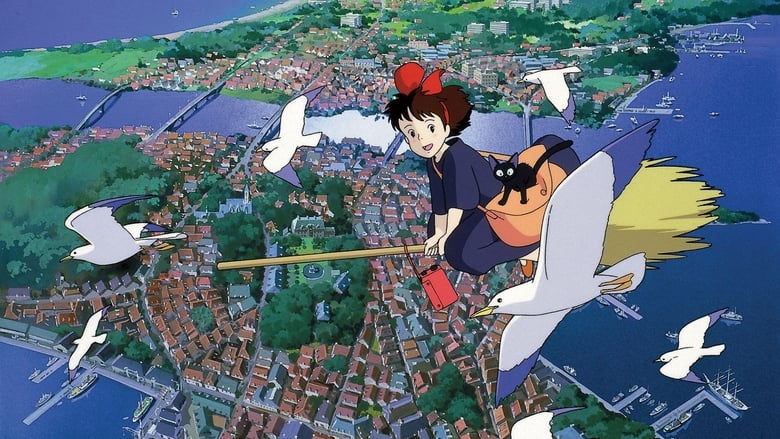
Kiki's Delivery Service
1989
-
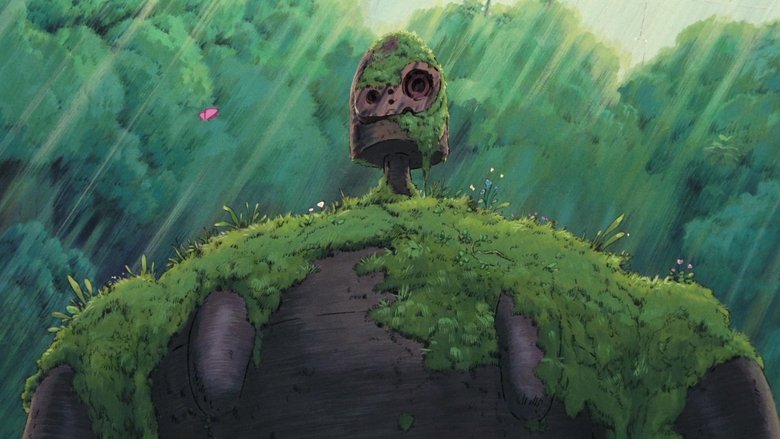
Castle in the Sky
1986
-
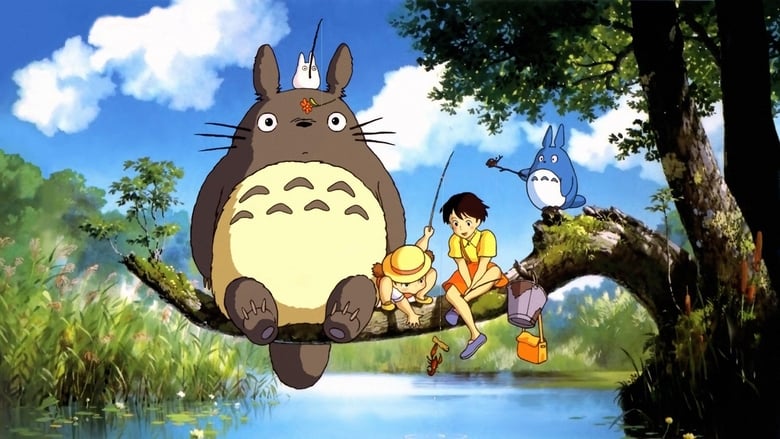
My Neighbor Totoro
1988
-
The Boy and the Heron
2023
-
Coraline
2009
-
The Wind Rises
2013
-
Wolf Children
2012
-

The SpongeBob SquarePants Movie
2004
-
Nausicaä of the Valley of the Wind
1984
-
Shrek 2
2004
-
Ratatouille
2007
-
How to Train Your Dragon
2010
-
Hotel Transylvania
2012
-

Frozen
2013
-
Beauty and the Beast
1991