Pride and Glory
"The badge is family. The truth is treason."
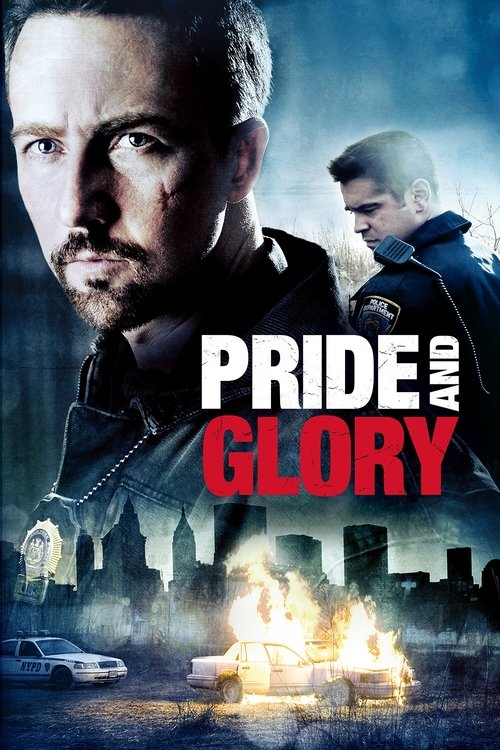
Walking into a screening of Pride and Glory in late 2008 felt like opening a time capsule that had been buried in a New York City gutter two years prior. It arrived at the tail end of a massive wave of "prestige grit"—that specific mid-2000s obsession with handheld cameras, desaturated blues, and men screaming about "the street" in various shades of Irish-American angst. By the time it actually hit theaters, the world had already moved on to the sleek, neon-drenched cynicism of The Dark Knight or the kinetic hustle of The Departed. Gavin O’Connor’s police saga was essentially a 1970s Sidney Lumet film that had been left in a damp basement for thirty years, and I mean that as a compliment.
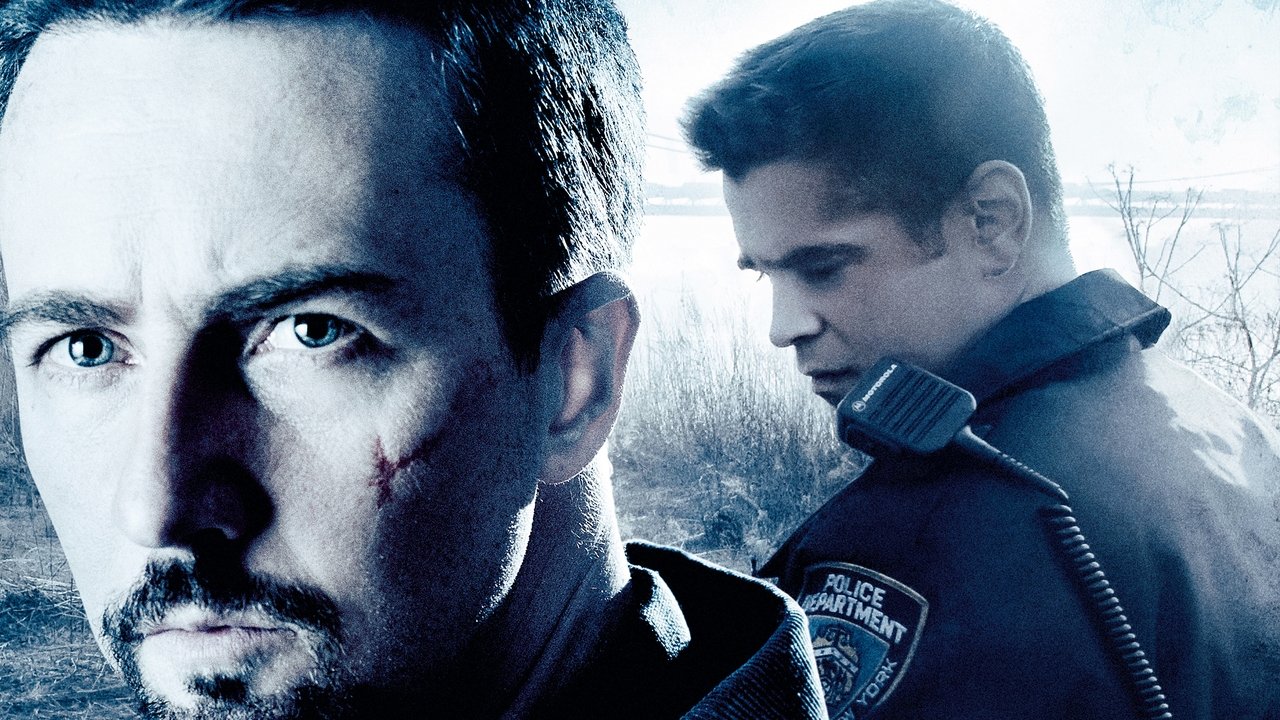
I actually paused the movie three times during my last re-watch just to check if my radiator was leaking because the film’s atmosphere is so perpetually damp, cold, and claustrophobic. It’s a movie that smells like wet wool and stale cigarettes.
A Dynasty Built on Thin Blue Ice
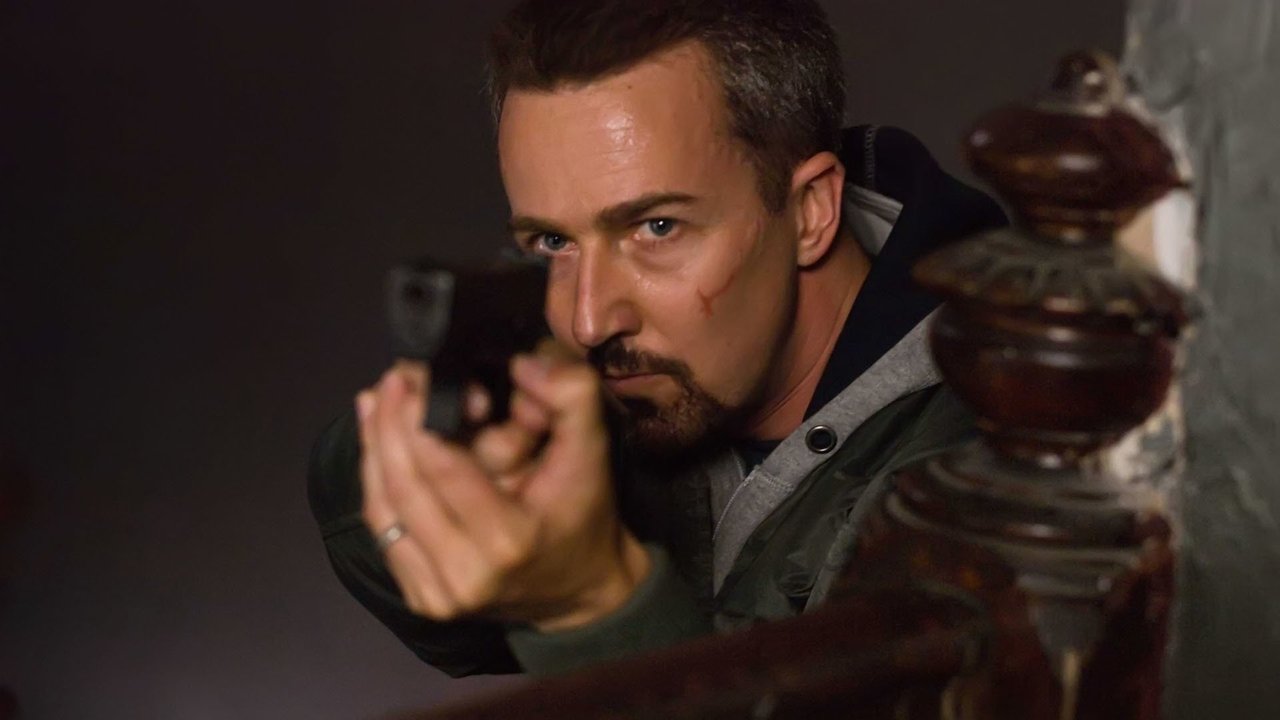
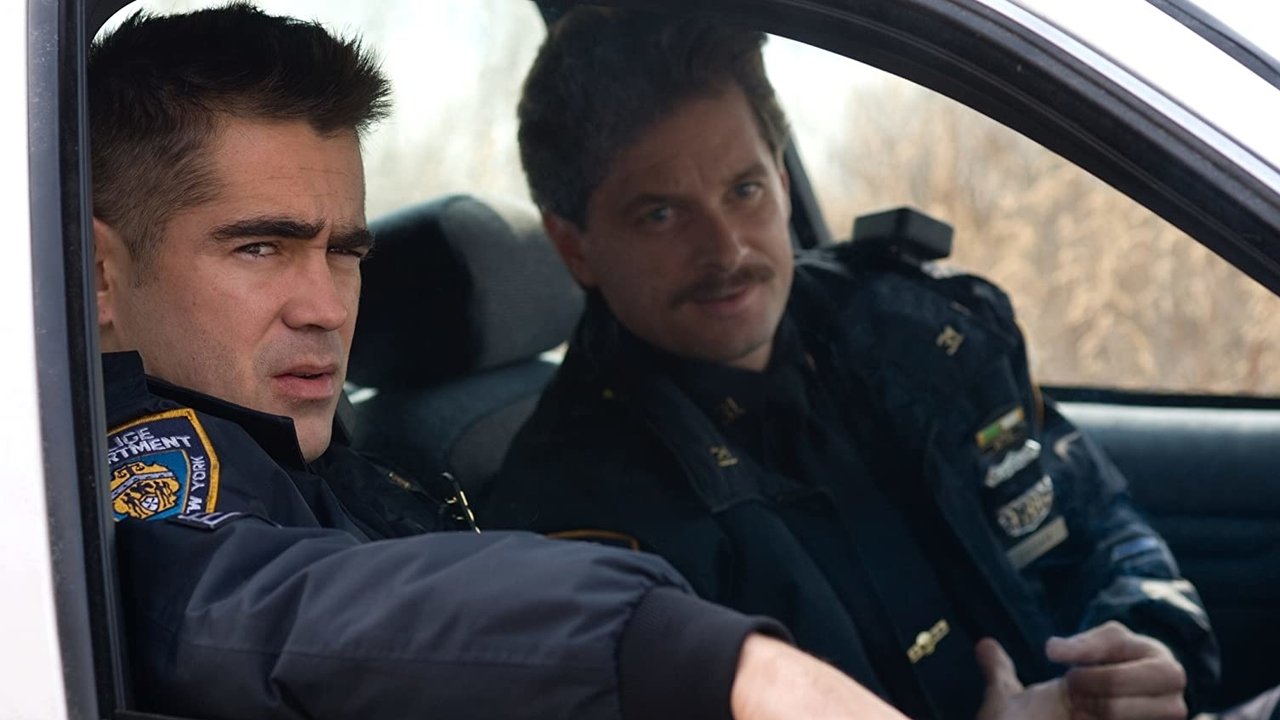
At its heart, this isn't really a "whodunnit" but a "who-will-cover-it-up." We follow the Tierneys, a multi-generational NYPD clan. Jon Voight plays the patriarch, Francis Sr., a man who views the department not as a job, but as a religion where the primary sacrament is silence. His sons, Ray (Edward Norton) and Francis Jr. (Noah Emmerich), along with their brother-in-law Jimmy (Colin Farrell), are all caught in the wake of a botched drug raid that left four officers dead.
Ray is the "good" cop with the "bad" history—a man living in a trailer, nursing old wounds—who gets tasked with investigating the mess. Edward Norton is doing his trademarked internal-combustion acting here; he’s a coiled spring of morality. But the real engine of the film is Colin Farrell. This was right in the middle of Farrell’s "Redemption Era," where he stopped trying to be a generic leading man and leaned into being a world-class character actor. His Jimmy Eagan is a monster, but he’s a charismatic, family-oriented monster. Farrell’s mustache deserves its own billing, as it somehow conveys more menace than most horror movie villains.
The Shelf-Life of a Scandal
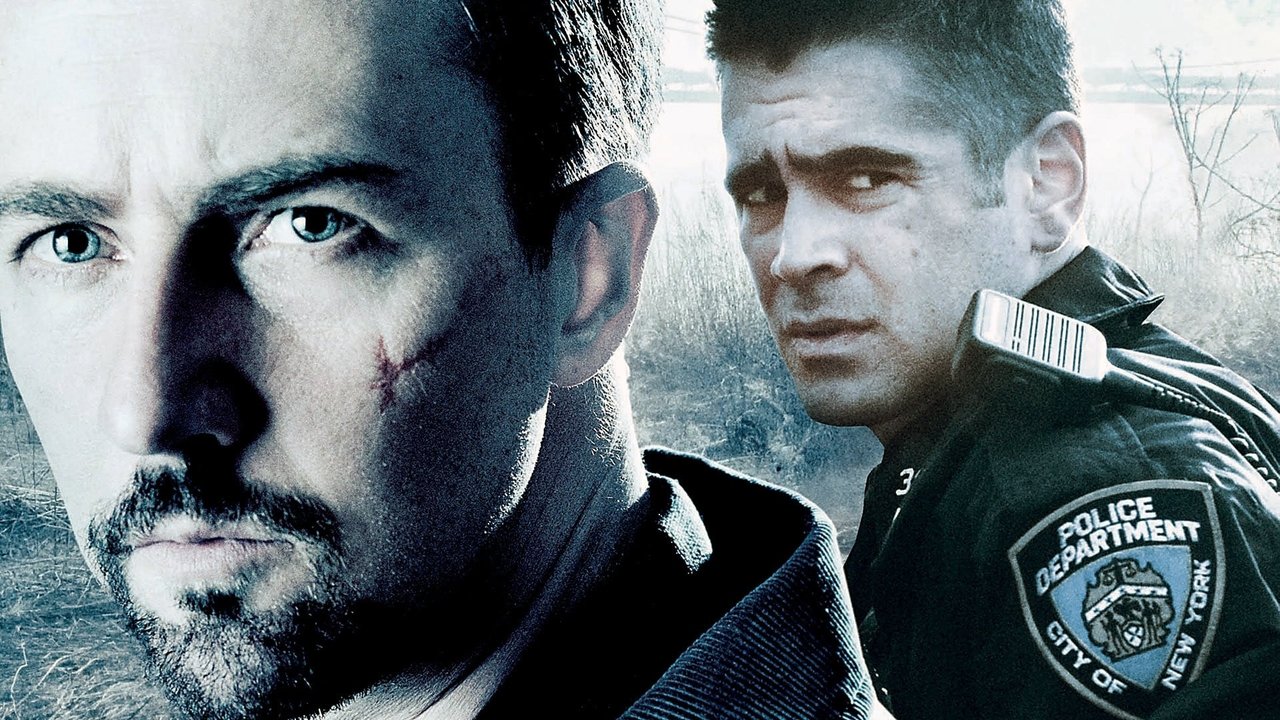
There’s a reason you might have missed this one in 2008. It famously sat on a shelf at New Line Cinema for nearly two years. The studio was being absorbed by Warner Bros., and there were rumblings that the film was "too dark" or "too controversial" in its depiction of police corruption for a post-9/11 New York. Looking back, that feels almost quaint. We’ve seen far more cynical takes on the badge since then, but Pride and Glory has a specific, heavy-handed sincerity that makes its violence feel particularly ugly.
Take the infamous "hot iron" scene. I won't spoil the context, but Colin Farrell uses a household appliance in a way that will make you look at your laundry room with suspicion for a week. It’s a scene that feels like it belongs in a Joe Carnahan movie—which makes sense, given that Joe Carnahan (Narc) co-wrote the script. You can feel the tension between O’Connor’s desire for a poetic family drama and Carnahan’s instinct for knuckle-dusting pulp. The result is a film that’s occasionally clumsy but always impactful. It’s a tragedy where the characters aren't fighting "the system" so much as they are fighting the dinner table.
Why It Vanished (and Why to Find It)
Pride and Glory is a victim of timing and genre fatigue. It’s the kind of movie that used to be a staple of DVD collections—the "reliable rental" that you’d pick up because the cast was too good to ignore. The cinematography by Declan Quinn (Leaving Las Vegas) is gorgeous in a very specific, grimy way. He captures the Bronx not as a tourist destination, but as a series of dimly lit kitchens and rain-slicked alleys. It’s a visual style that has largely been replaced by the flat, digital look of modern streaming procedurals, and I found myself missing the grain and the shadows.
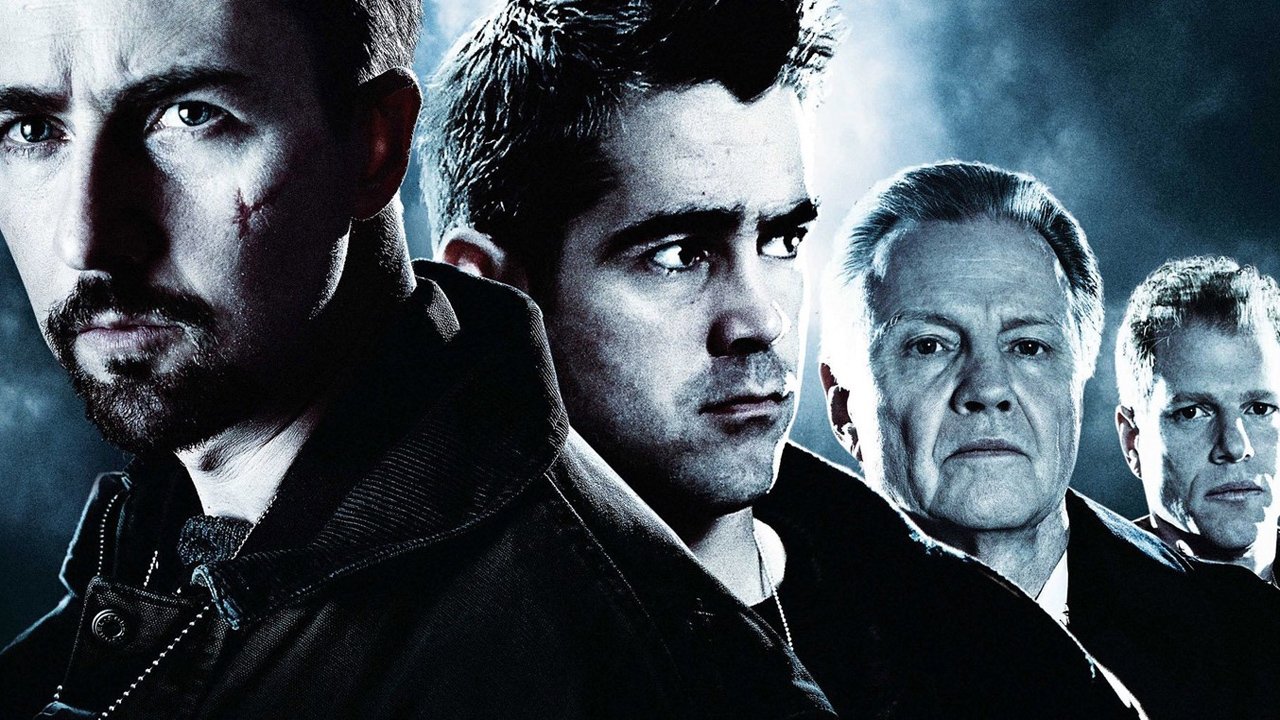
Is it a masterpiece? No. It hits every "corrupt cop" trope in the book: the heavy drinking, the Irish wakes, the yelling matches about "loyalty." It’s basically a Shakespearean tragedy dressed in a dirty NYPD windbreaker. But the performances elevate it far beyond its script. Noah Emmerich, who is often the unsung hero of everything he’s in, is devastating as the brother caught between his father’s expectations and his brother-in-law’s crimes. The chemistry between the leads feels lived-in; you believe these men have been eating Sunday dinner together for twenty years, which makes the inevitable betrayal hurt that much more.
If you’re looking for a breezy Friday night watch, this isn't it. But if you want a reminder of what mid-budget, star-driven adult dramas used to look like before they all migrated to HBO, Pride and Glory is a solid, bruising experience. It’s a film about the heavy cost of a clean conscience, and while it might not have redefined the genre, it certainly left a few marks. Give it a shot on a rainy Tuesday; it fits the mood perfectly.
Keep Exploring...
-

Revolver
2005
-
In the Valley of Elah
2007
-
Untraceable
2008
-
Basic
2003
-

I'm Not Scared
2003
-
Edge of Darkness
2010
-
The Client
1994
-
Breakdown
1997
-
Kiss the Girls
1997
-
Arlington Road
1999
-
The Pledge
2001
-
The Score
2001
-
Kill the Messenger
2014
-
Tell No One
2006
-

Trust
2010
-

Trance
2013
-
The Constant Gardener
2005
-
Running Scared
2006
-

The Manchurian Candidate
2004
-
The Girl Who Played with Fire
2009