Punisher: War Zone
"Justice is served. Extra bloody."
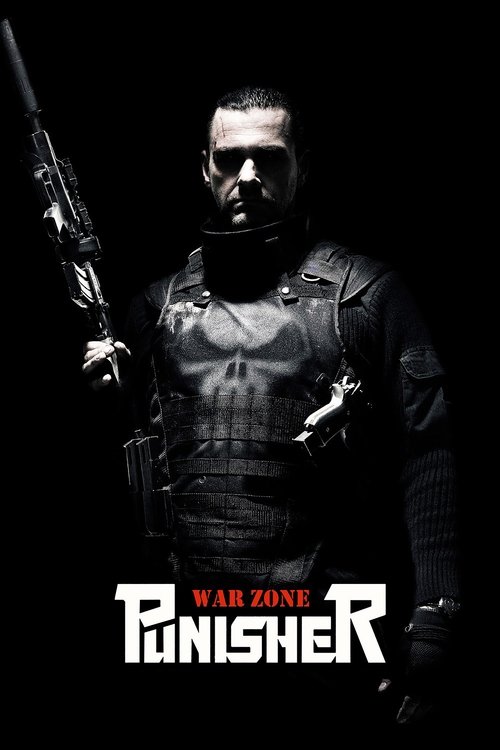
While the rest of the world was busy watching Robert Downey Jr. perfect the superhero quip in Iron Man or witnessing Heath Ledger redefine the villain in The Dark Knight, a tiny, hyper-violent storm was brewing in the shadows of the Marvel brand. Released in the same year that essentially birthed the modern, sanitized blockbuster era, Punisher: War Zone arrived like a drunk uncle at a formal wedding—loud, covered in questionable stains, and ready to start a fight with the centerpiece.

It’s a film that shouldn’t exist, yet I’m so glad it does. When I sat down to rewatch this for the third time, I was eating a bag of slightly stale pretzels that had been sitting in my glove box for a week, and honestly, the dry, salty crunch felt like the perfect sensory accompaniment to the "grindhouse" energy director Lexi Alexander brought to the screen. This isn’t a "movie" in the prestige sense; it’s a live-action heavy metal album cover.
A Middle Finger to the Status Quo
By 2008, the "gritty reboot" was becoming the industry standard, but most directors interpreted "gritty" as "desaturated and serious." Lexi Alexander, a former world karate champion who previously directed Green Street Hooligans, went the opposite direction. She looked at the source material—specifically the Punisher MAX run by Garth Ennis—and decided that the screen should be soaked in primary colors.
Looking back, the cinematography by Steve Gainer is what hits me first. It’s a neon-drenched fever dream. Every alleyway is glowing with toxic greens, bruised purples, and deep, blood-soaked reds. It feels less like a post-9/11 meditation on vigilantism and more like a 1980s Italian giallo film shot with 21st-century technology. It was a bold choice that confused critics at the time, but in an era of gray-filtered MCU entries, it feels refreshing. It’s visual storytelling that actually has a pulse, even if that pulse is racing at 180 beats per minute.
The Brick Wall with a Gun
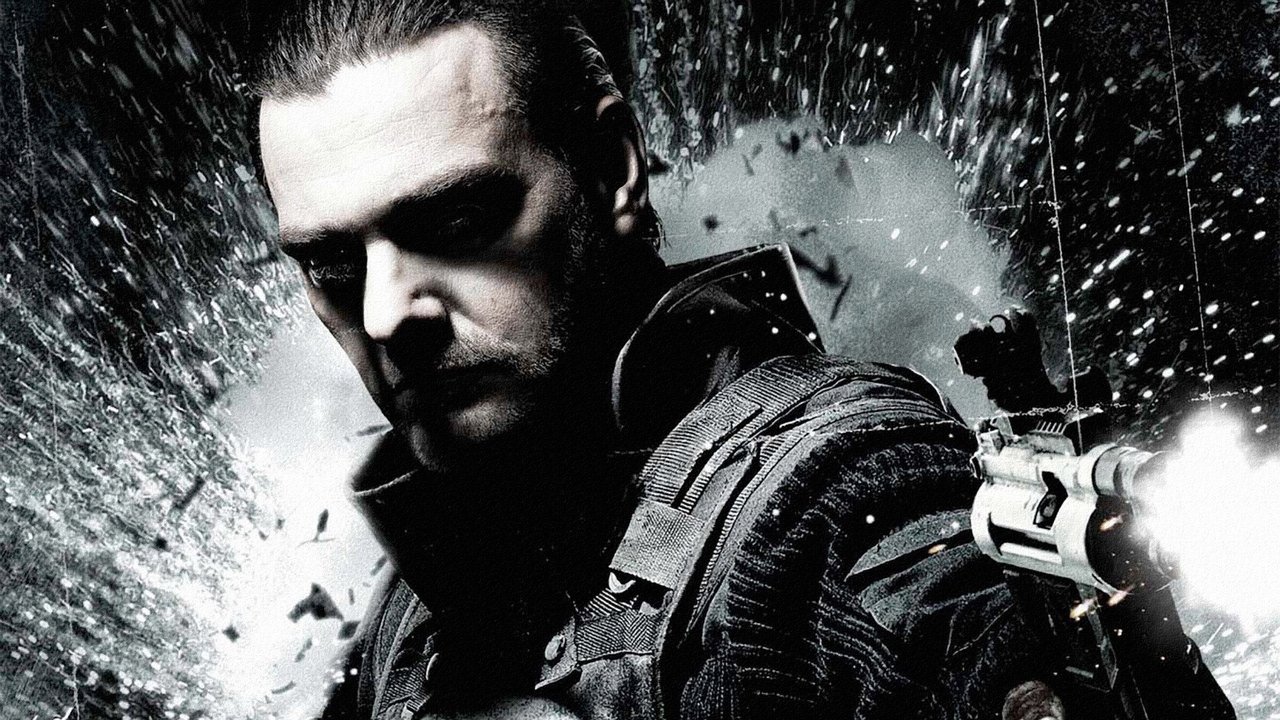
The late Ray Stevenson (who many will know from Rome or as Volstagg in the Thor movies) is, in my humble opinion, the definitive Frank Castle. While Thomas Jane gave us a grieving man looking for a plan, Ray Stevenson gives us a man who has already died inside and is just waiting for his body to catch up. He’s a physical titan—a lumbering, terrifying mountain of Kevlar and scowls.
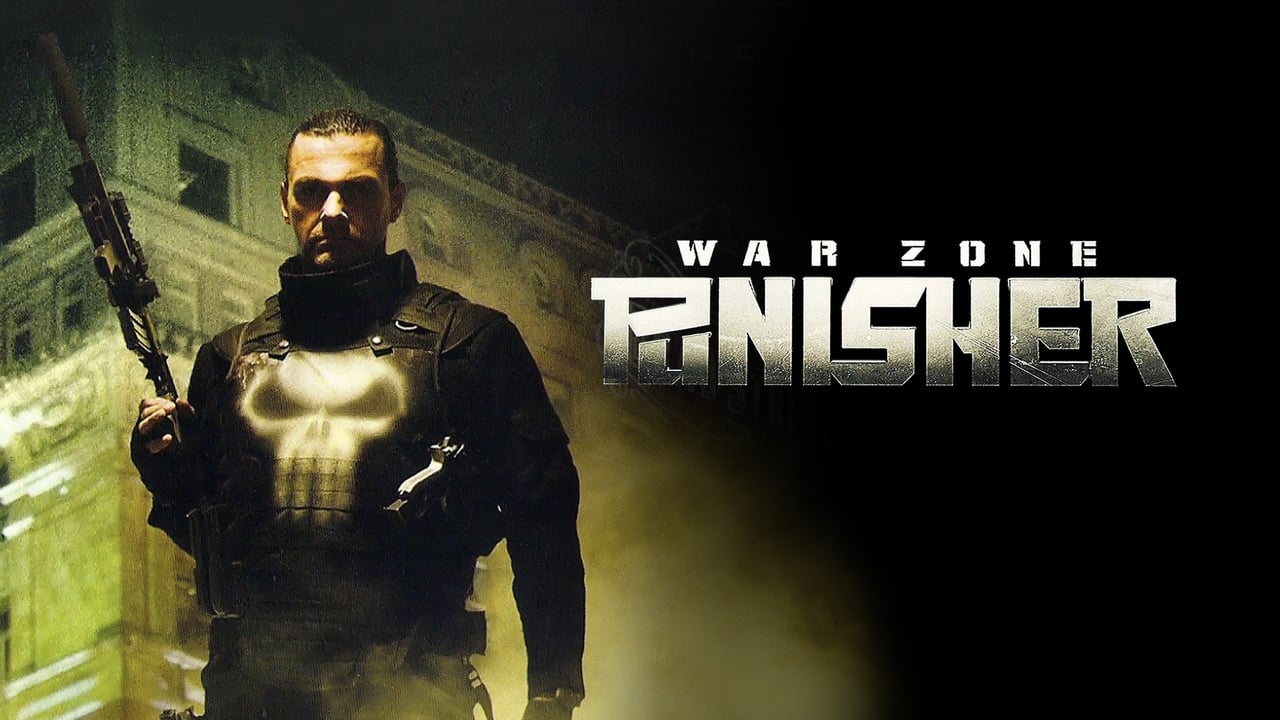
When he walks into a room, the air changes. There’s a scene early on where he infiltrates a mob dinner, and the way he moves isn't like a ninja or a sophisticated super-spy; he moves like a slasher movie villain. That’s the secret sauce of War Zone: it’s a Friday the 13th movie where Jason Voorhees is the guy we’re actually rooting for. Stevenson doesn’t need a three-act character arc here; he just needs more ammunition.
Opposite him, we get Dominic West as Billy "Jigsaw" Russoti and Doug Hutchison as his brother, Loony Bin Jim. If Stevenson is playing it as a grim funeral, West and Hutchison are playing it as a drag show at the end of the world. They are chewing so much scenery I’m surprised there was a set left to film on. It’s campy, it’s grotesque, and it’s completely at odds with the "realistic" tone Hollywood was chasing at the time.
Practical Mayhem in a Digital Age
What really makes War Zone stand out in the 1990-2014 window is its commitment to the "splat." This was a transition period where CGI was starting to replace blood squibs, but Alexander keeps things refreshingly physical. When someone gets hit in this movie, they don’t just fall over; they explode.
I remember the "parkour" scene—where Frank uses a grenade launcher on a group of urban explorers mid-flip—becoming a bit of an internet legend. It’s absurd, yes, but the execution has a tactile weight to it. The stunts feel dangerous. The explosions feel hot. In a world where we’ve become numb to digital armies clashing in gray skies, there’s something deeply satisfying about watching a stuntman actually fall through a glass table.
The film was a notorious box office bomb, making back only half of its $20 million budget. It was essentially buried by Lionsgate, who didn't seem to know how to market a movie that was too violent for kids but too "comic-booky" for the No Country for Old Men crowd. It vanished from theaters faster than a witness in a mob trial, but it found its second life on DVD, where the special features revealed a director who fought tooth and nail for her R-rated vision.
Punisher: War Zone is not a "good" movie by any traditional academic metric, but it is a spectacular piece of genre filmmaking. It’s a relic of a brief moment when a studio was willing to hand $20 million to a visionary director to make something completely uncompromising and weird. It doesn't care about building a cinematic universe or setting up a sequel; it only cares about the next muzzle flash.
If you’re tired of the "quip-heavy" superhero formula and want to see what happens when a comic book movie actually leans into the "war" part of its title, seek this one out. It’s loud, it’s ugly, and it’s incredibly fun. Just maybe skip the stale glove-box pretzels while you watch—the movie provides enough crunch on its own.
Keep Exploring...
-

The Punisher
2004
-
Chaos
2005
-
War
2007
-
Basic
2003
-
A Man Apart
2003
-
Cradle 2 the Grave
2003
-
Taxi 3
2003
-
Assault on Precinct 13
2005
-
Bandidas
2006
-
Firewall
2006
-
Smokin' Aces
2006
-
Death Sentence
2007
-
Shoot 'Em Up
2007
-
Taxi 4
2007
-
Street Kings
2008
-
District 13: Ultimatum
2009
-
Harry Brown
2009
-
Cop Out
2010
-
Takers
2010
-
The Losers
2010