Quantum of Solace
"Vengeance is a cold, short, sharp shock."
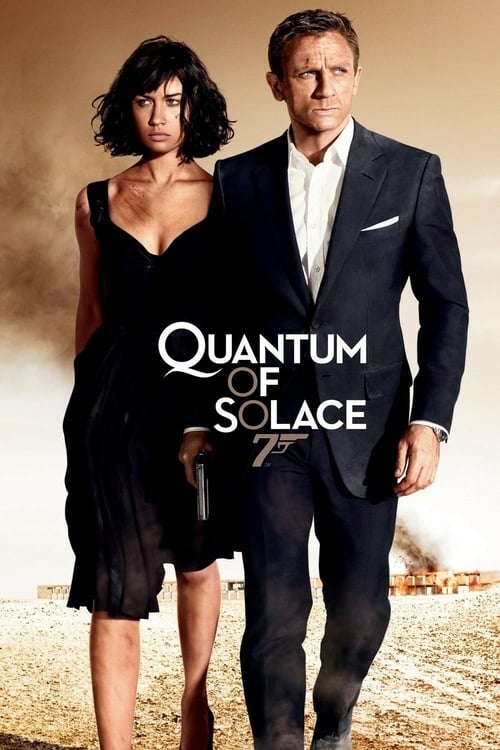
I remember watching Quantum of Solace in a theater where the air conditioning was cranked so high I had to buy a second, overpriced tub of popcorn just to have something warm to rest against my chest. That’s this movie in a nutshell: cold, jagged, and slightly uncomfortable, yet you find yourself clinging to it because there’s something genuinely substantial underneath the frost.
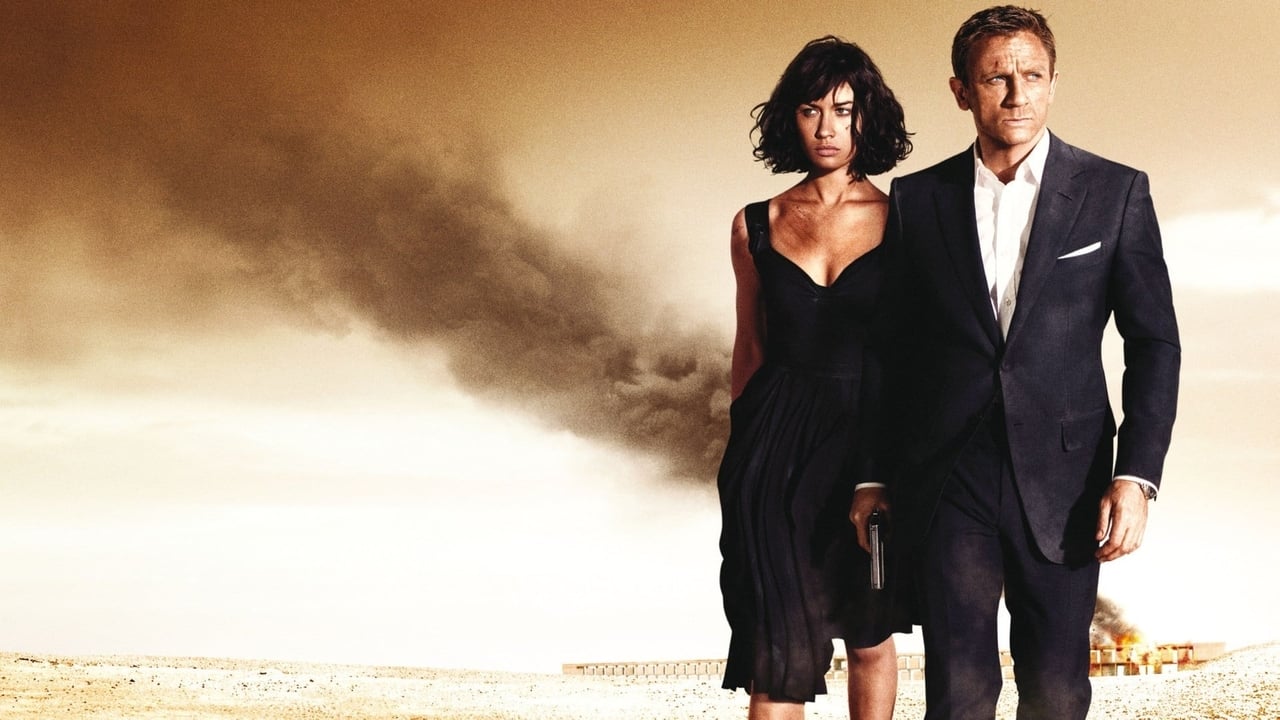
For years, this has been the "black sheep" of the Daniel Craig era. It’s the middle child that everyone ignores in favor of the glamorous older brother (Casino Royale) or the sophisticated, Oscar-winning younger sibling (Skyfall). But looking back from our current vantage point—where franchises are often bloated, three-hour marathons—there is something incredibly refreshing about a Bond film that clocks in at a lean 106 minutes and spends most of that time trying to punch its way out of a paper bag.
The Strike-Stricken Sequel
To understand why Quantum feels so frantic, you have to look at the era it was born into. This was 2008, the year the Writers Guild of America strike brought Hollywood to its knees. Most big-budget productions were paralyzed, but the Bond machine waited for no one. Daniel Craig later admitted that he and director Marc Forster (World War Z, Monster’s Ball) were essentially rewriting scenes on the fly. "I was trying to rewrite scenes—and a writer I am not," Craig famously said.
You can feel that "building the plane while flying it" energy in every frame. The plot is stripped to the bone. Bond is hurting after the death of Vesper Lynd, and he’s taking it out on everyone within reach. It’s a post-9/11 revenge flick masquerading as a spy movie. While the previous era of Pierce Brosnan leaned into gadgetry and puns, Quantum is fueled by a bleak, mid-2000s cynicism. The villain, Dominic Greene (played with a wonderful, twitchy sliminess by Mathieu Amalric), isn’t trying to blow up the moon; he’s trying to monopolize a country’s water supply. It felt grounded—maybe a little too grounded for fans who wanted invisible cars—but in retrospect, it was incredibly prescient about the resource wars of the 21st century.
A Study in Scars and Stunts
The action choreography here is a polarizing beast. Coming off the heels of the Bourne trilogy’s massive success, Forster opted for a hyper-fast, "shaky cam" editing style. The opening car chase in Siena is edited so aggressively it makes a Paul Greengrass film look like a slow-burn period drama. I’ve watched that sequence ten times, and I’m still not entirely sure how Bond’s door stayed on as long as it did.
However, if you can look past the rapid-fire cuts, the actual stunt work is staggering. The foot chase across the tiled roofs of Siena and the subsequent struggle on the ropes of a bell tower are masterclasses in physical storytelling. Daniel Craig was a wreck by the end of this shoot. He suffered a sliced finger, a gash to his face that required stitches, and a torn shoulder. That physical toll shows on screen. This isn't the Bond who adjusts his cufflinks after a jump; this is the Bond who looks like he’s one bad day away from a permanent disability claim.
He’s joined by Olga Kurylenko as Camille, who remains one of my favorite "Bond girls" precisely because she isn't one. She’s on her own parallel quest for vengeance, and she has zero interest in jumping into bed with 007. Their relationship is built on a mutual recognition of trauma, which gives the film a weight that the script’s thin dialogue sometimes fails to provide.
The Black Sheep’s Redemption
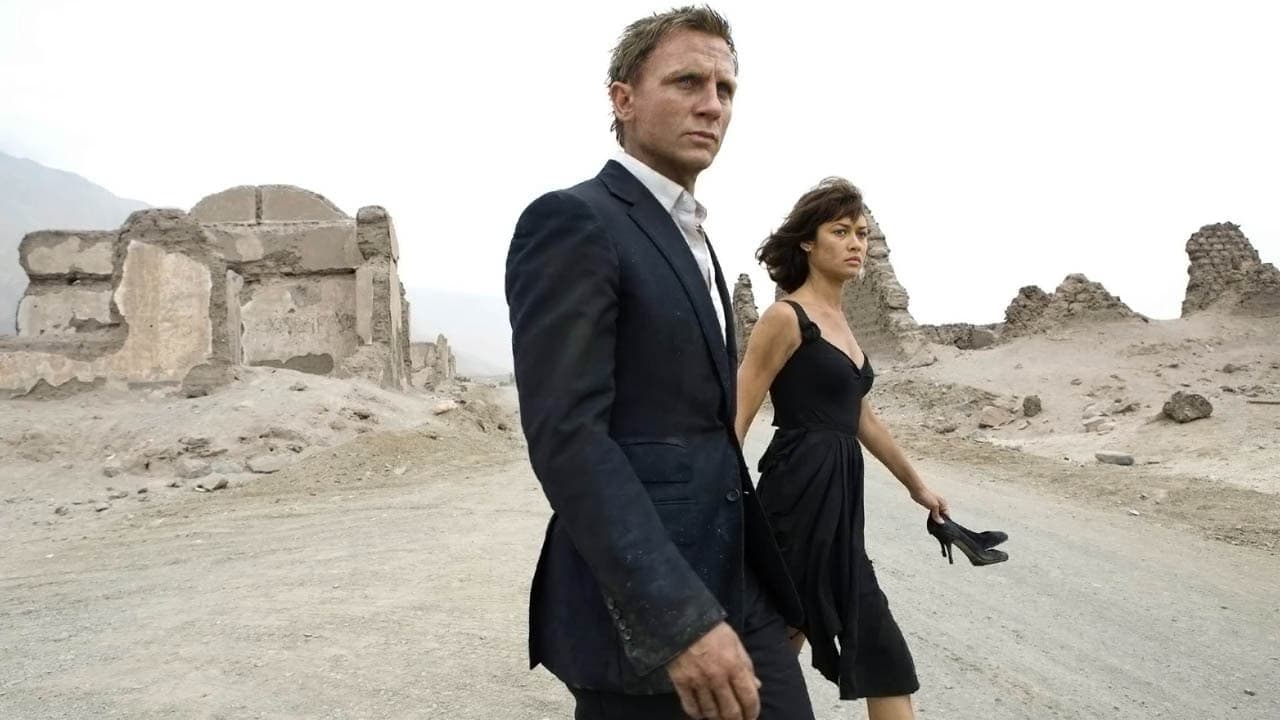
While it was a commercial hit, the "Bond Purists" hated it at the time. They missed the humor, the gadgets, and the theme songs that didn't sound like Jack White and Alicia Keys fighting over a drum kit. But the "Cult of Quantum" has grown in recent years. We’ve come to appreciate the film’s unique aesthetic—the minimalist production design, the sun-bleached landscapes of the Atacama Desert, and the way it pays homage to the past without being buried by it.
The scene involving Strawberry Fields (Gemma Arterton) and the oil is a haunting, pitch-black callback to Goldfinger that serves as the film's visual peak. It’s also worth noting that Mathis, played by the legendary Giancarlo Giannini, gets a far more moving send-off here than most supporting characters in the franchise ever receive.
Turns out, the movie’s biggest flaw—its brevity—has become its greatest strength. In an age of franchise fatigue, a Bond movie that gets in, wrecks the furniture, and leaves before the two-hour mark feels like a gift. It’s a raw, bleeding nerve of a movie that captures a very specific moment in cinema history where we weren't sure if we wanted our heroes to be icons or humans.
Quantum of Solace isn't the "best" James Bond movie, but it might be the most honest one. It’s a chaotic, jagged portrait of grief and political cynicism that survived a writers' strike and emerged as a fascinatingly weird piece of action cinema. It doesn't care if you like it, and honestly, that's exactly why I've come to love it. If you haven't revisited it since 2008, give it another shot—just maybe keep a sweater nearby for those cold, desert nights.


Keep Exploring...
-
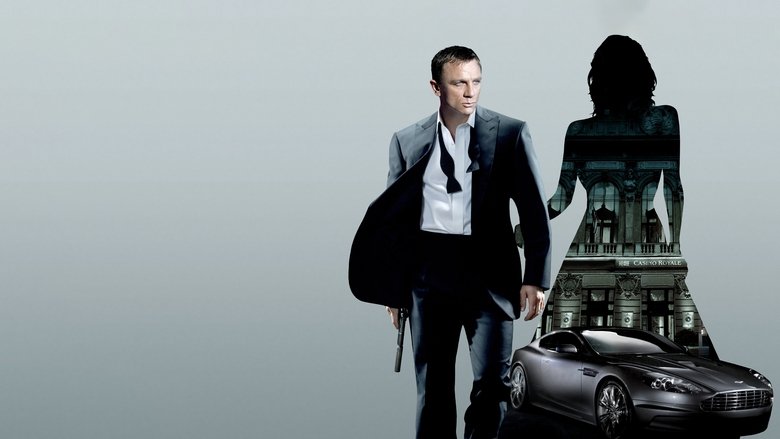
Casino Royale
2006
-

Skyfall
2012
-

The World Is Not Enough
1999
-
Die Another Day
2002
-
GoldenEye
1995
-
Tomorrow Never Dies
1997
-
Spectre
2015
-
No Time to Die
2021
-
On Her Majesty's Secret Service
1969
-
The Man with the Golden Gun
1974
-
Dr. No
1962
-
From Russia with Love
1963
-
Thunderball
1965
-
You Only Live Twice
1967
-
Live and Let Die
1973
-
The Spy Who Loved Me
1977
-
Moonraker
1979
-
For Your Eyes Only
1981
-
Never Say Never Again
1983
-
Octopussy
1983