Quarantine
"The doors are locked. The nightmare stayed inside."
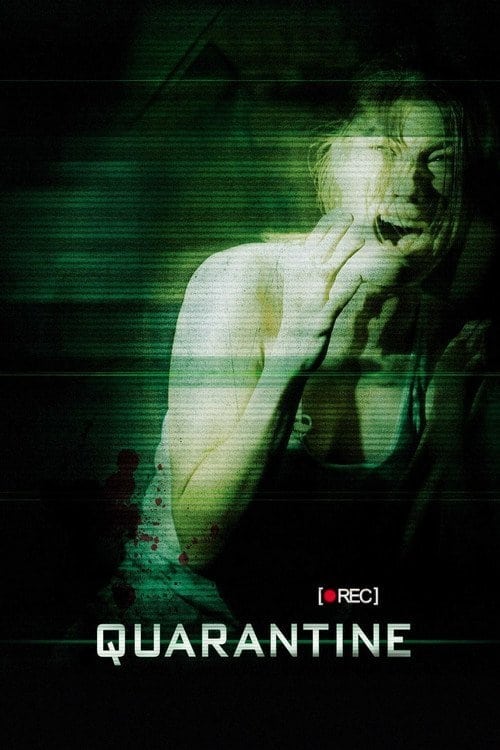
2008 was a weird time for our collective equilibrium. We were caught in that strange cultural window where digital cameras were finally small enough to be everywhere, but not yet sophisticated enough to feel like "cinema." In the horror world, this birthed a frantic obsession with the found-footage gimmick—a genre that promised us the "truth" through a shaky, low-res lens. While The Blair Witch Project started the fire in the late 90s, it was John Erick Dowdle’s Quarantine that brought that raw, unpolished panic into the claustrophobic hallways of a Los Angeles apartment complex.
I remember watching this for the first time on a cross-country flight next to a woman who was knitting a very intricate neon-green sweater. Every time someone on screen got bitten or dragged into the darkness, she dropped a stitch. By the time the credits rolled, that sweater looked like it had been through the same meat grinder as the cast.
The Shaky-Cam Reality Check
The premise is deceptively simple: Angela Vidal (Jennifer Carpenter) is a bubbly late-night TV reporter doing a "day in the life" segment at a local fire station. She’s paired with her cameraman, Scott (Steve Harris), and a charming firefighter named Jake (Jay Hernandez). What starts as a fluff piece about sleeping arrangements and fire poles takes a sharp left turn into hell when they respond to a routine distress call at an apartment building.
Once inside, the residents are screaming, the police are baffled, and—in a move that felt especially pointed in a post-9/11 world—the government abruptly seals every exit. No one gets out. No information gets in. It’s a pressure cooker scenario that uses its "found footage" style to strip away the comfort of a traditional movie. There are no soaring scores to tell you when to be scared, just the mechanical whir of the camera and the increasingly wet sounds of people being torn apart.
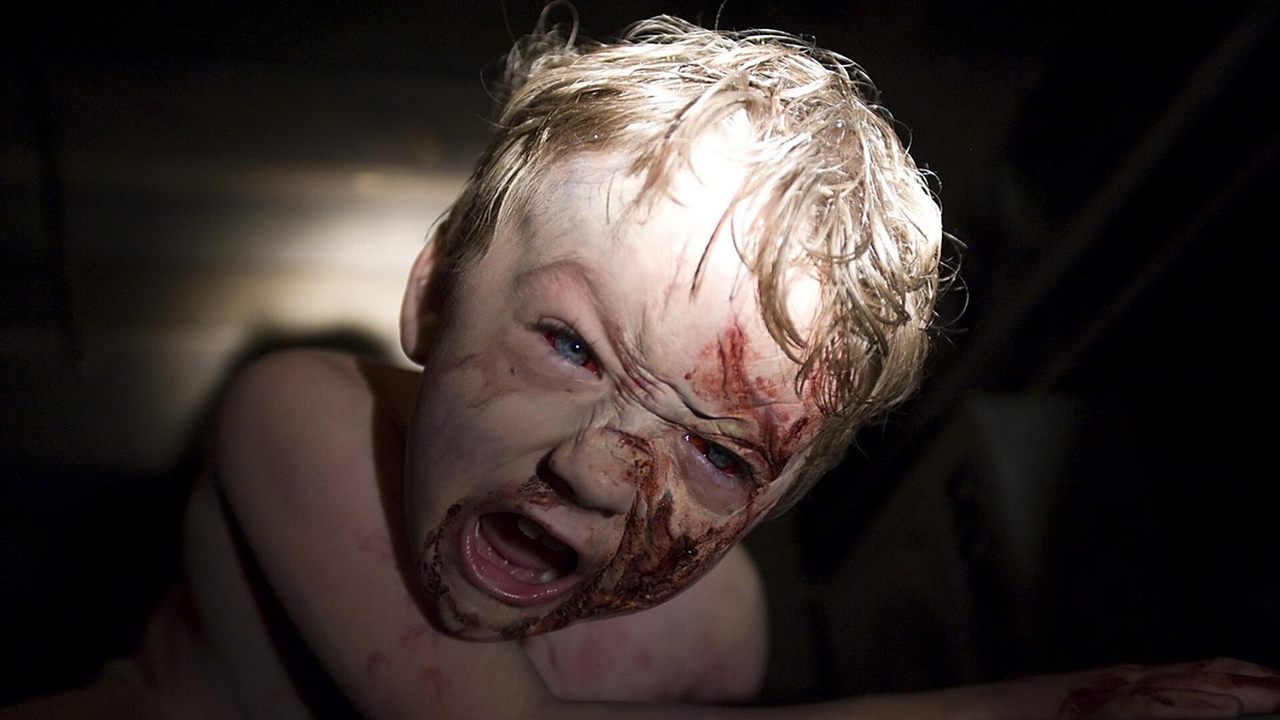
Looking back, the 2008-era CGI was often a hit-or-miss affair, but Quarantine wisely leans on practical grime. The makeup effects for the "infected" are nasty, favoring a Rabies-on-steroids look that feels uncomfortably grounded. It’s less about monsters and more about the complete collapse of the human nervous system, which is always a one-way ticket to Creepytown.
A Remake That Actually Bites
It’s impossible to talk about Quarantine without mentioning the Spanish masterpiece it’s based on: [REC]. Most critics at the time dismissed the American version as a shot-for-shot cash grab. While it follows the blueprint laid out by Paco Plaza and Jaume Balagueró almost beat-for-beat, I’d argue that John Erick Dowdle (who also gave us the underrated As Above, So Below) manages to inject a specific brand of American urban anxiety into the mix.
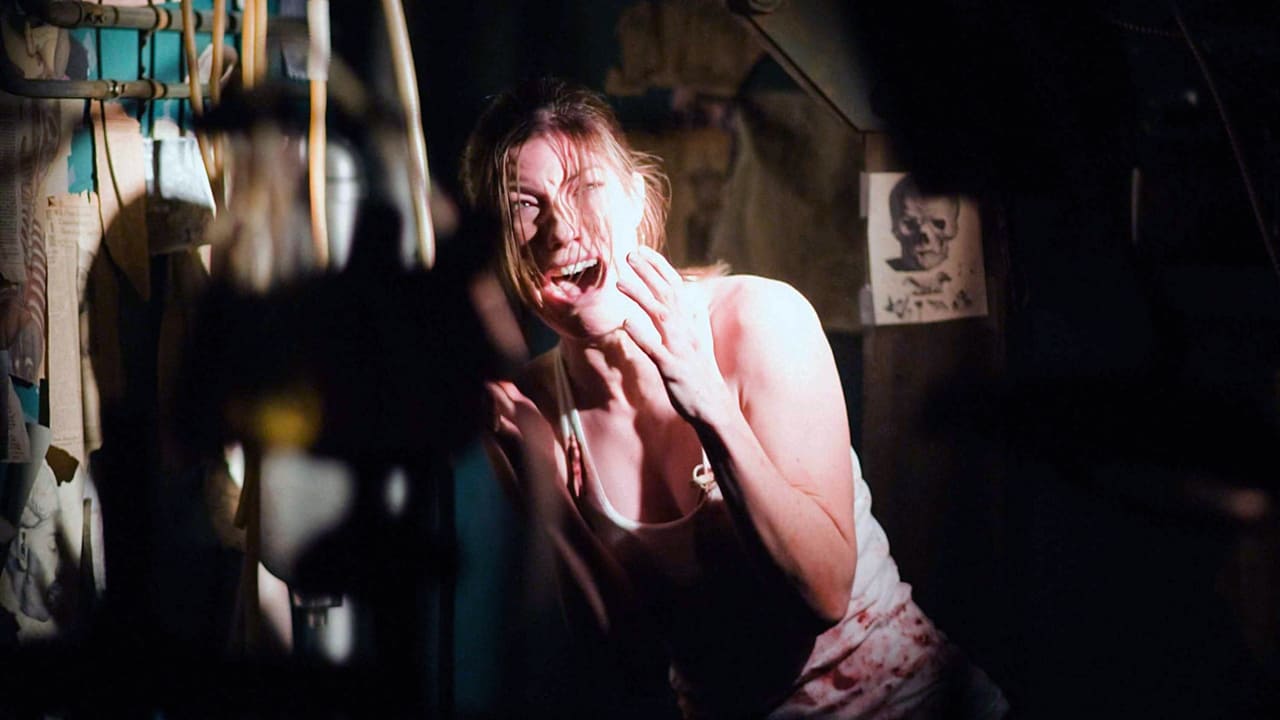
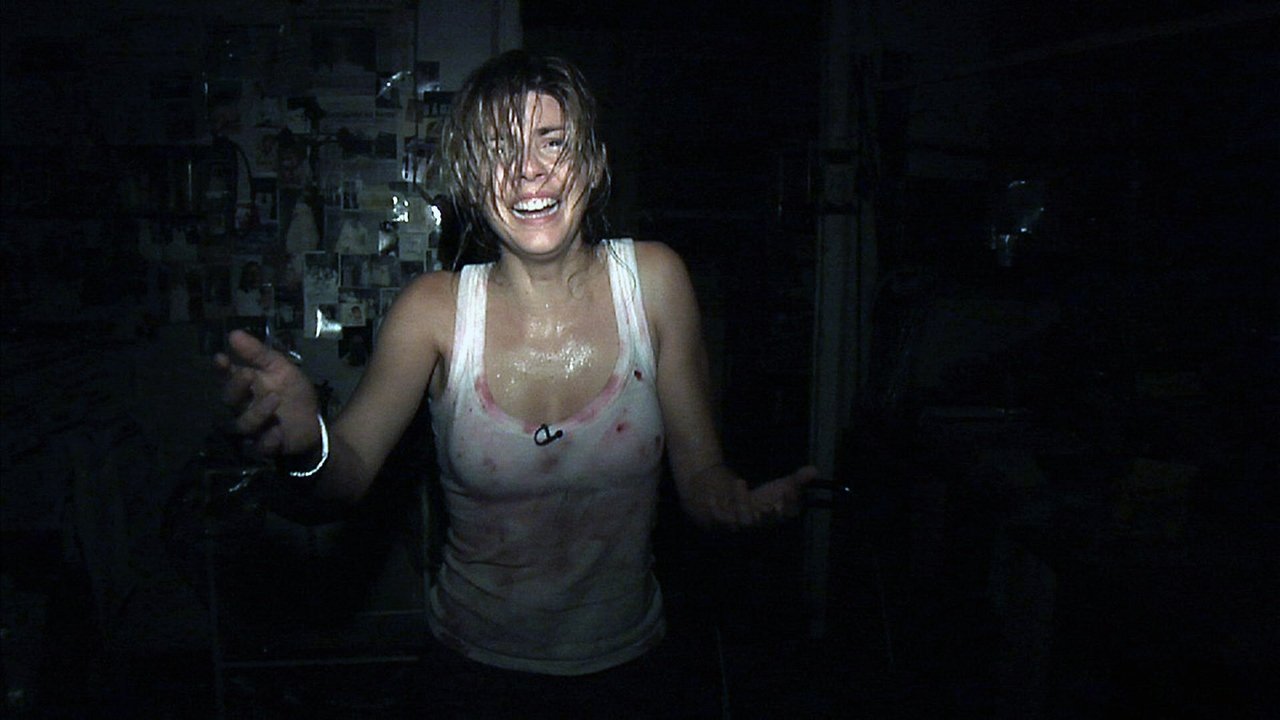
The setting is a character in its own right. The apartment building feels like a decaying organism. The narrow stairwells and dimly lit hallways create a sense of vertical claustrophobia that a wider lens would have ruined. Jennifer Carpenter is the secret weapon here. Fresh off her early seasons of Dexter, she brings a raw, high-strung energy that most horror protagonists lack. Her transition from a polished professional to a hyperventilating mess of survival instinct is harrowing to watch. Apparently, she actually hyperventilated so much during the final sequence that she nearly passed out on set—she really suffered for the craft, and you can feel every ounce of that genuine panic through the screen.
The Attic and the Aftermath
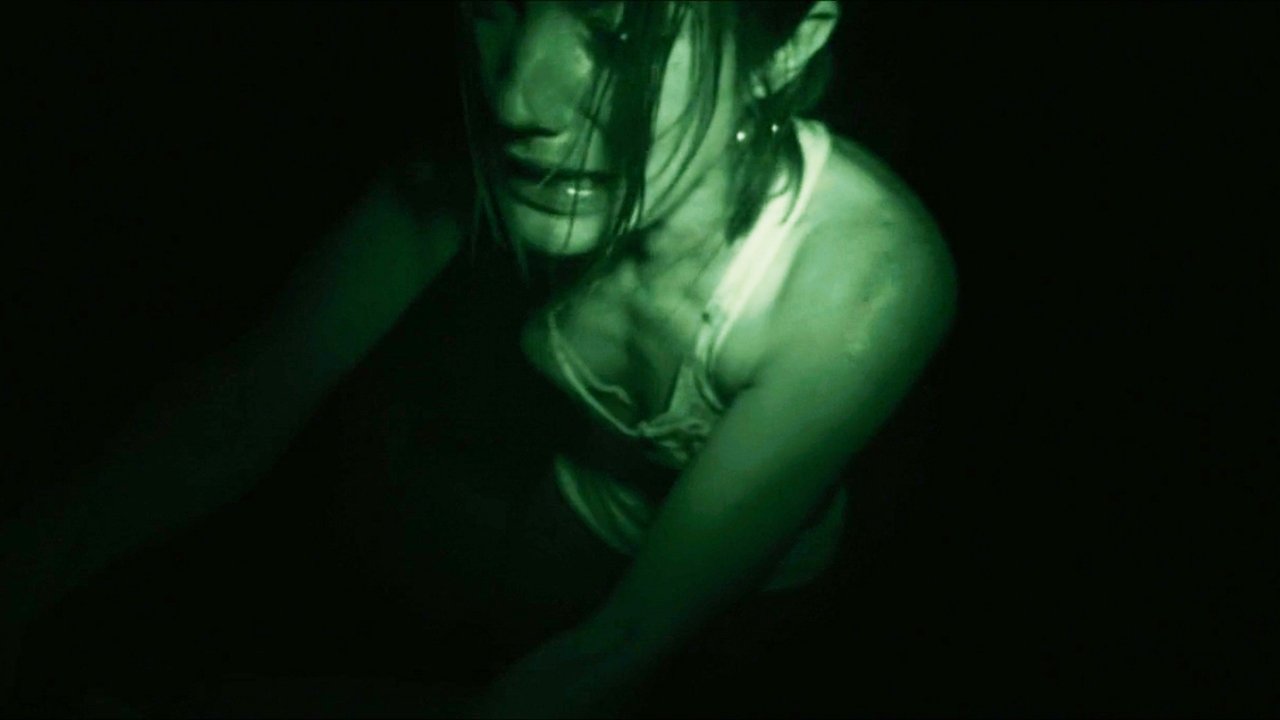
The final ten minutes of Quarantine remain some of the most effective "night vision" horror ever put to film. When the lights go out and the camera switches to that eerie green-and-gray palette, the movie shifts from a frantic thriller into a pure, silent nightmare. The "thin man" in the attic—played by Doug Jones, the legendary creature actor from Pan's Labyrinth and The Shape of Water—is a masterclass in using body type to create unease without relying on digital shortcuts.
What’s fascinating is how the film handles the "why." While the original [REC] leaned into a more supernatural, religious explanation, Quarantine pushes a more "science-gone-wrong" bio-weapon angle. It’s a very 2008 pivot, reflecting the era’s distrust of shadowy government agencies and the fear of a pandemic (a theme that, admittedly, hits a little differently these days).
Interestingly, the dog in the film, a Golden Retriever named Princess, was played by a dog named Sky who was apparently the most well-behaved member of the cast. In a movie filled with blood-vomiting neighbors and plunging elevator shafts, the dog was the only one who didn't need a second take.
Quarantine might not reinvent the wheel, but it balances the "shaky-cam" gimmick with genuine tension better than 90% of its contemporaries. It captures that specific mid-2000s transition where we were moving away from the "torture porn" of the Saw sequels and into a more immersive, "you are there" style of horror. It’s loud, it’s messy, and it’s unapologetically bleak. If you’ve only ever seen the Spanish original, this is still worth a look for Jennifer Carpenter's performance alone. Just make sure your doors are locked before you hit play.
Keep Exploring...
-
As Above, So Below
2014
-
Devil
2010
-
Land of the Dead
2005
-

The Invasion
2007
-
Carriers
2009
-

Village of the Damned
1995
-
Lake Placid
1999
-

Dreamcatcher
2003
-
Pandorum
2009
-

Time Lapse
2014
-

28 Weeks Later
2007
-
Dark Skies
2013
-
The Forgotten
2004
-
The Hitcher
2007
-

Vacancy
2007
-
Doomsday
2008
-

The X Files: I Want to Believe
2008
-
Untraceable
2008
-
The Box
2009
-
The Descent: Part 2
2009