Rambo
"A jagged, blood-soaked reminder that some monsters are necessary to fight true evil."
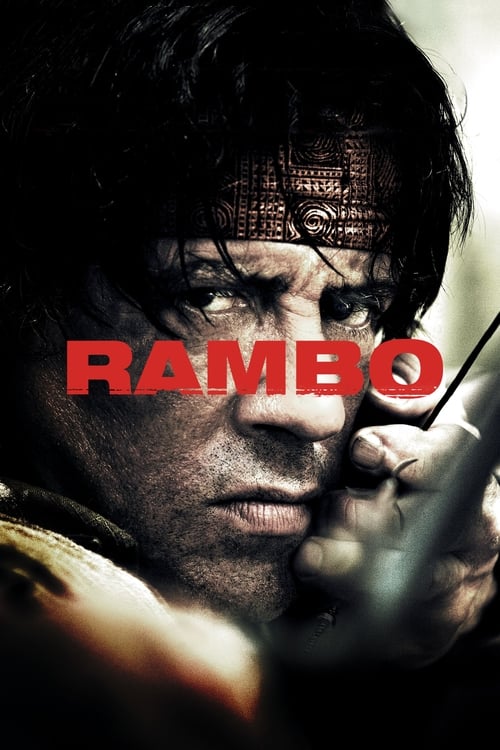
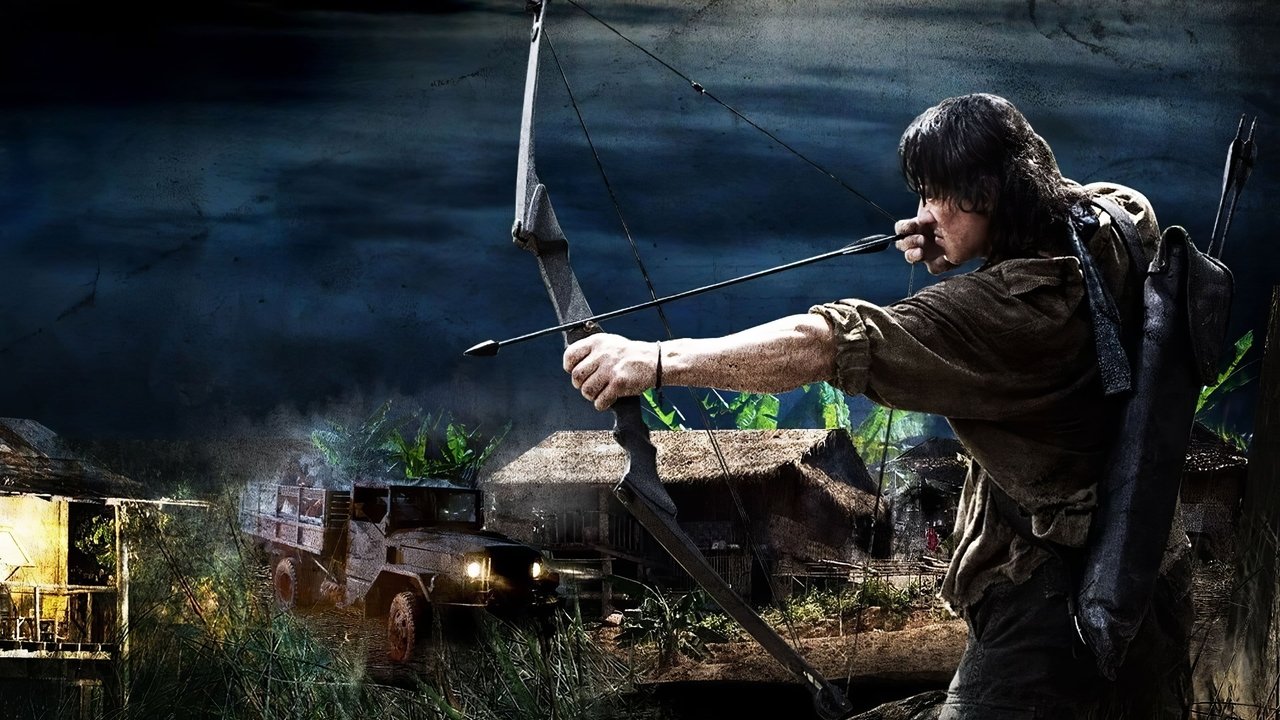
The first time a .50 caliber round hits a human target in 2008’s Rambo, it doesn’t just pierce skin; it disintegrates the concept of the "fun" 1980s action hero. There is no witty one-liner following the explosion of red mist—only the deafening, mechanical roar of a machine gun that sounds less like a movie prop and more like the end of the world. After the cartoonish excess of Rambo III (1988), Sylvester Stallone returned to the director's chair to remind us that John Rambo wasn't a G.I. Joe action figure; he was a scarred, cynical vessel of pure, distilled lethality.
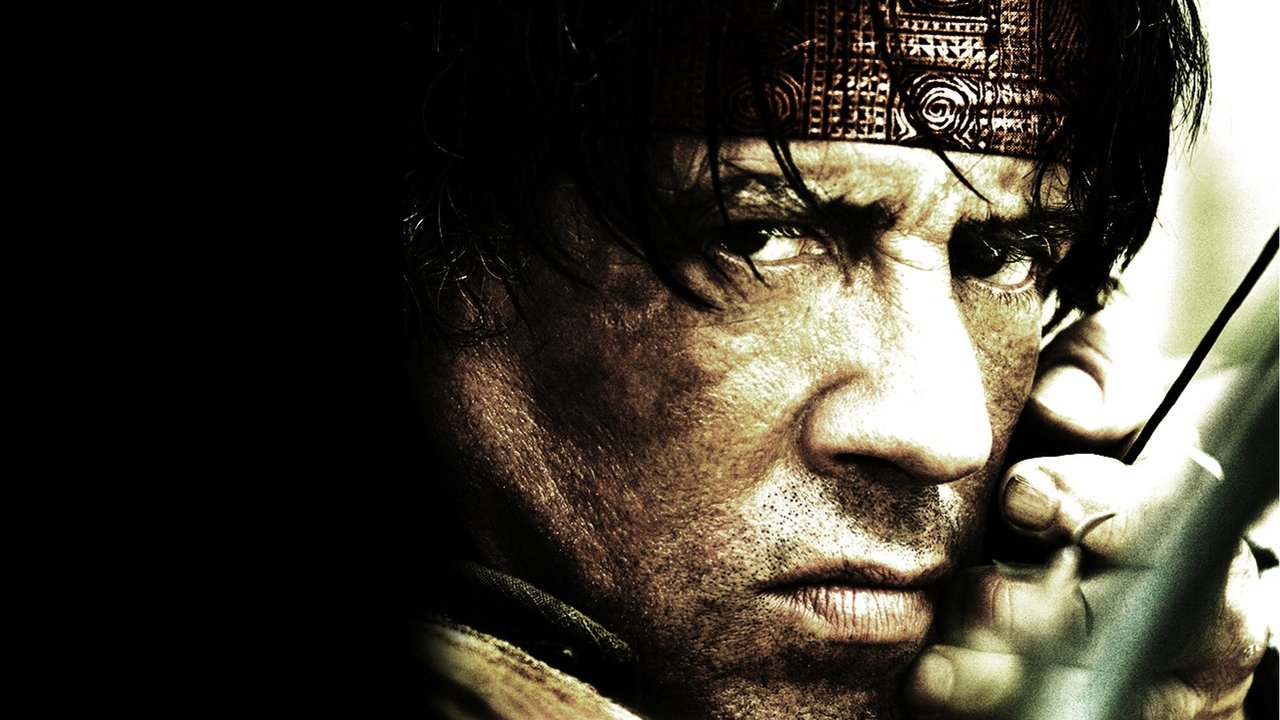
The Weight of the Machete
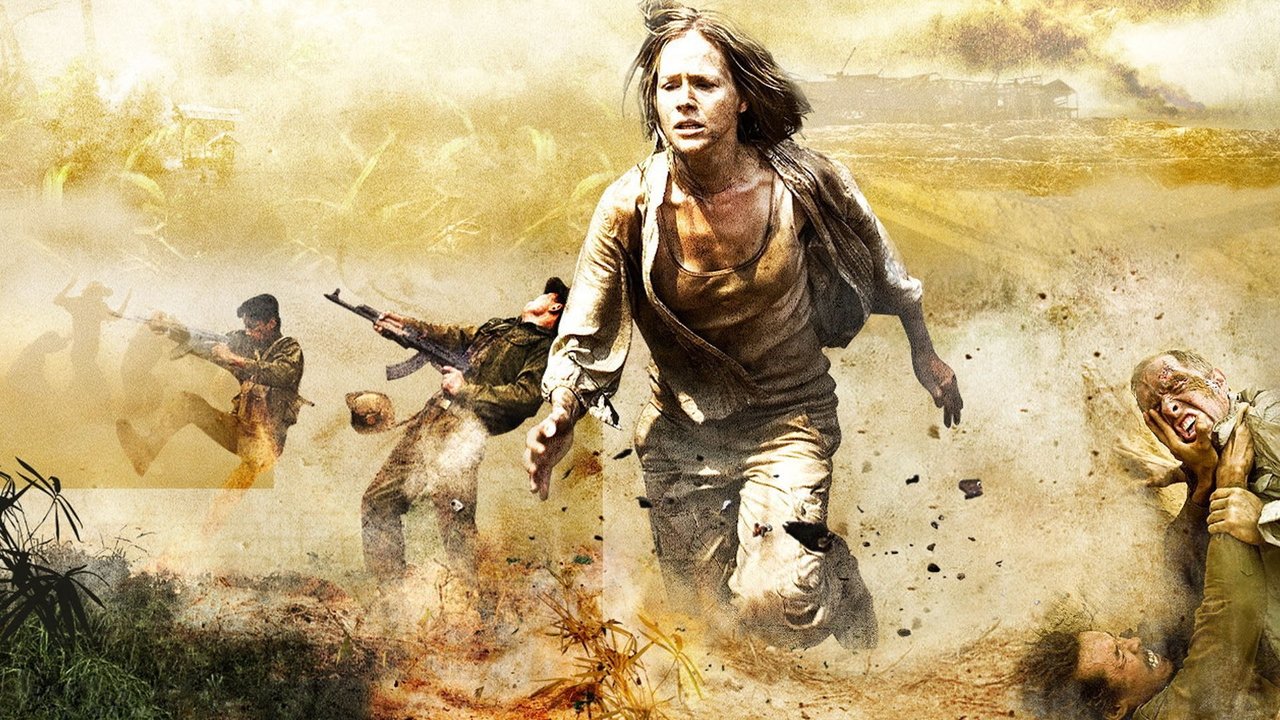
Coming off the surprise emotional success of Rocky Balboa (2006), Stallone seemed determined to strip away the glossy artifice of his most famous characters. In Rambo (often called John Rambo by the purists), we find our protagonist in Thailand, catching cobras and piloting a rusted long-tail boat. He’s retired from the world, and frankly, he’s over it. When a group of idealistic Christian missionaries, led by Michael Burnett (Paul Schulze) and Sarah (Julie Benz, who many will remember from Dexter), ask for passage into war-torn Myanmar to provide aid, Rambo’s response is a weary, nihilistic "Go home."
He knows what they don’t: the jungle doesn't care about their bibles or their good intentions. Looking back, this is perhaps the most "Post-9/11" action film of its era. It arrived in a landscape of grim "gritty reboots," but while other franchises were playing with shadows, Stallone was playing with meat. The film discards the romanticism of the lone warrior and replaces it with a somber, almost nihilistic realization that in the face of absolute depravity, only absolute violence can move the needle.
The Practical Gore Revolution
In 2008, Hollywood was firmly in the grip of the CGI revolution. The MCU was about to launch with Iron Man, and digital blood was becoming the industry standard. Stallone and cinematographer Glen MacPherson went the opposite direction. They leaned into practical squibs, real explosions, and a physical heaviness that makes every gunshot feel like a punch to the gut.
The violence here is so extreme that it borders on the "splatter" genre, yet it never feels celebratory. It’s ugly, wet, and terrifying. When Rambo finally decides to intervene, leading a group of cynical mercenaries—including a standout, foul-mouthed Graham McTavish (later of The Hobbit and Outlander fame) and Tim Kang (The Mentalist)—the result is a sustained 20-minute climax that remains one of the most visceral sequences in action history. The sound design by Brian Tyler, who also provided a score that echoes Jerry Goldsmith’s original themes, treats the .50 cal machine gun like a lead instrument in a horrific symphony.
A Cult Classic with a Conscience
While it performed respectably at the box office, Rambo earned its cult stripes on DVD, where fans obsessed over the "behind-the-scenes" brutality of the production. Stallone famously pushed for the film to highlight the real-world atrocities in Myanmar (then Burma), choosing the Saffron Revolution era as his backdrop.
The Popcornizer Trivia File:
The Burmese Ban: The film was officially banned by the Myanmar government. However, bootleg copies became a sensation among freedom fighters and students. The line "Live for nothing, or die for something" actually became a rallying cry for local pro-democracy activists. The Crenna Tribute: Richard Crenna, who played Col. Trautman, passed away in 2003. Stallone refused to recast the role, instead using archive footage from First Blood (1982) to maintain the character's presence as a ghost in Rambo’s mind. The Body Count: With 236 on-screen deaths, it was, at the time, the deadliest film in the franchise, averaging nearly 2.6 deaths per minute of its lean 92-minute runtime. Physical Toll: At 61, Stallone performed many of his own stunts, though he admitted the humid jungle shoot was one of the most punishing of his career. * The Original Cut: The film was nearly rated NC-17 due to the intensity of the village raid. Stallone fought to keep the violence "unforgivable" to reflect the reality of the conflict he was depicting.
The Legacy of the Last Boat Ride
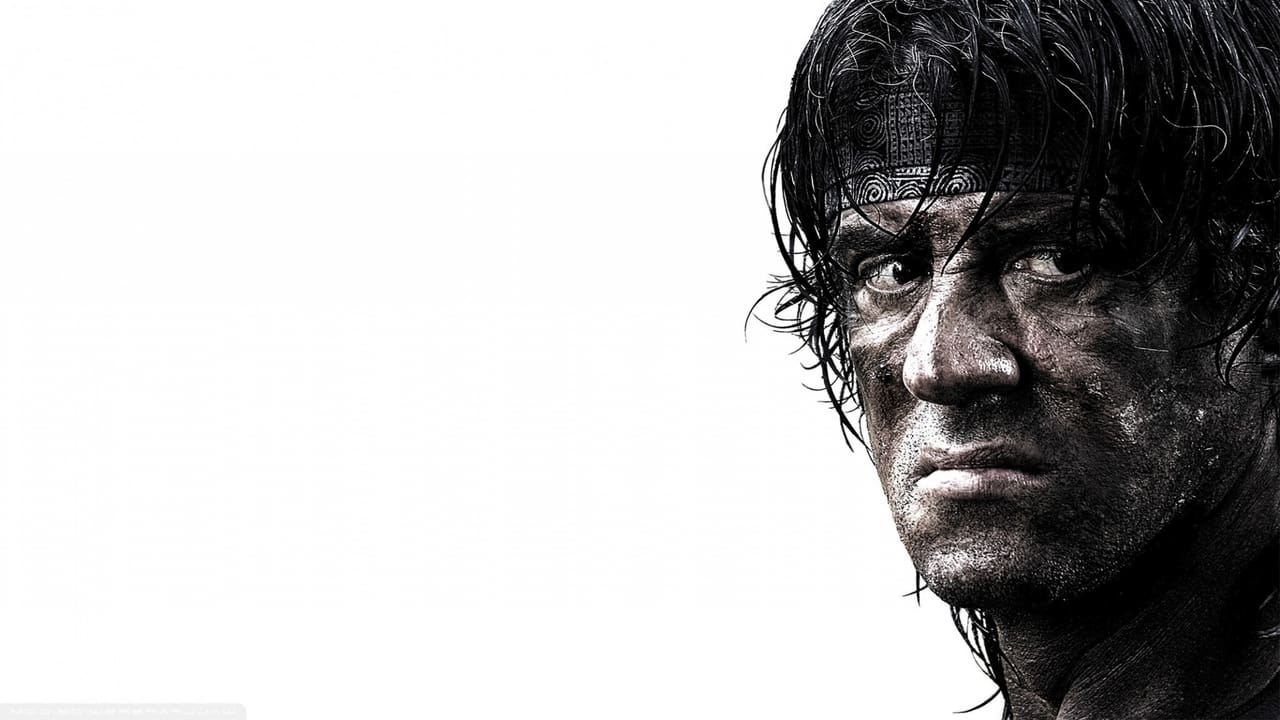
Watching this today, it serves as a fascinating bridge between the old-school action era and the "Legacy Sequel" trend that would eventually give us Top Gun: Maverick. It lacks the polish of a modern blockbuster, but it possesses a raw, jagged energy that digital cinema often struggles to replicate. It doesn't ask you to like John Rambo; it asks you to acknowledge that he is the inevitable byproduct of a violent world.
The film ends not with a parade, but with a quiet, long-overdue walk down a dusty road in Arizona. It’s a moment of grace earned through a literal river of blood. For Popcornizer readers who miss the days when action movies had "weight"—both emotional and physical—this remains a high-water mark of the 2000s.
John Rambo finally stopped fighting the world and started fighting for his own soul, leaving a trail of empty shells and shattered expectations in his wake. It's a film that doesn't ask for your forgiveness; it asks if you're brave enough to acknowledge the cost of survival.

Keep Exploring...
-
Rambo: First Blood Part II
1985
-
Rambo III
1988
-
First Blood
1982
-
Rambo: Last Blood
2019
-
The Expendables
2010
-
Green Zone
2010
-
The Expendables 2
2012
-

Escape Plan
2013
-
Cliffhanger
1993
-
Homefront
2013
-
The Expendables 3
2014
-
Rocky Balboa
2006
-
Colombiana
2011
-
Act of Valor
2012
-
S.W.A.T.
2003
-
Tears of the Sun
2003
-
Terminator 3: Rise of the Machines
2003
-
The Hunted
2003
-
The Matrix Revolutions
2003
-
The Rundown
2003