Red Cliff
"When empires clash, a single spark ignites the sea."

The air in the strategist’s tent doesn’t smell like war; it smells like ancient wood and tension. Two men sit across from one another, not with swords, but with zithers. They aren't talking. They’re playing. The music starts as a ripple and accelerates into a rhythmic assault, a sonic sparring match that tells them everything they need to know about the other’s soul. It’s a classic John Woo moment—the man who gave us the dual-wielding pistols of Hard Boiled and the high-octane camp of Face/Off—returning to his roots to prove that a well-placed musical note can be just as deadly as a bullet to the brain.
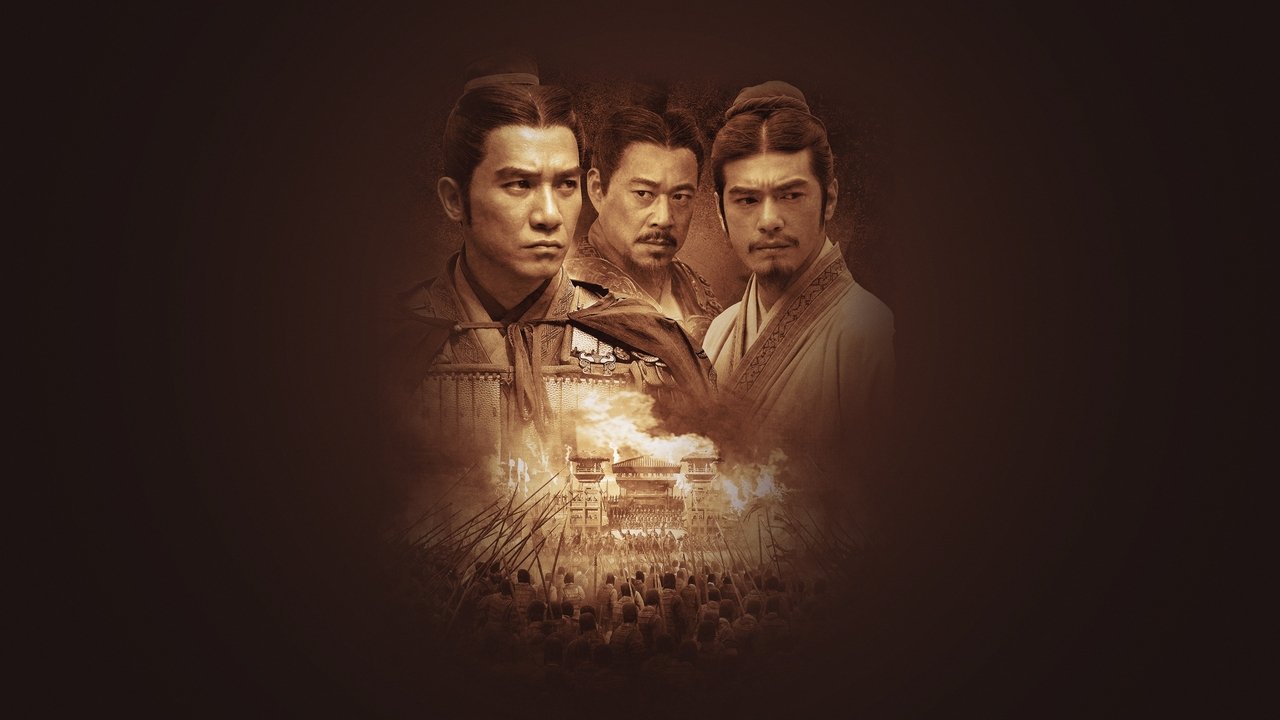
I first watched the international cut of Red Cliff on a laptop while eating a bowl of significantly over-salted popcorn in a drafty dorm room. Even on that tiny screen, the sheer gravity of the production felt like it was going to crack the plastic casing. This isn't just a "war movie." It’s an exercise in tactical geometry and ego, a $80 million gamble that saw John Woo (who reportedly pumped $10 million of his own cash into the budget when things got tight) betting everything on the idea that Western audiences would sit still for a 2nd-century Chinese history lesson.
The Art of the Ancient "Gun-fu"
While John Woo is the patron saint of "Heroic Bloodshed," Red Cliff trades the Berettas for bronze-tipped spears and a level of choreography that feels genuinely dangerous. There’s a sequence early on involving the "Turtle Formation"—a labyrinth of shields designed to trap cavalry—that remains one of the most coherent and satisfying pieces of action filmmaking I’ve ever seen. You actually understand the physics of the fight. You see how the interlocking shields create a meat-grinder for the invading Han army.
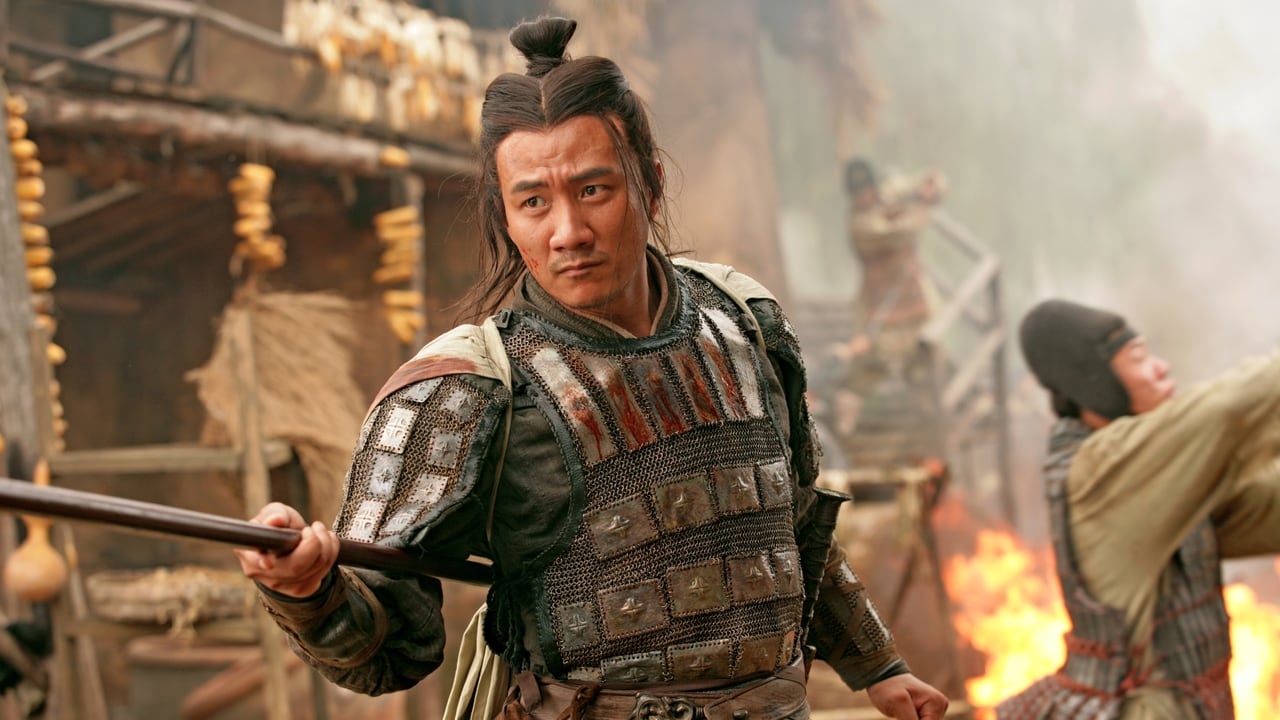
The stunt work here is heavy and physical. When Hu Jun (playing the legendary Zhao Yun) gallops through a sea of soldiers with a baby strapped to his chest, you feel the thud of every horse hoof. It lacks that weightless, "wire-fu" floatiness that defined Crouching Tiger, Hidden Dragon. Instead, it opts for a gritty, grounded intensity. The action sequences have the tactical clarity of a high-stakes chess match played with human lives. Even the early CGI—which, let’s be honest, makes some of the burning ships look like they were rendered on a high-end toaster—doesn't detract from the impact because the practical scale is so overwhelming. John Woo famously used members of the Chinese People’s Liberation Army as extras, and that "wall of humanity" effect is something no digital slider can truly replicate.
A Duel of Intellectuals
At the heart of the carnage is the chemistry between Tony Leung Chiu-wai (as the weary commander Zhou Yu) and Takeshi Kaneshiro (as the brilliant strategist Zhuge Liang). If you know Tony Leung from his soul-crushing work in Wong Kar-wai’s In the Mood for Love, seeing him here is a revelation. He carries a quiet, simmering authority. He doesn’t need to shout to be the most powerful person in the room; he just needs to look at you with those eyes that seem to have seen three lifetimes of disappointment.
Takeshi Kaneshiro, meanwhile, plays Zhuge Liang with a playful, almost Sherlockian detachment. He’s the man who can read the wind and predict a fog bank, and the way he "weaponizes" a simple tea ceremony is pure cinema. The film’s villain, Cao Cao (played with scenery-chewing menace by Zhang Fengyi), provides the perfect foil—a man so blinded by his own legend that he misses the shifting tides literally and figuratively. The moral complexity here is subtle; it’s a story of an underdog alliance trying to survive a megalomaniac, but it never forgets that thousands of "nameless" soldiers are paying the price for these Great Men's ambitions.
The DVD Era’s Lost Epic
Looking back from 2024, Red Cliff represents a fascinating moment in the "Modern Cinema" era. This was 2008—the same year Iron Man launched the MCU. While Hollywood was busy figuring out how to make superheroes feel "grounded," John Woo was trying to make history feel "blockbuster."

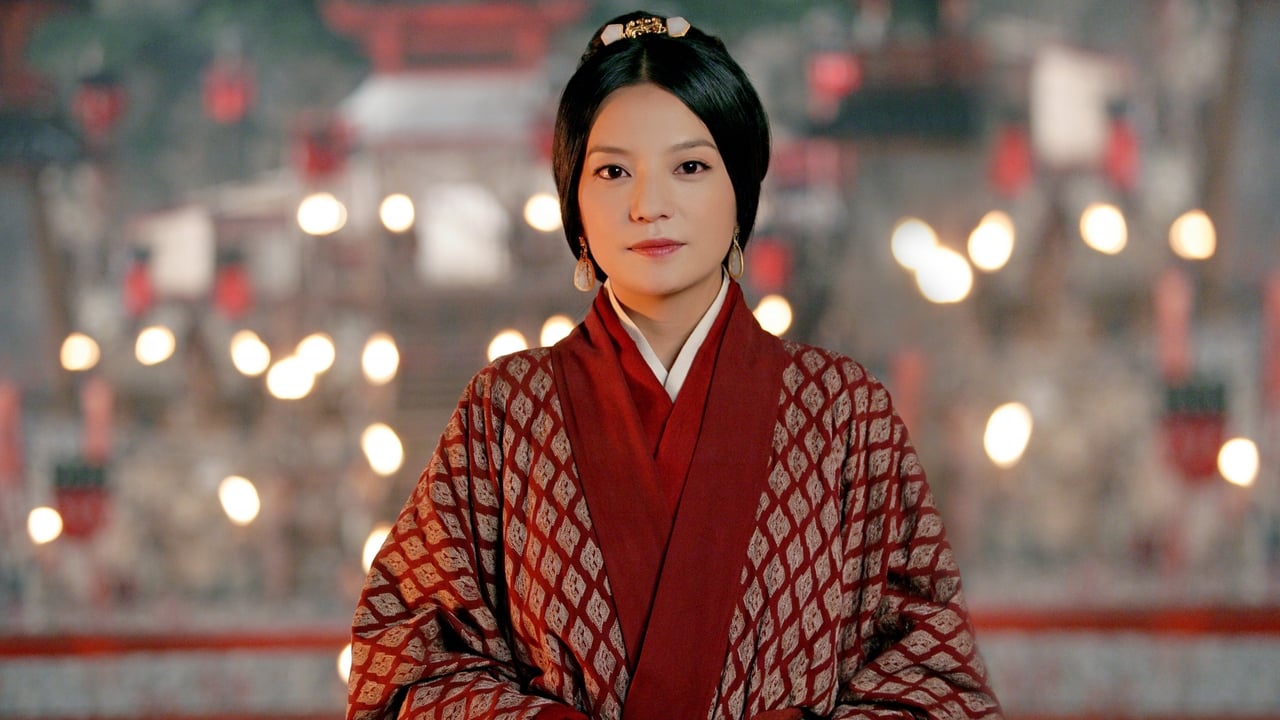
The version most of us in the West saw was this 145-minute "International Cut," which condensed two massive films into one. It’s a bit of a tragedy, really. On the special features of the old DVD releases, you catch glimpses of what was lost: deeper character beats for Zhao Wei’s Sun Shangxiang and more breathing room for the political maneuvering. But even in this "cliff notes" version, the film’s identity is unmistakable. It’s a bridge between the analog practical effects of the 90s and the digital maximalism of the 2010s.
It’s an intense, often somber reflection on the cost of unity. The final act, a literal sea of fire, is haunting. John Woo doesn't just show you an explosion; he shows you the chaos and the way fire consumes hope. It’s a dark, beautiful, and massive achievement that reminds me why we go to the movies: to see things we could never imagine, executed on a scale that makes our own problems feel as small as a single arrow in a forest of thousands.
Red Cliff is a massive, tactical symphony that proves John Woo never lost his touch—he just swapped his pistols for a much bigger sandbox. It’s a film that demands to be seen on the biggest screen you can find, if only to appreciate the way Tony Leung Chiu-wai can command an entire army with a single, weary nod. It’s a heavyweight champion of the historical epic genre, standing tall alongside films like Gladiator or Kingdom of Heaven, but with a distinct, poetic soul that is uniquely its own.
Keep Exploring...
-
Kingdom of Heaven
2005
-
King Arthur
2004
-
The Messenger: The Story of Joan of Arc
1999
-
Rurouni Kenshin Part I: Origins
2012
-
The Last Samurai
2003
-
300
2007
-

Braveheart
1995
-
The Patriot
2000
-

Hero
2002
-
Lone Survivor
2013
-
The Wind Rises
2013
-
The Count of Monte Cristo
2002
-

Alexander
2004
-
The Flowers of War
2011
-

Fury
2014
-
Green Zone
2010
-
Mission: Impossible II
2000
-
Letters from Iwo Jima
2006
-
The Grandmaster
2013
-

Legends of the Fall
1994